Cranberry supervisors to vote on backyard chicken rules August 6
Cranberry supervisors will decide Aug. 6 whether hens, but not roosters, can count as an accessory use in every residential zoning district. The vote could reset the township’s chicken rules.
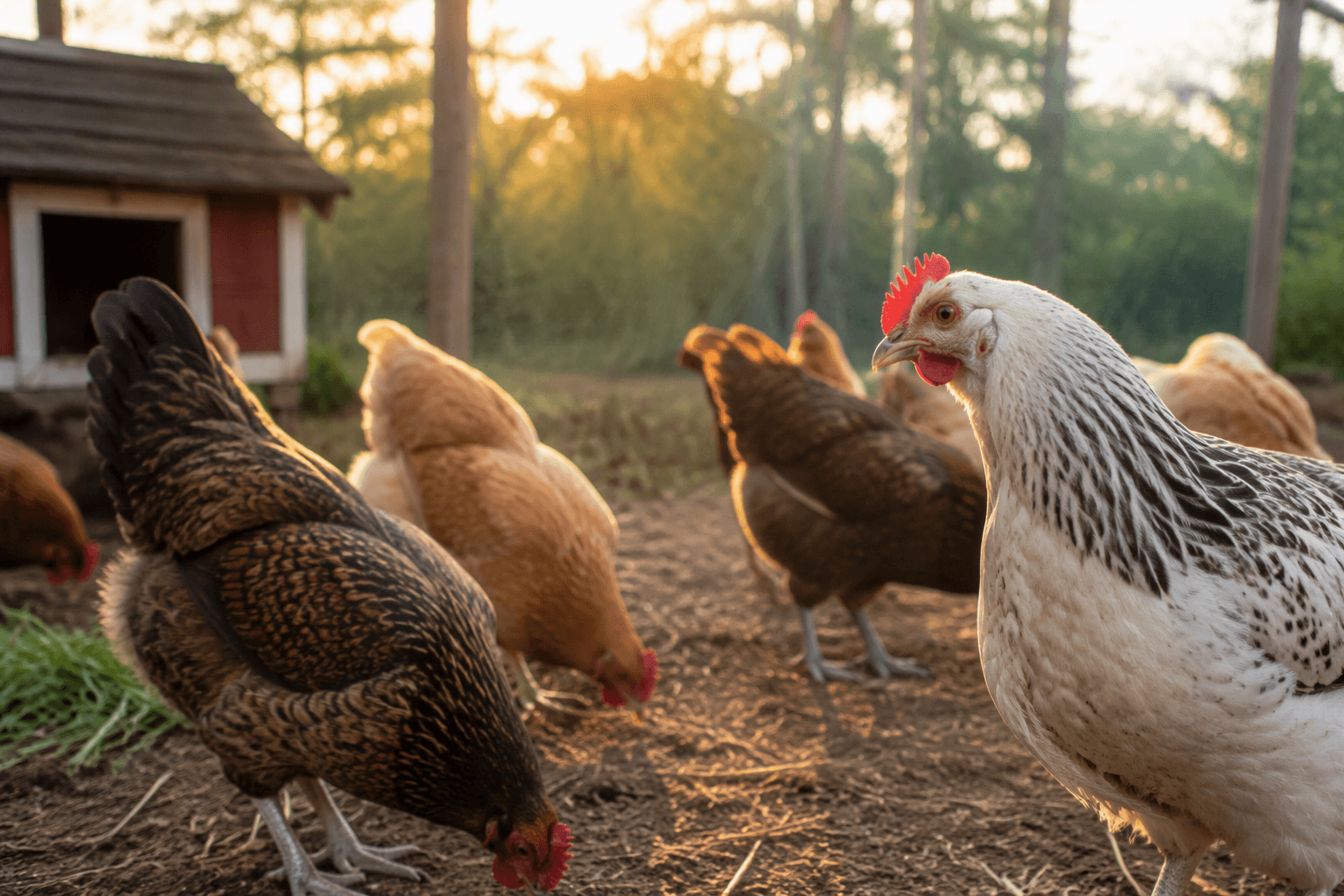
Cranberry Township homeowners may get a clearer answer on backyard chickens when supervisors vote Aug. 6 on an ordinance amendment that would allow livestock, exotic animals or fowl, excluding roosters, as an accessory use in all residential zoning districts.
That draft would update the township’s rules for keeping those animals at home, which is the practical question behind every “can I keep chickens now?” conversation in Cranberry. If the board approves it, hens would be explicitly allowed as part of residential accessory use, but roosters would still be off the table.
The township’s official calendar lists a Board of Supervisors meeting for Thursday, Aug. 6, 2026, and the meeting agenda also includes a storm sewer project. The board itself is listed on township records with Bruce Hezlep, Karen Newpol, John Skorupan and Mike Manipole as supervisors, while older agenda minutes from Nov. 21, 2024 also name Bruce Mazzoni and township manager Daniel Santoro.
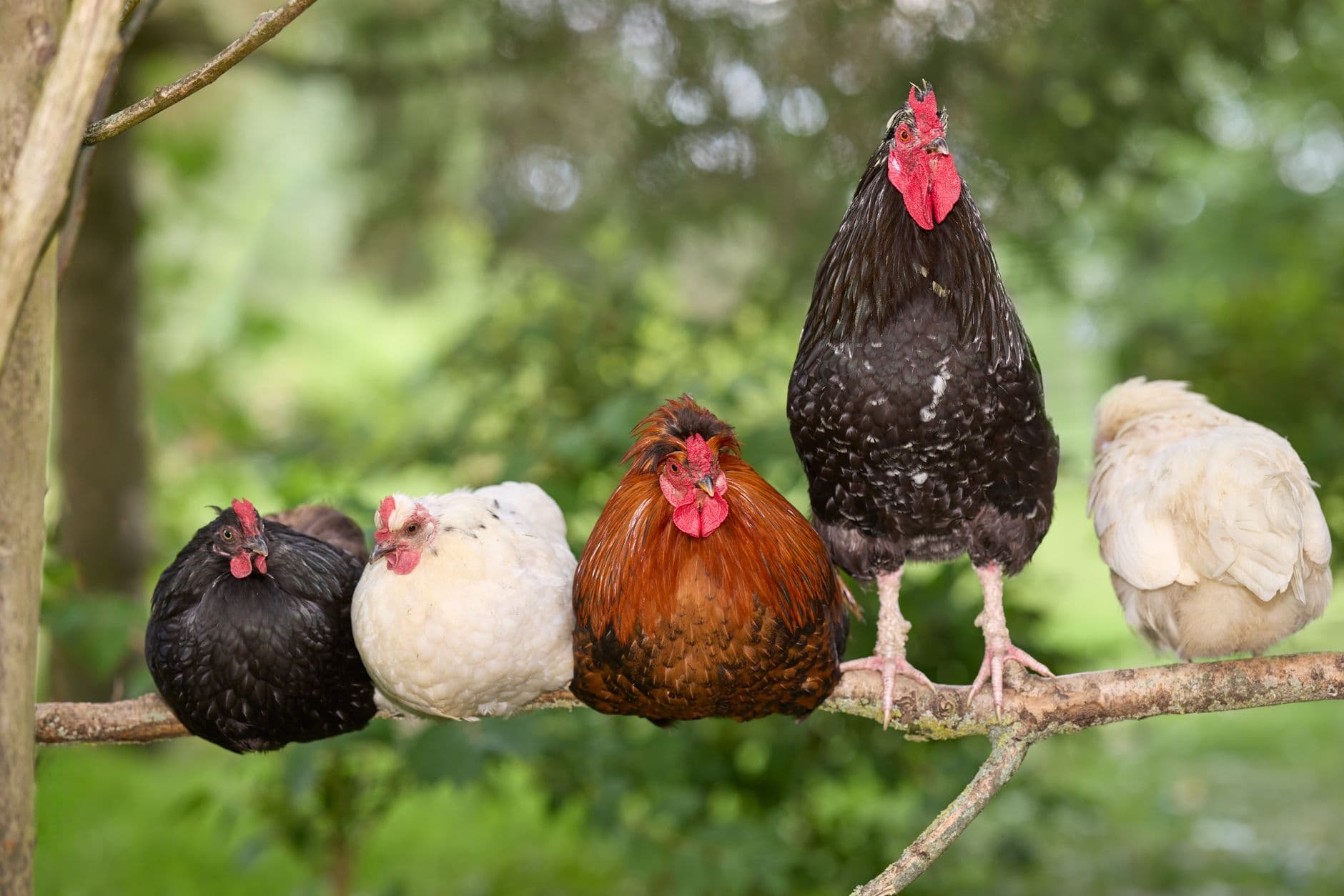
This is not the first time chickens have come up in Cranberry business. Supervisors discussed chickens and dam-building beavers in May 2023, showing that animal-keeping rules have already been part of the local zoning conversation before this latest amendment reached the board.
For backyard flock owners, the key detail is the zoning language. The proposal would cover all residential zoning districts, which makes it broader than a one-neighborhood test case. It would also put chickens in the same accessory-use framework as other small-scale home uses, instead of treating them as something that has to be guessed at parcel by parcel.
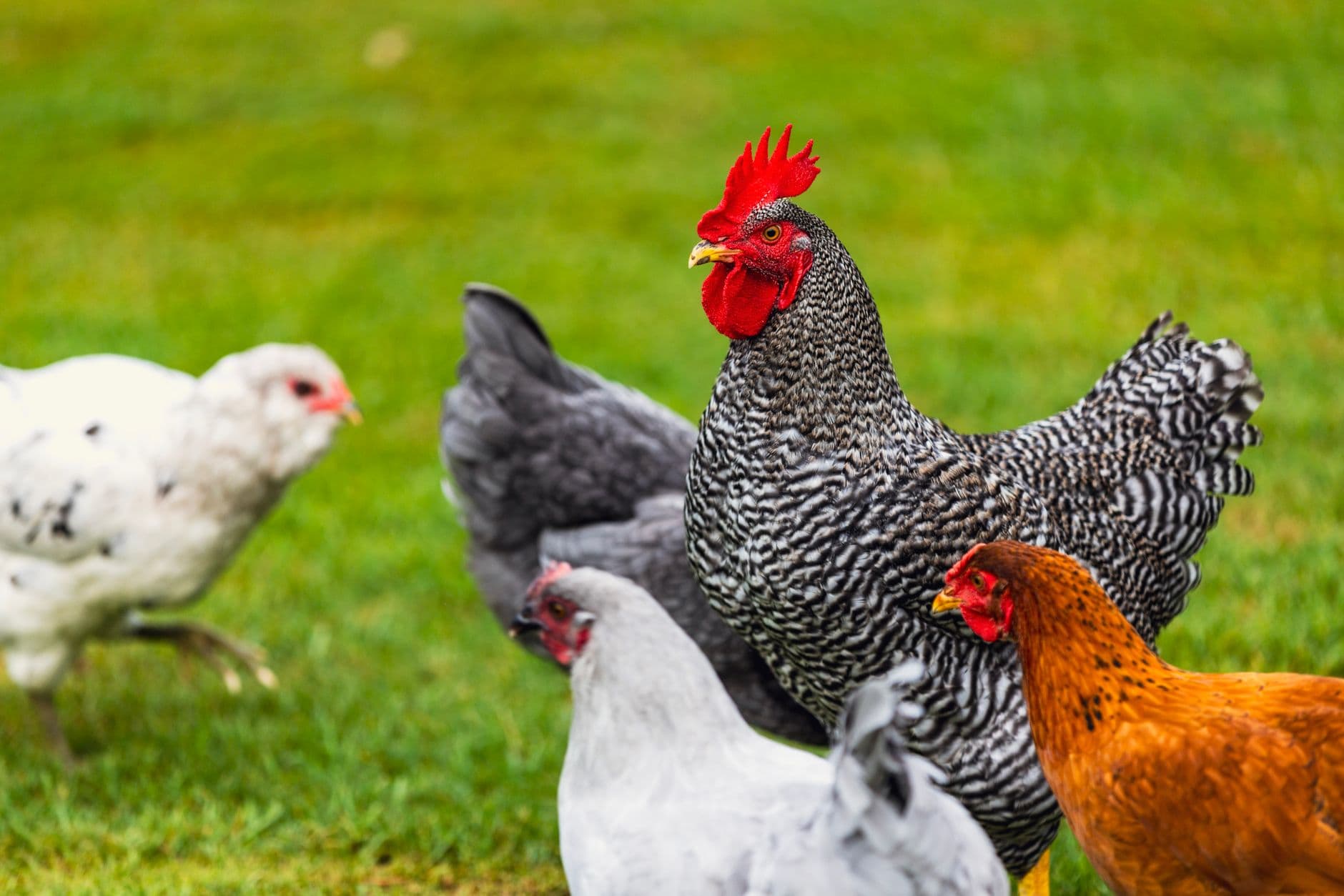
The township has not released the full draft text in the materials available here, but the outline that has circulated points to specific additions for keeping chickens and other fowl in residential settings. That means the next step, if the board advances the amendment, will be seeing how Cranberry writes the actual keeping rules and whether any limits beyond the rooster ban are added before the ordinance is finalized.
Cranberry is not alone in wrestling with the issue. Zephyrhills, Florida, allows up to five hens or pullets in certain residential zoning districts and bans roosters, capons and cockerels. The policy trend tracks with broader sustainable-development zoning guidance that describes urban and suburban agriculture as a growing trend, which is exactly why chicken rules keep showing up in township meetings instead of staying in the coop.
This article was produced by Prism’s automated news system from verified source data, official records, and press releases, then run through automated quality and moderation checks before publishing. The system is built and supervised by the people who set the standards it runs under. Read our full AI policy.
Did this article answer your question?