Joel Salatin wins fight against Virginia’s chicken processing rules
Virginia regulators said Polyface’s outdoor chicken setup was unsanitary because of flies. Joel Salatin answered with lab tests showing cleaner birds than store-bought ones.
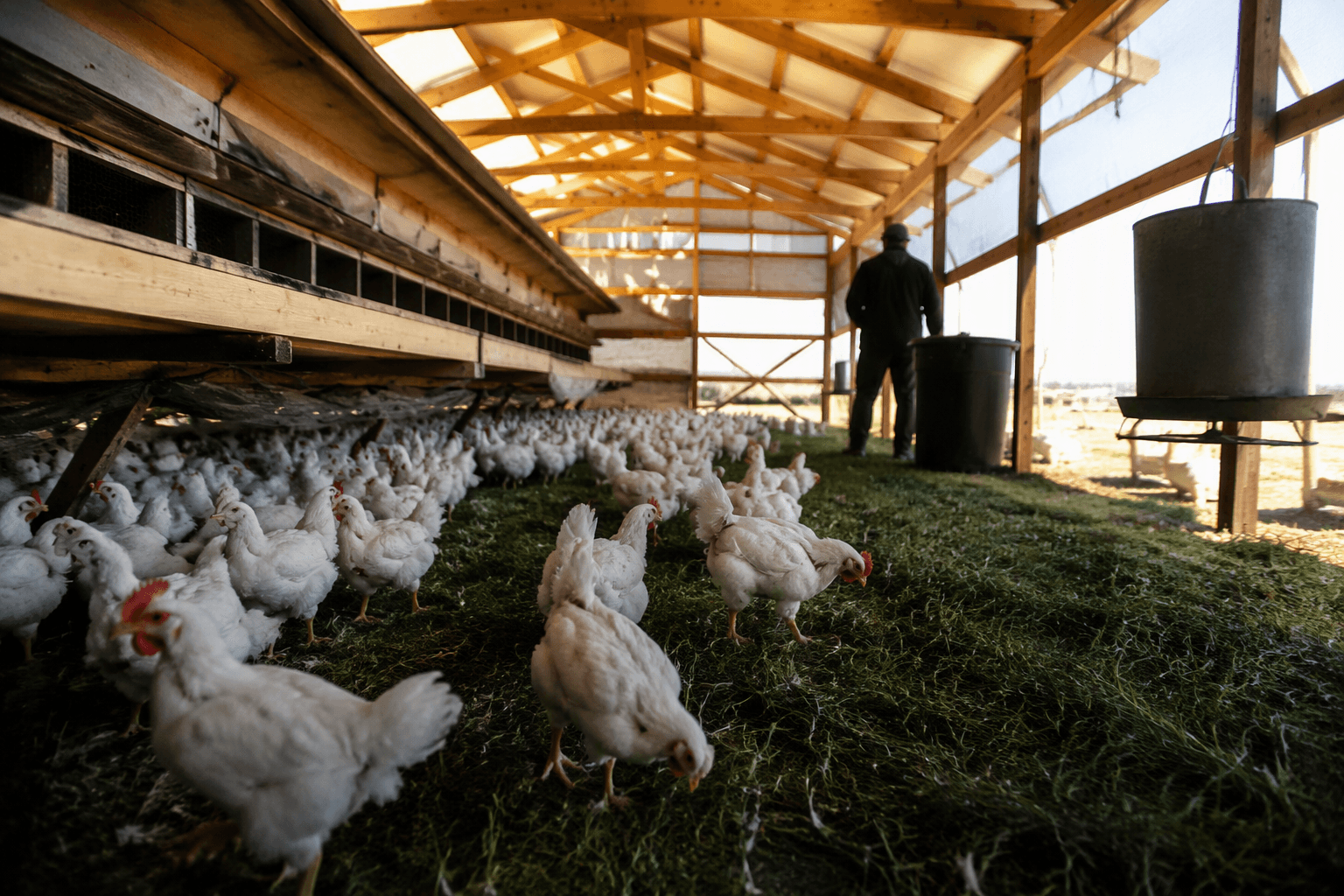
Joel Salatin beat back Virginia regulators who said Polyface Farm’s outdoor chicken processing setup was unsanitary because flies could get into the operation. Salatin answered with lab tests showing his birds carried far fewer bacteria than store-bought chickens, then brought legislators and attorneys into the fight and won. For small poultry owners, the dispute turned on a hard question: does the state care more about how a setup looks, or what the meat actually tests like?
Polyface sits in Swoope, in Virginia’s Shenandoah Valley, and by 2009 it was already being described as a 550-acre farm built around pasture-based methods that follow the movement patterns of grazing animals. Michael Pollan’s 2006 profile helped turn Salatin into a public face of resistance to industrial agriculture, but the chicken-processing clash showed how that reputation collided with state rules on the ground. The same farm that symbolized local-market agriculture also became a test case for whether outdoor processing could survive under sanitary standards shaped by indoor plants.
Virginia had been examining the issue before the fight became widely known. A November 1, 2005 report prepared by the state agriculture and health secretaries reviewed on-farm and off-farm sales of food products grown and processed on individual farms, a sign that regulators were already sorting through the tension between direct sales and conventional inspection systems. In a 2008 review of small farms and U.S. meat regulations, Salatin pointed to another practical barrier: the nearest USDA-approved slaughter facility to Polyface was an hour away.
That distance matters because it shows where compliance pressure lands. If an on-farm processor is using an outdoor setup, regulators are likely to scrutinize anything that suggests exposure, including flies, open-air handling, and the absence of a conventional plant structure. Salatin’s defense rested on evidence, not appearance, and Consumer Reports has also found that store-bought whole broilers can carry significant bacterial contamination, reinforcing his argument that food safety should be measured in lab results, not assumptions about dirt or fresh air.
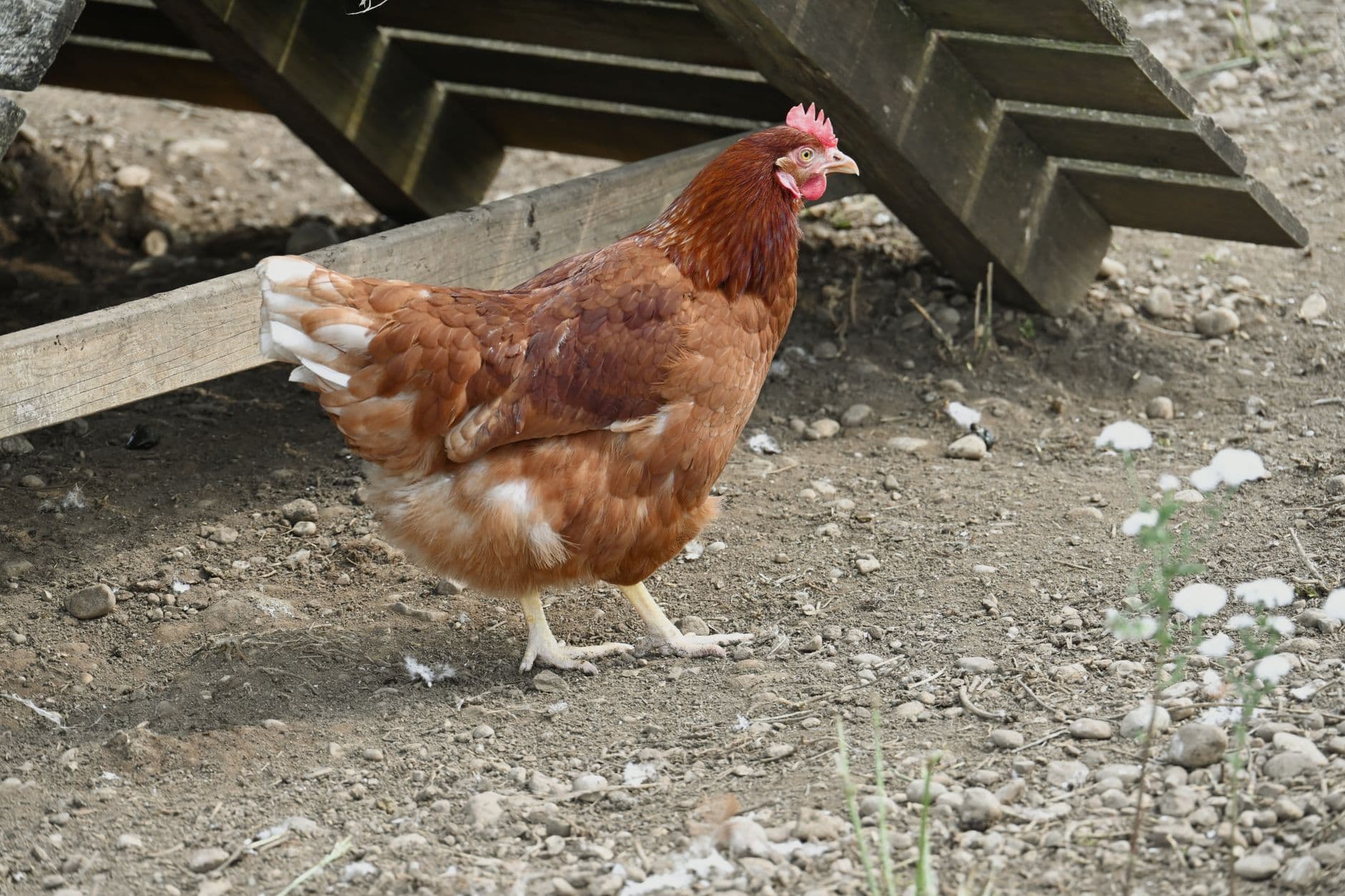
The practical lesson for backyard-scale and small-farm poultry is blunt: keep records of microbial testing, document where birds are processed, and be ready to show how the operation meets sanitation rules if it does not look like an industrial line. Salatin’s 2008 purchase of Harrisonburg Wholesale Meat Co. with Teresa Salatin also showed another route forward, adding processing options in Harrisonburg and reducing dependence on a distant USDA plant.
Polyface won this fight, but the bigger signal is that outdoor processing can still draw scrutiny whenever regulators see flies first and test data second.
This article was produced by Prism’s automated news system from verified source data, official records, and press releases, then run through automated quality and moderation checks before publishing. The system is built and supervised by the people who set the standards it runs under. Read our full AI policy.
Did this article answer your question?