How to improve hatch rates by managing five incubation factors
The biggest hatch-rate gains come from a stable system, not a pricier incubator. Fresh eggs, then tight control of temperature, humidity, ventilation, turning, and sanitation, do the work.
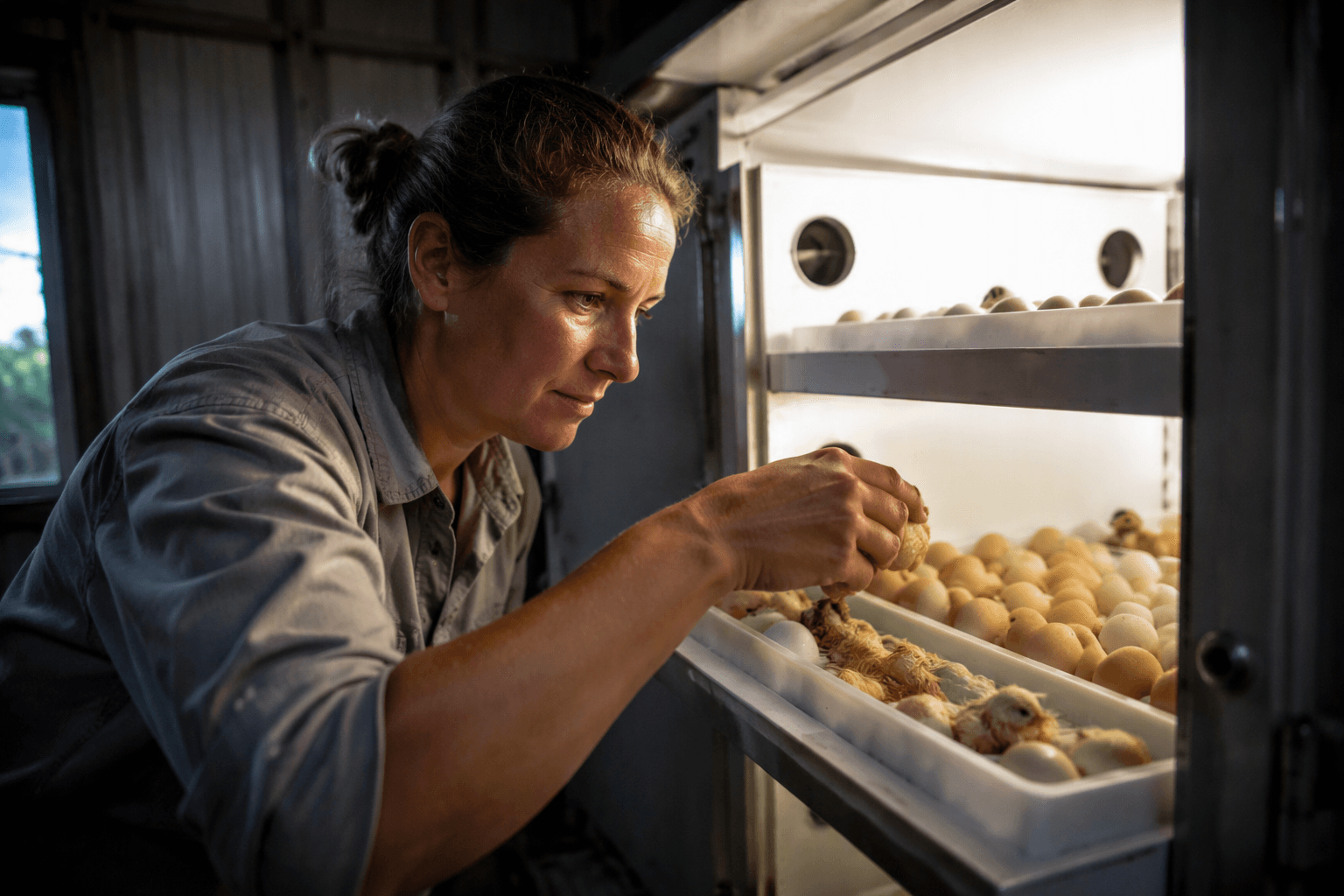
Mississippi State University Extension recommends most hatching eggs be stored no longer than one week. After that, hatchability depends on a five-part system: stable temperature and humidity, ventilation, turning, and sanitation. Fresh, clean eggs handled correctly give you a head start, but the hatch only stays on track if the incubator holds all five.
Start with the eggs before you ever flip the switch
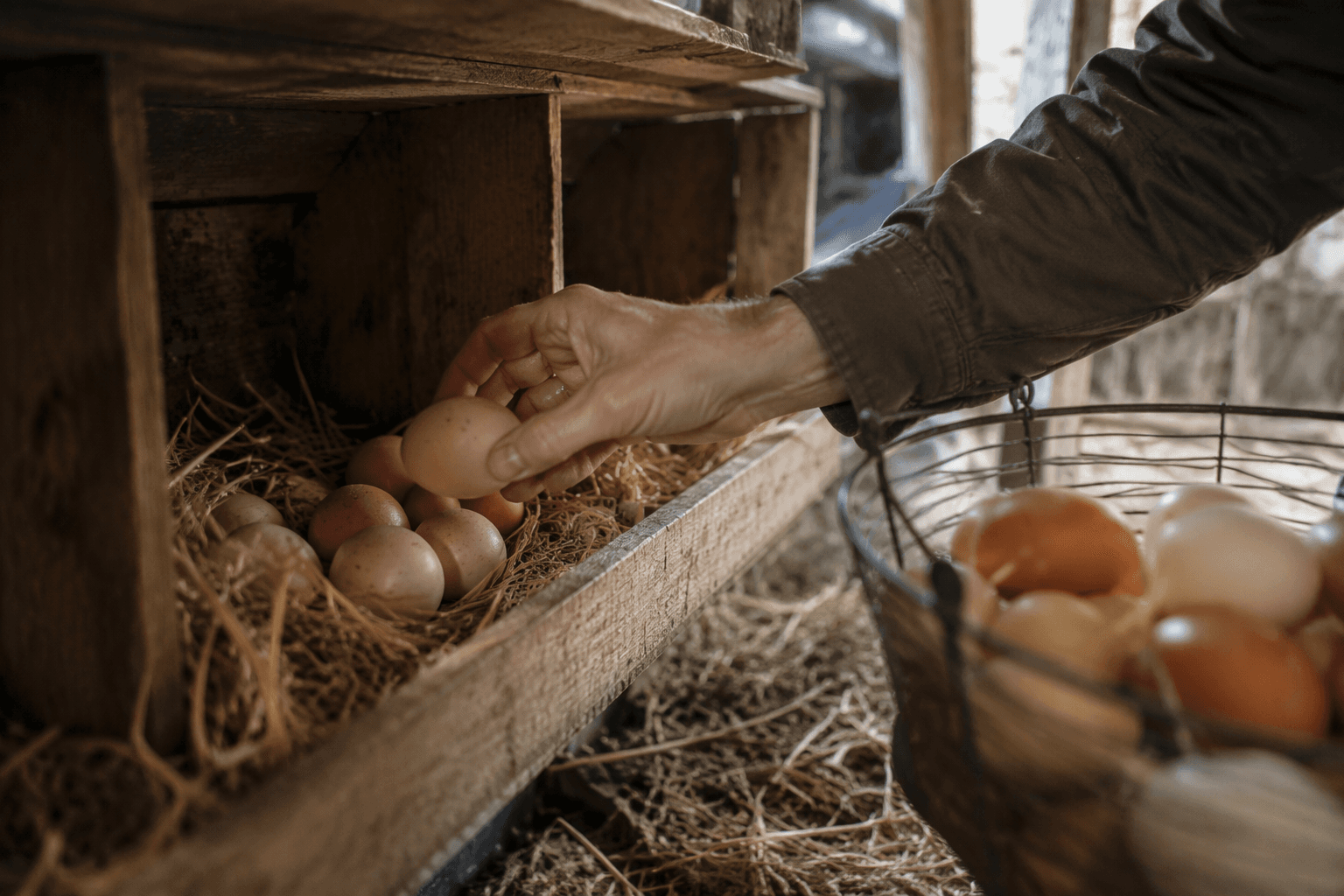
The easiest mistake to make is obsessing over the incubator and forgetting the eggs themselves. University of Maryland Extension's home-hatching guidance starts with undamaged, fresh, clean, and fertile eggs, set blunt end up. Done that way, hatching eggs at home can be a project a careful beginner can do well. Eggs saved for hatching are very perishable, and their viability depends heavily on storage conditions.
That means the clock starts the day you collect them. For chicken hatching eggs, Mississippi State University Extension sets a maximum storage period of about three weeks.
Temperature is the first place hatches go wrong
If you want the biggest single win, lock down temperature. Poor hatch results are most commonly caused by temperature or humidity being too high or too low, and that is the part where a lot of beginners chase symptoms instead of the real problem. A decent incubator used correctly will beat a premium model that keeps getting opened, sits in a draft, or swings in temperature.
A well-designed incubator is essential if good hatchability is expected. The machine does not need to be fancy; it needs to be stable. On a run of weak hatches, temperature drift is one of the first things worth checking before blaming the hens, the rooster, or bad luck.
Humidity has to stay in range, not just seem comfortable
Humidity gets treated like a side note, but it is one of the two biggest reasons hatches disappoint. The mistake is assuming the incubator’s reading only matters at the beginning or only matters on dry days. Humidity belongs in the same warning category as temperature because embryos do not care whether the problem came from a cold room, a dry basement, or a machine that was opened too often.
Use an incubator that holds conditions, then leave it alone as much as possible. Small swings add up fast in a closed system, especially when temperature and humidity wobble together.
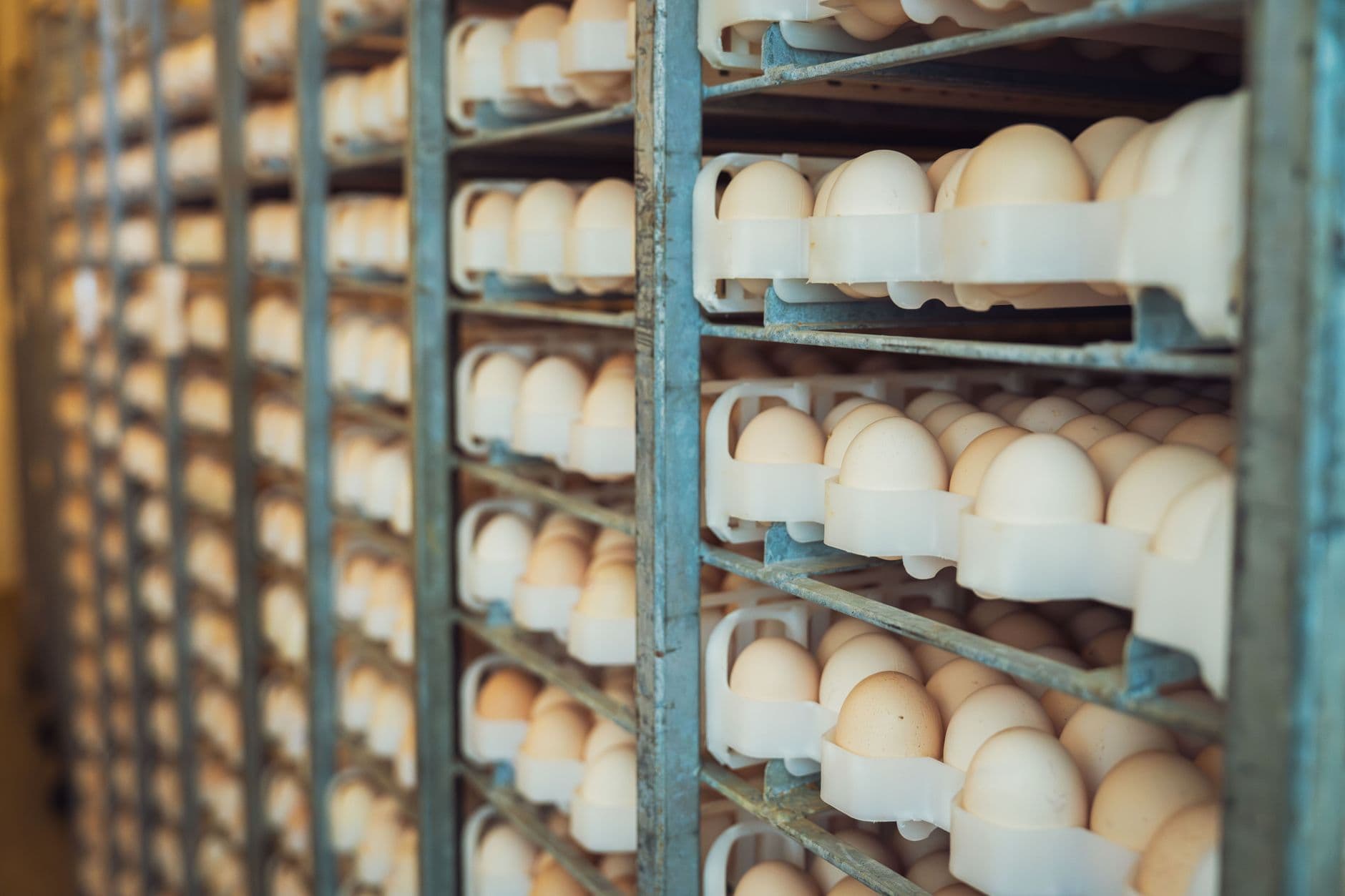
Ventilation is what keeps a good hatch from stalling out
A warm shell is not enough. Ventilation is one of the core incubation factors because developing embryos need fresh air exchange as they grow, and that becomes more important as the hatch progresses. If you only think about heat and moisture, you miss the part where the chick actually has to breathe.
This is also where a lot of home setups get too tight. You can have the right temperature and still end up with poor results if the eggs are not getting enough fresh air movement through the incubator. The goal is to keep the incubator controlled without making it stale.
Turning is the habit that keeps the embryo developing normally
Egg turning sounds routine because it is routine, but that is exactly why it gets skipped or done sloppily. Egg turning is one of the five factors that has to be controlled from start to finish, and it belongs in the same system as temperature and humidity. If you are turning by hand, the schedule has to be consistent. If you are using an automatic turner, the machine still needs to work reliably.
Inconsistent turning creates the same kind of cumulative loss as bad temperature control: tiny mistakes that stack up until hatchability drops. When the hatch is disappointing, turning is one of the first things worth checking because it is easy to get almost right and still be wrong enough to matter.
Sanitation is the hidden factor that can ruin an otherwise good hatch
This is the one people often underestimate because they cannot see the damage right away. Poor sanitation can cause poor hatchability even when temperature and humidity are correct, and it can also lead to early death loss during brooding and lingering morbidity during grow-out.
The sanitation warning gets sharper when fumigation is involved. Eggs and equipment should be sanitized before storage or use, but under-fumigation may fail to kill bacteria while over-fumigation can kill the chick embryo in the egg.
This article was produced by Prism’s automated news system from verified source data, official records, and press releases, then run through automated quality and moderation checks before publishing. The system is built and supervised by the people who set the standards it runs under. Read our full AI policy.
Did this article answer your question?