Gravelbourg considers backyard chicken program as policy talks begin
Gravelbourg is surveying residents on backyard hens, and the real fight will be over permits, flock caps and rooster bans before council votes.
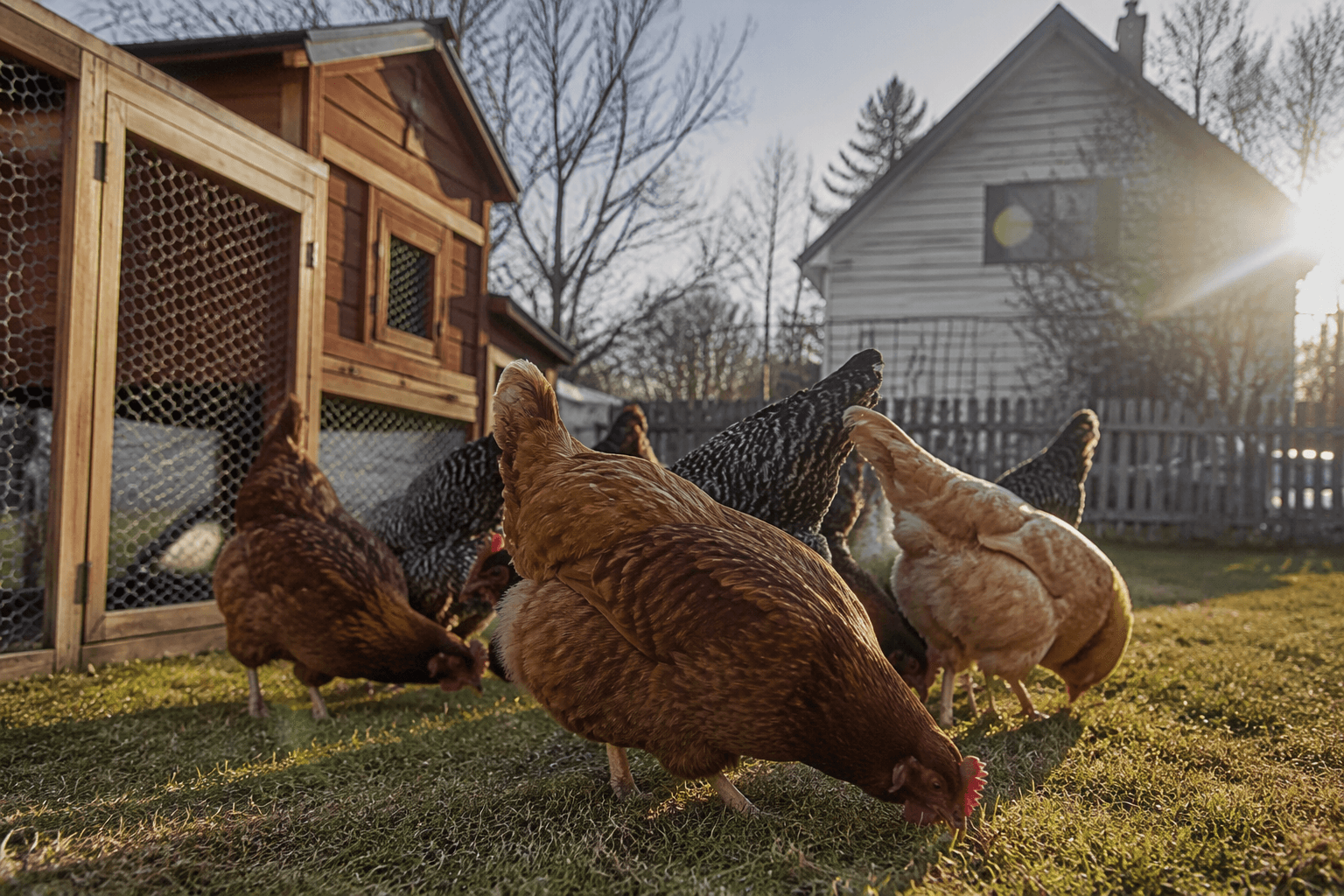
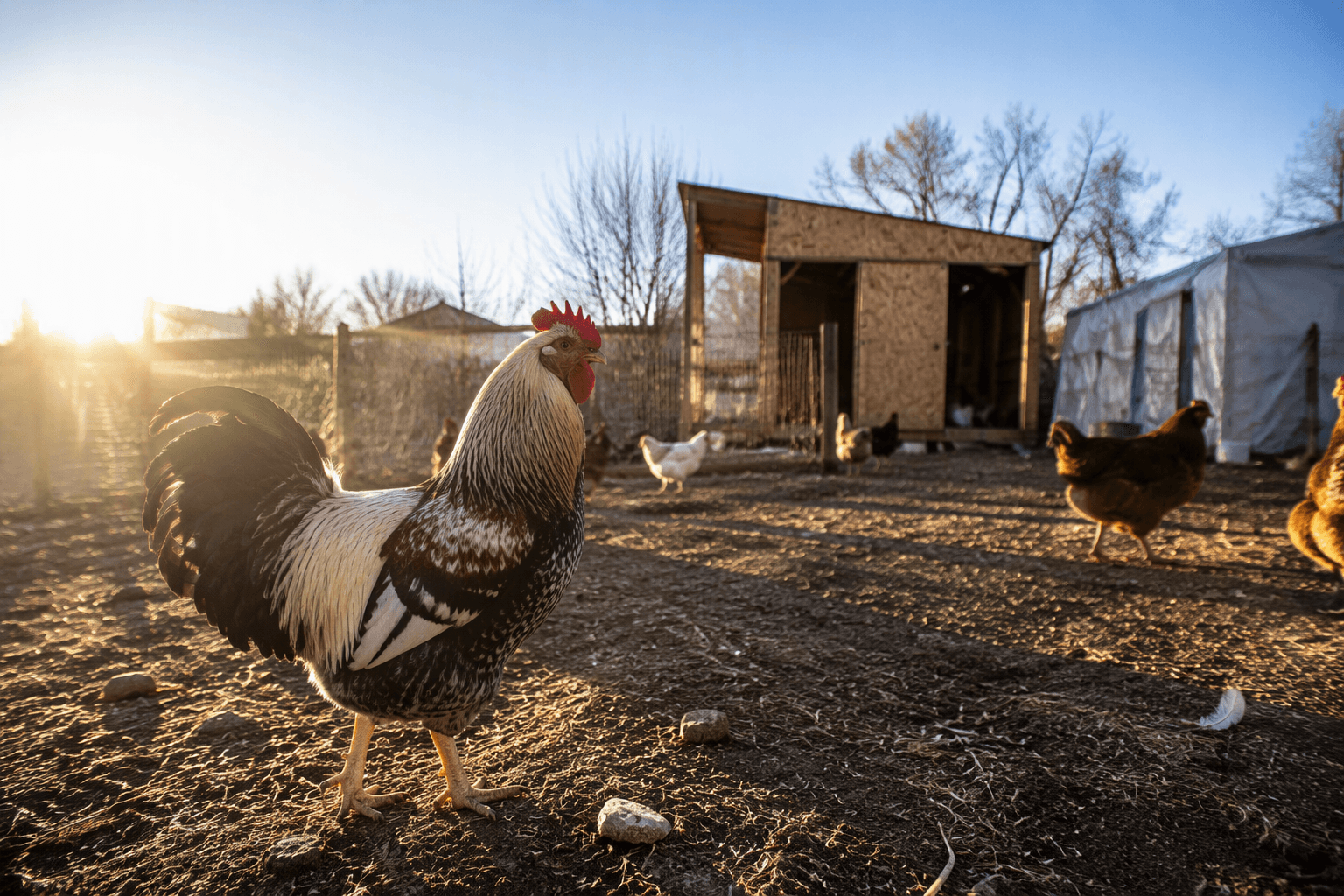
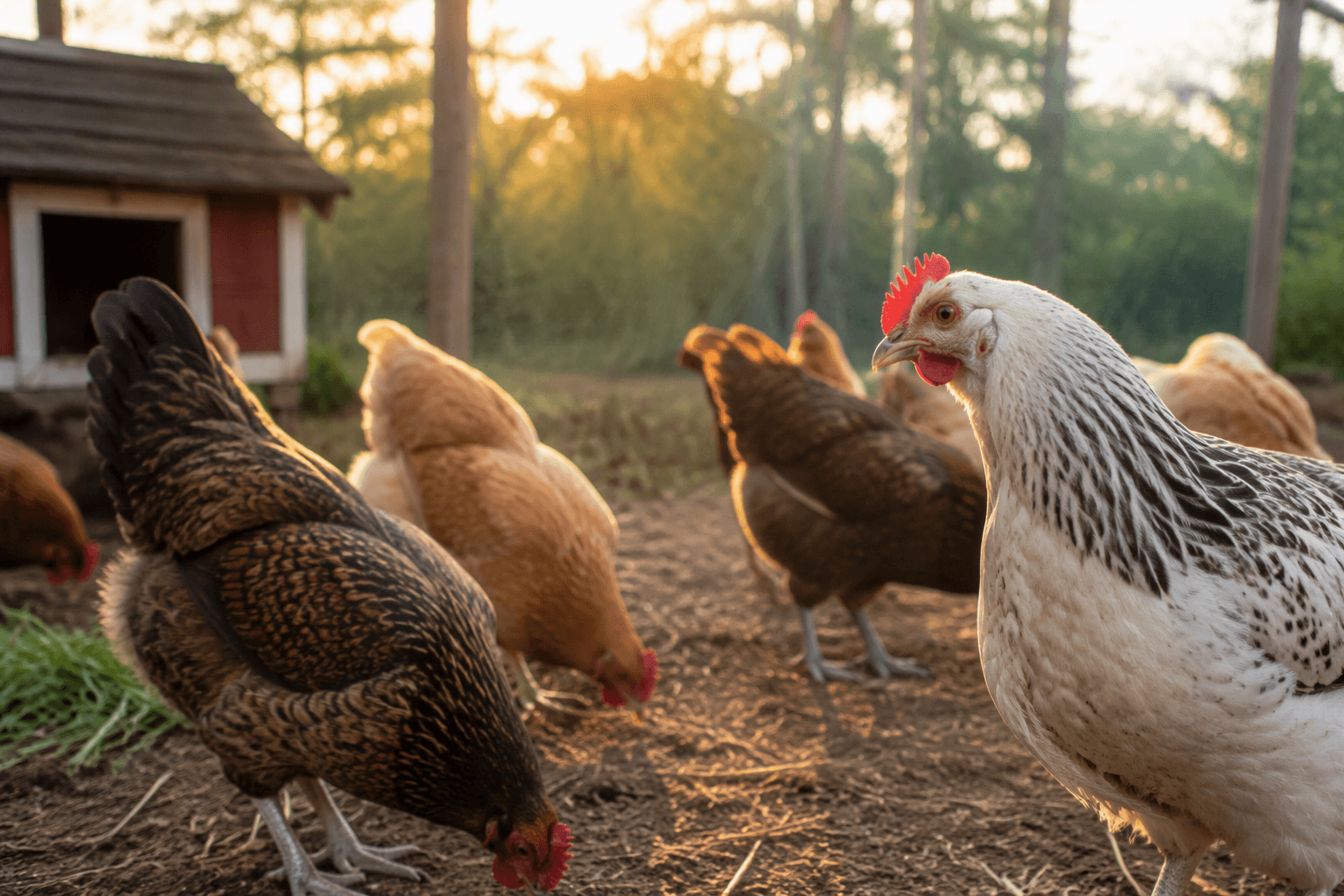
Gravelbourg was weighing a backyard chicken program that could let residents keep hens in residential yards under a formal municipal system. The town was asking residents to complete a survey, putting the idea at the start of policy talks rather than at a final vote.
The real decisions will rest with Gravelbourg council. If the town moves ahead, council will have to settle the rules that matter in daily life: whether permits are required, how many hens each household can keep, whether roosters will be banned, how far coops must sit from neighboring property lines, and what standards will apply to enclosure size, cleanliness and odor control.
Nearby towns show how sharply those details can change the program residents actually live with. Yorkton approved a city-wide cap of five licences, with up to five hens per property, a $75 annual licence and a waitlist if demand exceeds capacity. Kitchener allows up to four chickens and charges a $58.49 permit fee, while Whitewater Region also caps backyard flocks at four. Chatham-Kent adopted a two-year pilot program for properties zoned Village Residential and Rural Residential, excluding Erieau.
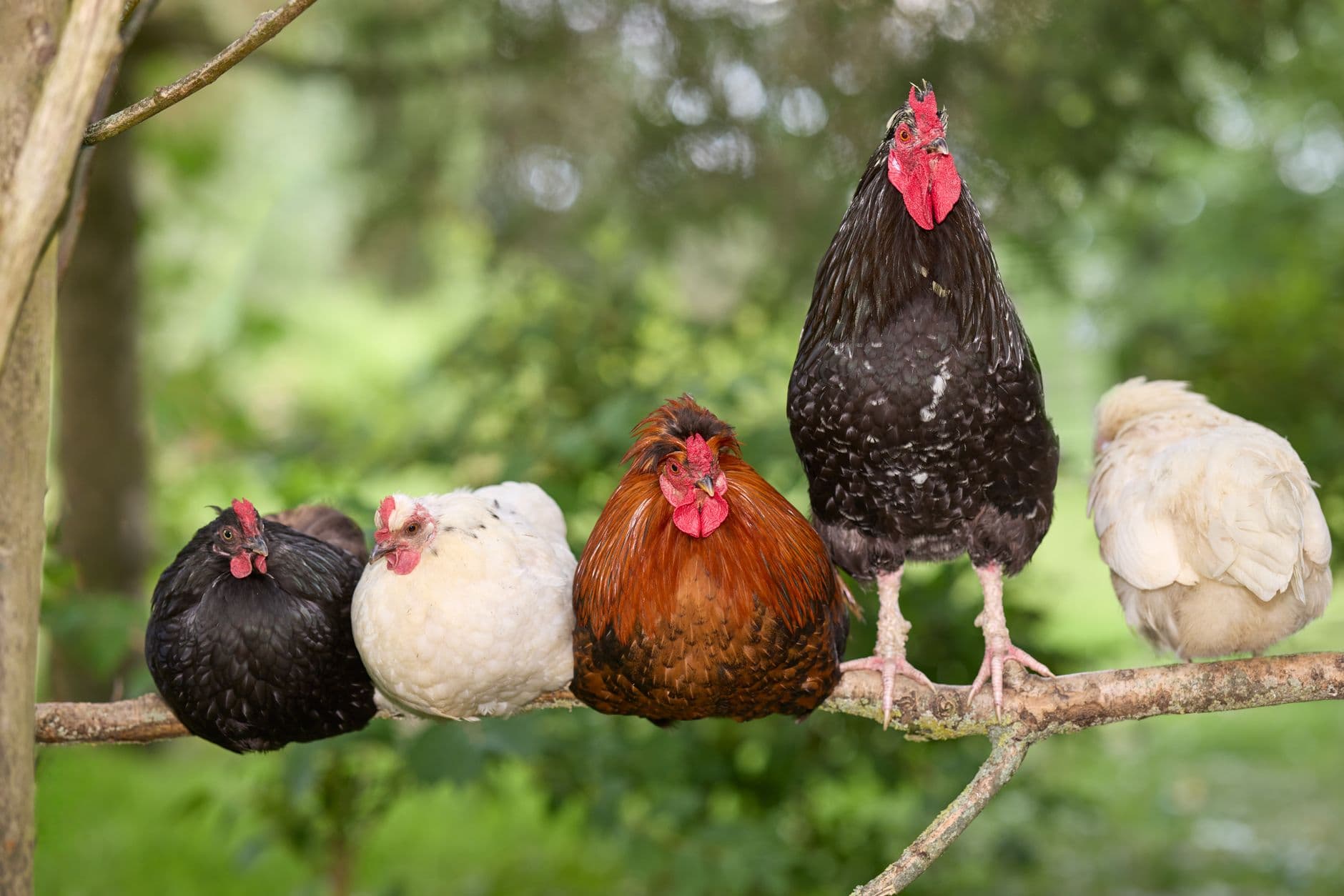
Those examples are the practical benchmark Gravelbourg now faces. A looser bylaw can make hens a real household option; a tight one can leave the idea too costly or too constrained to use. Permit rules, flock limits and setback requirements decide whether a coop fits a yard, and whether a backyard flock stays a quiet hobby or becomes a bylaw issue. The same goes for enforcement, because the moment a town sets a cap or bans roosters, complaints can turn into compliance checks.
For now, the survey is the part residents can still influence. People who want fresh eggs, a small family project or a step toward producing more food at home still have room to shape the framework before it hardens into a bylaw. Neighbors who worry about noise, odors, predators and mess also have a chance to weigh in before Gravelbourg decides whether backyard hens will be allowed at all, and if so, on what terms.
This article was produced by Prism’s automated news system from verified source data, official records, and press releases, then run through automated quality and moderation checks before publishing. The system is built and supervised by the people who set the standards it runs under. Read our full AI policy.
Did this article answer your question?