Where unwanted roosters go, a Bennett sanctuary takes them in
A Bennett sanctuary is taking in unwanted roosters from Denver's backyard chicken boom, where city rules and crowing birds often leave owners stuck.
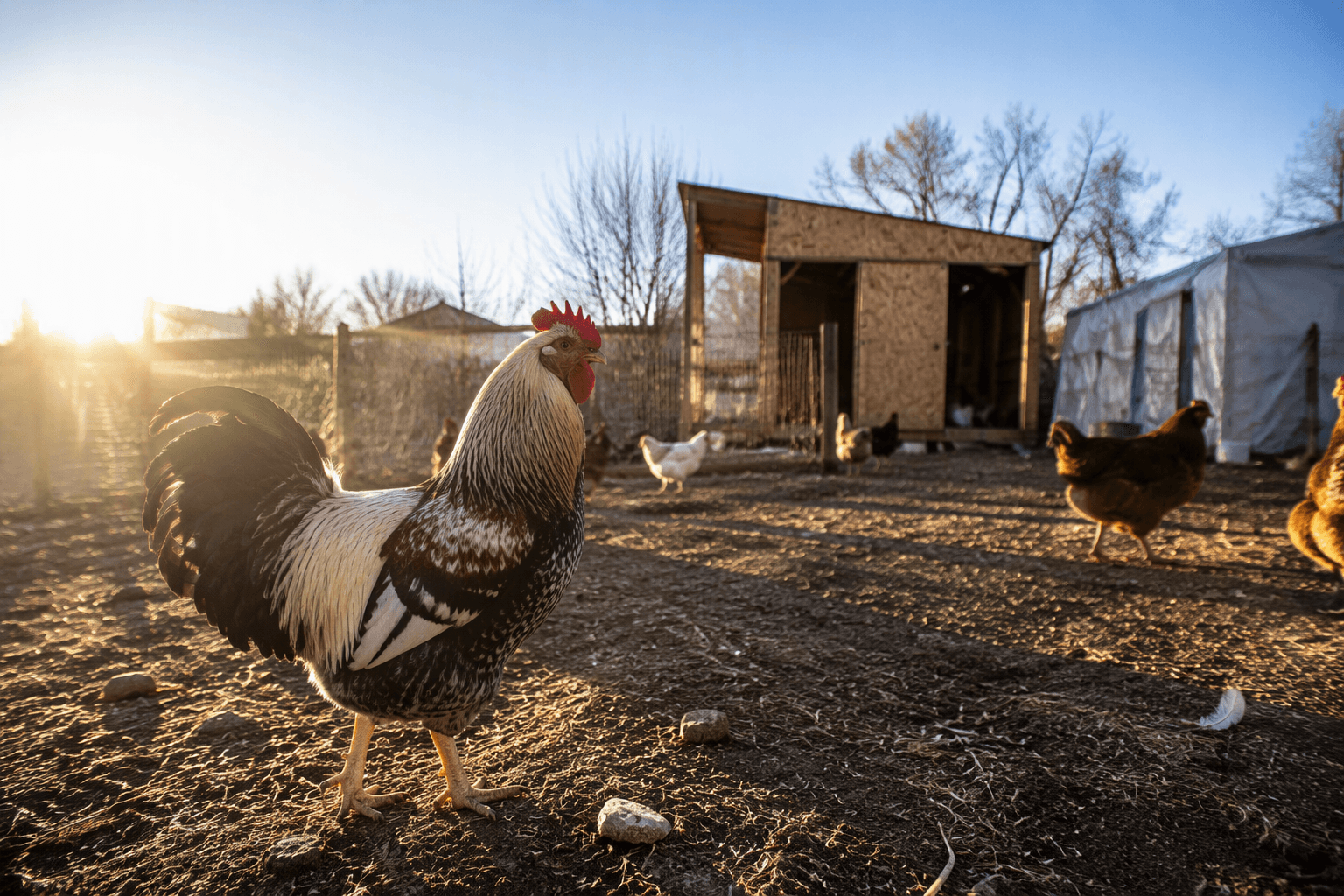
When a backyard chick grows into a rooster, the bird often has nowhere legal to stay in Denver. That trail runs about 40 miles east of the city to a sanctuary in Bennett, where unwanted males end up.
Why roosters keep becoming someone else’s problem
Unwanted roosters are one of the most common byproducts of trying to raise hens for eggs. Families buy straight-run chicks, hatch their own birds, or inherit chickens that turn out to be male, then run into the same wall once the crowing starts: many municipalities, landlords, or neighbors will not allow a rooster to stay.
It sits at the end of a Denver metro area support network that catches birds when the original plan falls apart. Some roosters are sold cheaply, some are passed from owner to owner, and some are surrendered to rescues or dumped, but the common thread is the same: the bird was never part of the owner’s legal or practical long-term setup.
What Denver’s rules actually allow
Denver’s Food Producing Animal Permit Application draws a hard line around backyard poultry. Residents may keep up to 8 hens with no roosters, or up to 8 ducks with no drakes, or a combination of hens and ducks that does not exceed 8 total birds. The permit costs $25, and the city’s structure leaves no room for a crowing male in the backyard flock model.
Denver Animal Protection tells future owners to consider daily care before bringing birds home. Backyard chickens and ducks can be wonderful pets and a source of healthy eggs. Poultry is not a set-it-and-forget-it project: housing, feeding, cleaning, and basic attention are part of the deal from the first day.
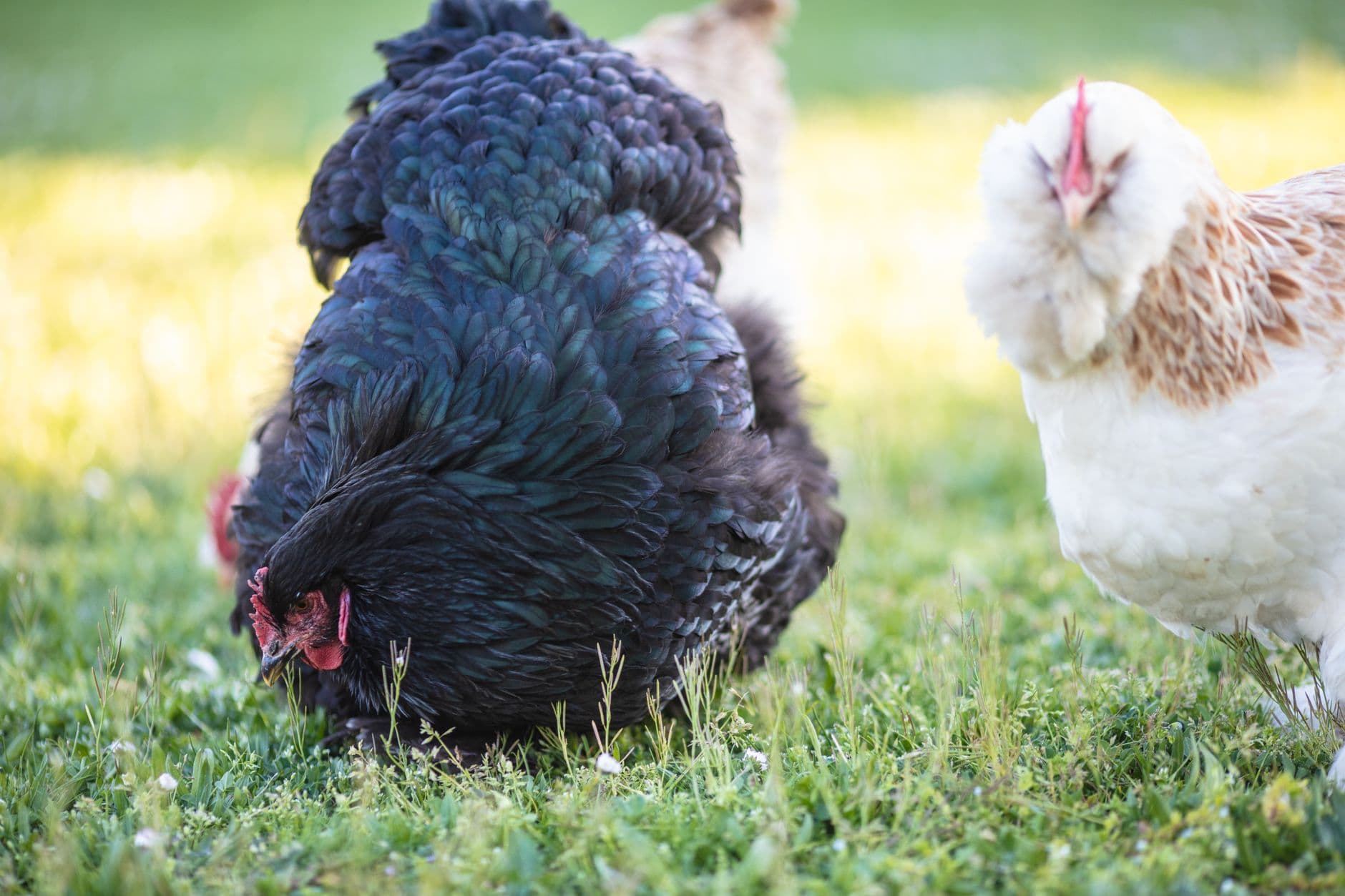
Before you bring chicks home
Hens are productive egg layers for about 2 to 4 years, Colorado State University Extension says, and egg production drops as they age and again during winter months. People also need to make sure their local municipality allows chickens before getting birds in the first place.
The backyard chicken pitch often sounds simple: fresh eggs, pest control, and entertainment. Those benefits are real, but they come with a timeline and a limit. If you are buying chicks or hatching eggs, the sex ratio is the difference between a backyard hen house and a rooster problem.
A practical pre-purchase checklist looks like this:
- Confirm your city or county allows chickens before you buy.
- Know whether you are buying sexed chicks or straight-run chicks.
- Check the flock cap and whether roosters are banned.
- Plan for daily care and housing before birds arrive.
- Think through what you will do if a chick turns out male.
Once a chick matures into a rooster, the bird may become impossible to keep at home even if you have room in the coop, because the issue is often legal, not just logistical.
Why the Bennett sanctuary matters
The Bennett sanctuary takes in birds that homeowners cannot keep. Roosters are often rejected because they do not lay eggs and can be loud or territorial, which makes them a poor fit for the egg-focused flock people imagined when they brought home chicks. A sanctuary gives those birds a place to land when the homeowner cannot keep them.
The birds do not disappear when they turn out male. They move through rescues, transport, and sanctuaries around Denver.
This article was produced by Prism’s automated news system from verified source data, official records, and press releases, then run through automated quality and moderation checks before publishing. The system is built and supervised by the people who set the standards it runs under. Read our full AI policy.
Did this article answer your question?