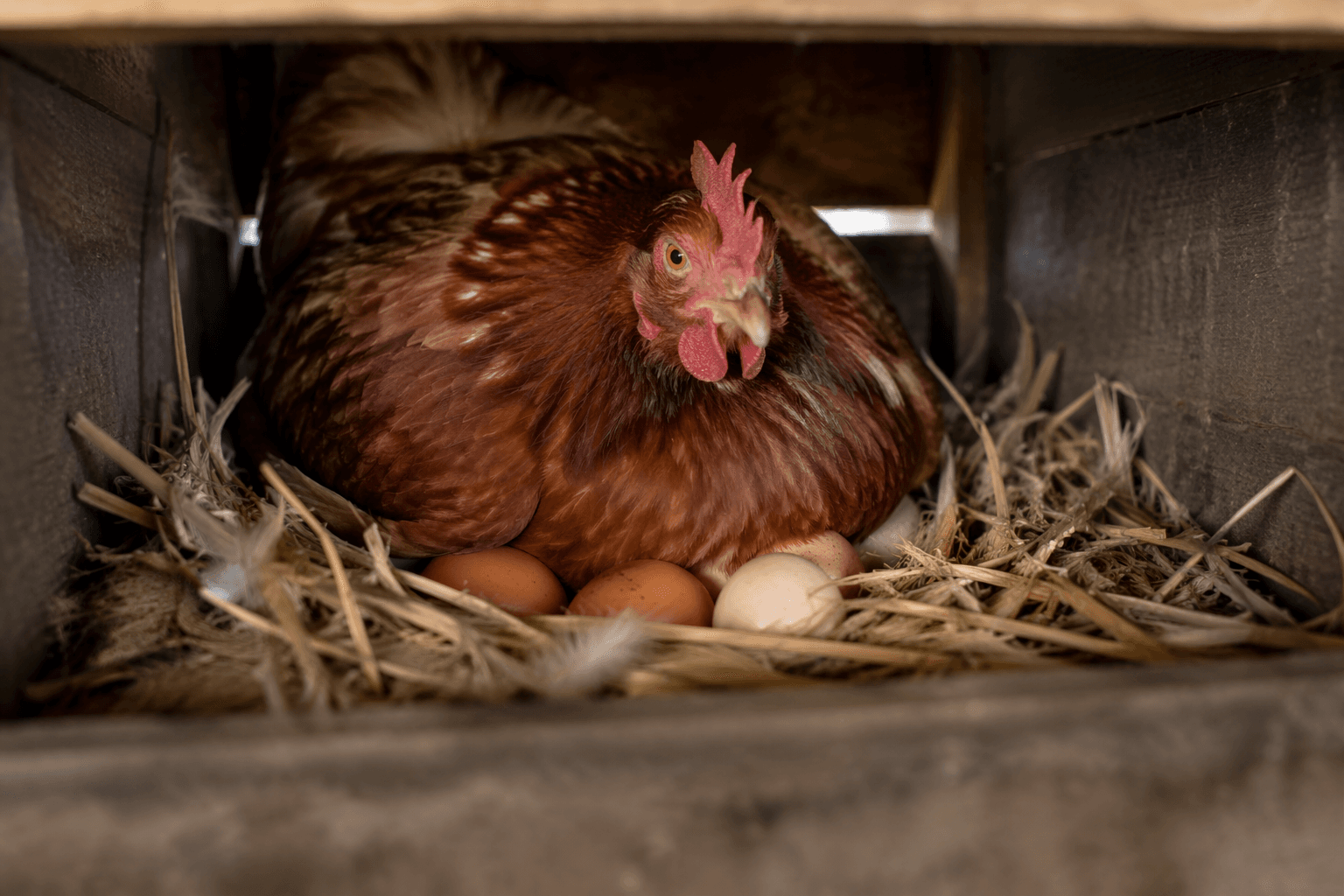
How to handle backyard eggs safely, according to Penn State and USDA
Home eggs are only as safe as the way you collect, wash, chill, and store them, and the bloom is doing more work than many keepers realize.

Cracks, thin spots, stains, and misshaping are warning signs on a backyard egg shell. Even spotless eggs can carry Salmonella Enteritidis, so the routine in your kitchen matters as much as the conditions in your coop.
Start with the shell you can trust
Shell quality is the first line of defense: a good egg should be free of cracks, thin spots, stains, and misshaping. The shell is the barrier that helps keep pathogens out, which is why rough handling can turn a good egg into an easier target.
The natural coating on that shell, called the cuticle or bloom, seals shell pores. Brushing, washing, or banging eggs around can damage that protection. Even unbroken, clean, fresh shell eggs may contain Salmonella Enteritidis. The clean look is not a guarantee, especially when an egg has sat in the nest box, on bedding, or in the dust around the coop.
Wash only when you mean to
For eggs you are keeping for your own household, you do not need to wash them. That is the decision point many backyard keepers miss: if the egg is clean, leaving the bloom intact is the safer move. Washing is not a default step, and it is not the same process used in commercial grading rooms.
If you do wash an egg, agitate, but do not submerge, one egg at a time in water with a food-safe detergent. The water should be at least 20 degrees Fahrenheit warmer than the egg and at least 90 degrees Fahrenheit overall. Cool water is the wrong instinct here, because it can work against the shell instead of protecting it.
That matters in a flock where the day’s collection may include a mix of spotless eggs, a few with bedding dust, and the occasional one with a smear that should be handled more carefully. The practical habit is simple: collect often, sort for shell quality, and wash only the egg that actually needs it.
Refrigeration is not optional once time and temperature start working against you
Eggs should be safely handled, promptly refrigerated, and thoroughly cooked. That advice is not about warehouse-scale food safety alone. It is the daily reality of a countertop basket in a warm kitchen, where the shell and bloom slowly lose ground.
Shell eggs may be refrigerated for three to five weeks from the day they are placed in the refrigerator. Refrigeration slows the natural quality loss that happens as the albumen thins and the air cell grows larger over time.

Commercial eggs are treated differently because the system around them is different. FDA’s Egg Safety Final Rule requires preventive measures during production and refrigeration during storage and transportation, a framework meant to cut down on contaminated eggs moving through the supply chain. The agency estimated that rule would prevent about 79,000 cases of foodborne illness and 30 deaths each year from Salmonella Enteritidis-contaminated eggs.
Know the storage clock for every kind of egg dish
Raw shell eggs and cooked eggs do not share the same timeline. Hard-cooked eggs can be stored in the refrigerator for up to seven days, whether they are left in their shells or peeled. Cooked eggs and dishes containing eggs should go into the refrigerator within two hours and be used within three to four days.
Why backyard eggs still need caution even when the birds look fine
Eggshells can become contaminated with Salmonella and other germs from poultry droppings or the area where they are laid. That is the backyard reality: a nest box, a run, and a hen can all be part of the same contamination chain. Clean feathers and a healthy-looking flock do not erase that risk.
CDC’s 2026 backyard poultry outbreak shows how ordinary the hazard can be. Across 13 states, 34 people got sick, 13 were hospitalized, and no deaths were reported. The agency continues to advise handwashing after handling backyard poultry, their eggs, or anything in their environment, which means the coop routine and the kitchen routine are linked.
If you are collecting eggs by hand, carrying feed buckets, cleaning waterers, and then grabbing eggs for the counter without washing up, you are giving germs an easy path indoors.
Build the day’s routine around lower risk, not rescue work
The easiest system is the one that prevents the egg from getting dirty in the first place. Collect often so eggs are not sitting in nest boxes longer than they need to, keep cracked shells out of the kitchen, and refrigerate promptly once you decide an egg is headed for storage. A peak-production flock may lay more eggs than one family can use.
This article was produced by Prism’s automated news system from verified source data, official records, and press releases, then run through automated quality and moderation checks before publishing. The system is built and supervised by the people who set the standards it runs under. Read our full AI policy.
Did this article answer your question?