How to keep backyard chicken eggs safe from Salmonella
Backyard eggs can be safe, but only if you collect fast, refrigerate at 40°F, and cook them thoroughly. Salmonella can live on shells or inside eggs before laying.
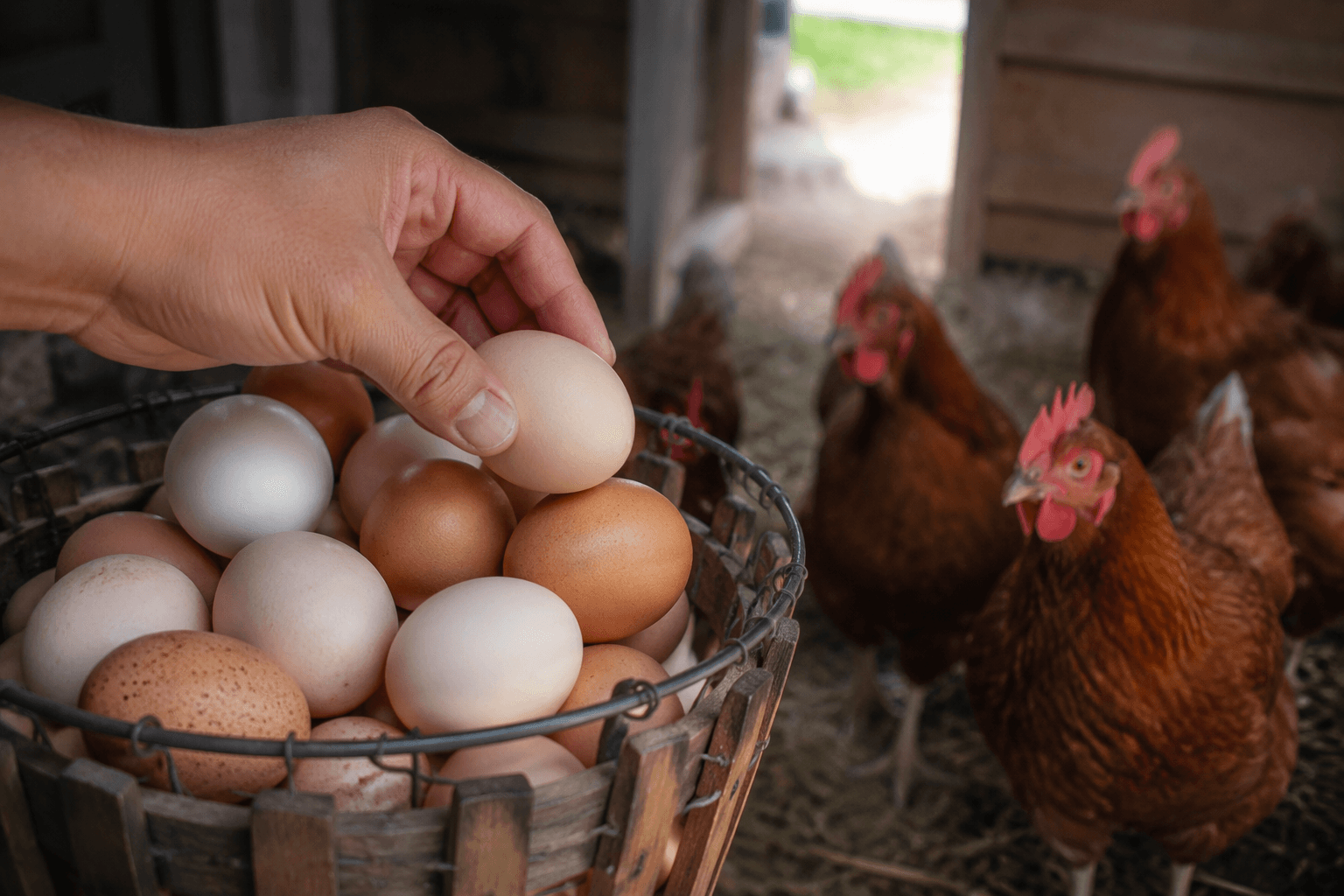
Backyard poultry can carry Salmonella even when the birds look healthy. The Centers for Disease Control and Prevention warns that people can get sick through contact with birds, the coop environment, or the eggs themselves. Backyard flocks have spread in urban and suburban neighborhoods, where one missed step with a nesting box or kitchen counter can turn a fresh egg into a food-safety problem.
Start with the nest, not the kitchen
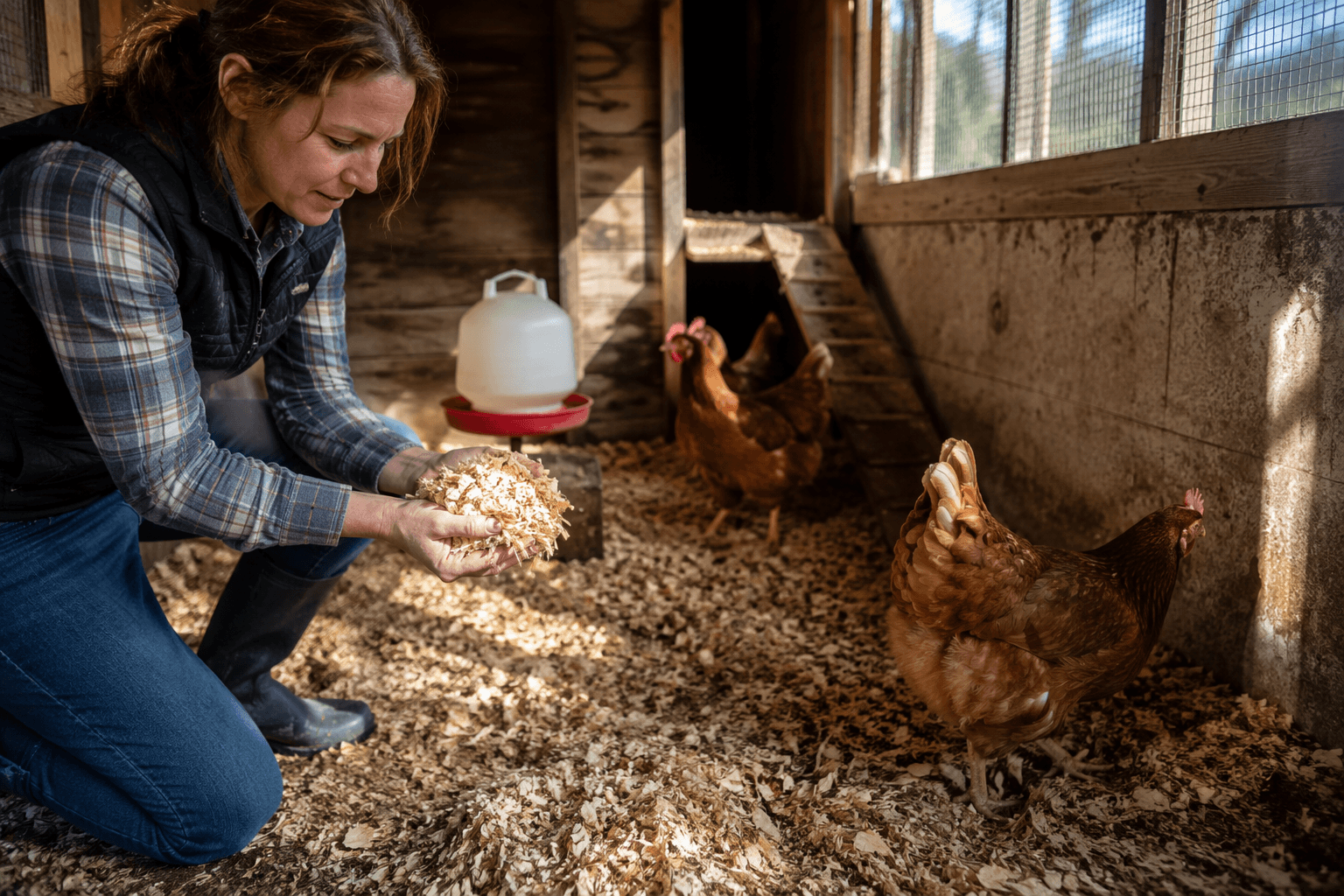
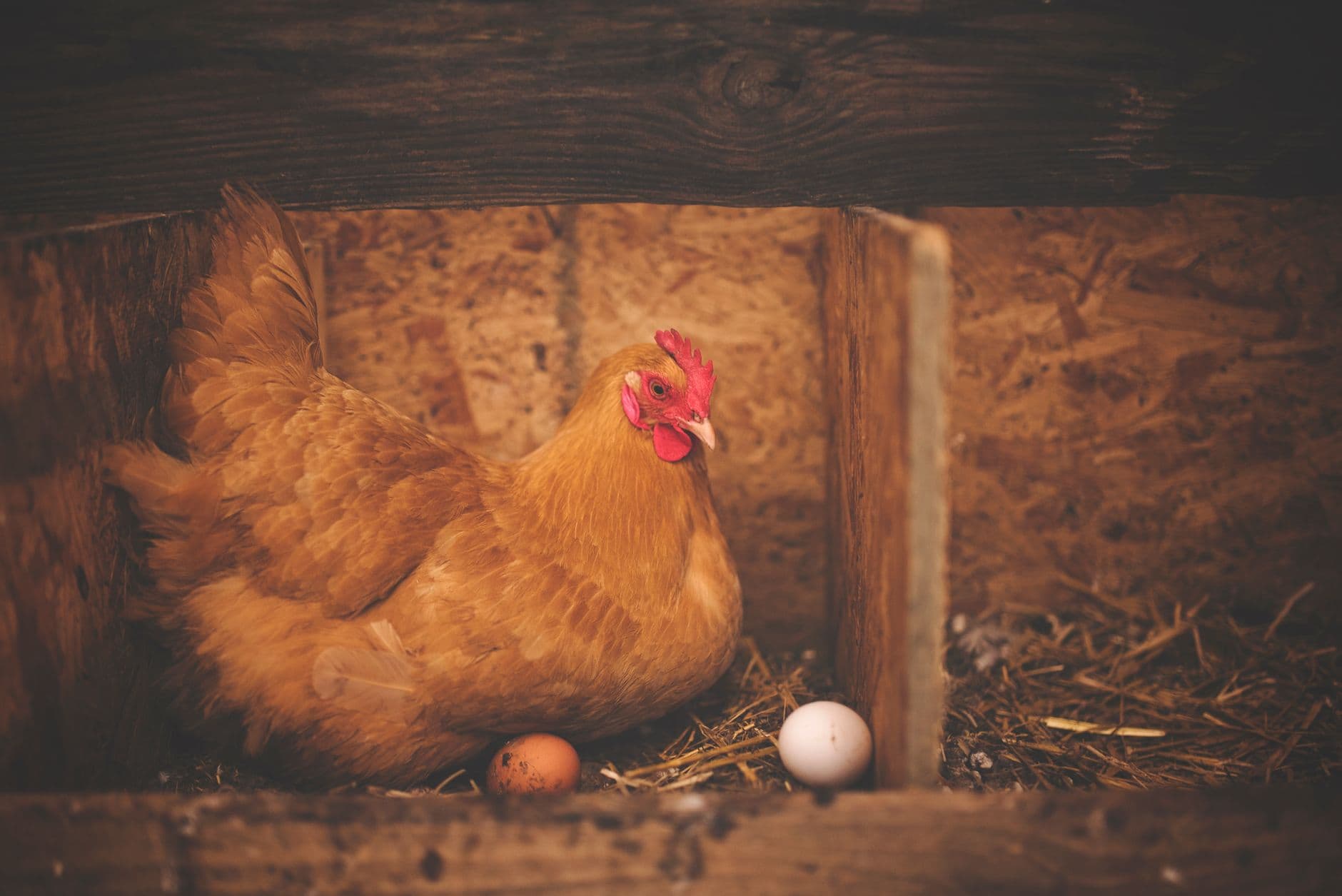
The safest egg is the one that never sat long in a warm, dirty box. Clean, dry nesting boxes help keep eggs cleaner and reduce contamination risk, and frequent collection lowers the chance that shells get smeared with manure or mud. If you are finding dirty eggs regularly, that is not just a cosmetic issue. It usually means the nesting area needs attention, because the problem is often the box, the bedding, or the collection schedule rather than the egg itself.
Do not leave eggs behind “for later” if you can help it. Collect often, especially in hot weather or when hens are laying in a box that is already showing signs of moisture, droppings, or broken shells. Frequent collection also helps reduce breakage and keeps one cracked egg from contaminating the rest of the nest.
What to do when the egg is dirty, cracked, or both
A clean shell is the goal, but real backyard eggs do not always come in perfect. Penn State warns that eggs from small flocks can be contaminated with Salmonella enteritidis, and that poultry can carry Salmonella without outward symptoms. That makes the shell condition worth taking seriously. A heavily soiled egg is not just dirty on the outside; it is a warning that germs may have a better path through pores and cracks.
Cracked eggs should be set aside and used first, or discarded if the damage is significant. The Food and Drug Administration recommends discarding cracked eggs, and that is the safest rule to follow when the shell is compromised. If an egg is heavily soiled, the better move is often to treat it as higher risk rather than trying to salvage it for long storage. A broken or badly fouled shell leaves less protection against contamination.
Should you wash backyard eggs?
Washing removes the natural protective bloom, which helps slow moisture loss and offers a small layer of defense on the shell. Once that bloom is gone, the egg needs refrigeration. That is why washed eggs should never be left sitting out as if nothing changed.
If the egg is lightly dusty and your local practice allows unwashed eggs to be held at room temperature for a short time, the shell is still best left intact until you are ready to use it. If you do wash, wash with the understanding that you have changed the egg’s storage needs. The moment you remove that bloom, the egg belongs in the refrigerator.
The simplest storage rule: 40°F or colder
The USDA Food Safety and Inspection Service and the FDA set the benchmark for shell eggs at 40°F or colder. Store them in a clean carton in the refrigerator, not on the counter, especially in warm weather or if they were collected at different times and spent part of the day in the coop.
For backyard eggs, refrigeration matters even more because collection is rarely as uniform as it is in a commercial system. One egg may come out of a cool box at dawn, another after the sun has warmed the coop, and another after sitting through a humid afternoon. The safest habit is simple: once eggs are washed, once they are cracked, or once you plan to store them, get them to 40°F or colder without delay.
When is an egg safe to eat after handling it this way?
Use this as the practical backyard test:
1. Found clean, intact, and recently laid: bring it inside promptly and refrigerate it at 40°F or colder.
2. Found dirty but uncracked: treat the shell as a contamination risk, clean only if your method preserves safe handling, and refrigerate right away.
3. Found cracked: use it first if you can cook it thoroughly, or discard it if the damage is serious.
4. Washed it: it must be refrigerated, because the bloom is gone.
5. Left it warm for too long: do not assume the shell protected it. Once an egg has spent time in a hot coop, the safest answer is to move it into cold storage immediately and use it promptly.
Finish with the pan, not just the fridge
Storage is not the last checkpoint. Eggs and egg dishes should be cooked thoroughly, especially for children, older adults, pregnant people, and anyone with a weakened immune system. A practical target for egg dishes is 160°F to 165°F, depending on the preparation. That means soft scrambled eggs, runny centers, and undercooked casseroles are the weak link if you are trying to minimize Salmonella risk.
The CDC issued outbreak notices in 2020, 2021, and May 2024 involving backyard poultry exposure.
This article was produced by Prism’s automated news system from verified source data, official records, and press releases, then run through automated quality and moderation checks before publishing. The system is built and supervised by the people who set the standards it runs under. Read our full AI policy.
Did this article answer your question?