How to plan a backyard chicken coop for comfort and easy care
The smartest coop is the one that stays dry, airy, and easy to work in. Good layout saves time, protects birds, and keeps small-flock mistakes from becoming daily chores.

A backyard coop should do more than look neat on a property line. The best designs make hens easier to care for, keep the flock comfortable, and fit the realities of your yard, your neighbors, and your local rules. That means thinking about access, airflow, weather protection, and cleanup before you pick a style or start building.
Start with the property, not the lumber
Before you decide between a fixed coop and something portable, look at the ground it will sit on and the people around it. The first questions are practical ones: how close are your neighbors, do local ordinances set minimum setbacks, and will the structure stay in one place or move with a pasture system? A coop also needs to fit the way you actually work, with easy access for gathering eggs, cleaning, disinfecting, watering, and catching birds without turning every chore into a wrestling match.
That early planning matters because a charming coop can still be a bad coop if it is hard to enter, awkward to hose down, or impossible to expand later. Backyard flocks often start small and grow after a successful season, so it pays to ask whether there is room to grow and whether the building could serve another purpose someday if poultry keeping changes. A well-planned house should lower friction, not create it.
Size the house for birds and for the flock you plan to keep
Space is not just a comfort issue, it is a behavior issue. Extension guidance says a coop should provide adequate space, and the minimum space per bird depends on species, breed, age, and whether birds have outdoor access. If the flock is crowded, behavioral problems such as pecking and cannibalism can follow, so the right-sized coop is one of the simplest ways to prevent trouble before it starts.
The key tradeoff is straightforward: the house needs enough room for circulation, but not so much empty volume that it turns cold and drafty in winter. If your birds can use an outdoor run year-round, the indoor requirement can be lower; if climate or weather keeps them inside more often, the coop has to carry more of the load. That is why “small” does not mean cramped, and “big” does not always mean better.
Ventilation should move air without turning into a draft
Good housing has to breathe. Proper ventilation removes carbon dioxide, moisture, dust, and odors while maintaining adequate oxygen levels, and it becomes especially important in summer when heat builds quickly inside a closed house. At the same time, the coop still needs to stay dry and draft-free, which is why a simple building with windows or doors that can be opened when needed is often enough for a small flock.
This is where many beginners get tripped up: airflow is not the same thing as a cold breeze on the roost. The house should be large enough to allow proper air circulation but small enough to avoid becoming too cold and drafty in winter. In colder regions, placement also matters, and reducing exposure to north wind can help the coop work with the weather instead of against it.

Design the coop around the chores you repeat every day
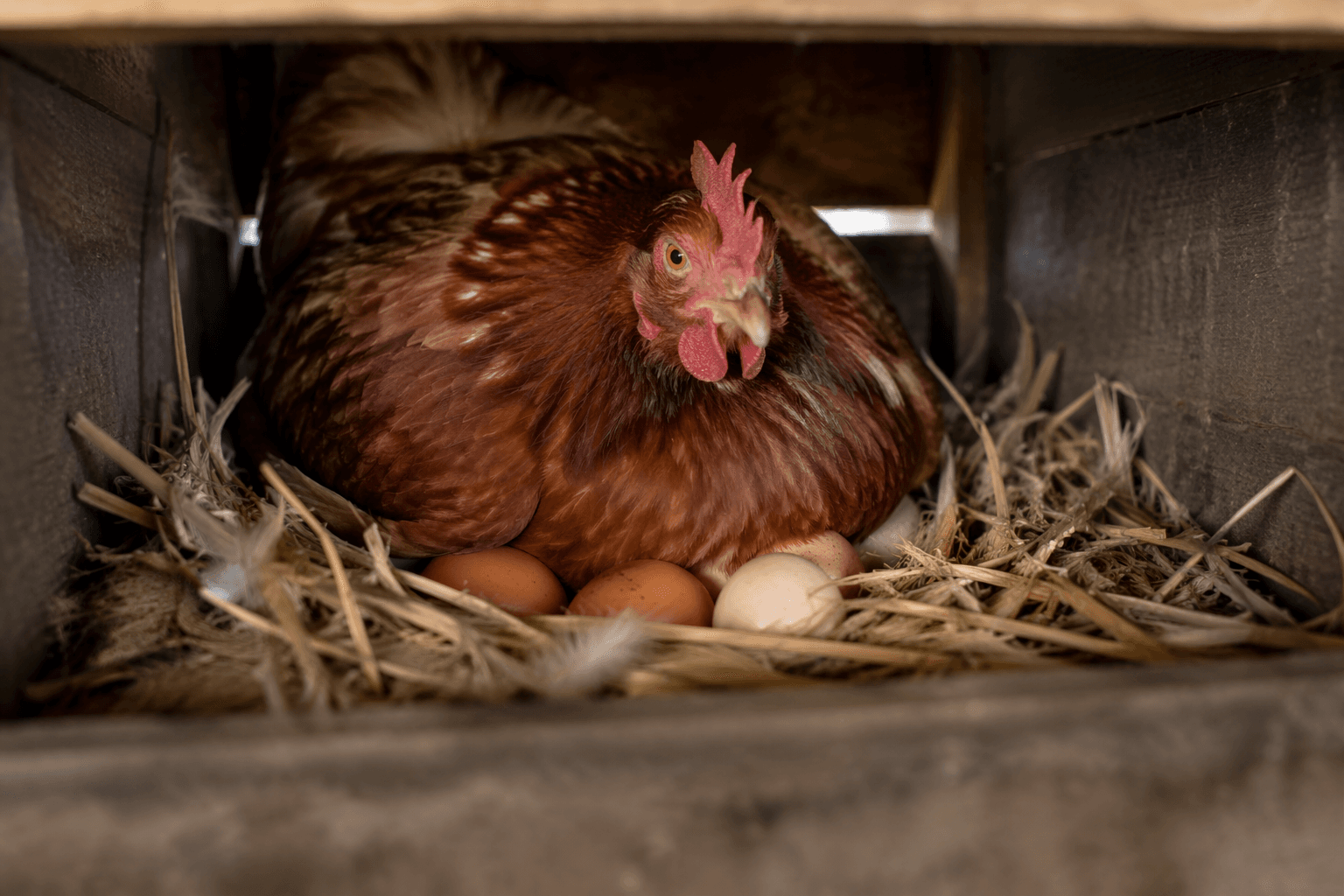
A coop should be convenient to live with, not just pleasant to photograph. The design should allow easy access to nests, perches, feeders, and waterers, while also making cleaning and disinfecting straightforward. Good access to electrical components matters too, along with a layout that lets you catch birds without contorting yourself through narrow doors or low openings.
Think about the small frustrations that add up over a season. If you cannot quickly gather eggs, scrub surfaces, or reach waterers without climbing over hardware, the coop will feel bigger than it is in all the wrong ways. Easy cleanout is not a luxury feature for a small flock, it is part of keeping sanitation manageable and the routine from becoming the reason chores get skipped.
Build for weather and predators, not just looks
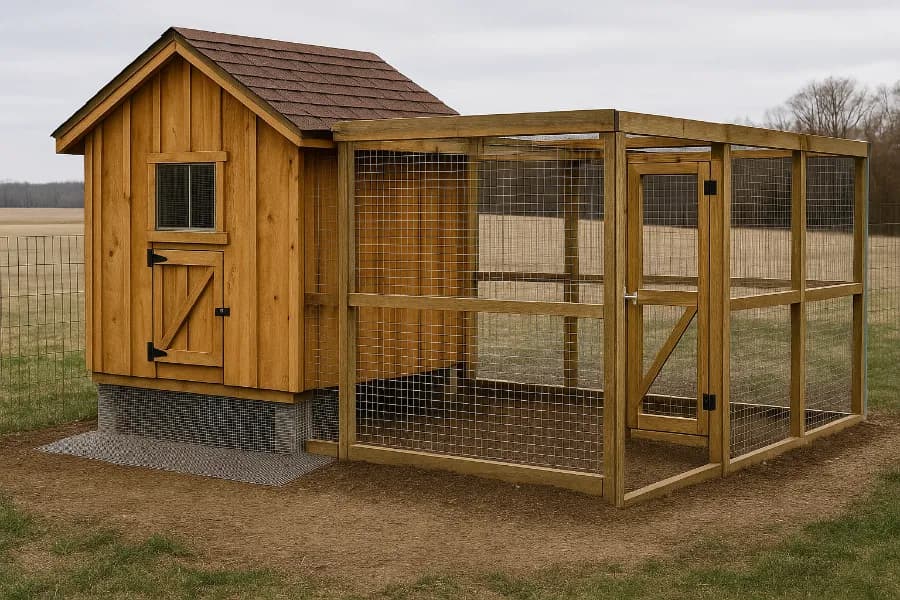
A coop has to protect the flock from rain, snow, hot or cold temperatures, and other weather conditions. Guidance for small poultry housing says the building should be dry and draft-free, and that a well-constructed house may not need insulation except in the most extreme cold, especially when birds stay dry and out of the wind. In other words, weather suitability is about matching the structure to your climate, not adding features just because they sound impressive.
Predator resistance belongs in the same conversation. Extension material on predator management stresses that the best long-term solution is preventing predators from getting to the flock in the first place, because urban and suburban birds can face dogs, coyotes, raccoons, foxes, hawks, owls, and more. A coop that looks fine from the street is not enough if it leaves openings, weak doors, or other easy access points for wildlife.
Plan for change before the flock grows
A smart coop is built with the future in mind. If the design can be repurposed later, that flexibility protects your investment, and if there is room to expand, you are less likely to outgrow the setup after the first good laying season. That kind of planning is especially useful in backyard flocks, where a keeper may start with a few hens and then decide the hobby deserves a bigger footprint.
The best coop plans make the same promise in every season: the birds stay comfortable, the house stays dry, and the human side of the work stays manageable. If the structure handles ventilation without drafts, gives each bird enough space, resists predators, and stays easy to clean, it will keep doing its job long after the first batch of eggs makes the whole project feel worthwhile.
This article was produced by Prism’s automated news system from verified source data, official records, and press releases, then run through automated quality and moderation checks before publishing. The system is built and supervised by the people who set the standards it runs under. Read our full AI policy.
Did this article answer your question?