How to stop chickens from eating eggs before the habit spreads
Egg eating spreads fast once a broken shell teaches one hen the trick. Catch the trigger early, collect more often, and fix the nest box before the whole flock copies it.
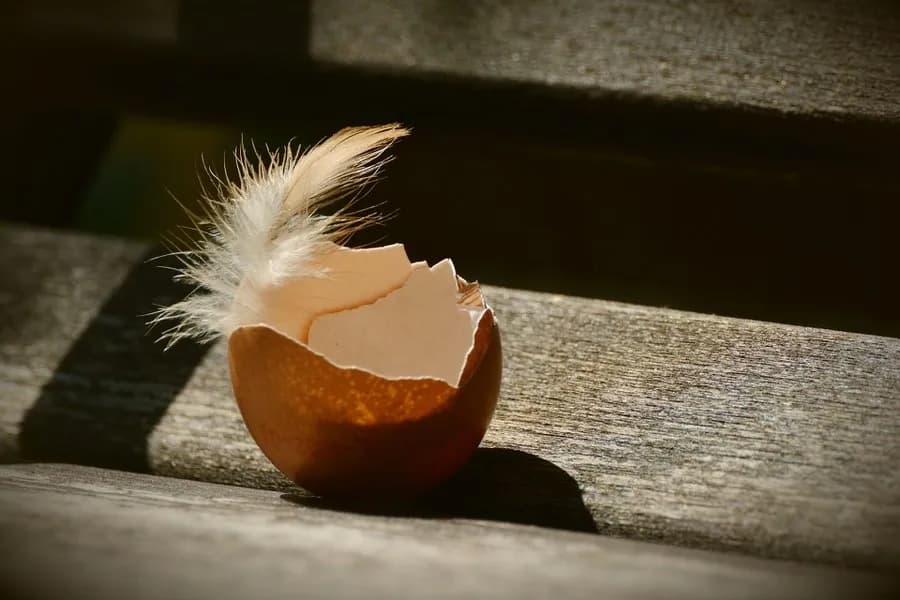
A shell cracks in the nest box, a curious hen pecks at it, and the next thing you know she has learned that eggs are food. Penn State Extension and eXtension’s University of Kentucky material both warn that once a hen gets a taste of a broken egg, the behavior can become self-reinforcing, and other birds may copy it before you realize what started it.
Why the habit spreads so quickly
Egg eating usually begins with an accident, not a plot. Egg eating is easier to prevent than to stop, which is exactly why the first broken egg deserves immediate attention rather than a wait-and-see approach.
Chickens watch one another closely, so a single bird that starts investigating eggs can teach the rest of the coop that a soft shell is worth testing. Once that pattern is in place, punishment alone is rarely enough, because the birds are responding to an easy reward in the nest box.
Start with the fastest fix: take away broken eggs
If you want the biggest payoff the same day, begin with collection timing. The simplest way to prevent egg eating is to gather eggs several times throughout the day, especially during the morning hours when most laying happens. The less time eggs sit in a nest box, the less chance there is for a crack, a peck, or a lesson that spreads.
Check nests often enough that a hen does not have a long window to bump, step on, or peck an egg. If you find even one broken egg, clean out the mess immediately so the remaining birds are not left with a sticky invitation. The goal is simple: reduce the number of broken eggs available to the flock, because every broken shell is one more chance for the habit to take hold.
Strengthen shells before they crack
Thin or fragile shells can start the whole chain reaction, so nutrition is not a side issue here. Penn State Extension includes nutrition among the key prevention measures, and that fits the practical reality of the coop: weak shells break more easily, and broken eggs are what teach hens to peck.
Calcium and protein are the main places to look first. If shells are soft, rough, or easy to crush, it is worth reviewing the ration, supplemental calcium access, and whether the birds are actually eating enough of a balanced layer feed. A hen may peck at a broken egg while trying to satisfy a calcium or vitamin D deficiency, or simply from curiosity, so shell strength and flock nutrition both belong in the same fix-it plan.
Rework the nest box so eggs stay protected
Nest-box setup is where a lot of egg eating gets prevented before it starts. Dark, private nesting boxes with curtains or flaps can discourage pecking by making the nest less exposed and less inviting for casual inspection. The point is to give hens a quiet place to lay, not a bright open shelf where eggs get tossed around.
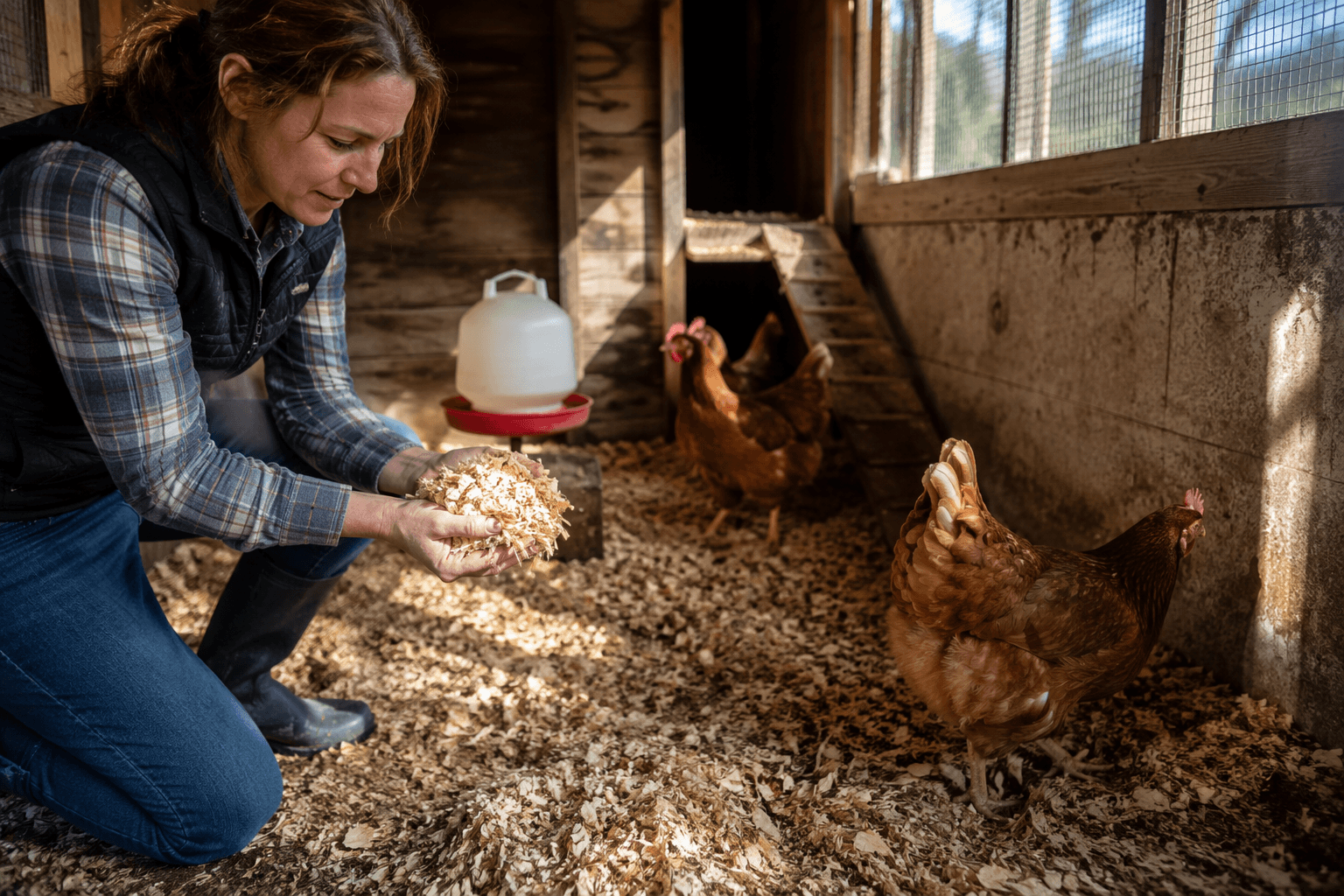
Size matters too. Penn State Extension supports 12-by-12-inch nest box dimensions as a solid starting point for most laying breeds, and that matters because cramped boxes lead to jostling and breakage. Deep bedding, such as straw or shavings, helps cushion eggs and reduce damage when a hen shifts position or another bird crowds the entrance.
If breakage keeps happening, a sloped floor or a roll-away nest box can be a strong management upgrade. Both designs move eggs away from the bird as soon as they are laid, which cuts off access before a curious hen can peck at them. In a flock where one cracked shell has already created a problem, that quick removal can make the difference between one incident and a habit.
Watch for boredom and crowding
Egg eating is not always a feed issue. Bored birds and crowded birds are more likely to investigate whatever is in front of them, and a nest box gives them an easy target if they are under-stimulated or competing for space. When hens do not have enough room to move comfortably, they step on eggs more often and are more likely to start pecking at anything that looks interesting.
Make sure the birds have enough nest space for the size of the group, enough bedding to keep eggs from rolling and breaking, and enough daily activity that the nest box is not the only point of interest. If the coop is tight or the run is bare, the pressure shows up in places like the laying boxes first.
What to do with a chronic egg-eater
When one hen keeps returning to eggs, isolated correction can be frustrating because the behavior may already be learned. Temporary separation may help interrupt the pattern while you tighten up nutrition and nest-box management, but it only works if the underlying trigger is fixed at the same time. Otherwise the bird often returns to the same broken-egg opportunity and starts again.
For severe cases, some keepers remove the persistent egg-eater from the flock. That is not the first move, but it is part of the practical reality of managing a behavior that can spread from one bird to many. The earlier you intervene, the less likely you are to need that step.
This article was produced by Prism’s automated news system from verified source data, official records, and press releases, then run through automated quality and moderation checks before publishing. The system is built and supervised by the people who set the standards it runs under. Read our full AI policy.
Did this article answer your question?