JD Vance installs chicken coop with dozen chicks at Naval Observatory
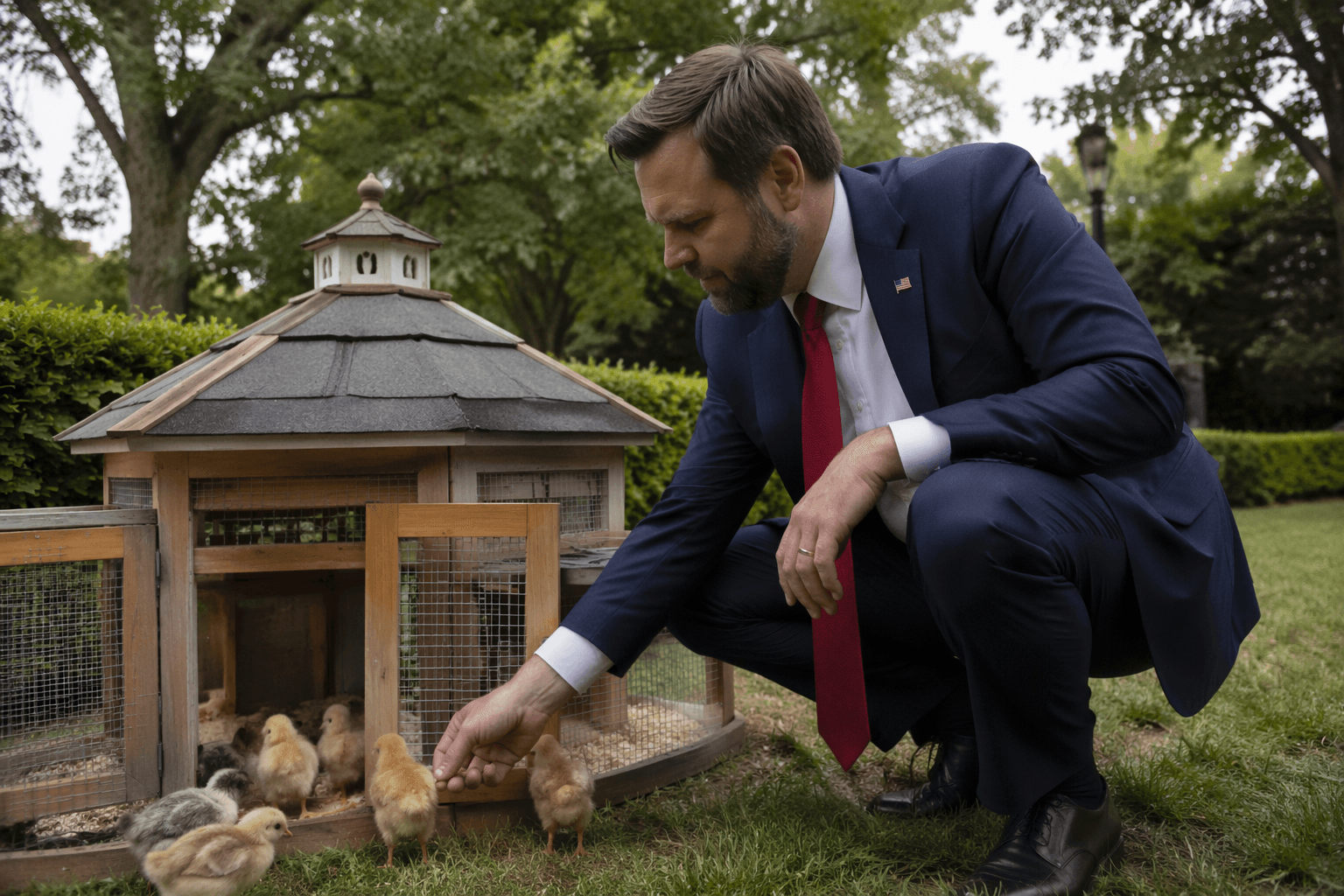
JD Vance’s new coop at the Naval Observatory arrived with 12 chicks, a turret and faux slate roof, turning a vice-presidential lawn into a backyard-chicken talking point.

A round turret and faux slate roof now sit beside a dozen chicks at the U.S. Naval Observatory, where JD Vance and Usha Vance have put a custom coop into service on the 72-acre grounds. The coop was completed May 29, donated by Carolina Coops of North Carolina, and built without taxpayer money.
The setup was unveiled at a family event that brought local 4-H students in to teach children about the newly installed chicks, a small but telling sign of how far chicken keeping has moved into the mainstream. The vice-presidential residence has been home to such additions before. Joe Biden added a heritage garden, Karen Pence brought in beehives, Kamala Harris added pink wallpaper in the library, and Dan Quayle installed a heated swimming pool in 1991.
For backyard keepers, the details matter more than the optics. The Naval Observatory’s broad grounds can absorb a coop that would look very different on an ordinary city lot, where space, neighbor complaints and local ordinances still shape what is possible. AP has reported that some cities limit or ban backyard chickens because of noise, odor, predator protection and disease concerns, and Philadelphia’s ordinance limits chicken raising to properties of at least three acres. The public image of a polished coop does not change the basics: secure housing, daily care and enough room to keep birds healthy.
Vance’s interest in eggs also fits his political message. During the 2024 campaign, he repeatedly pointed to egg prices as a symbol of inflation, and he joked that his two sons eat about 14 eggs every morning. That message lands in a market that has stayed volatile. USDA’s Egg Markets Overview on June 12, 2026, reported national wholesale conventional caged egg prices at 24 cents per dozen, with average retail ad prices at $1.43 per dozen for conventional caged eggs and $1.92 per dozen for cage-free eggs.
The larger trend is already well established. A 2025 American Pet Products Association survey found 11 million U.S. households had backyard chickens, showing how quickly the hobby has moved from niche to normal. Even so, AP has noted that as more people keep chickens and ducks, more families come into contact with Salmonella risks, which keeps biosecurity part of the conversation no matter how decorative the coop looks.
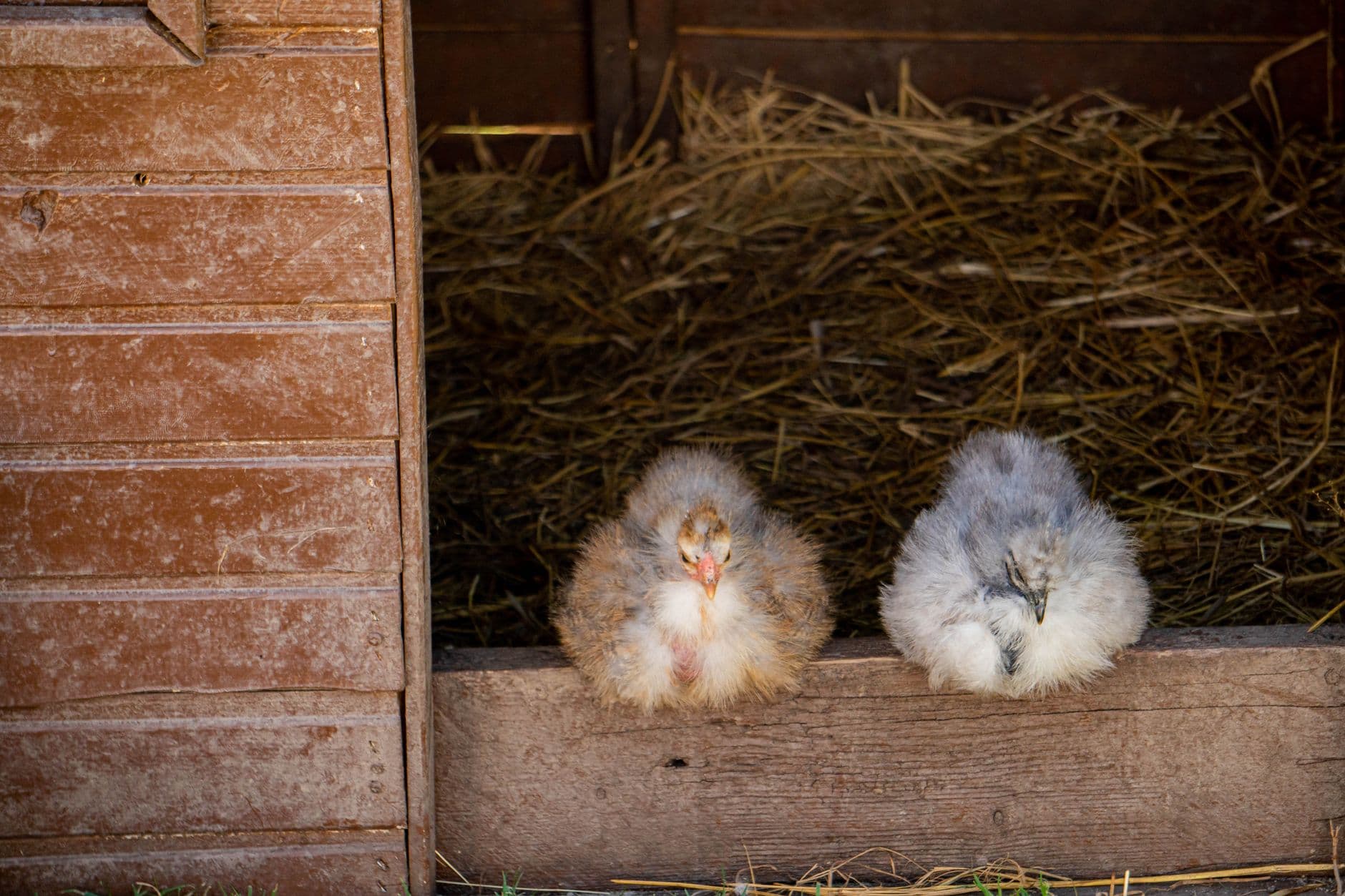
At the Naval Observatory, the new flock may be wrapped in vice-presidential polish, but the real story is the same one backyard keepers already know: a coop is only the starting point, and the birds still have to be raised.
This article was produced by Prism’s automated news system from verified source data, official records, and press releases, then run through automated quality and moderation checks before publishing. The system is built and supervised by the people who set the standards it runs under. Read our full AI policy.
Know something we missed? Have a correction or additional information?
Submit a Tip