JD Vance's chicken coop spotlights backyard hens and food independence
JD Vance’s coop turns a political curiosity into a reality check: backyard hens can mean fresh eggs, but the costs, predators and chores are real.
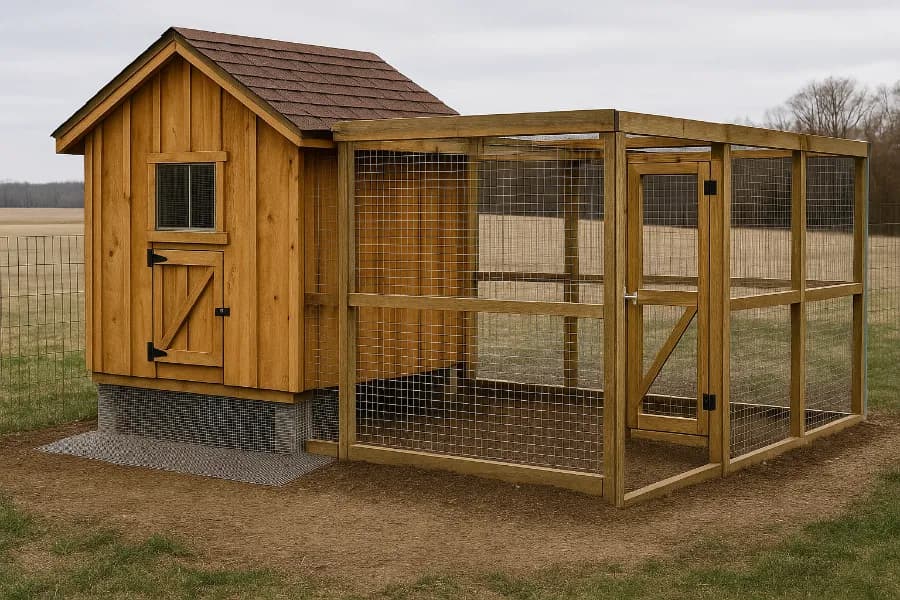
A new chicken coop behind the vice president’s residence makes backyard hens feel a lot more mainstream, but it also puts the real question on the table: does a flock actually fit your yard, budget, and daily routine? JD Vance’s family is now caring for about a dozen baby chicks in a custom coop at the U.S. Naval Observatory, built by Carolina Coops at no cost to taxpayers, and the story lands in a country where roughly 11 million households keep backyard chickens.
Why backyard hens keep winning people over
The appeal is easy to understand once you look past the novelty. In a 2014 survey of 1,487 backyard chicken owners, 95% said they kept chickens for home food use, 63% called them gardening partners, and 57% treated them as pets. Most flocks were small and manageable on paper, with 71% of owners keeping fewer than 10 birds and 70% having raised chickens for less than five years.
That combination of eggs, garden help, and family-friendly companionship explains why backyard chickens have become so normalized. They are no longer just a homestead signal; they are part of a broader domestic food culture that sits between hobby keeping and household self-reliance. The attraction is not chicken trivia, it is the promise of bringing a little more food production home.
The backyard chicken surge is not happening in a vacuum
The market backdrop matters. APPA-based reporting puts the number of U.S. households with backyard chickens at 11 million, up 28% from 2023 and nearly double the 5.8 million households recorded in 2018. Egg prices and bird flu helped push that surge, and a congressional briefing said the national average retail price hit $5.90 per dozen in February 2025, with some consumers even renting backyard flocks to cope.
USDA’s June 2026 outlook adds another layer: table-egg production is projected to rise in 2026 and 2027, but projected egg prices in the second quarter of 2026 were adjusted slightly higher on recent price trends. In other words, the commercial market may improve, but the chicken-coop conversation is still being driven by the same pressure points that sent more families shopping for chicks in the first place.
Start with the money, not the romance
The first reality check is financial. Extension budgeting guides treat the coop, feeders, waterers, and birds as fixed startup costs, while feed is an ongoing variable expense, and Colorado State Extension says the initial investment can run from hundreds to thousands of dollars. That is why the true cost of a flock is usually front-loaded: once the coop is built, you still have bedding, feed, replacements, and the slow drip of upkeep to count.
That budgeting lens matters because a flock is not just a one-time purchase. Oklahoma State’s budgeting guidance is built around the idea that you need to know your costs before you can know whether eggs are actually saving you money, and the numbers change quickly if you build a nicer coop, buy pricier feed, or keep birds long enough for the fixed costs to settle in.
Egg output is real, but it is not unlimited
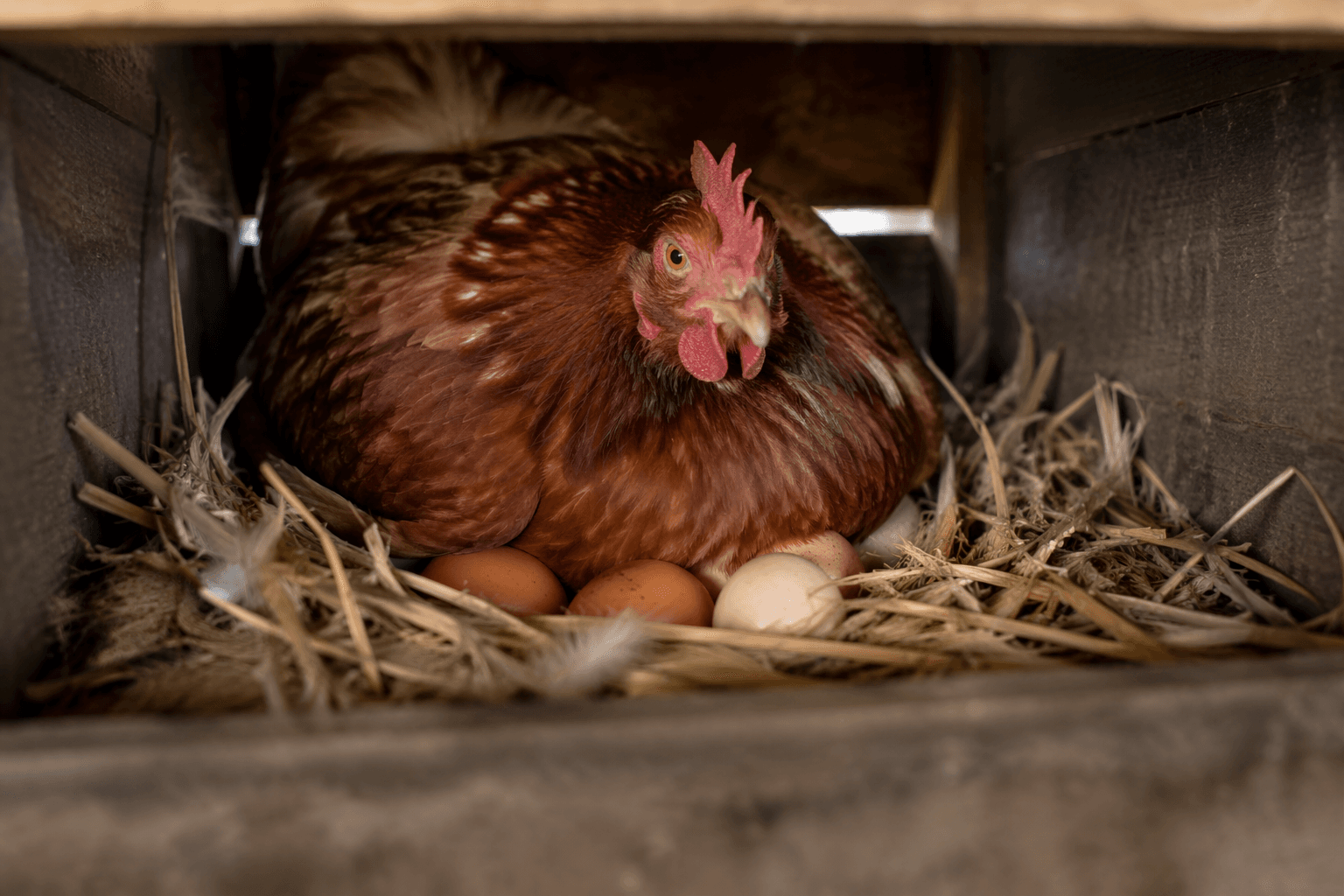
A productive hen can lay a lot, but not forever. University of Florida Extension says a small backyard flock should produce about 200 to 240 eggs per hen a year, while breed-focused layers such as White Leghorns can reach 280 to 300 eggs annually. Those numbers still move around with age, daylight, and molt, so the first wave of eggs is not the same thing as a permanent supply line.
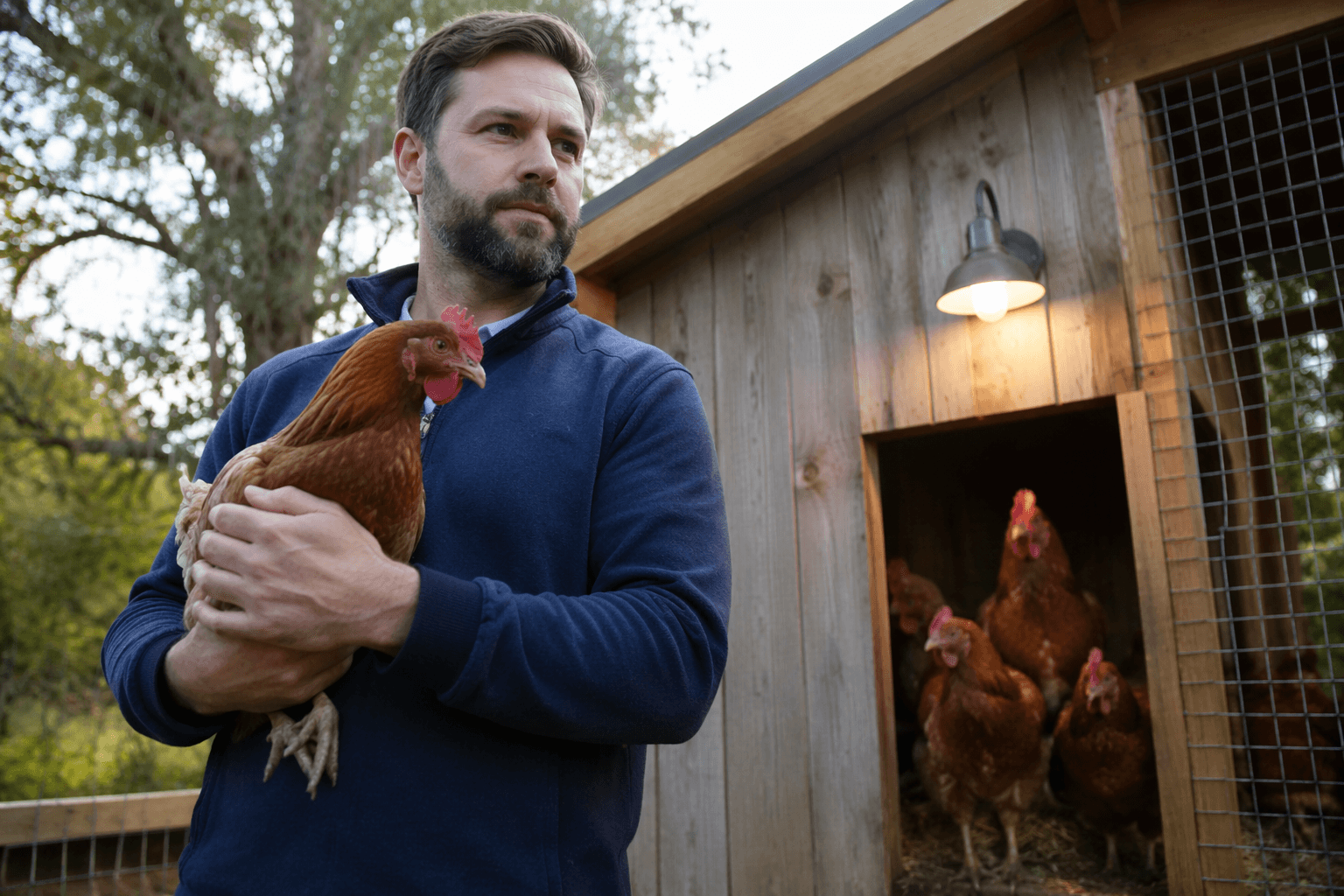
That is the piece many first-time keepers miss. Hens begin laying around six months old, peak early, and then taper as they age, which means a coop can reduce store runs but will not make your household immune to seasonal swings or hen downtime. If you want reliable output, you need to plan for the laying cycle, not just the excitement of chicks.
Daily care is the real job
Backyard chickens are manageable, but they are not low-maintenance. Cornell Extension says you need fresh food and water every day, egg collection every day, and a clean, dry shelter, while Texas A&M Extension adds that good coop maintenance means replacing bedding weekly and refreshing feed and water while keeping the space dry. That is the routine that keeps the flock healthy and keeps chores from snowballing.
Health risk belongs in the same conversation. The CDC says backyard poultry can carry Salmonella, Campylobacter, E. coli, histoplasmosis, and bird flu, and that young children, older adults, and immunocompromised people are more likely to get sick from those germs. The agency also warns that backyard flocks can be exposed to wild birds carrying bird flu, so the safety side of chicken keeping starts with handwashing, dedicated coop shoes, and keeping birds and supplies out of the house.
Predators, zoning, and the coop itself
The survey data makes clear where flocks run into trouble. Predation was the most cited challenge at 49%, followed by low-cost feed at 28%, soil management at 25%, and zoning rules at 23%. That mix tells you a lot about what backyard chicken keeping really demands: secure housing, a tolerable feed bill, a yard that can handle manure and traffic, and a local code that lets you keep the birds in the first place.
A good coop is built around those problems. Oregon State Extension says it should close birds in at night, use secure flooring or buried fencing, add top protection on the run, and provide ventilation without drafts, while University of Florida Extension notes that many communities limit the number of birds, require setbacks, restrict roosters, and prohibit roaming poultry. If you want a flock that lasts, the coop has to be sized and secured for the birds you actually plan to keep, not the birds you picture on day one.
Why the symbol keeps coming back
There is history behind the current boom. UC Davis researchers noted that backyard chickens have long reappeared during hard times, including the Depression and wartime rationing, and that modern ordinances often lag on vaccinations, manure management, routine veterinary care, and animal welfare. That is why a polished coop in Washington reads as more than a photo op: it reflects a very old American habit, but one that still lives or dies on the same practical questions.
So the Vance coop works as a symbol because it points to something real. A dozen chicks behind a historic residence can look like food independence from a distance, but the closer view is more useful: enough space per bird, solid predator protection, daily chores, and a neighborhood that allows the project to keep going. That is the difference between a decorative coop and a flock that actually earns its feed.
This article was produced by Prism’s automated news system from verified source data, official records, and press releases, then run through automated quality and moderation checks before publishing. The system is built and supervised by the people who set the standards it runs under. Read our full AI policy.
Did this article answer your question?