Maryland avian flu persists, backyard flocks face highest risk
Dead black vultures near Conowingo Dam closed trails and tested positive, a sign Maryland’s bird flu pressure is still hitting backyard coops closest to wild birds.

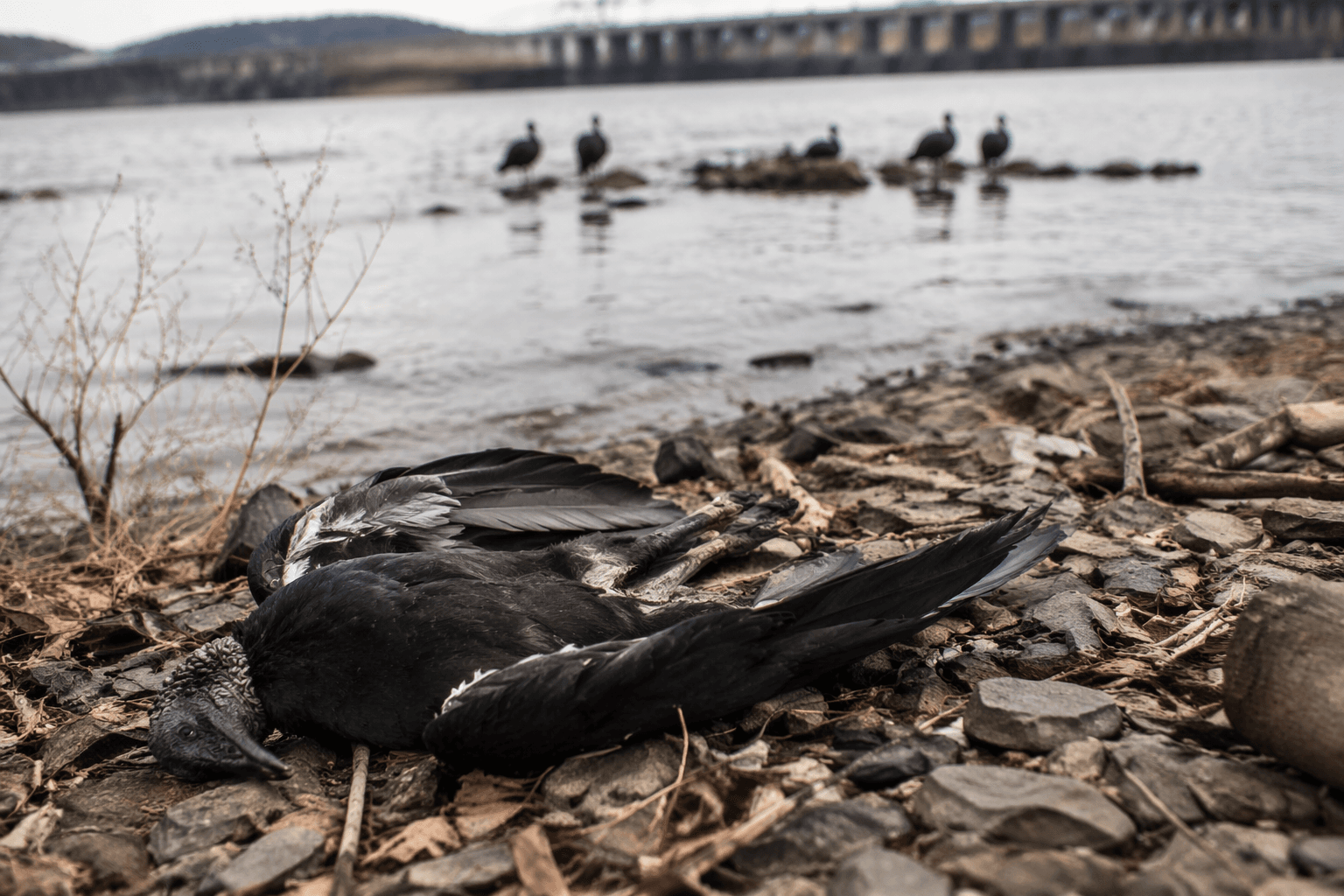
Dead black vultures near Fisherman’s Park at Conowingo Dam forced temporary closures of the Wildflower and Mason Dixon trails in May, and the birds later tested positive for avian influenza. That was the latest reminder that Maryland’s bird flu pressure is not a one-off flare-up but a lingering problem that has moved through wildlife, commercial farms and backyard coops across the state.
State and federal agencies have kept the response focused on containment and biosecurity because the virus has persisted for years and turned up in multiple counties and multiple bird species, including vultures, owls, hawks and geese. The Maryland Zoo has also kept extra precautions in place to protect its collection birds, reflecting a broader reality: millions of wild birds can carry the strain, and waterfowl, raptors and black vultures remain part of Maryland’s risk picture.
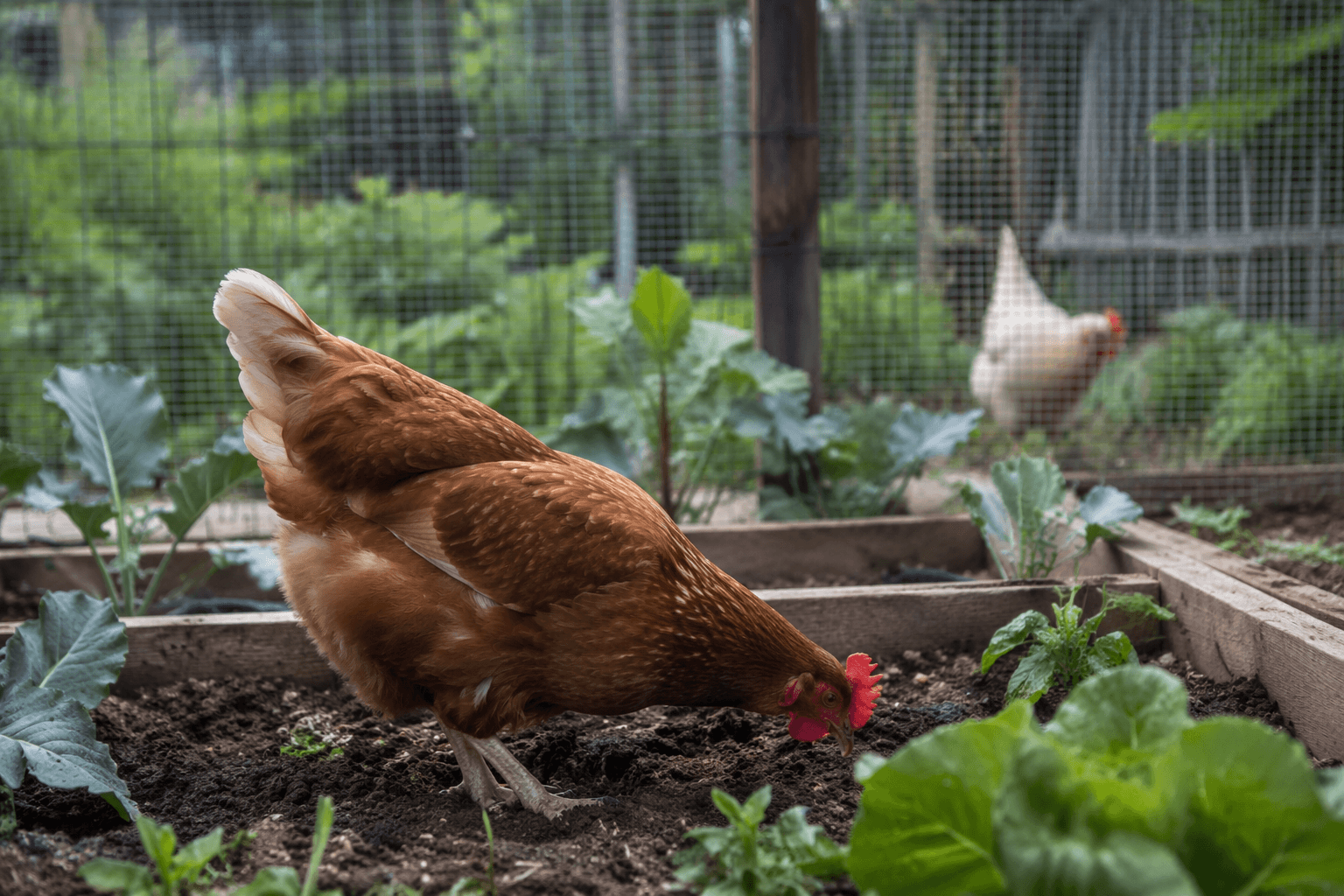
For backyard keepers, the message was blunt. Poultry farms, whether commercial or backyard flocks, are at the highest risk. Maryland Department of Agriculture guidance in the story pushed the basics that matter most in a small flock setting: keep strangers and unnecessary traffic away from birds, set up boot-washing or disinfectant stations, and lock down feed so wild birds, rodents and other animals cannot reach it. If birds start dying suddenly or showing a sharp rise in sickness, report it instead of waiting it out.
Maryland also requires backyard flocks to be registered with the state, and the registration is meant to help animal health officials identify at-risk animals and premises during diseases such as highly pathogenic avian influenza. The requirement covers chickens, ducks, geese, turkeys, pigeons and doves. Maryland poultry registration materials say that by January 2010, more than 3,400 flocks had already been registered, and state guidance says anyone who wants to keep chickens should first check county zoning rules, then register the flock.
This year’s state updates show why those rules still matter. Maryland reported a presumptive positive H5 avian influenza case in Caroline County on January 29, 2026, then released control areas in Queen Anne’s County on January 7, Caroline County on February 19 and March 19, and Cecil County on April 4. Those moves showed how often officials have had to quarantine and then reopen infected areas as the virus kept resurfacing.
The larger warning has not changed. USDA Animal and Plant Health Inspection Service says wild birds can carry HPAI without looking sick and can move it during migration, while the Centers for Disease Control and Prevention says backyard flocks can be exposed through wild birds and poultry often get very sick or die. The general public risk remains low, but people with direct contact with sick or dead poultry face the highest risk of human infection. Maryland’s backyard coops sit in that same pressure zone, and the black vultures near Conowingo made the point in the most local way possible.
This article was produced by Prism’s automated news system from verified source data, official records, and press releases, then run through automated quality and moderation checks before publishing. The system is built and supervised by the people who set the standards it runs under. Read our full AI policy.
Know something we missed? Have a correction or additional information?
Submit a Tip