Massachusetts backyard chicken rules vary by town, state laws also apply
The first stop is your own town hall: Massachusetts chicken rules are local, and state health, permit, and property restrictions can still decide what you can keep.
In Massachusetts, backyard chickens and poultry are regulated at the city and town level. The real question is not simply whether chickens are allowed. It is which rules control your address, what your town requires, and whether any private covenant or state health rule changes the answer. That means the safest path starts with your own city or town clerk, then moves outward to state poultry guidance, health rules, and any deed or HOA restrictions tied to the property.
Start with your town, not the state
The answer can change from one municipality to the next. The first check is your local bylaws, your town website, and the clerk’s office, where you can confirm whether chickens are permitted and what local rules apply to your address. City and town ordinances and bylaws apply only in the municipality where they are adopted, which is why a neighbor’s setup in the next town over may tell you almost nothing about what you can do at home.
That local-first approach matters even more in Boston, where you need a Use of Premises permit from Inspectional Services if you want to keep live chickens on your property. In practice, that means you may need more than a yes from the zoning code. You may also need a permit, and in some places setbacks, flock limits, or rooster bans can still shape the size and design of your flock.
Check the state rules that still apply
Local control does not erase state-level poultry rules. Massachusetts law, through Massachusetts General Laws chapter 129, section 26B, requires live poultry and hatching eggs moving within the Commonwealth to come from current certified Salmonella pullorum-clean flocks. If you plan to bring birds in from elsewhere in the state, that detail matters before the birds ever reach your run.
The Massachusetts Department of Agricultural Resources offers free pullorum testing, arranged by calling 617-626-1795. Other testing may be available for avian influenza, Mycoplasma gallisepticum, Mycoplasma synoviae, Mycoplasma meleagridis, and Salmonella enteritidis.
People who raise meat and poultry for personal use may slaughter and process those animals without first obtaining a permit from the state or local board of health. That is useful if you keep birds for home use, but the rule changes once you move toward public sales. If you want to sell eggs, check with your local Board of Health first.
Do not skip private restrictions on the deed
Town rules are only part of the picture. Look at private property restrictions, including HOA rules and subdivision covenants, before you invest in birds or a coop. One selected case on the state chicken law page shows why: a buyer wanted to keep chickens, but a covenant in the subdivision blocked that use.
If your property sits in a subdivision or under an HOA, you need to know whether chickens are addressed directly, whether roosters are banned, and whether any covenant treats poultry as a prohibited use even if the town allows them.
Plan for the flock you can actually manage
Backyard poultry is not just a rural issue. In Massachusetts, suburban and urban residents, along with officials, have asked for information about keeping poultry, and the concerns that usually come up first are disease, odors, noise, and trespass. Those are not abstract objections. They affect daily care, where you place the coop, how often you clean, and whether your birds stay contained.
Black bears killing chickens and damaging coops has become the number one human-bear conflict in Massachusetts. Coops and chicken wire are inadequate protection from bears, and MassWildlife recommends properly maintained electric fencing instead. A 2025 MassWildlife notice said conflict with predators has increased as backyard chicken farming has become more popular.
A quick pre-flock checklist
Before you bring hens home, make sure you can answer these questions for your own property:
- Are backyard chickens allowed in your city or town bylaws?
- Does your town require a permit, and if so, which office issues it?
- Are there flock limits, setback rules, or rooster bans?
- Does your property carry an HOA rule or subdivision covenant that blocks chickens?
- If you plan to move birds or hatching eggs within Massachusetts, are they from certified Salmonella pullorum-clean flocks?
- Do you need pullorum testing, and have you called MDAR at 617-626-1795 if you do?
- If you plan to sell eggs, have you checked with the local Board of Health?
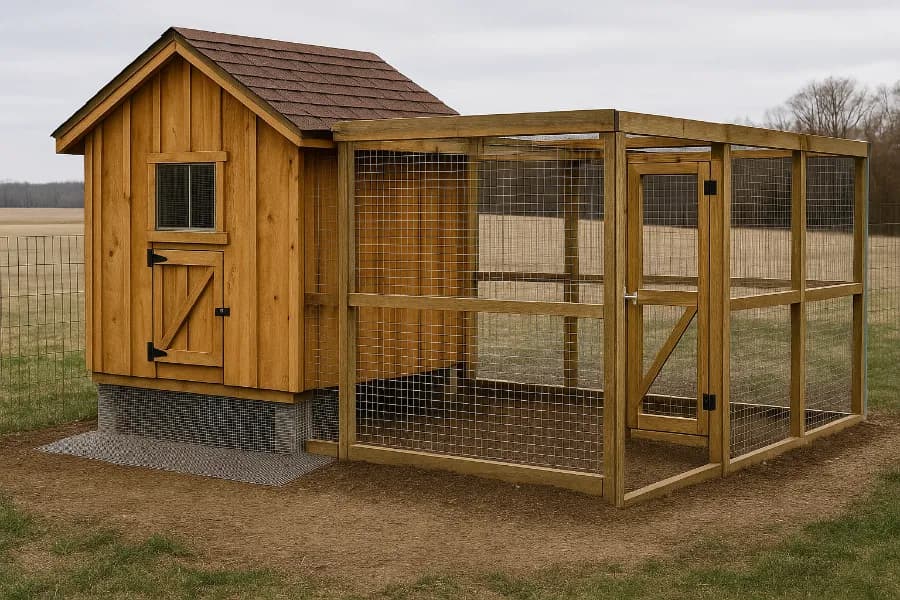
- Is your coop built for the actual risk in your area, including bears where they are a concern?
This article was produced by Prism’s automated news system from verified source data, official records, and press releases, then run through automated quality and moderation checks before publishing. The system is built and supervised by the people who set the standards it runs under. Read our full AI policy.
Did this article answer your question?