NC State guide helps North Carolina homeowners keep backyard chickens
North Carolina hens can bring eggs and garden fertilizer, but NC State’s guide starts with the hard part: rules, housing, and daily care.
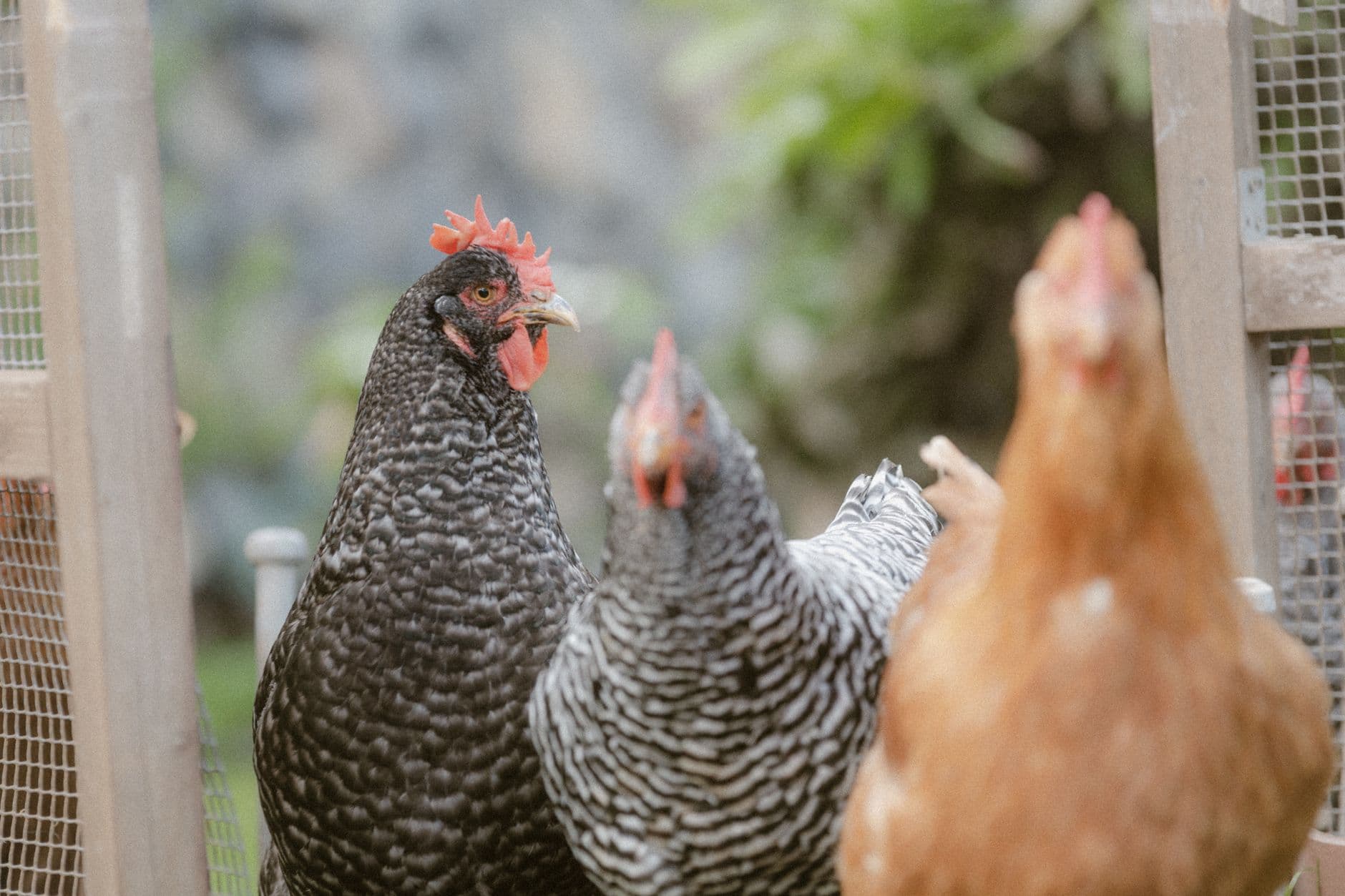
Nearly 70% of North Carolina’s farm cash receipts came from livestock, dairy, and poultry in 2021. For a homeowner thinking about a few hens, the real question is whether your rules, yard, and routine can support them.
Why this guide belongs in North Carolina
“Keeping Garden Chickens in North Carolina” sits in NC State Extension’s publications catalog under Animal Agriculture and is tied to the Prestage Department of Poultry Science. It is also listed with Donna Carver as the author, which places it squarely inside the university’s poultry-extension effort rather than as a casual backyard handout.
NC State Extension also keeps related resources in circulation, including “Backyard Flocks & Eggs” and “Backyard Poultry & Small Flock Resources.” The same extension network points readers toward “Starting a Backyard Chicken Flock,” with the blunt reminder to “don't put all of your eggs in one basket too soon.”
Start with the legal and practical checks
Before you bring home chicks or pullets, the first step is to check local ordinances and zoning regulations. A small flock can still run into neighborhood rules, lot-size limits, setback requirements, or restrictions on roosters and coop placement. The smartest early decision is not breed choice or egg color, it is whether your property can legally and realistically handle birds.
Chicken keeping is a matter of proper planning and care, not just enthusiasm. That means thinking through secure housing, feed and water access, and the daily time it takes to keep a flock healthy and the setup neighbor-friendly. A backyard flock may be small, but the birds still need protection from heat, cold, predators, disease, and sanitation problems.
Build for the birds, not just for the eggs
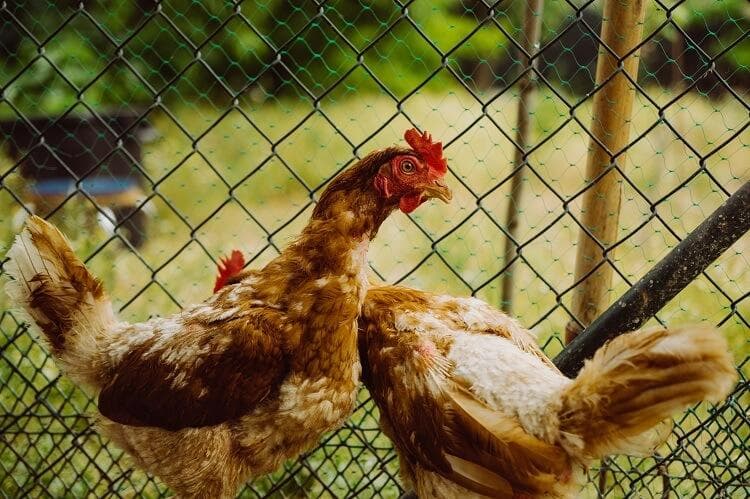
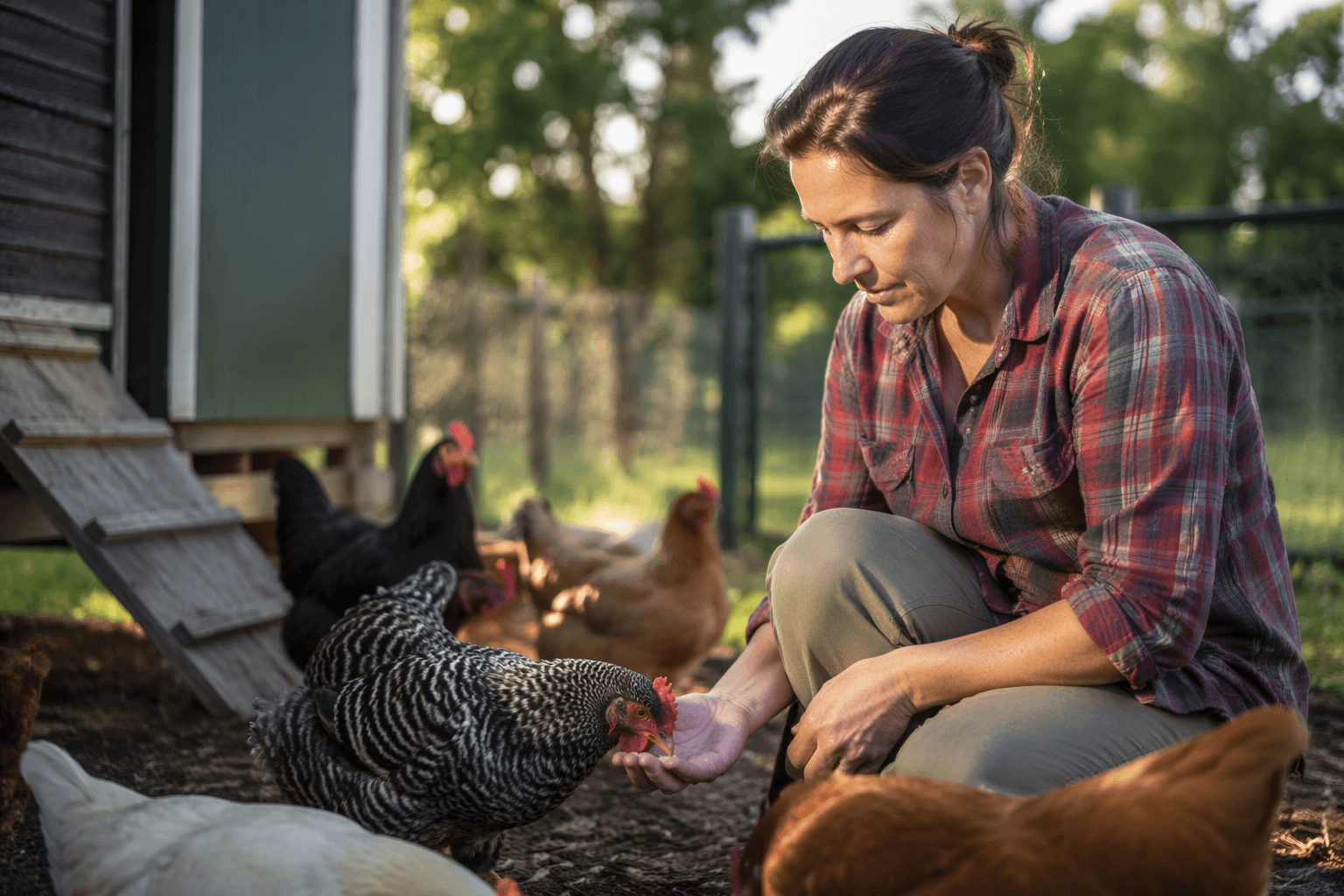
A lot of first-time keepers get hooked on the promise of fresh eggs, and NC State’s guide does not deny that appeal. It says a few hens can supply all the eggs a family needs, which is exactly why the hobby has become so attractive to people trying to do more with limited space. But the same paragraph also mentions litter, manure mixed with bedding.
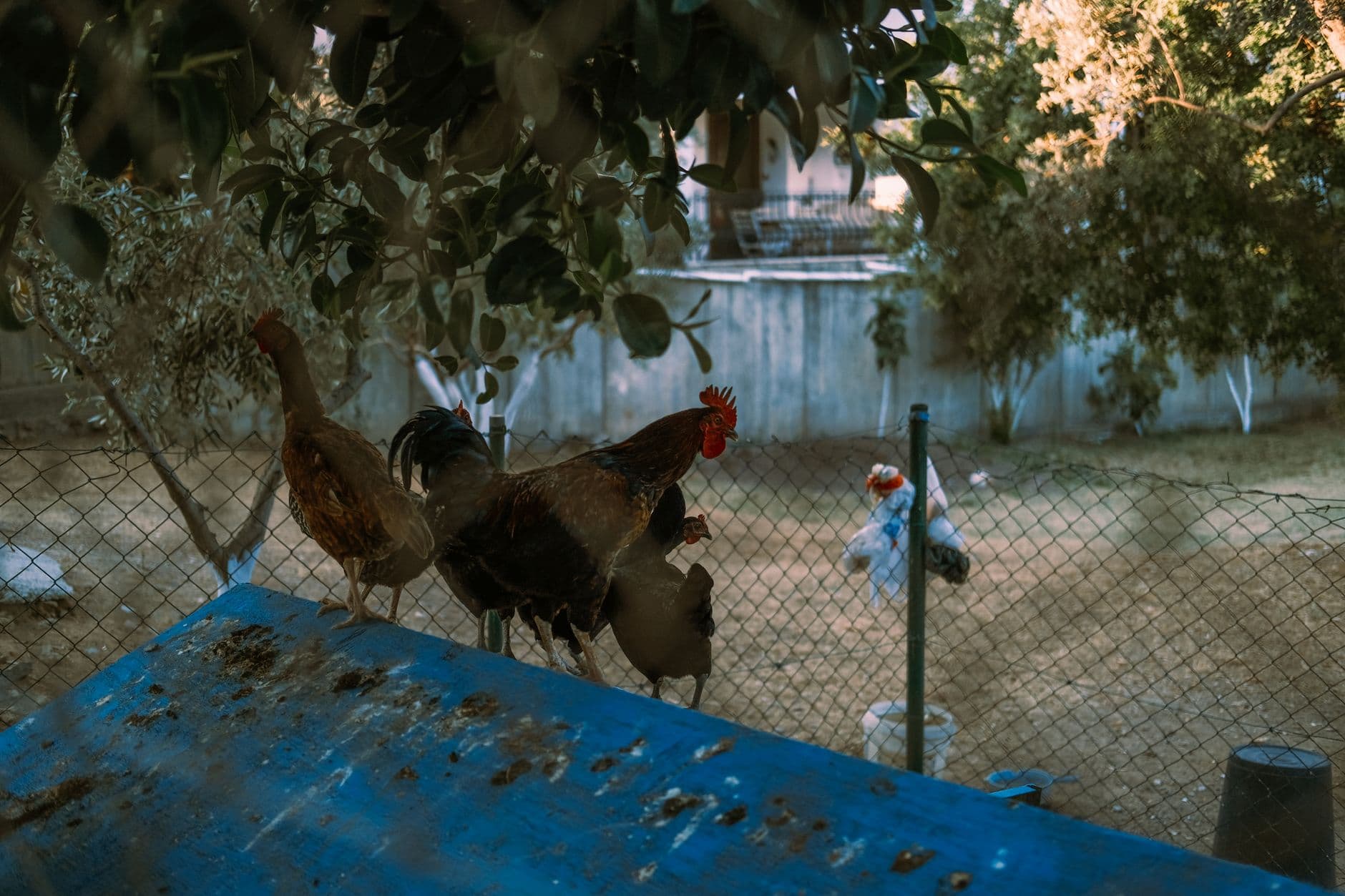
A coop that looks fine for a weekend can become a problem by midsummer if it is hard to clean, too open to predators, or short on airflow and shade. Good backyard poultry management in North Carolina means preparing for weather swings, routine cleaning, and enough structure that birds are protected without turning the yard into a maintenance headache.
Health, biosecurity, and daily observation matter
NC State Extension’s poultry resources also point readers toward behavior as a clue to illness. A chicken standing apart from the group, eating less, or acting differently is not just a quirky bird, it can be an early warning sign. In a small flock, noticing that shift early is part of keeping birds alive and avoiding a bigger sanitation or disease problem.
That health focus connects to biosecurity, too. A backyard flock sits close to people, pets, and garden space, so cleanliness and disease prevention are not abstract ideas. Feed and water need to stay clean, the coop needs regular attention, and the owner needs a habit of watching the birds closely enough to know when one is off its normal pattern.
Use poultry litter like a gardener, not like a dump site
The extension guide’s most garden-friendly detail is also one of its most important warnings: poultry litter can be an excellent source of nutrients, but it has to be managed carefully. Manure use without a plan can create nutrient imbalances in the soil and contribute to surface-water contamination.
Handled well, litter and bedding can become part of a useful fertility cycle. Handled casually, they can overwhelm beds, run off during rain, or leave you with more nitrogen and phosphorus than your plants can use.
Why the hobby keeps growing
NC State’s related backyard-chicken materials note that rising egg prices have prompted more people to think about backyard flocks. That pressure may get people interested, but the extension message is broader than the price of a carton at the store. Backyard chickens are part food source, part garden helper, and part companionship.
The best part of the guide is that it does not pretend those benefits arrive automatically. It treats chickens as a real household decision with tradeoffs: rules to check, housing to build, health to watch, and manure to manage.
This article was produced by Prism’s automated news system from verified source data, official records, and press releases, then run through automated quality and moderation checks before publishing. The system is built and supervised by the people who set the standards it runs under. Read our full AI policy.
Did this article answer your question?