Tractor Supply chicken coops can work, but only with upgrades
A Tractor Supply coop can be a workable starter, but the real cost shows up in hardware cloth, airflow, space, and predator-proofing.
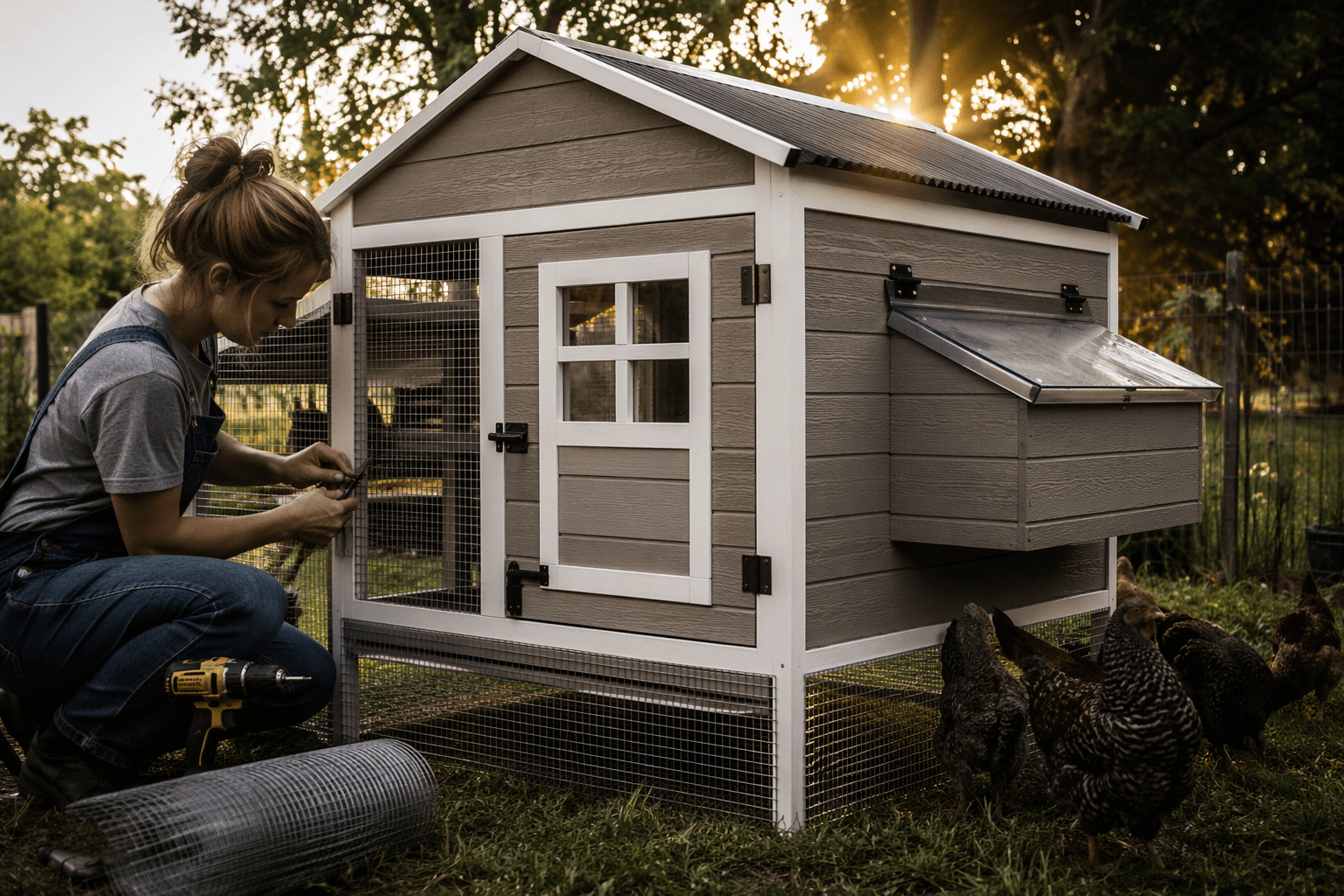
A coop advertised for six birds may realistically be comfortable for only three or four standard laying hens once roost space, weather buffer, and daily movement are factored in. A Tractor Supply coop can be a solid start for a first flock, but only if you see it as a shell, not a finished chicken home. The appeal is obvious: it is convenient, widely available, and easier to assemble than building from scratch. The catch is just as obvious once birds move in. The box may buy you a roof and walls, but it does not automatically buy you enough space, enough airflow, enough predator defense, or enough durability for real backyard use.
Why these coops keep showing up in backyard setups
Tractor Supply’s reach helps explain why its coops are such a common first stop. As of March 28, 2026, Tractor Supply Company operated 2,435 Tractor Supply stores in 49 states and 206 Petsense by Tractor Supply stores in 23 states. That footprint matters for new keepers who want to walk in, load a coop, and get the starter project moving without hiring a carpenter or sketching plans from scratch.
A new chicken keeper is already juggling breeds, feed, waterers, bedding, local rules, and daily care. A prefabricated coop removes one of the biggest early decisions.
The capacity number on the tag is not the number that matters
This is where many first-time buyers get tripped up. The headline number usually describes a best-case marketing scenario, not a flock that can stretch, molt, lay, and stay clean through a wet week.
Extension guidance puts the space issue in more practical terms. A common recommendation for laying hens is at least 3 to 4 square feet per hen indoors and 10 square feet per hen outdoors. Another extension source treats 1.5 to 2 square feet per hen as a common indoor minimum, while also noting that larger breeds need more room.
Crowding is not just an accounting problem. Tight quarters can lead to stress, bullying, sanitation problems, and poorer laying conditions. A coop that looks fine on a product page can become cramped once you add feed access, roosts, nest boxes, and the space birds actually use when weather keeps them inside.
What a useful coop still needs before the birds arrive
A quality coop has to do more than keep rain off the shavings. University of Minnesota Extension standards for a good coop include protection from weather and predators, plus nest boxes, roosts, clean water, and sanitation. In practice, that means looking past the assembly instructions and asking whether the structure still works after you add the parts real chickens need.
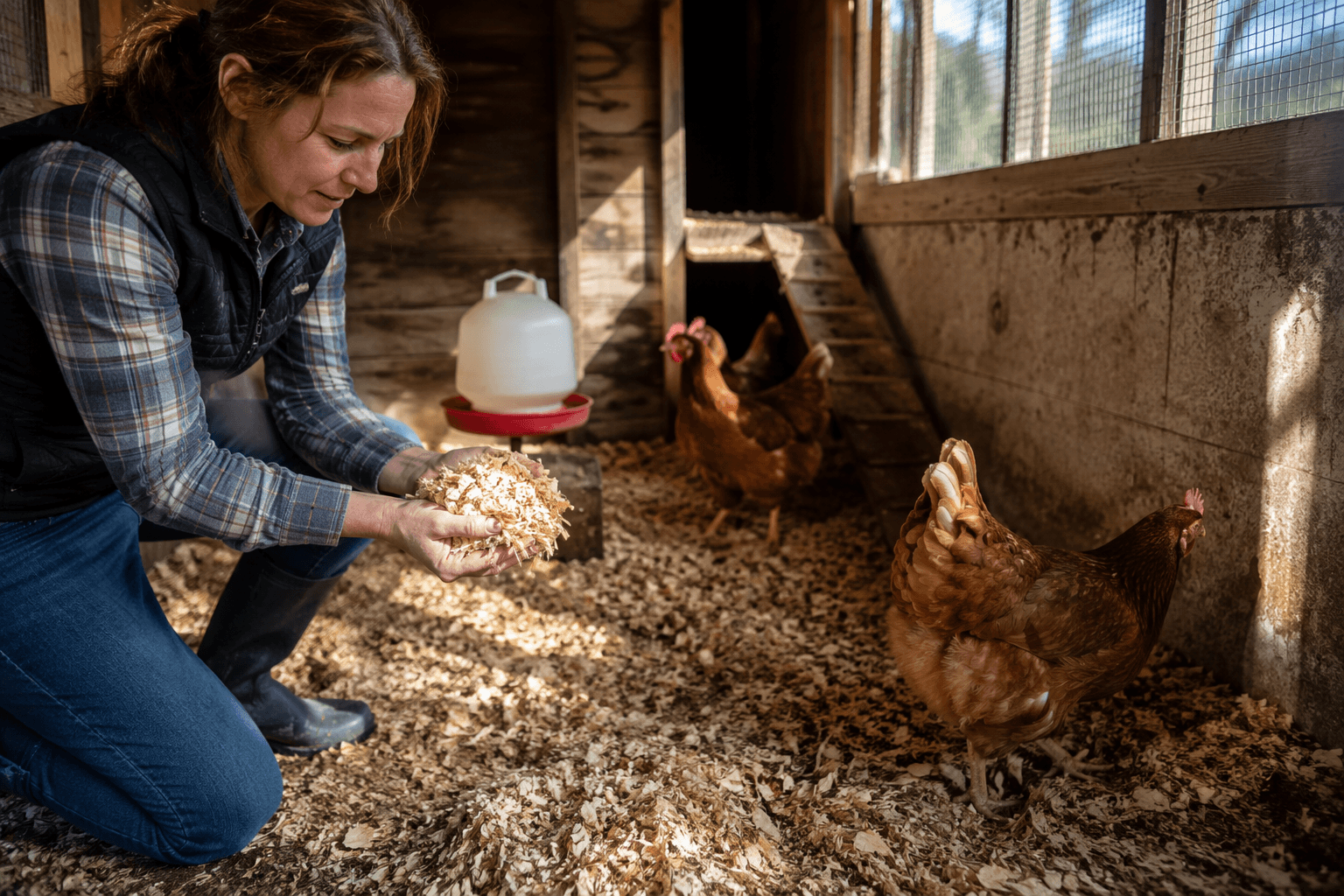
For many box-store coops, the answer is: not yet. Buyers often end up improving ventilation, reinforcing seams, changing hardware, and reworking access points so cleaning does not become a weekend ordeal. If the coop is hard to open, hard to rake out, or hard to reach with a pitchfork or scraper, the chore load climbs fast. The prettiest coop in the yard can become the one you dread servicing if bedding removal and egg collection are an awkward crawl.
Weather durability deserves the same hard look. Thin materials, small roof overhangs, and light trim can be fine in a showroom and underwhelming after a season of sun, wind, and driving rain. If a coop cannot keep bedding dry and air moving, the owner ends up paying again in repairs, replacements, and extra labor.
Predator-proofing is where the real upgrade bill starts
Experienced keepers do not trust factory latches and flimsy wire for long, and for good reason. Penn State Extension identifies common backyard poultry predators as dogs, coyotes, bobcats, house cats, and foxes, and backyard pens also face pressure from raccoons, opossums, snakes, and neighborhood dogs. Weak latches and light-gauge mesh are often the first things predators test.
The usual upgrade path is straightforward but not cheap. Many owners replace weak panels with 1/2-inch hardware cloth, swap in stronger fasteners, and make sure doors and access points close tightly. Penn State Extension guidance also includes electric fencing around the outside of pens, about 4 inches off the ground and roughly one foot from the main fence, to discourage predators.
The part a lot of buyers forget: the rules and the biosecurity
Before a coop ever gets assembled, the property itself has to qualify. Backyard poultry rules can depend on state, county, and city ordinances, and HOA covenants can add another layer. Some neighborhoods allow hens but limit bird counts, setbacks, or housing style. That makes the coop purchase part of a larger zoning and property check, not a standalone impulse buy.
Then there is disease prevention. USDA’s Animal and Plant Health Inspection Service treats biosecurity as the key to keeping poultry healthy and reducing risk from avian influenza and other infectious diseases. The Centers for Disease Control and Prevention warns that backyard poultry can carry Salmonella even when they look healthy and clean. The CDC has tied backyard poultry to outbreaks in 2024, 2025, and 2026, including a 2026 outbreak in 13 states with 34 illnesses and 13 hospitalizations, a May 2025 outbreak across 48 states with 559 illnesses, 125 hospitalizations, and 2 deaths, and a May 2024 outbreak across 48 states with 470 illnesses, 125 hospitalizations, and 1 death.
University of Minnesota Extension guidance includes a simple biosecurity plan to help reduce the spread of avian influenza, Salmonella, and E. coli. That means handwashing, shoe changes, keeping feed protected, and separating poultry chores from the rest of household life.
Who a Tractor Supply coop really works for
This kind of coop works best for a keeper who wants speed, convenience, and a manageable starting point, and who is willing to modify the structure before birds move in. It also works for a small flock plan that stays within realistic space limits and fits the property’s zoning, predator pressure, and weather conditions. The less it works for is the buyer who expects the package to arrive as a finished, predator-proof, weather-tight, low-maintenance henhouse.
This article was produced by Prism’s automated news system from verified source data, official records, and press releases, then run through automated quality and moderation checks before publishing. The system is built and supervised by the people who set the standards it runs under. Read our full AI policy.
Did this article answer your question?