UC Riverside grant backs smarter avian flu detection for backyard flocks
UC Riverside's $1.8 million project aims to spot active bird flu faster, after a wave that led to 50.7 million egg-laying hens being depopulated.

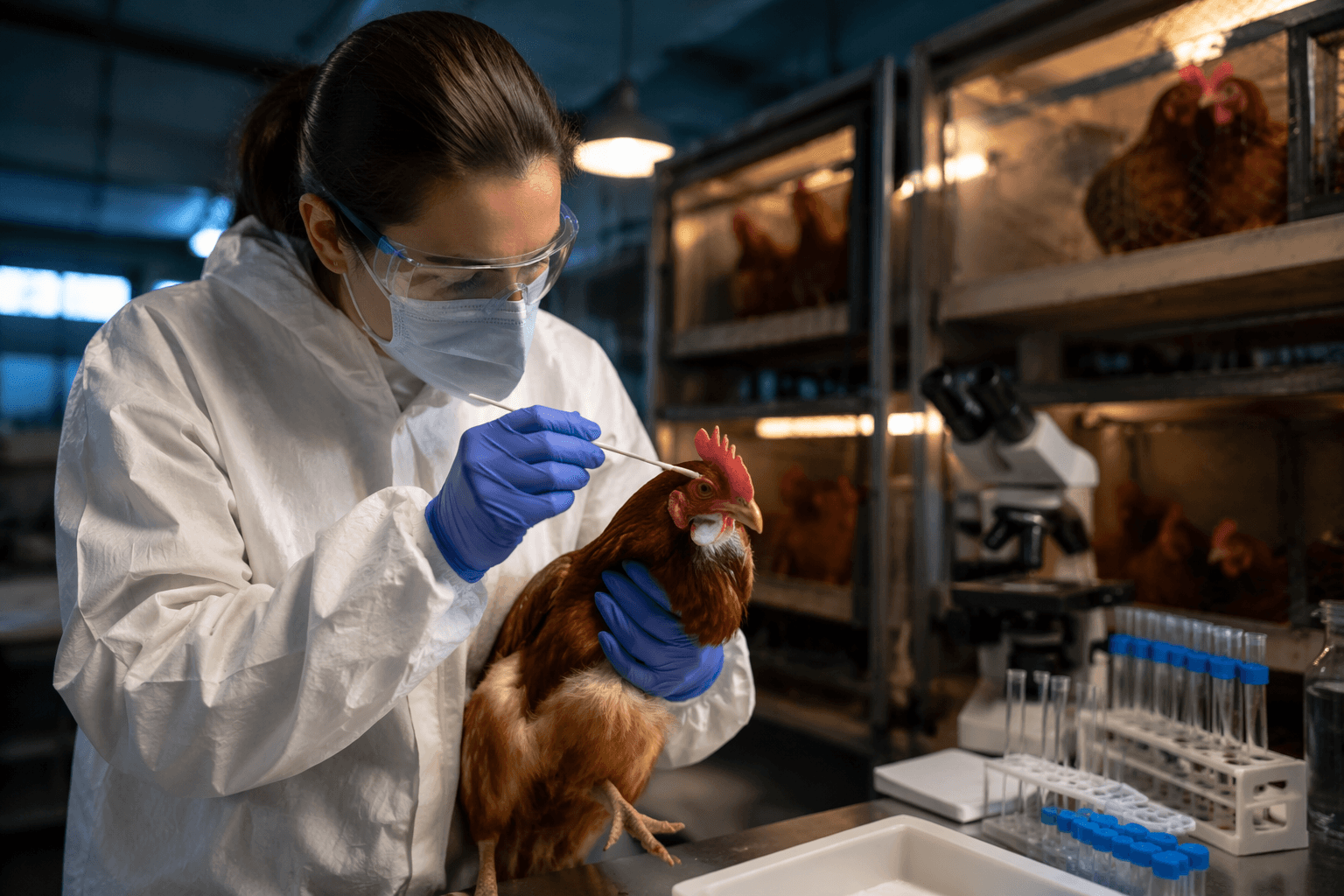
Rong Hai at the University of California, Riverside has received a $1.8 million grant, funded through USDA Animal and Plant Health Inspection Service, to build a better way to detect avian influenza on poultry farms. It will combine artificial intelligence with proteomics so labs can tell whether highly pathogenic avian influenza is actively present, instead of flagging leftover virus fragments or contamination.
USDA data tied to the latest big wave of highly pathogenic avian influenza showed that from mid-October 2024 through early March 2025, the outbreak led to the depopulation of 50.7 million egg-laying hens. USDA said wholesale egg prices had fallen 64% from their peak and retail prices were down 27% by June 26, 2025.
Hai’s team wants to use the combined method to trace how the virus is moving through animal populations before outbreaks spread through commercial barns and backyard flocks. USDA monitors HPAI in commercial and backyard birds, wild birds, and dairy cattle, and the Centers for Disease Control and Prevention says H5 bird flu remains widespread in wild birds globally and is causing outbreaks in poultry and U.S. dairy cows, with sporadic human cases.
Backyard bird flocks can be exposed to wild birds carrying bird flu, and infected poultry can become severely ill or die. USDA advises bird owners to watch bird health closely, isolate sick birds, and report illness to a veterinarian or state or federal animal health official. USDA’s Defend the Flock program is built around biosecurity.
APHIS says the commercial-and-backyard poultry outbreak has been ongoing since February 8, 2022, and CDC says the first multistate HPAI outbreak in dairy cows was reported on March 25, 2024, the first time these bird flu viruses had been found in cows. CDC also says USDA APHIS has reported detections in more than 200 mammals since 2022. In a 2026 survey of 638 U.S. backyard flock owners, 94% knew about avian flu, but about one-third did not know the signs or symptoms in birds or people.
This article was produced by Prism’s automated news system from verified source data, official records, and press releases, then run through automated quality and moderation checks before publishing. The system is built and supervised by the people who set the standards it runs under. Read our full AI policy.
Did this article answer your question?