University of Minnesota guide helps backyard chicken keepers plan for eggs
Eggs can be rewarding, but UMN’s guide says the real decision starts with zoning, feed bills, coop plans, and whether your birds match your space.

Backyard chickens can be a great fit for the right household, but the University of Minnesota Extension’s guidance makes one thing clear: this is a planning decision before it is a cute-chick decision. Hens do not start laying until about six months of age, and the first two years are usually the most productive, so the payoff takes patience. If you want fresh eggs, a flock can deliver them, but only if your rules, housing, feed budget, and breed choice all line up first.
Start with the rules, not the brooder
The first blind spot for many new keepers is local regulation. UMN Extension notes that backyard chicken rules vary by city or town, with some places requiring permits, some limiting the number of birds, and some not allowing poultry at all. Minnesota’s Department of Agriculture says local livestock ordinances commonly cover setbacks, separation distances, conditional-use permits, feedlot size limitations, and minimum acreage requirements, so the details can be more specific than a simple yes or no.
That matters even more if your plans go beyond eggs for your own table. If you want to sell eggs or meat, additional rules apply, and in Minnesota those rules are managed and enforced by the Department of Agriculture’s Dairy and Food Inspection Division. The practical takeaway is straightforward: check the ordinance before you buy chicks, because the right breed and the perfect coop will not override a rule that your town does not allow poultry at all.
Choose birds for your space, not just for the egg basket
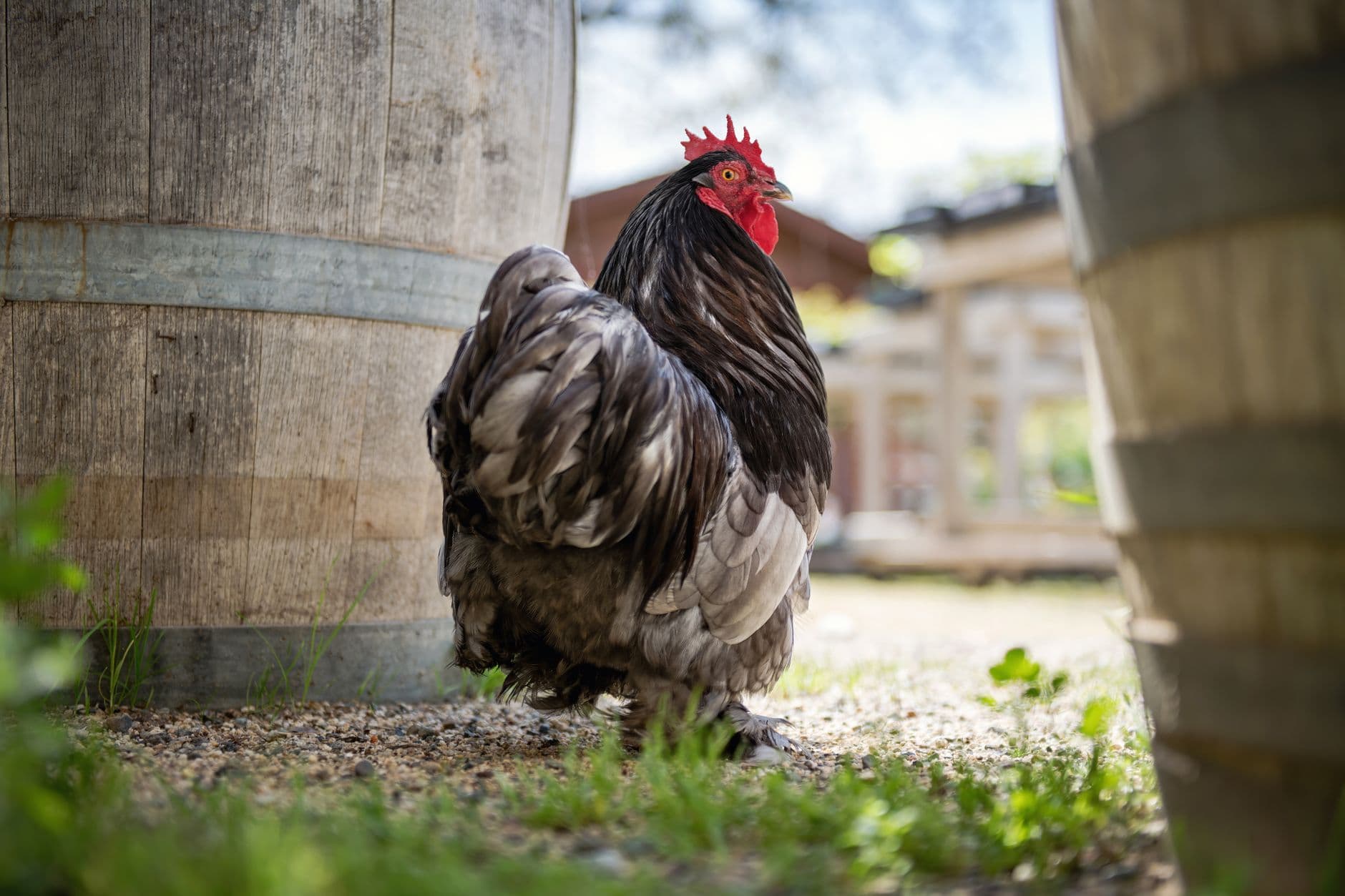
Breed selection is where a lot of beginners get tripped up. UMN Extension highlights Rhode Island Reds, Wyandottes, Ameraucanas, and Orpingtons because they offer useful mixes of hardiness, temperament, egg color, and suitability for small flocks or colder climates. That makes them strong candidates for people who want a manageable backyard setup rather than a commercial-style operation.
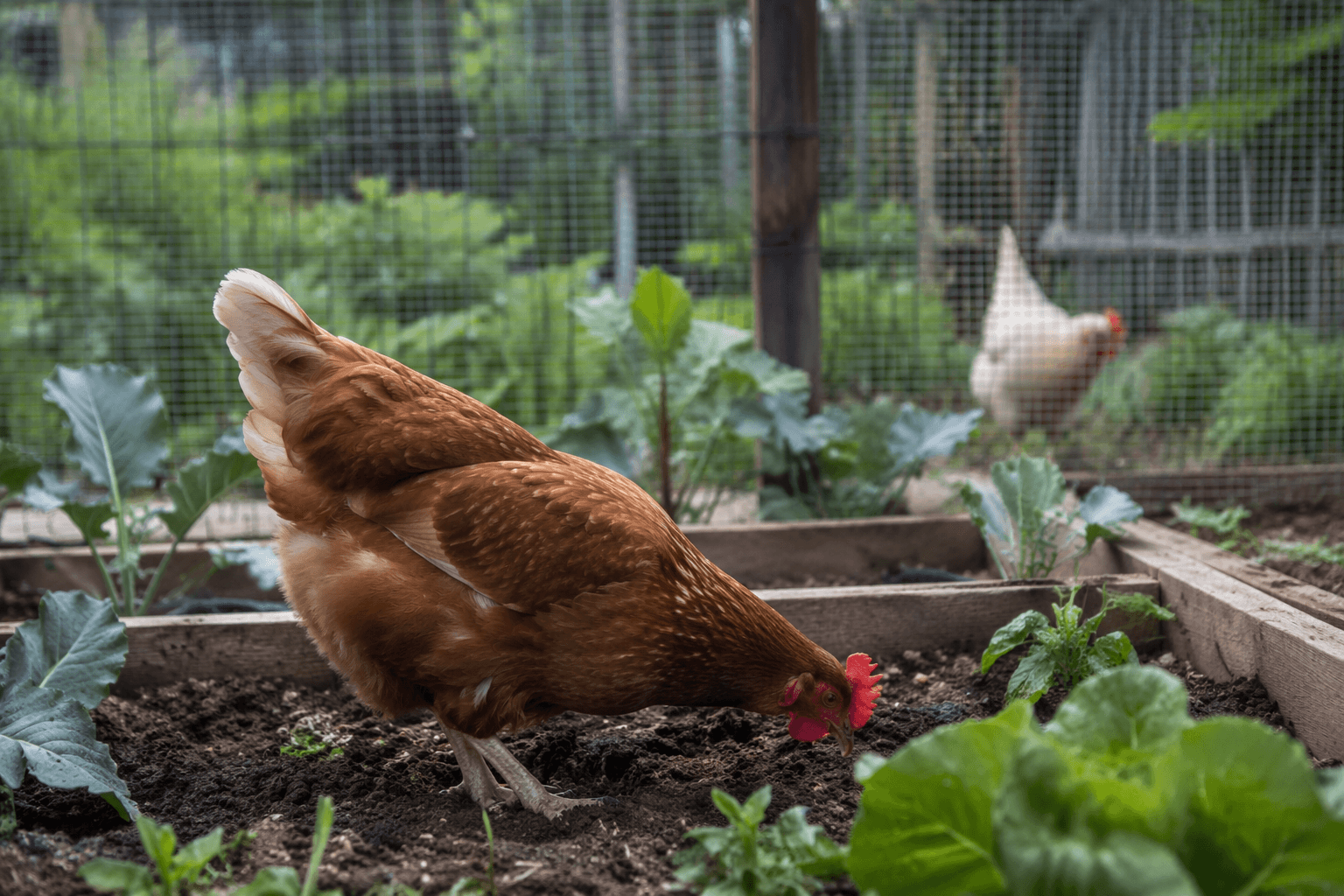
For keepers focused on production and cost, the extension’s layer guidance points to small-bodied commercial White Leghorns as the best layer hens for high egg production at low cost. It also notes that some commercial brown egg-laying chickens lay nearly as well as White Leghorns. That distinction matters because the prettiest bird or the friendliest bird is not always the best fit for a family that wants the most eggs for the feed bill. Breed mismatch is one of the easiest ways to end up disappointed, especially if your expectations are built around color, size, or temperament instead of laying performance and climate fit.
Budget for feed before the first egg arrives
Feed is where the math gets real. UMN Extension says chickens are omnivores, but they still need a balanced prepared feed with vitamins, minerals, and protein. Laying hens should also get crushed oyster shell for egg production and grit for digestion, and a 6-pound hen may eat about 3 pounds of feed each week. That means the ongoing cost is not a side note, it is one of the main costs of keeping a healthy flock.
Scratch grains and kitchen scraps are fine as treats, but only in moderation. They are not a substitute for a balanced ration, and treating them like one can weaken flock health and productivity. Clean water belongs in the same category as feed: non-negotiable. UMN Extension stresses that water is especially important in summer, when birds pant to cool themselves and heat stress can become dangerous as temperature and humidity push core body temperature higher.
Build a coop that works in January and July
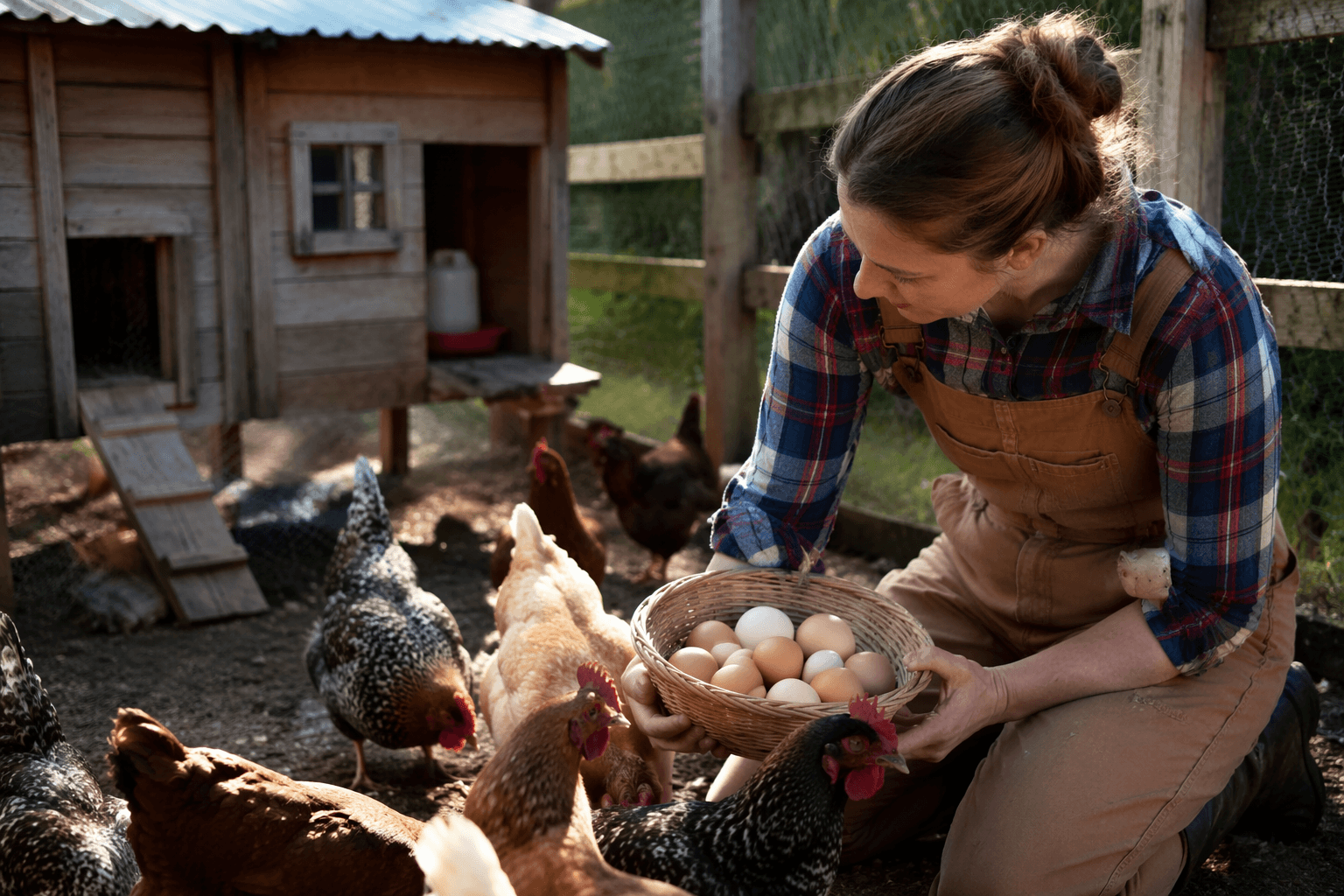
Housing is another place where idealized backyard chicken plans fall apart. A quality coop has to protect birds from weather and predators, and UMN Extension’s cold-weather guidance is blunt that a coop is essential year-round for protection from precipitation, wind, and predators. That means the structure is not just a place to sleep, it is the center of flock survival in every season.
Winter housing deserves special attention because cold weather exposes weak planning fast. A drafty, damp, or undersized coop can turn a fun hobby into a daily rescue mission. The same coop also has to handle summer heat, meaning ventilation and access to water matter just as much as insulation and predator-proofing. If the birds cannot stay dry, calm, and safe from predators, the setup is not finished.
Expect the community issues, not just the fresh eggs
UMN Extension says common concerns with backyard or urban poultry include disease, noise, odor, pests, and waste management. Those issues do not mean backyard chickens are a bad idea, but they do mean the birds live in a neighborhood, not in a vacuum. The best small flock setup is one that keeps those realities under control from the start, rather than after a neighbor complains or a flock gets sick.
Biosecurity belongs in that same planning stage. UMN Extension says it is best practice to have, maintain, and use a site-specific operational biosecurity plan no matter the annual production size. That is not just for commercial barns. Highly pathogenic avian influenza has appeared in both commercial and backyard flocks across the United States, which makes everyday habits like limiting unnecessary contact, keeping traffic controlled, and staying alert to flock health part of normal chicken keeping.
Keep the bigger poultry picture in mind
It is easy to think of a backyard flock as something separate from the rest of poultry production, but the numbers show how connected it is to a much larger system. USDA National Agricultural Statistics Service says flocks with more than 30,000 layers account for over 81% of all layers. A USDA fact sheet also reported 233,770 poultry farms in the 2012 Census of Agriculture and 99.8 billion eggs produced in 2014.
That scale helps explain why rules, disease precautions, and husbandry standards matter even for a few hens behind the house. Backyard birds may be motivated by fresh eggs, education, or a hobby, and UMN Extension does note they can be rewarding and a good way to teach kids about nature, agriculture, and responsibility. But the flock still needs the same basics: legal clearance, a breed that fits the climate and the goal, a feed plan that pencils out, and a coop built to handle weather and predators.
The clearest message from the guide is that chickens are not a low-effort decoration for the yard. They are a long-term animal-care commitment, and the people who do best with them are the ones who sort out the rules, the winter housing, the feed bill, and the breed fit before the first pullet comes home.
This article was produced by Prism’s automated news system from verified source data, official records, and press releases, then run through automated quality and moderation checks before publishing. The system is built and supervised by the people who set the standards it runs under. Read our full AI policy.
Know something we missed? Have a correction or additional information?
Submit a Tip