West Boylston considers 10-hen backyard chicken rule with rooster ban
West Boylston was set to vote July 22 on a draft that caps flocks at 10 hens, bars roosters on most lots under 1.5 acres and blocks commercial use.
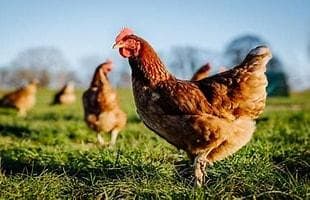
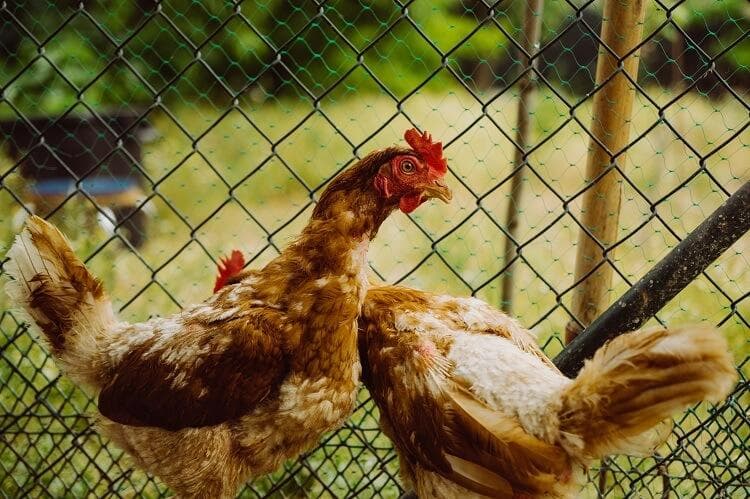
West Boylston was set to vote July 22 on a backyard chicken proposal that caps flocks at 10 hens, bans roosters on most properties smaller than 1.5 acres and excludes anything treated as business or commercial use. For anyone deciding whether a coop belongs in the yard, the draft draws a bright line between a hobby flock and a poultry operation.
The Board of Health sits at the center of the decision. West Boylston’s board says it enforces local, state and national regulations as required by law, and it posted a July 15, 2026 meeting notice for 5:30 p.m. The board also held a public hearing on March 25, 2026 on proposed regulations to establish minimum standards for keeping animals, putting chickens squarely in the town’s public-health lane.
At that hearing, West Boylston Agricultural Commission chair Molly McArthur and commission member Amy Malo were part of the conversation as the town worked through rules for animals not regulated under the Right to Farm Bylaw. The draft itself is titled “Regulations for the Control of Keeping of Farm Animals in the Town of West Boylston not regulated under the Right to Farm Bylaw,” and a July 21 town notice pointed residents to the same issue a day before the vote.
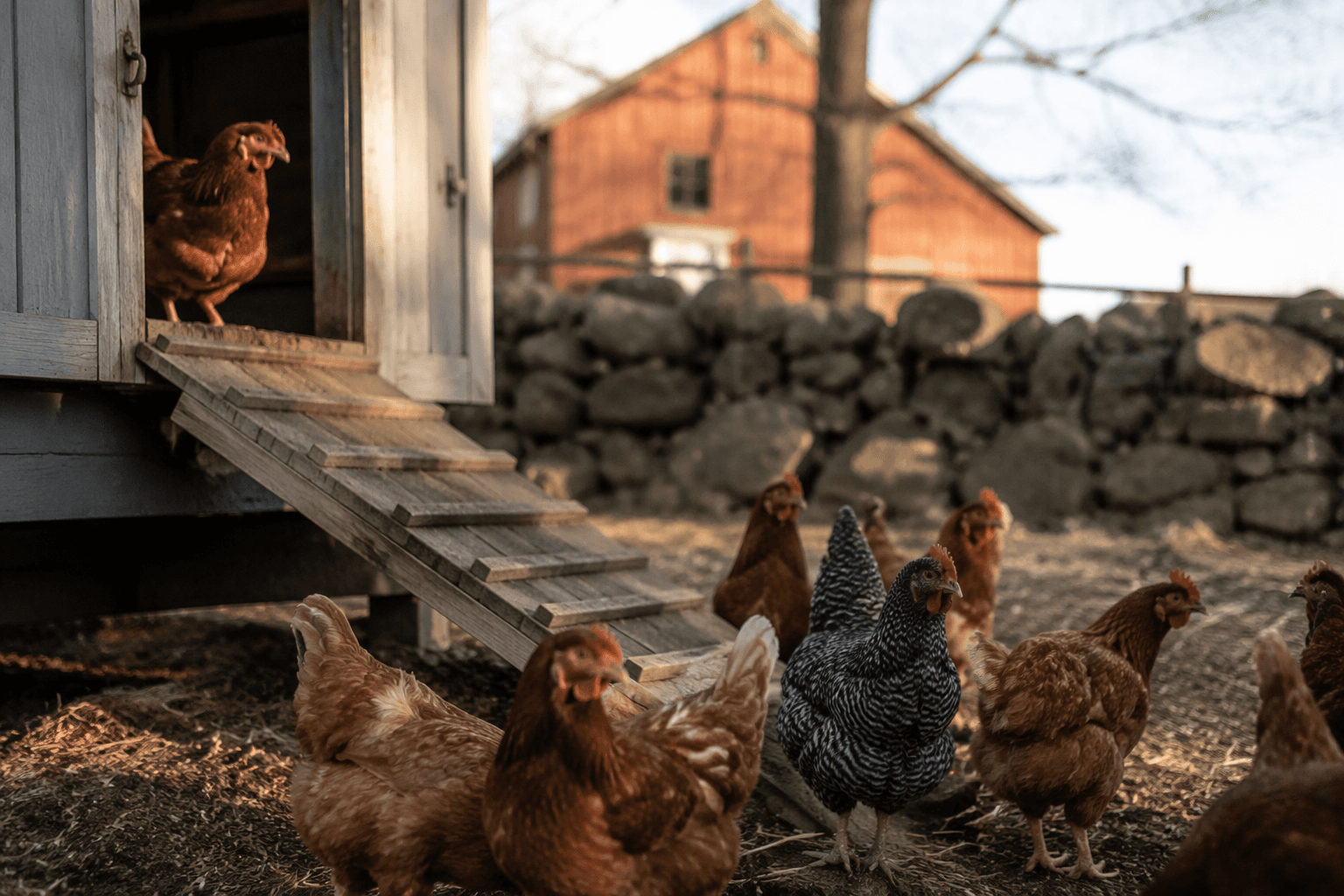
For backyard keepers, the practical effect is straightforward. Ten hens would be the ceiling, roosters would stay off most lots under 1.5 acres, and anything moving toward business or commercial use would fall outside the proposal. That acreage cutoff matters because a larger parcel can usually absorb more birds, more coop space and more distance from neighboring homes, while smaller lots need tighter guardrails to avoid complaints.
West Boylston has done this before. A 2007 board of health document was titled “The Control and Keeping of Animals Regulation 2007-01,” and the town now directs residents to an “Information on Keeping Fowl” page and a Board of Health Forms and Permits page that includes farm-animal rules. Massachusetts has no statewide ban on backyard chickens, so local flock limits, permits and coop setbacks decide what is allowed. State law also lets local boards of health investigate nuisance odors that go beyond normal farm maintenance, which is why manure handling, enclosure cleanliness and rodent control keep landing in these debates. After the July 22 vote, the next step for anyone planning hens in West Boylston is to check the final board action before buying birds or building out a coop.
This article was produced by Prism’s automated news system from verified source data, official records, and press releases, then run through automated quality and moderation checks before publishing. The system is built and supervised by the people who set the standards it runs under. Read our full AI policy.
Did this article answer your question?