West Burlington moves toward allowing backyard chickens with permit rules
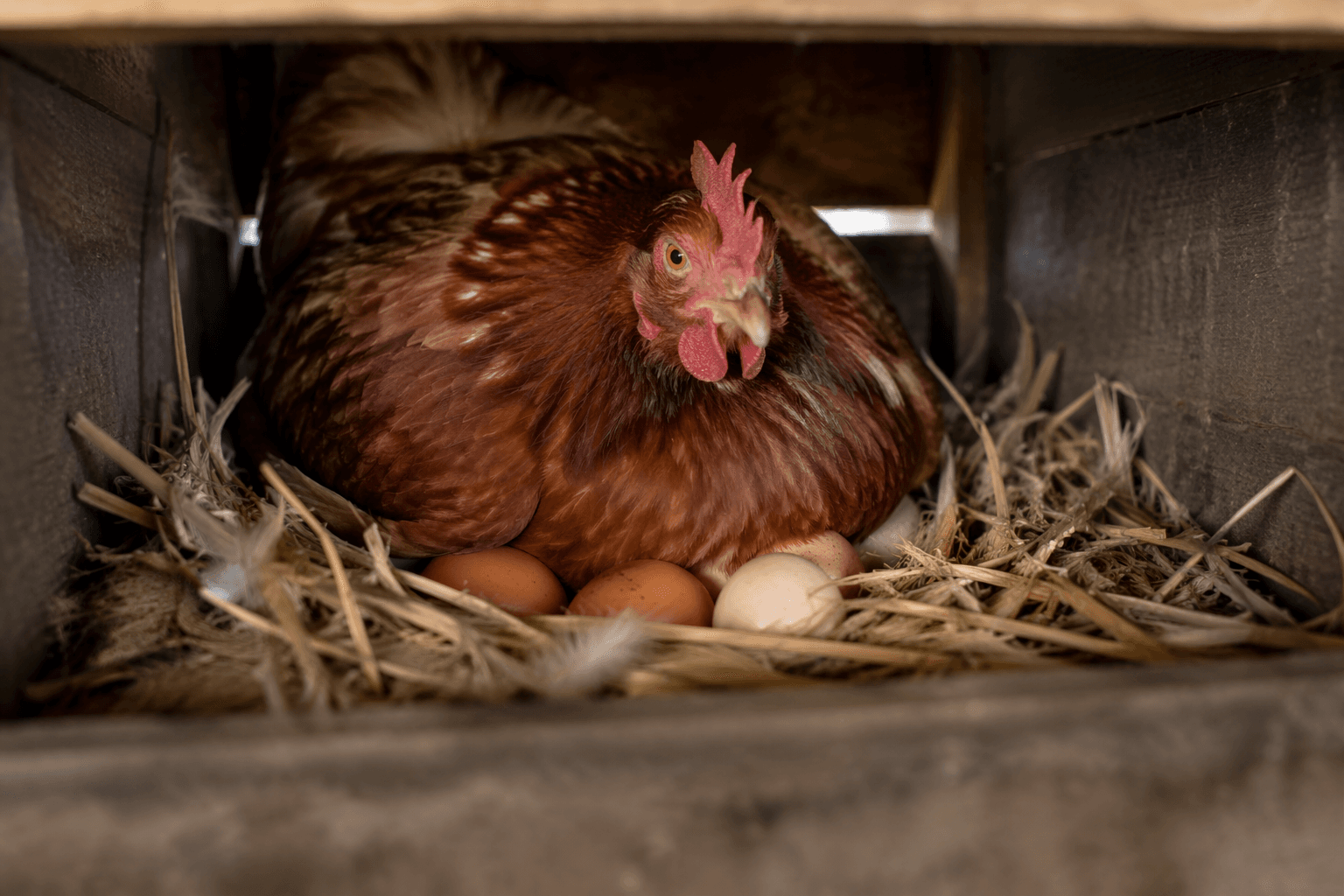
West Burlington moved toward a permit-based chicken ordinance that could let certain residents keep hens, but only on qualifying lots and without roosters.
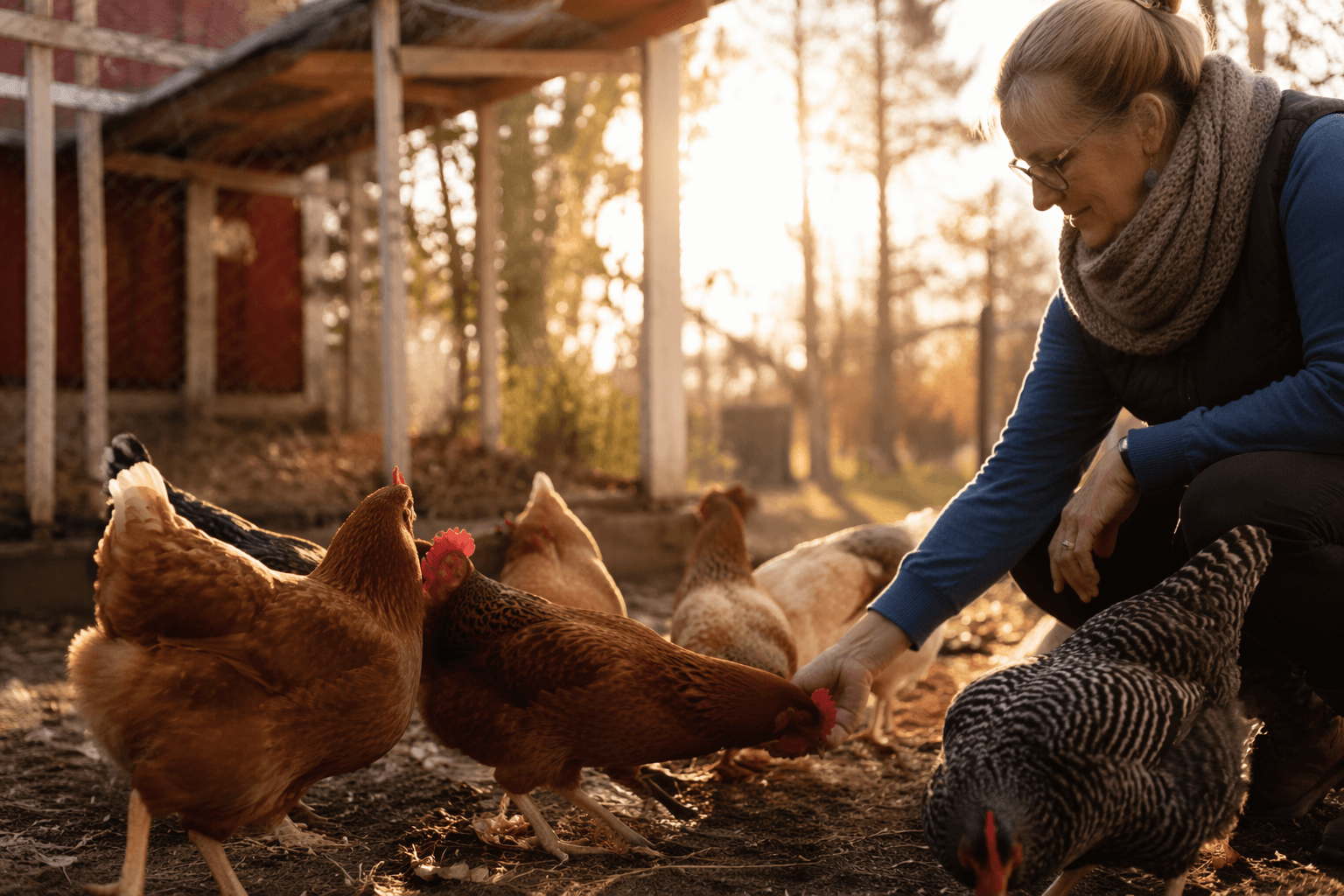
West Burlington is getting closer to replacing its blanket livestock ban with a permit system for backyard chickens, but the draft still narrows the field sharply. If the ordinance passes, residents on qualifying properties would be able to keep hens under city rules, current chicken keepers would have 60 days to comply, and roosters would not be allowed.
The city council approved the first reading of the proposal on April 16, 2026, by a 3-2 vote, then later rejected a different version on May 21, 2026, when the third and final reading failed 4-1 after a long discussion with residents. The new draft is headed back for a second reading with revisions reflecting council feedback, a sign that the issue has shifted from outright prohibition to how tightly the city wants to regulate small flocks.
The language now on the table is built around control points backyard keepers will recognize immediately. The draft says its purpose is to identify where chickens are permitted and to regulate them so they stay compatible with surrounding land uses and preserve residential neighborhood character. It defines an “urban chicken” as a chicken kept under a city permit, limits eligible locations to A-1 agricultural zoning, residential parcels with at least two contiguous acres, or certain lawfully established nonconforming agricultural uses, and says permits are limited licenses tied to a specific person and property that do not run with the land. If eligibility is lost because a property is rezoned, split below two acres, or stops its agricultural use for 12 months, the birds would have to be removed within 60 days of written notice.
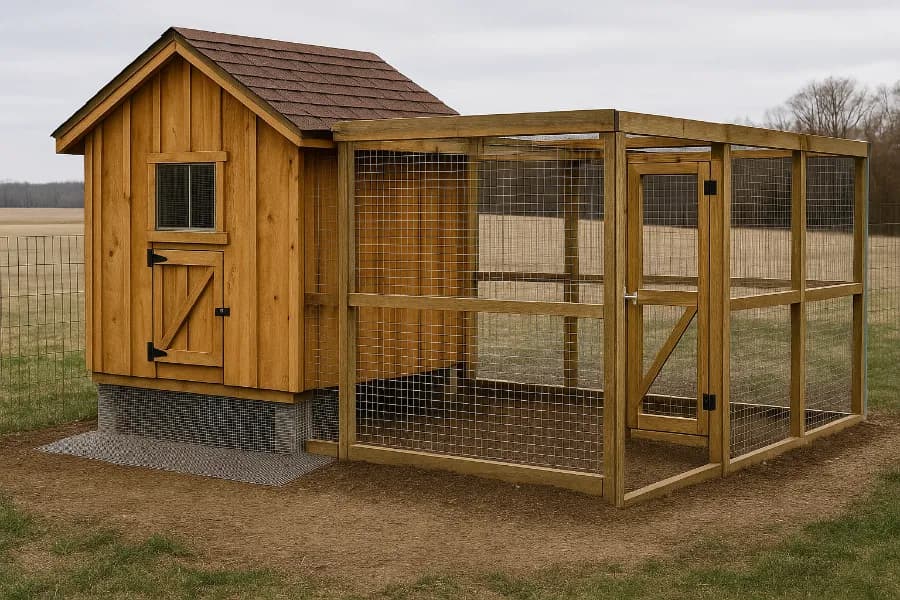
That framework matters because it tells would-be keepers what to check before building a coop or buying pullets. A small city lot is unlikely to qualify under the draft as written, and the permit requirement means even eligible properties would need to stay within the rules as ownership or zoning changes. The proposal also includes setback distances and bird limits, which puts coop placement and flock size at the center of compliance rather than afterthoughts.
The debate has been building for months. In April, City Administrator Gregg Mandsager presented examples from other Iowa communities and a draft policy while staff said residents could already raise chickens with a permit, even as they recommended prohibiting the practice altogether. By May, more than a dozen residents were showing up in support, two petitions in favor of urban chickens had been handed to the council, and Ringo Covert said he had spoken with 82 residents and found only 16 opposed allowing chickens in city limits. For West Burlington, the question now is no longer whether chickens belong in town at all, but which yards, which flocks, and which neighbors the city is willing to fit into the same block.
This article was produced by Prism’s automated news system from verified source data, official records, and press releases, then run through automated quality and moderation checks before publishing. The system is built and supervised by the people who set the standards it runs under. Read our full AI policy.
Did this article answer your question?