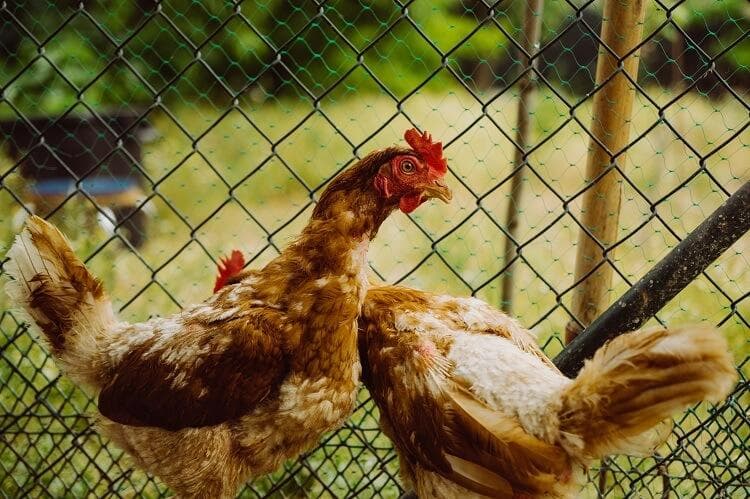
What to know before bringing home backyard chickens
Before you buy chicks, test the lot, the rules, and the budget: most flocks need only a few hens, but space, noise, and upkeep decide whether the coop works.

Most U.S. cities allow hens, but many cap the flock at about five or six birds, and most urban areas do not allow roosters because of noise. Then the practical questions hit in the same order: can your lot legally hold a coop, can your yard fit a safe run, and can your budget absorb the setup before a single egg appears?
Start with the rules, not the birds
The first check is local legality, and HOA rules can be stricter than city code. The smart move is to read both sets of rules before you buy feed, fencing, or chicks.
Backyard poultry ownership has become increasingly popular in the United States, and more cities are writing rules to manage it. If a neighborhood already has a patchwork of lot sizes, fences, and close-set homes, the question is whether your specific property can meet the setbacks, the coop standards, and the neighbor expectations that come with them.
Measure the space the birds will actually use
A chicken run is not a decorative add-on. Poultry Extension's minimum is 3 to 4 square feet per laying hen indoors and about 10 square feet per bird outdoors. That gives you a starting point, not a luxury version, and many small urban runs end up tighter than that, which means drainage, shade, and predator-proofing have to be handled carefully from the beginning.
Flock size is tied to space, but also to behavior. Chickens are flock animals and do not do well alone, so at least three birds is the usual floor. For most beginners, four to six hens is the practical sweet spot: enough social structure to keep the birds settled, but not so many that chores, waste, and feed bills spiral before you have your routine down.
Budget for the setup, not just the eggs
Backyard chickens are not a grocery-store-beating investment once the full cost of the project is on the table. A typical startup budget lands around $500 to $2,000 for the coop, run, feeders, waterers, bedding, and birds, and feed and bedding continue as recurring expenses after that. If the math feels tight at the beginning, it usually gets tighter once you add repairs, weatherproofing, and the inevitable upgrades that come after the first storm or predator scare.
USDA National Agricultural Statistics Service publishes its Chicken and Egg report about the 22nd of each month.
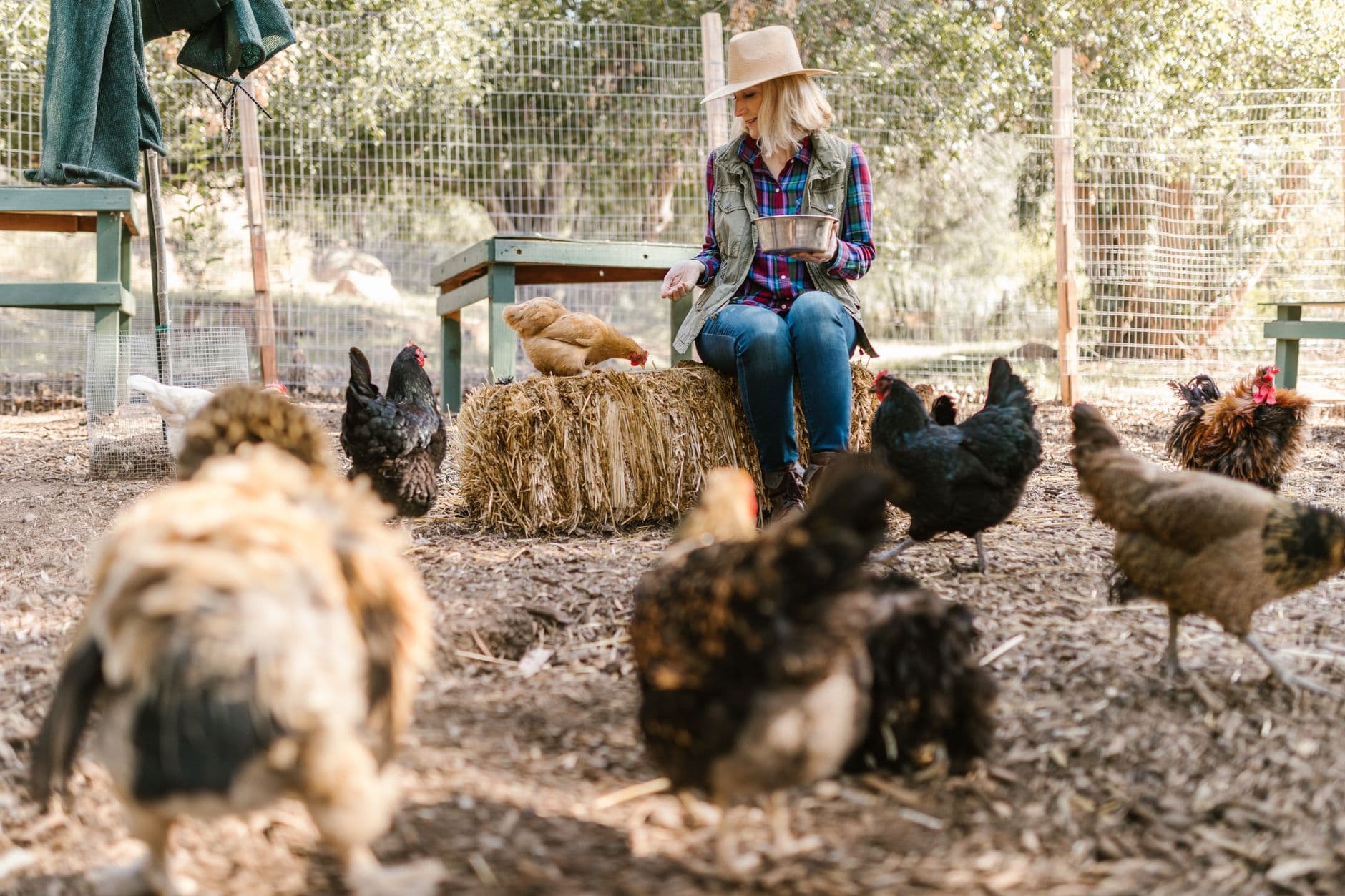
Choose hens, and choose them for your life
One of the most common beginner questions is whether you need a rooster. You do not. Hens lay eggs without a rooster, and roosters are only needed if you want fertilized eggs for hatching.
Hens usually begin laying at around six months of age, can keep laying for five to 10 years, and reach peak production in the first two years, Jacquie Jacob of University of Minnesota Extension says.
Breed choice belongs in the same decision. The best fit depends on climate, egg output, and whether children will be involved, which is another way of saying that the perfect hen for a cold, windy yard is not always the same bird that works best for a family with young kids and a small suburban coop.
Treat biosecurity like part of the chore list
A clean coop is not just about appearance. Disease, noise, odor, pests, and waste management are the common headaches in backyard poultry, and those problems are easier to prevent than to unwind later. Dry bedding, routine cleaning, and careful feed storage are not extras, they are the difference between a manageable coop and a constant source of smell and mess.
Backyard flocks can be exposed to wild birds carrying avian influenza, and good biosecurity lowers the chance of your poultry or yard being exposed to diseases like avian influenza or Newcastle disease. The Centers for Disease Control and Prevention's basic steps are simple but non-negotiable: wash your hands after handling birds, keep dedicated shoes for coop care, keep poultry and poultry equipment out of the house, and avoid close face contact with birds.
The real before-you-build test
The blunt checklist is simple: legal under city and HOA rules, large enough for the number of hens you want, affordable enough to build and maintain, and clean enough to keep disease and nuisance problems from taking over.
This article was produced by Prism’s automated news system from verified source data, official records, and press releases, then run through automated quality and moderation checks before publishing. The system is built and supervised by the people who set the standards it runs under. Read our full AI policy.
Did this article answer your question?