When can chicks go outside? Timing depends on feathering and weather
The calendar is the wrong cue. Feathering, nighttime lows, and a simple readiness checklist tell you when chicks can safely leave the brooder.
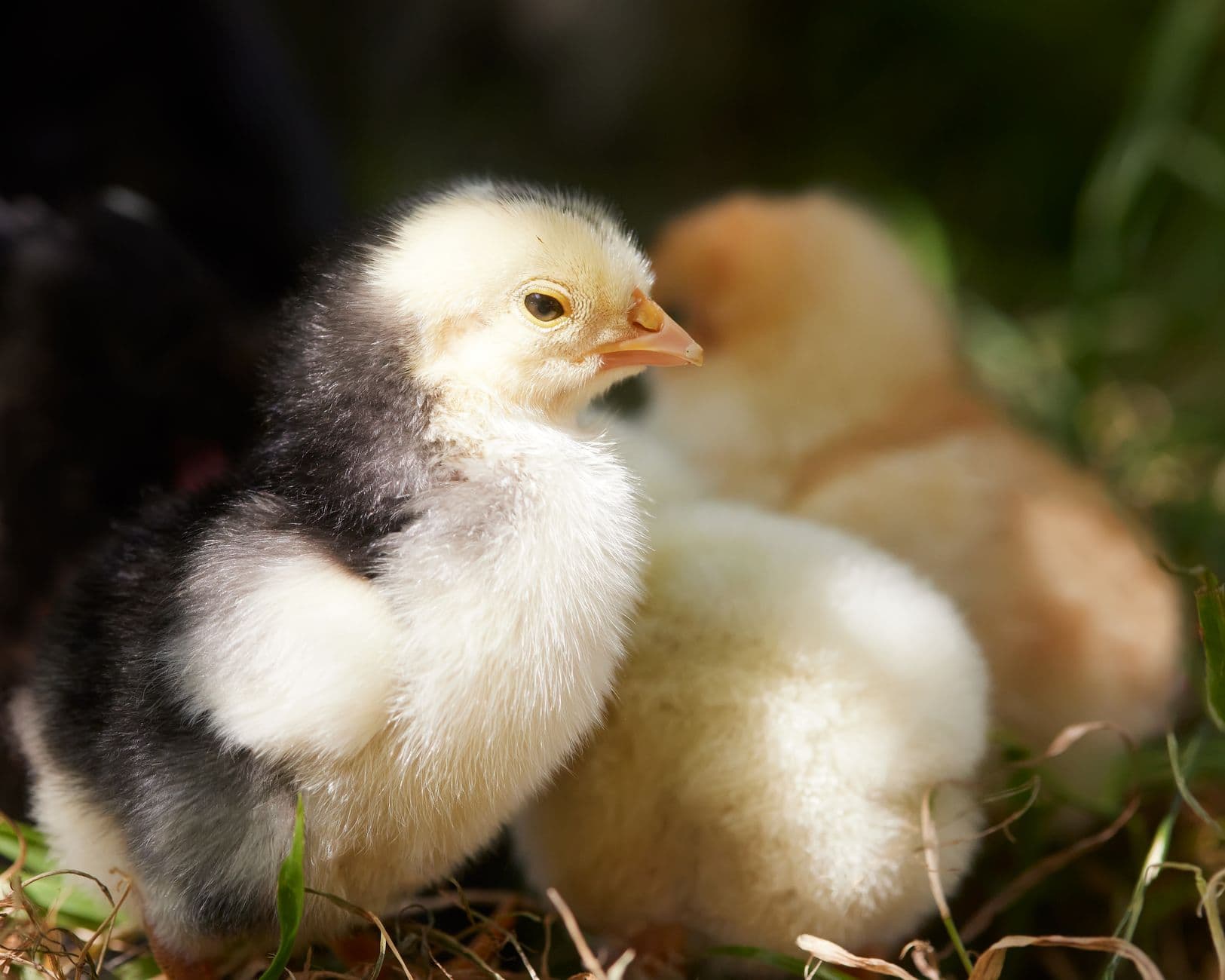
The first trip out of the brooder feels like a milestone, but it is safer to read the chick than the calendar. Most young birds are ready for supervised outdoor visits at about 4 to 6 weeks, and regular outdoor access usually comes after 6 weeks, once they are fully feathered and the weather is cooperating. That timing keeps you from rushing chicks into wind, cold, or stress just because the date on the wall says they are “old enough.”
Why age alone misleads
Newly hatched chicks cannot control their body temperature in the first few weeks of life, which is why the brooder matters so much at the start. University of Florida IFAS Extension says chicks need 95°F for the first week, then can handle temperatures 5°F cooler each week until they are four weeks old. Oregon State University College of Agricultural Sciences gives the same basic idea in a practical form: reduce brooder heat by 5°F per week until the birds reach ambient temperature or are fully feathered.
That is why a chick that looks lively at four weeks is not automatically ready to live outside full-time. Downy birds still depend on supplemental heat, while real feathers are what help them regulate body temperature, handle wind, and deal with moisture. The mistake most new keepers make is treating activity like readiness, when what really matters is feathering plus weather plus nighttime lows.
What fully feathered actually looks like
You do not need a lab test to tell when chicks are getting close. Look at the wings first, then the tail, then the body. When the wing feathers are mostly in, the tail is filling out, and the fuzzy chick look is giving way to proper plumage, the bird is moving toward outdoor life.
North Dakota State University says chicks are fully feathered around six weeks of age and can be moved to the coop if the outside temperature is at least 65°F. University of Arizona Cooperative Extension says the transition usually happens after about 6 to 8 weeks, once chicks are fully feathered and nighttime temperatures are moderate, above roughly 50°F. Utah State University Extension puts the move in the same neighborhood, usually about 5 to 6 weeks after chicks have some plumage, once they can handle an outside environment.
Those ranges are useful because they keep you from locking onto one magic number. A warm Texas spring and a colder northern stretch do not call for the same decision, and the chick that is feathered enough for one climate may still need more brooder time in another.
A readiness checklist before the first outing
Before you open the coop door, check the bird and the forecast, not just the age:
- Wings are mostly feathered, not just fuzzy
- Tail feathers are coming in
- Little fluff remains on the body
- Chicks are active, alert, and not huddling under heat
- Brooder heat has already been stepped down gradually
- Daytime weather is mild and dry
- Nighttime lows are close to the comfort range for the birds
- A predator-safe shelter is ready if they are going outside
- The run is dry, clean, and protected from drafts
If several of those boxes are still empty, the birds are telling you they are not ready yet.
A gradual transition plan works better than a hard switch
The safest move is usually staged, not sudden. Cornell Cooperative Extension points out that a faster weaning from the heat lamp helps chicks feather and acclimate to changing outdoor conditions. Texas A&M AgriLife Extension says once chicks start growing feathers, keep them outside more often as temperatures rise, but make sure they have shelter if weather turns bad.
Here is a simple way to make that transition:
1. Start with short supervised visits on mild, dry days. Let the chicks explore, scratch, and get used to sunlight, grass, and open air.
2. Increase the time outside a little at a time as feathering improves. Watch whether they stay calm and evenly spread out, or whether they huddle and act chilled.
3. Keep the brooder warm at night until the birds are fully feathered and your nighttime lows are in range.
4. Move them to the coop only when the coop is draft-free, dry, and ready to protect them from weather and predators.
5. Let outdoor time expand naturally once the birds are handling the environment well without needing the brooder as a crutch.
Michigan State University Extension adds an important setup detail before chicks ever arrive: the brooder should be draft-free and stable, with temperatures lowered by 5°F each week until they match the natural environment or reach about 55°F.
Don’t skip the safety layer
Warmth is only half the story. Backyard chickens are prey animals, and the first outdoor trip is also a predator-management decision. Colorado State University Extension lists domestic dogs, snakes, rats, owls, and hawks among the common threats, while Virginia Tech Extension warns that free-ranging poultry can face predation day and night and recommends covering outside runs with mesh wire or netting to protect against birds of prey.
University of Florida IFAS Extension says chicks need a clean environment that protects them from drafts and predators, which is why a temporary pen in the yard is not the same thing as a secure run. University of Maine Extension also recommends asking the hatchery about vaccination against Marek’s disease and coccidiosis, a smart layer of protection before the flock ever meets the weather.
Do the boring prep before the cute moment
The prettiest part of the transition is watching chicks finally step into grass and sun. The least glamorous part is cleaning the brooder, laying in 2 to 4 inches of dry litter, checking local codes and city ordinances through Purdue University Extension, and making sure the coop and run are ready before the birds need them. That prep is what turns the first outing from a gamble into a routine.
Weather screening matters on both ends of the calendar. Mississippi State University Extension Service has warned that backyard chickens can suffer heat stress in extreme weather, with panting and drooping wings showing up early. So the rule is not simply “wait until it is warm.” It is “wait until the chicks are feathered enough, the nights are mild enough, and the setup is safe enough.”
The calendar is a shortcut, but the chick itself gives the better answer. Watch the feathers, watch the forecast, and watch how the birds behave in the brooder. When those signs line up, the move outside stops being a guess and starts looking like the natural next step.
This article was produced by Prism’s automated news system from verified source data, official records, and press releases, then run through automated quality and moderation checks before publishing. The system is built and supervised by the people who set the standards it runs under. Read our full AI policy.
Know something we missed? Have a correction or additional information?
Submit a Tip