Why chickens need to forage, scratch, and peck every day
A chicken that stops scratching, dust-bathing, or roosting normally is usually telling you something about the coop. Small setup changes often fix the problem fast.
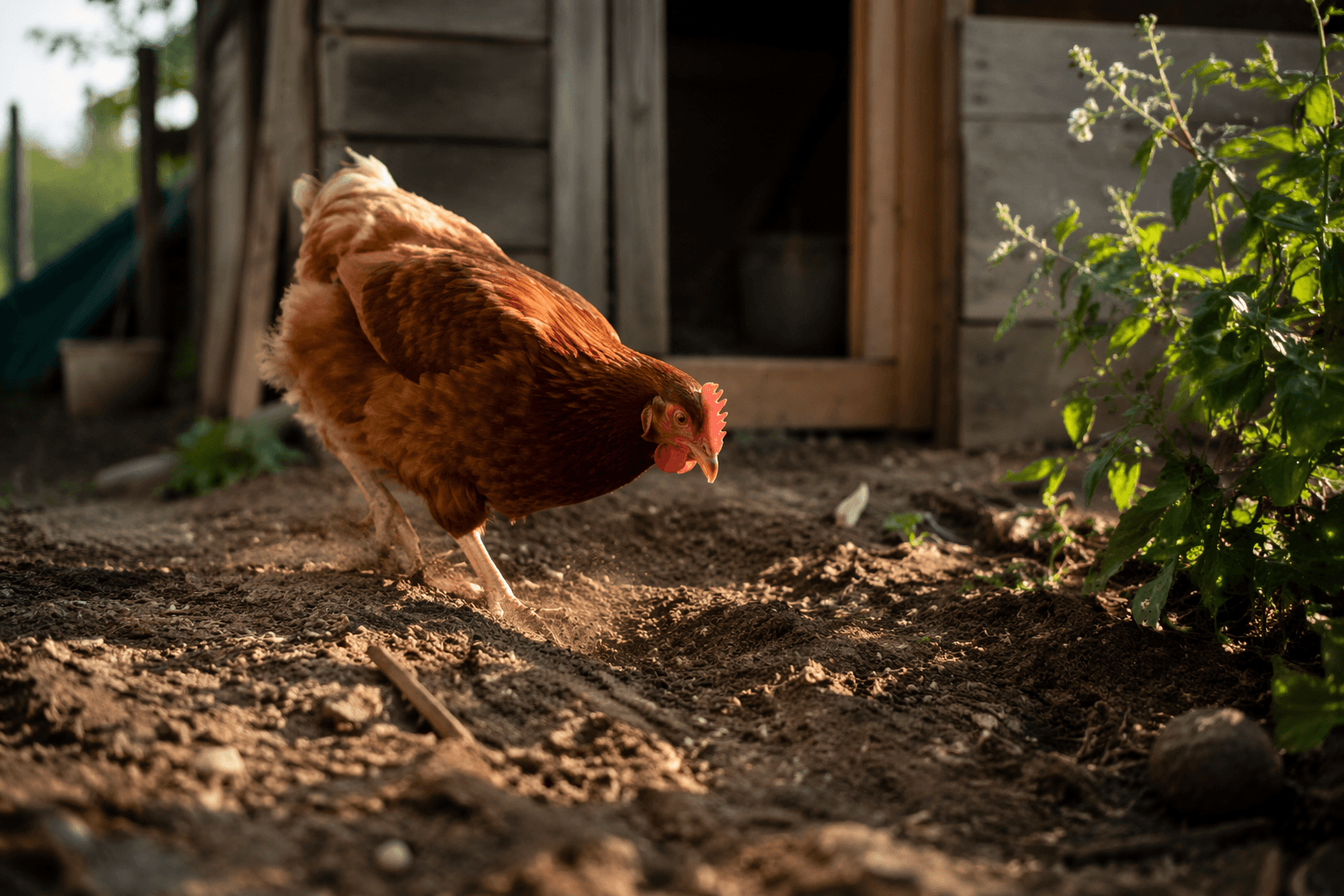
Chickens spend about 61% of their active time foraging and feeding. Alabama Cooperative Extension System calls foraging a highly motivated behavior, and that drive does not switch off just because feed is sitting in a bowl. When a flock cannot scratch, peck, and hunt through litter every day, the first warning signs often show up in behavior before they show up in production.
Read the flock like a maintenance report
The fastest way to manage a backyard flock is to treat behavior as a checklist. Dust bathing, preening, stretching, wing flapping, tail wagging, and steady ground scratching are all normal maintenance behaviors, and they tell you the birds have time, space, and the right surface to work with. When those behaviors fade, or when the flock starts pacing, feather pecking, or withdrawing from the group, something in the setup usually needs attention.
In backyard flocks, the 2014 survey of 1,487 U.S. owners found that 71% kept fewer than 10 chickens and 70% had been keeping chickens for less than five years. Most were small flocks run by people who wanted practical value as well as a hobby, with 95% naming home food use, 63% naming gardening partners, and 57% naming pets as major reasons for keeping birds. The same survey put minimizing predation at the top of the challenge list at 49%, followed by affordable feed at 28%, soil management at 25%, and zoning compliance at 23%.
Why scratching and pecking matter every day
Foraging is not a side activity for chickens. It is a highly motivated behavior, and it even has a name, contra-freeloading, when chickens still work for food even when feed is readily available. In plain backyard terms, that means a bird that has nothing to do will often invent trouble, from aggressive feather pecking to egg eating and, in severe cases, cannibalism.
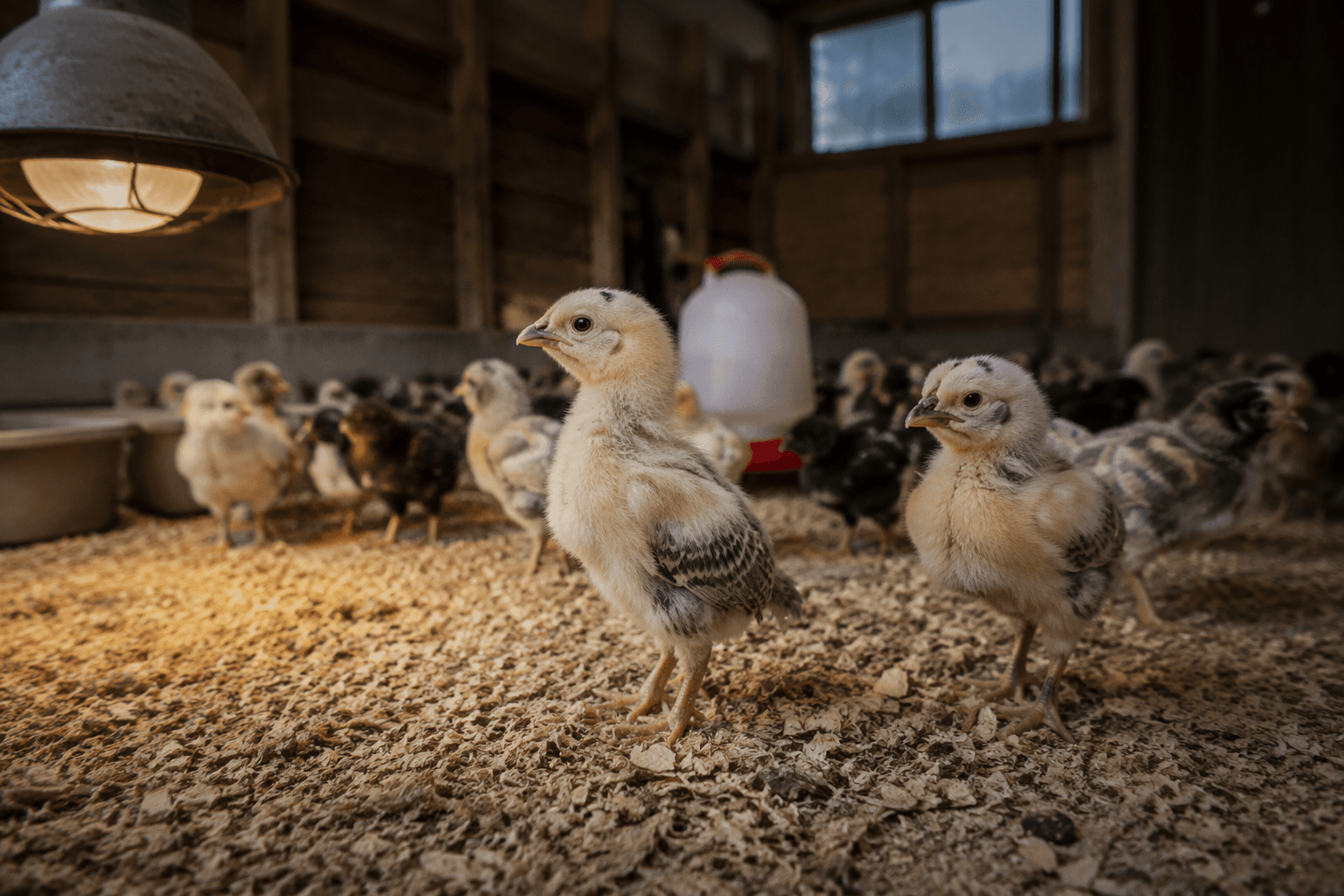
You can use that information immediately in the run and the coop. Scatter feed in litter instead of serving every meal in one fixed dish, hang greens so birds have to stretch and peck, and keep some loose ground cover available so they can scratch through it.
A useful clue is the social side of foraging. Synchronized foraging can reduce predation risk because birds take turns watching while others eat. That makes a covered run, visual cover, and space to spread out practical parts of the setup for a flock that forages together without crowding.
Dust baths are not a luxury
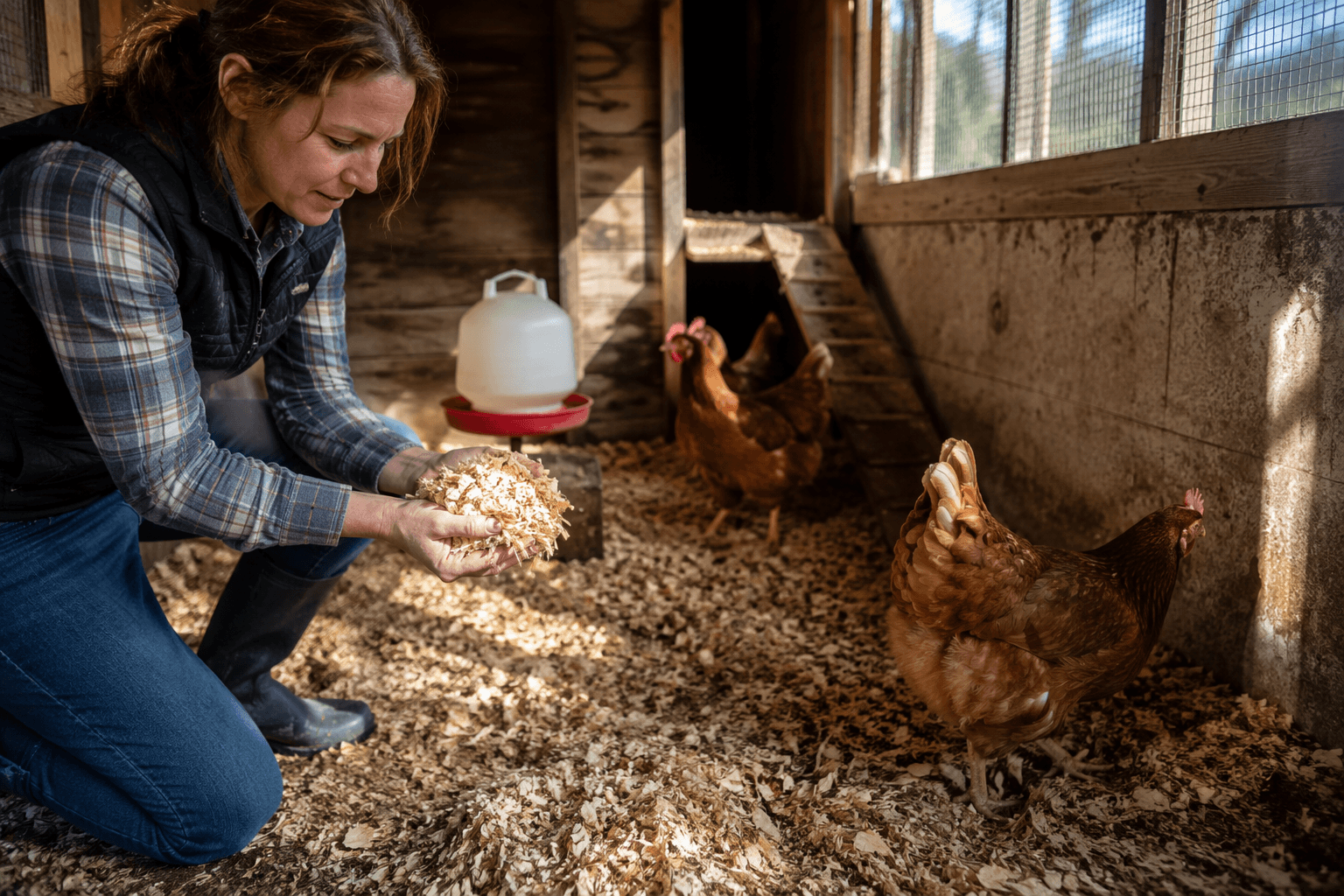
Dust bathing is one of the clearest signs that a bird is comfortable enough to take care of its feathers. University of Georgia Cooperative Extension, University of Maryland Extension, and University of Arizona Cooperative Extension all tie dust bathing to loose material such as sawdust or sand, cleaner feathers, and fewer external parasites and other ectoparasites.
Poultry lice and mites are common backyard pests, and those pests can drag down both bird health and egg production. A dry, loose dust-bath area is therefore part of parasite control, not just enrichment. If your birds are digging in the wrong place, such as a muddy corner or a feed pan, the fix is usually to add a dedicated dry patch with fine material and keep it replenished.
When dust bathing disappears, look for a husbandry problem first. Wet ground, compacted litter, overcrowding, or a lack of loose substrate can push birds into sham or vacuum bathing, and that is often a sign they are trying to meet a normal need in a bad environment. Give them a better surface and the behavior usually returns on its own.
Roosting reveals whether the coop is working
Chickens prefer perches, and they usually start roosting at about 1 to 2 weeks of age. They also tend to settle onto roosts around dusk, which makes the evening routine one of the best times to read the flock. If young birds cannot reach a perch, older birds avoid a roost, or the flock starts piling in a corner instead, the coop design is getting in the way.
Virginia Tech Cooperative Extension recommends environmental enrichments such as perches or platforms that allow roosting at elevation, along with straw, hay, or other substrate that stimulates exploration and play, to support birds’ health and mental state. That is a direct management cue: perch height, spacing, and accessibility affect bone strength, foot health, and feather condition.
- Add a lower perch for younger birds or heavier breeds.
- Keep roosts stable and easy to grip.
- Give birds a dry, textured floor material that supports scratching.
- Make sure birds can move from floor to perch without crowding.
A few practical adjustments often solve the problem:
When behavior changes, the coop is speaking
Pacing, quiet withdrawal, heat-avoidance, and roosting changes are not random quirks. They are the flock’s way of saying that space, comfort, shade, airflow, or social balance is off. A bird that stays away from the group may be avoiding competition, a bird that paces the fence line may be looking for room or stimulation, and a bird that quits using the roost may be telling you the perch is too high, too crowded, or too exposed.
The most useful daily habit is simple observation. Watch whether the birds scratch across the full run or only in one corner, whether they dust-bathe in loose material or hunt for a dry patch elsewhere, and whether they settle onto perches smoothly at dusk or hesitate at the coop door.
A 2025 Centers for Disease Control and Prevention report found that backyard poultry flocks have occasionally been infected with avian influenza A viruses, and a survey of 638 U.S. backyard flock owners found incomplete knowledge about bird flu signs and symptoms in humans and birds.
This article was produced by Prism’s automated news system from verified source data, official records, and press releases, then run through automated quality and moderation checks before publishing. The system is built and supervised by the people who set the standards it runs under. Read our full AI policy.
Did this article answer your question?