Why some hens lay blue eggs, the genetics behind the color
Blue eggs are genetics in plain sight: breed choice, not feed, determines the color, and that changes how you buy chicks and plan hatches.
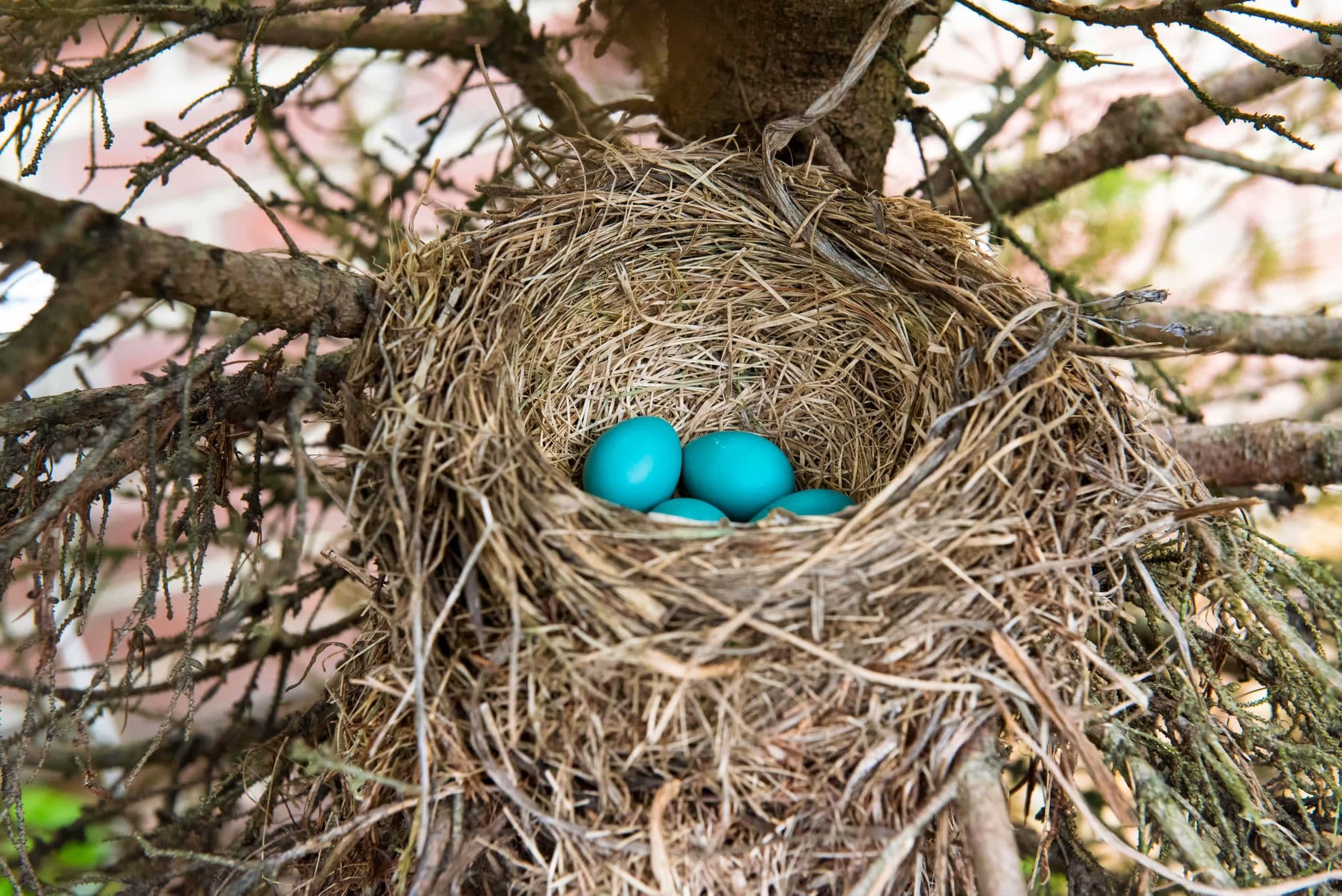
A blue egg is not a coop novelty or a feed trick. It is a visible inheritance pattern, written into the hen long before the shell ever forms, which is why breed choice matters so much when you are building a flock with a specific egg basket in mind.
Blue shells start with genetics, not the feeder
Michigan State University Extension says egg color is determined by the genetics of the hen, and the breed usually gives away what color she will lay. Texas A&M AgriLife Extension makes the same point in plainer backyard terms: the color of an egg is primarily determined by the chicken’s genetics, not by what you pour into the grain bucket. That means a blue egg is not something you can manufacture with supplements or coax out of a brown-egg breed with better nutrition.
For backyard keepers, that distinction matters because egg color becomes part of flock planning. If you want blue eggs in the nest box, you are shopping for specific breeds or specific breeding outcomes, not just any healthy bird. The color is one of the clearest ways to see inheritance working in real time, which is part of why blue-egg layers hold such a strong appeal in hobby flocks.
What makes the shell blue
The science is more specific than a simple “blue gene” label. A PLOS Genetics study reported that the blue eggshell phenotype comes from an endogenous avian retroviral insertion that increases SLCO1B3 expression in the uterus, also called the shell gland, of the oviduct. In plain language, the hen’s body deposits the blue pigment biliverdin into the shell as it is forming, so the color runs through the shell itself instead of sitting on top of it.
That last part is important. Blue eggs are colored throughout the shell, not just on the outside surface like brown eggs. Crack one open and the color difference still makes sense, because this is not paint or dust on the shell, it is built into the shell structure itself. In the language of breeding circles, that is the difference between a cosmetic effect and a trait.
OMIA classifies blue eggshell color in chickens as a single-gene, autosomal dominant trait. It also notes that the trait was first described in American Araucana chickens by Punnett in 1933. That makes blue eggs one of the classic examples of how a single inherited trait can shape both a bird’s value to a breeder and the look of a whole flock.
Why breed names matter when you are buying birds
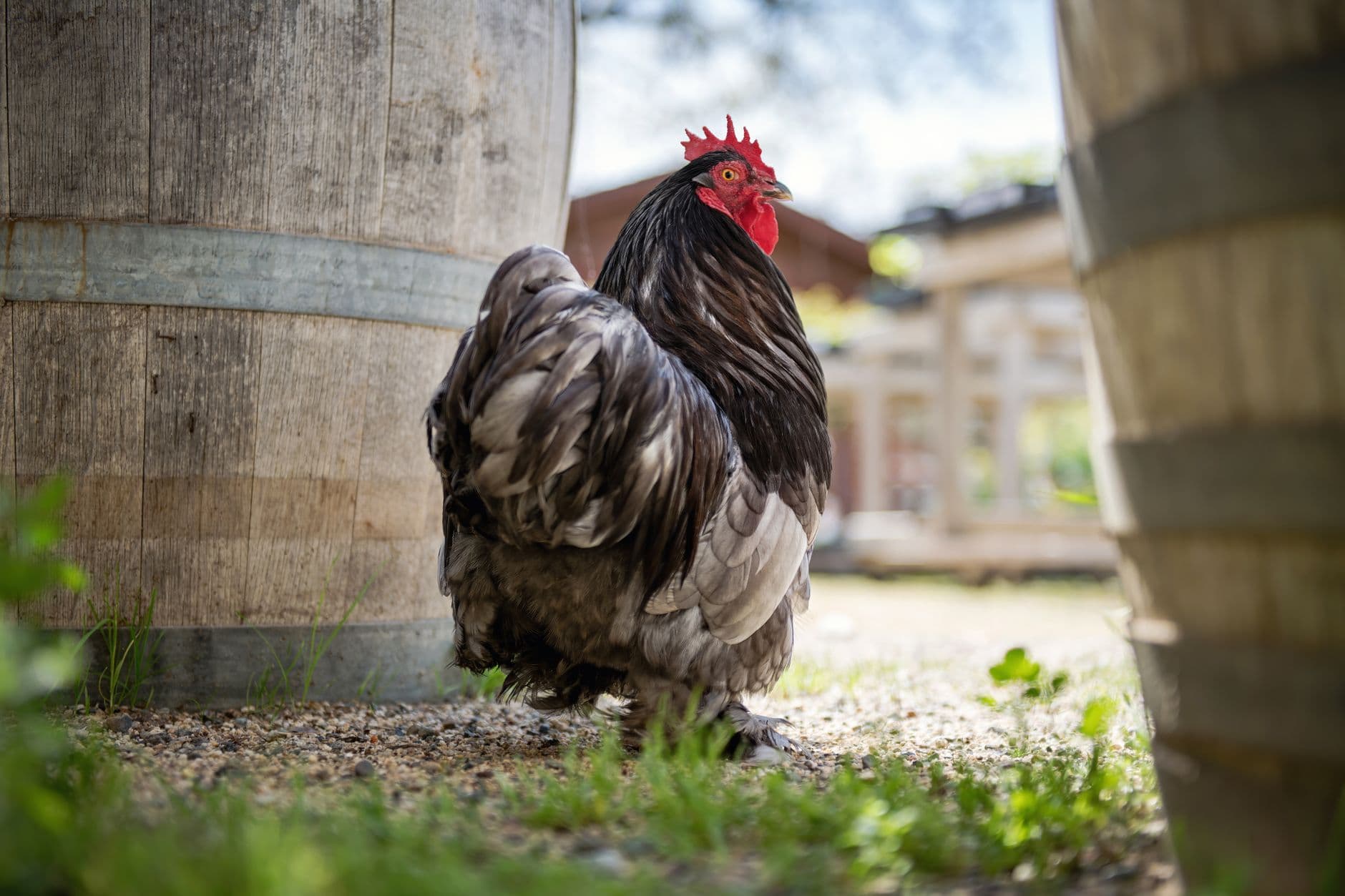
The breed of the hen usually tells you a lot about the egg color she will produce. Ameraucanas lay blue eggs, Leghorns lay white eggs, and Orpingtons lay brown eggs. That makes breed selection the most useful buying decision if shell color is one of your goals, because the bird is carrying the recipe already.
Texas A&M also points out an olive egger, a favorite term in backyard circles, comes from crossing a brown-egg layer with a blue-egg layer. That is where shell color gets more interesting than the simple blue-versus-brown split many beginners expect. Once you start crossing layers, you can move into tinted, olive, or other mixed shades, and that is part of the fun for people who like to experiment with hatching eggs and breeding plans.
The practical takeaway is simple: if you buy chicks expecting blue eggs, the label matters. If you buy hatching eggs expecting one color and hatch a crossbred bird, the adult may not lay what you pictured. Egg color is inherited, but inheritance still follows the parents you actually put together, not the color you hoped to see.
Araucanas, Ameraucanas, and the confusion in the backyard
Blue-egg breeds have also carried a lot of identity confusion. University of Florida Extension says the blue shell color is genetically dominant and that crossbreeds can still lay blue or tinted eggs, which is one reason people have mistaken hybrids for purebred Araucanas. University of Minnesota Extension adds that many birds called Araucanas were actually crossbreds carrying the blue shell gene, which muddied breed identity for years.
That confusion still matters because it affects how people talk about breeding stock. The Livestock Conservancy says hybrid blue-egg varieties have threatened the long-term security of Araucanas by making purebred identification difficult, and Oklahoma State University notes that breeders have worked to standardize the population and gain breed recognition. For anyone buying birds to preserve a breed line, that is more than trivia. It is the difference between maintaining a genuine breed and simply keeping a bird that happens to lay blue eggs.
The Ameraucana was developed in the United States in the 1970s as a way to keep the blue-egg trait while avoiding some of the genetic complications tied to Araucanas. The Ameraucana Breeders Club says breeders were working on their own strains in the 1970s and 1980s, and the Ameraucana Alliance says bantam Ameraucanas were developed in the 1970s and lay medium pastel-blue eggs. For backyard keepers, that history explains why breed names are not interchangeable, even when the eggs look similar in the carton.
What to look for when you want blue eggs on purpose
If the goal is a colorful egg basket, the cleanest path is to start with a breed known for the shell color you want. That means reading breed descriptions carefully, asking what color the hens actually lay, and separating purebred birds from crosses sold under a blue-egg label. The shell color is predictable when the genetics are known, but it is easy to get mixed results if the breeding history is vague.
A practical buying mindset looks like this:
- Choose the breed first if egg color matters to you.
- Treat “blue-egg layer” as a description, not a guarantee of purity.
- Ask whether the bird is a purebred, a crossbreed, or an olive egger.
- Remember that blue, tinted, and olive shells all come from specific parentage, not from feed.
That is why blue eggs have such staying power in backyard poultry. They are eye-catching, yes, but they are also a lesson in heredity you can collect in a nest box. The color does not begin with a novelty or a marketing claim, it begins with the bird you bring home, and the shell in your hand is the proof.
This article was produced by Prism’s automated news system from verified source data, official records, and press releases, then run through automated quality and moderation checks before publishing. The system is built and supervised by the people who set the standards it runs under. Read our full AI policy.
Know something we missed? Have a correction or additional information?
Submit a Tip