Winter coop care tips to prevent frostbite and frozen waterers
Sealing the coop too tight can do more harm than a cold snap. The fix is dry bedding, steady water, and ventilation that blocks wind without trapping moisture.
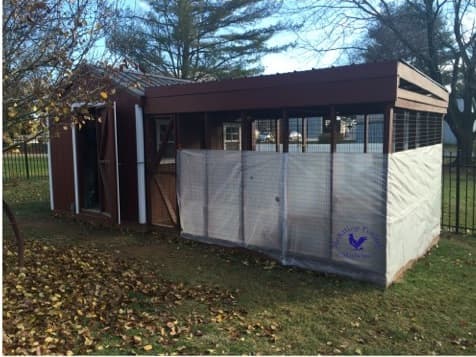
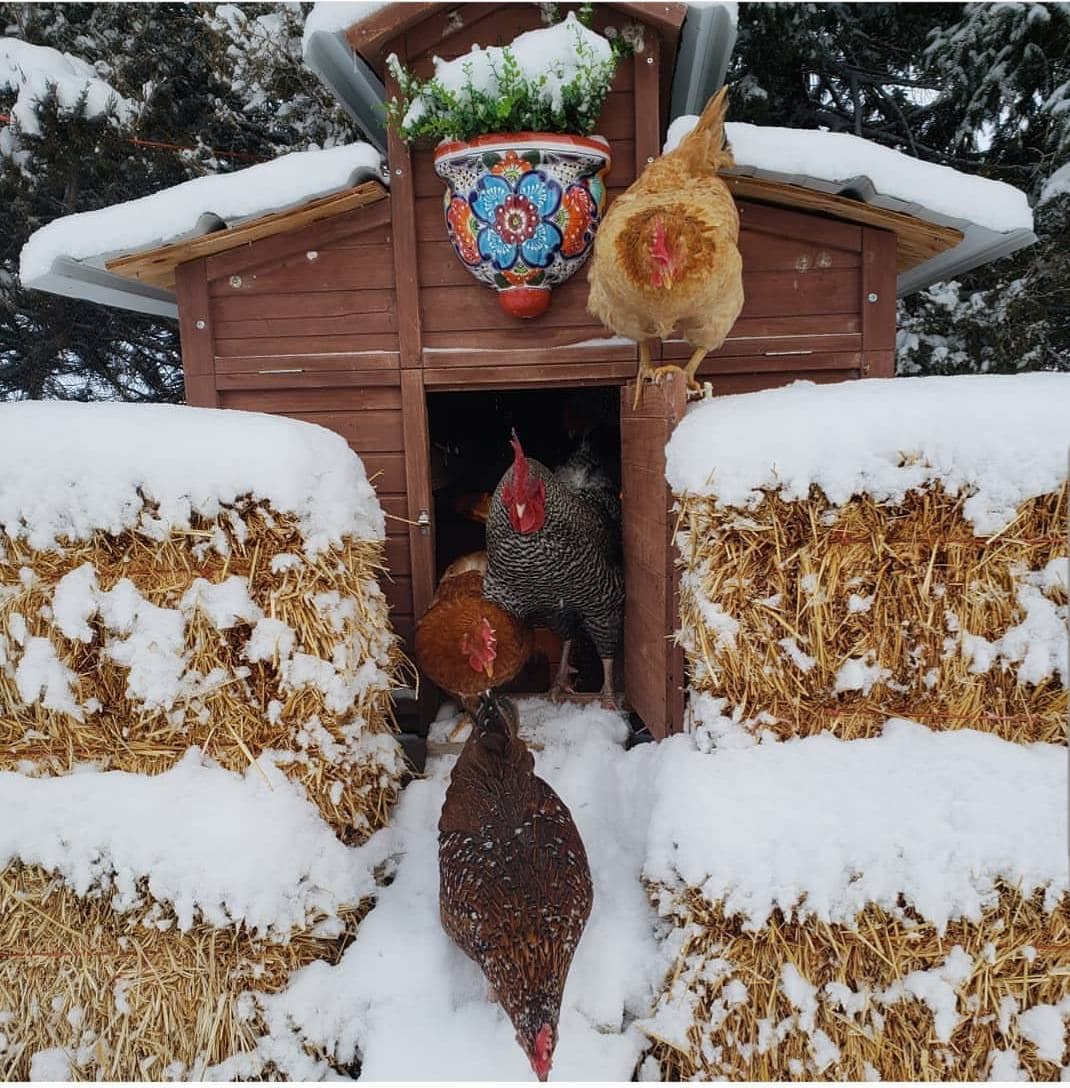
Sealing every gap in a chicken coop for winter can turn it into a damp box where moisture, ammonia, and frostbite show up together. A coop should block wind, rain, and snow, stay dry underfoot, and still let stale air escape.
Build for dryness, not just warmth
A winter coop needs a solid roof, sealed gaps, and enough protection to keep precipitation, drafts, and rodents out, University of New Hampshire Extension advises. At the same time, it still has to breathe, because droppings release moisture and ammonia that you do not want hanging in the air all night.
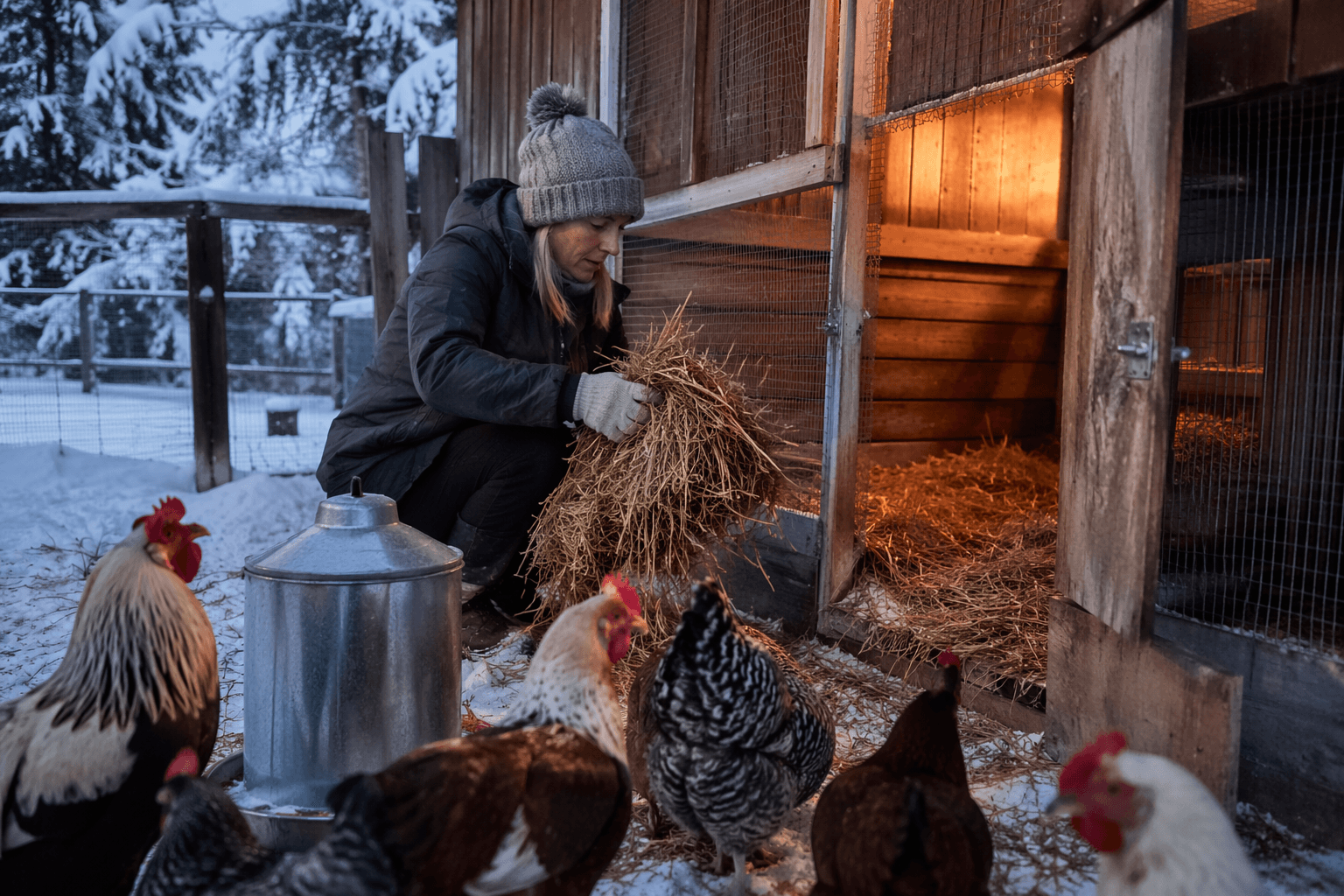
That matters more than chasing a perfectly warm interior. A coop that feels cozy to you can still be unhealthy for the birds if it turns wet and stale. Illinois Extension advises a 6 to 12 inch layer of dry bedding to help insulate the birds and keep feet warm, and roosts and nesting boxes should stay clean. If the litter is damp, the birds lose the very insulation they need to ride out a freeze.
The target is simple: dry, draft-free, and well-ventilated. That does not mean wide-open air leaks. It means controlled airflow high enough and smart enough to move moisture out without blasting the flock at roost level.
Know which birds are built for the cold
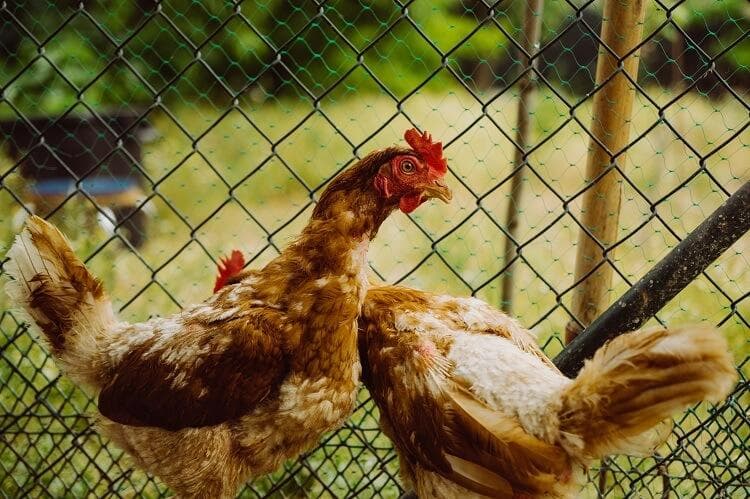
Breed choice will not solve winter for you, but it can make the season easier to manage. Ohio State Extension recommends cold-tolerant breeds such as Ameraucanas, Anconas, Black Australorps, Brahmas, Buff Orpingtons, Cochins, Delawares, Dominiques, Langshans, New Hampshires, Plymouth Rocks, Rhode Island Reds, Speckled Sussex, and Wyandottes. Those birds tend to handle the season better than hotter-climate breeds that struggle once the temperatures drop.
Even then, cold-hardiness has limits. Comb and wattles can still freeze, which is why breed choice is an assist, not a guarantee. Hardy birds still need daily checks, because the vulnerability is not whether the breed is “winter proof,” but whether the coop, water, and litter are managed before the first hard freeze settles in.
Keep water flowing before the thaw becomes a problem
Frozen waterers are not a minor inconvenience. Once the flock cannot drink regularly, everything else gets harder, from keeping body temperature up to maintaining egg production. Illinois Extension says chickens need access to water at least every 10 hours, which makes a reliable winter water plan one of the first decisions you need to make.
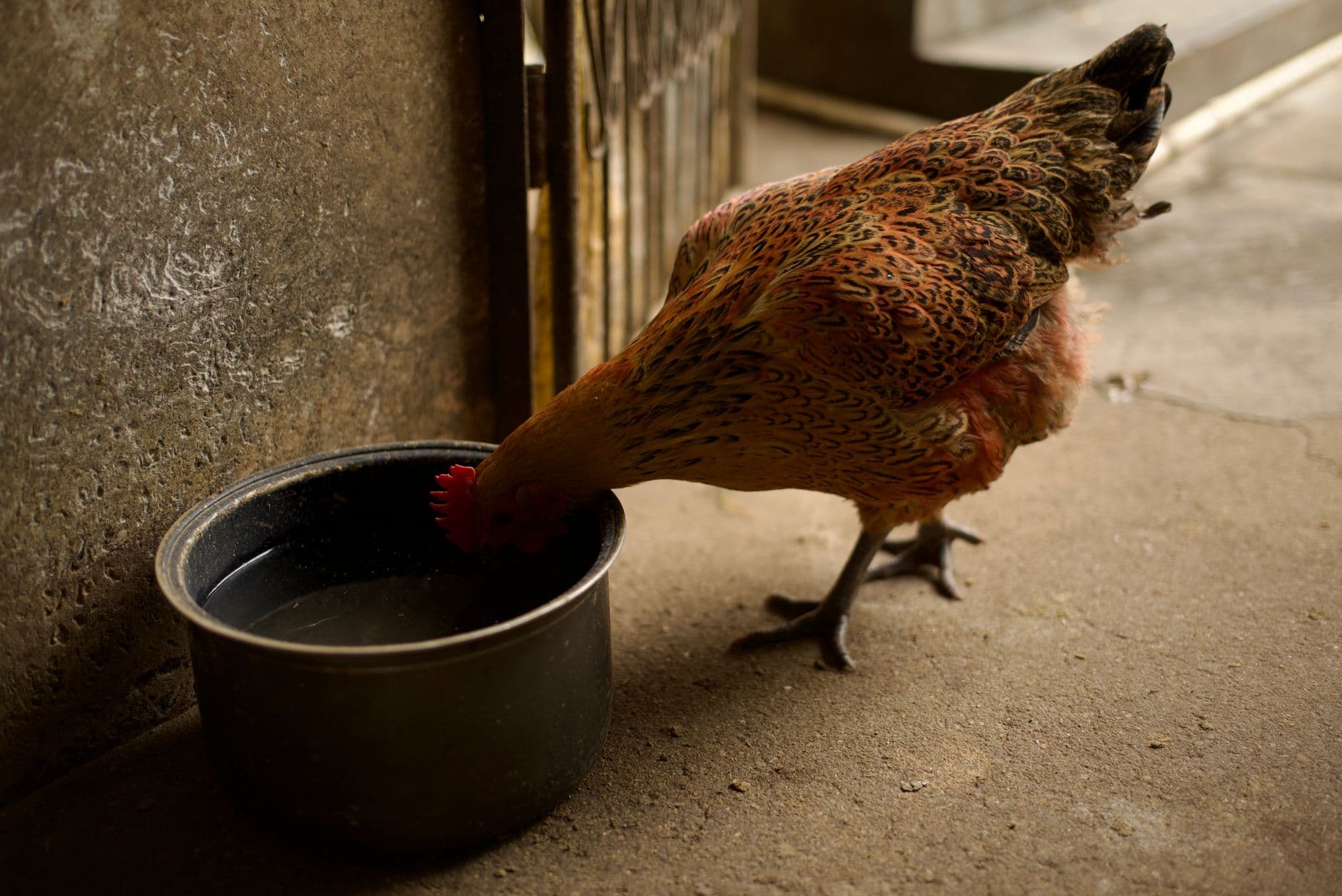
A heated bowl or a water heater can keep water from freezing, but the setup has to be safe. Keep cords off the floor and out of the birds’ reach so they are not pecked, dragged, or damaged in the coop. The goal is steady access, not a tangle of extension cords sitting where wet bedding and curious beaks can reach them.
If you wait until water turns to ice, you are already behind. Set the heating plan before the first hard freeze and make it part of your daily check.
Feed for heat, movement, and healthier litter
Illinois Extension recommends free-choice feeding because chickens often need more food in winter to stay warm. Another practical option is scattering high-energy grains or oilseeds in the evening, which encourages activity right before roosting.
It gets birds moving, which helps turn over litter and can reduce pecking at each other. Winter coops can get sluggish, so encouraging natural foraging gives you a cleaner floor and a more active flock.
Feed and bedding work together here. If the birds are scratching through dry litter instead of standing in damp bedding, they are helping manage the coop themselves. If the litter is wet or matted, the whole system starts to fail, and the birds lose warmth from the ground up.
Watch the parts that freeze first
Frostbite usually starts where skin is exposed: combs, wattles, and feet. That is why the everyday winter check matters more than the calendar. Look for birds holding back from the flock, combs that look pale or damaged, waterers with ice starting to form, and bedding that has stopped feeling dry.
A useful winter routine is short and specific: 1. Check that water is open and reachable. 2. Feel the bedding near the roosts and nesting boxes. 3. Make sure the coop is still blocking wind and snow. 4. Look at combs and wattles for signs of freezing. 5. Confirm the heater cord, if you use one, is secure and out of reach.
This article was produced by Prism’s automated news system from verified source data, official records, and press releases, then run through automated quality and moderation checks before publishing. The system is built and supervised by the people who set the standards it runs under. Read our full AI policy.
Did this article answer your question?