Generation Analog 2026 expands green theme into design and accessibility
Generation Analog 2026 treats green design as a systems problem, pushing tabletop creators to rethink materials, mechanics, accessibility, and what “eco-friendly” really means.
A free online conference is taking “green” out of the marketing lane and putting it on the designer’s workbench. Generation Analog 2026 is using sustainability, accessibility, and academic research to ask a harder question than “can this game use less cardboard?”: can the whole play experience reflect the values it claims?
Green as a design brief, not a finish color
The event, organized by Analog Game Studies and Game in Lab, runs Wednesday and Thursday, July 15 and 16, 2026. It is free, open to the public with registration, and every presentation will be recorded and posted afterward, which makes the conversation usable well beyond the two-day schedule. That format matters in a hobby where design ideas often travel faster than the production realities behind them.
What stands out here is the scope. The program does not treat environmental design as a narrow manufacturing issue. It asks how games communicate environmental ideas, how publishers talk about sustainability, and whether those claims show up in the rules and play experience rather than just the box copy. That is where the useful pressure lives for designers: in the gap between a green message and a green system.
What this means at the table
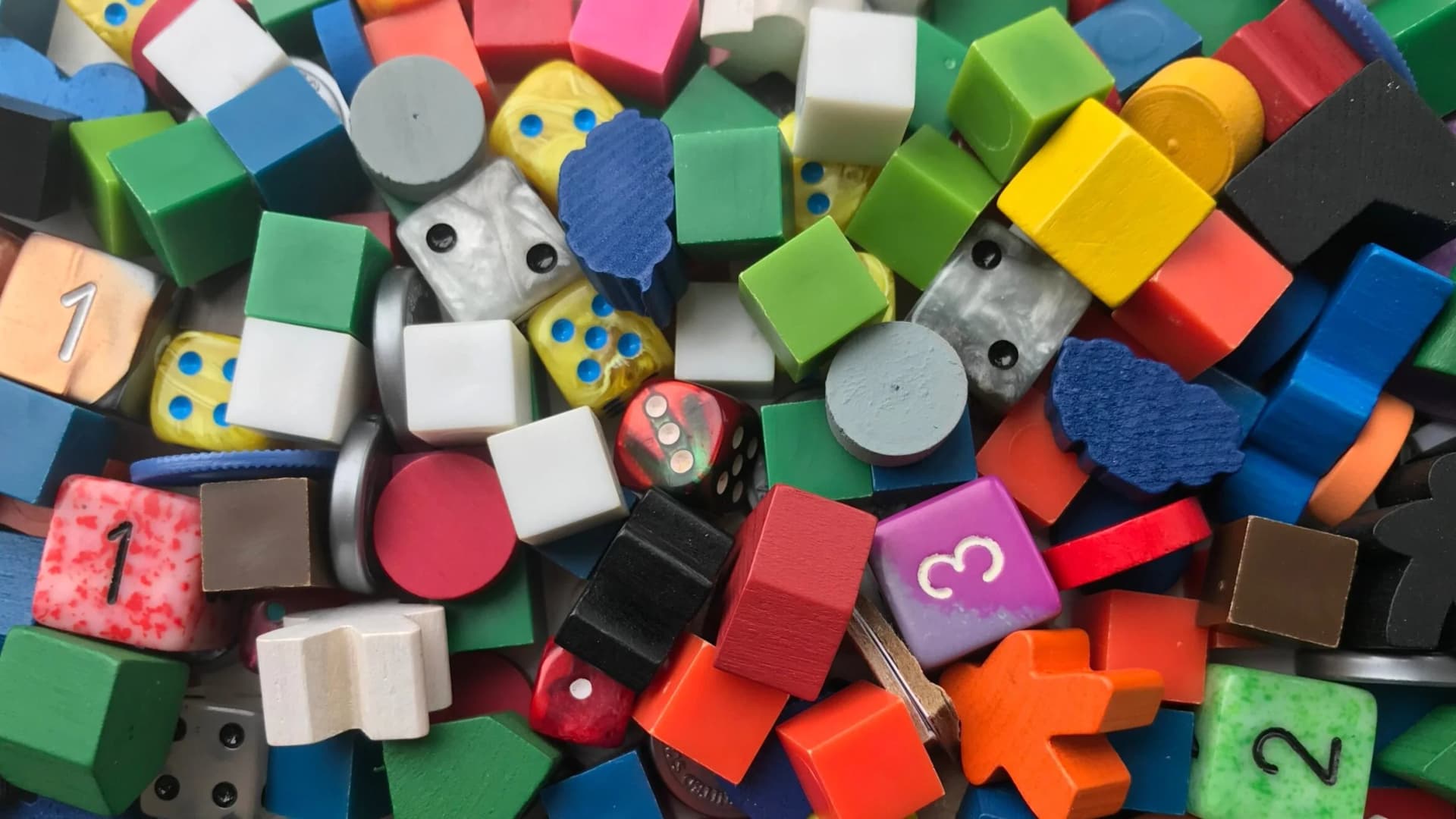
For working designers, the practical lesson is that sustainability has to survive contact with the rest of the design brief. A smaller component count is not automatically better if it flattens tension or removes the tactile readability that makes a game usable. Similarly, swapping in recycled materials does not solve much if the core experience still relies on oversized inserts, redundant punchboards, or miniatures that could have been represented more efficiently with standees or tokens.
The conference’s framing also forces accessibility into the same conversation. If sustainability is only measured in packaging weight, you miss the players who need larger iconography, clearer color contrast, less fiddly setup, or component shapes that are easier to handle. The real design challenge is balancing ecological restraint with usability, teaching clarity, and production sanity without sanding away the personality that gives a game its table presence.
From gamewashing to system design
Among the highlighted sessions, Plastic Dystopia: Ideas towards More Sustainable Miniaturing Practices looks directly at the ecological footprint of miniatures. That is not a trivial side issue for this hobby, where plastic figures often function as the visible badge of “premium” production. The more useful question for designers is whether those minis are doing meaningful gameplay work, or just signaling value through volume.
That connects cleanly to How Green Is Green Play? Gamewashing in Analog Board Games, which looks at the mismatch that can appear between environmental messaging and actual mechanics. A game can speak in the language of sustainability while still rewarding extraction, overconsumption, or exploitative growth in play. For designers, that is the sharpest warning in the lineup: if the system pushes players to act one way while the theme says another, the game is not just inconsistent, it is teaching two different lessons at once.
The climate-game lens is getting less comfortable, and that is useful
The keynote from Matteo Menapace lands in the center of that tension. Menapace co-designed Daybreak with Matt Leacock, and the game won the 2024 Kennerspiel des Jahres as e-Mission in Germany. Daybreak is a cooperative board game about stopping climate change, and its optimistic near-future framing has made it a touchstone for climate-conscious design.
The conference is not stopping at optimism, though. Researchers from the University of York’s Play for the Planet effort are presenting an analysis of five climate-change board games, and their angle is a productive one for designers: many of these games still lean on existing economic assumptions instead of challenging the colonial and capitalist roots of the crisis they depict. That is a much tougher brief than “put climate change on the cover,” because it asks whether the game’s economy, incentives, and victory conditions are reproducing the very logic it claims to criticize.
Representation, identity, and who gets welcomed in
The program’s range also makes clear that sustainability is being treated as part of a larger design ecosystem, not a silo. Sessions on newcomer experiences, representation, identity, game history, and design philosophy widen the frame from what games are made of to who feels invited to play, learn, and contribute. That matters because a hobby that wants broader participation cannot keep treating accessibility as an afterthought and inclusivity as a marketing layer.
That broader lens is one reason the conference feels more useful than a standard industry panel about greener manufacturing. It is not only asking how to reduce waste. It is asking how the hobby decides what counts as valuable design in the first place, and whether “premium” has come to mean “more plastic” when it could just as easily mean clearer play, better onboarding, and fewer barriers at the table.

A case study in ecological framing
Another talk takes that logic into Uwe Rosenberg’s Atiwa, which is set around a Ghanaian community near the Atiwa Range. Lookout Spiele describes the Atiwa Range as a 17,400-hectare evergreen forest reserve important for clean drinking water and biodiversity. That kind of setting matters because it shows how a board game can frame environmental stewardship through place, ecology, and human-animal relationships rather than through abstract resource tracks alone.
For designers, Atiwa is a reminder that environmental themes are strongest when they are tied to specific systems and specific stakes. A forest reserve, a water source, and a local community are much more legible than a generic “save the planet” premise. The difference is not cosmetic. It changes how players understand interdependence, what they are protecting, and what the game asks them to value when every action has a cost.
Why the conference format matters
Generation Analog itself has become a useful container for this kind of thinking because it is built around open access. Analog Game Studies describes itself as a volunteer-run, open-access journal dedicated to the academic and popular study of games with a substantial analog component. Game in Lab, meanwhile, is a board-game research support program created through a collaboration between Asmodee Research and the Innovation Factory. That mix of academic rigor and hobby-facing discussion is exactly why the conference can move between theory, production, and play without losing sight of the audience.
The setup also continues a recent pattern. Generation Analog 2024 used the same free, online, recorded model, so this is becoming a recognizable format rather than a one-off experiment. That matters for a field where useful ideas often disappear behind ticket prices, travel budgets, and event-day gatekeeping. With recordings posted after the fact, the conversation about sustainable materials, accessible systems, and honest environmental messaging can keep shaping new work long after July 16.
Generation Analog 2026 is not selling green as a texture or a palette. It is treating it as a constraint, a research problem, and a design standard, which is exactly where the hobby needs the pressure to land.
This article was produced by Prism’s automated news system from verified source data, official records, and press releases, then run through automated quality and moderation checks before publishing. The system is built and supervised by the people who set the standards it runs under. Read our full AI policy.
Did this article answer your question?