400-Year-Old Bonsai Survived Hiroshima Blast, Symbol of Peace and Resilience
A 400-year-old Japanese white pine survived Hiroshima’s atomic blast and now anchors the world’s first bonsai museum in Washington, D.C.
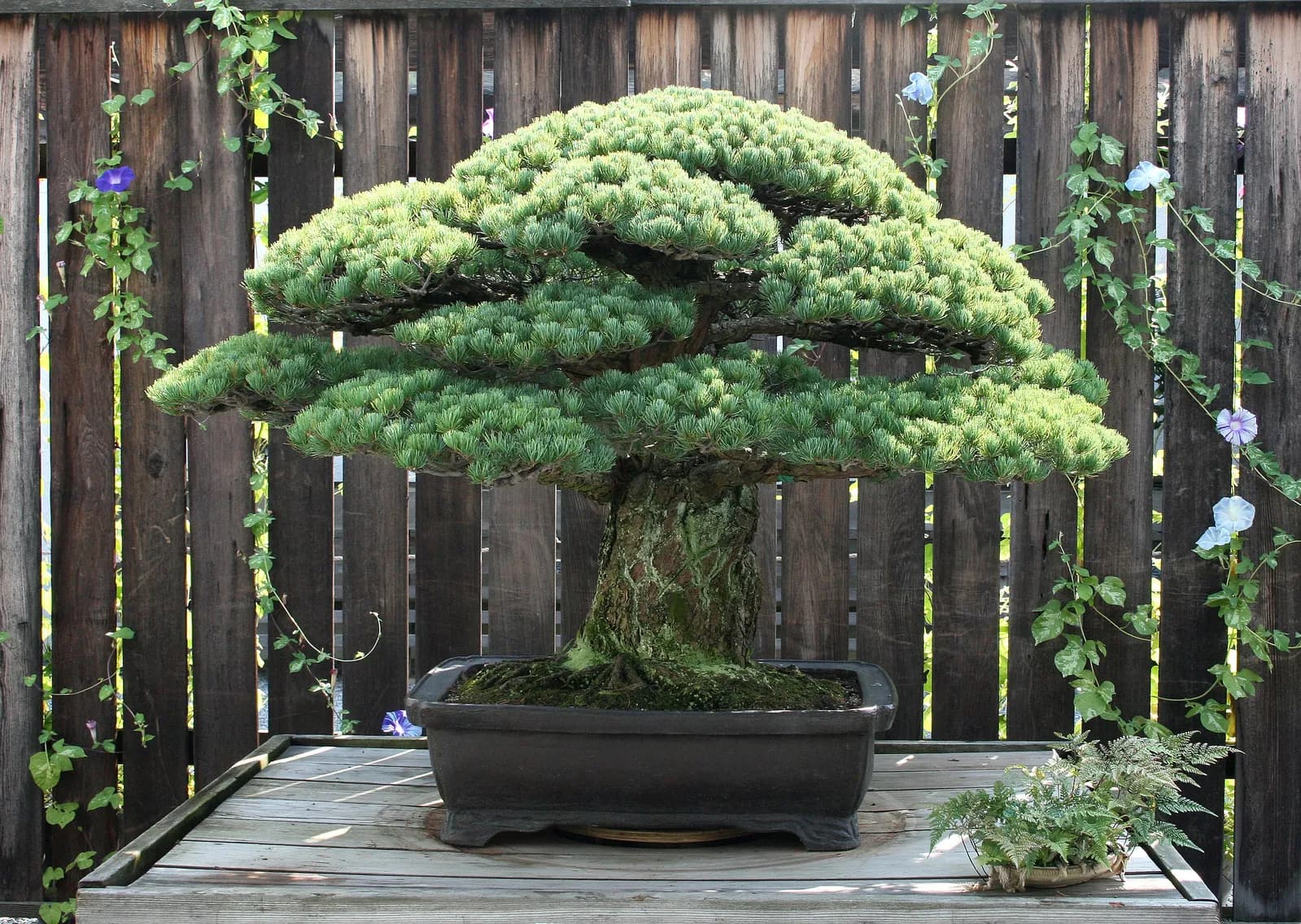
The Yamaki Pine began in 1625, survived the atomic blast at Hiroshima, and still stands as one of bonsai’s most extraordinary living survivors. The Japanese white pine was about two miles from ground zero on August 6, 1945, when the first atomic bomb used in warfare hit Hiroshima at about 8:15 a.m., yet it lived because a tall wall around the Yamaki family nursery shielded it from the worst of the blast.
Masaru Yamaki and his family survived that day, and the tree remained in Hiroshima for decades before joining a collection that would carry its story far beyond Japan. In 1976, Masaru Yamaki donated the bonsai as part of a gift of 53 trees from Japan to the United States for America’s Bicentennial. The tree was placed at the National Bonsai & Penjing Museum at the U.S. National Arboretum in Washington, D.C., where it has been displayed ever since.
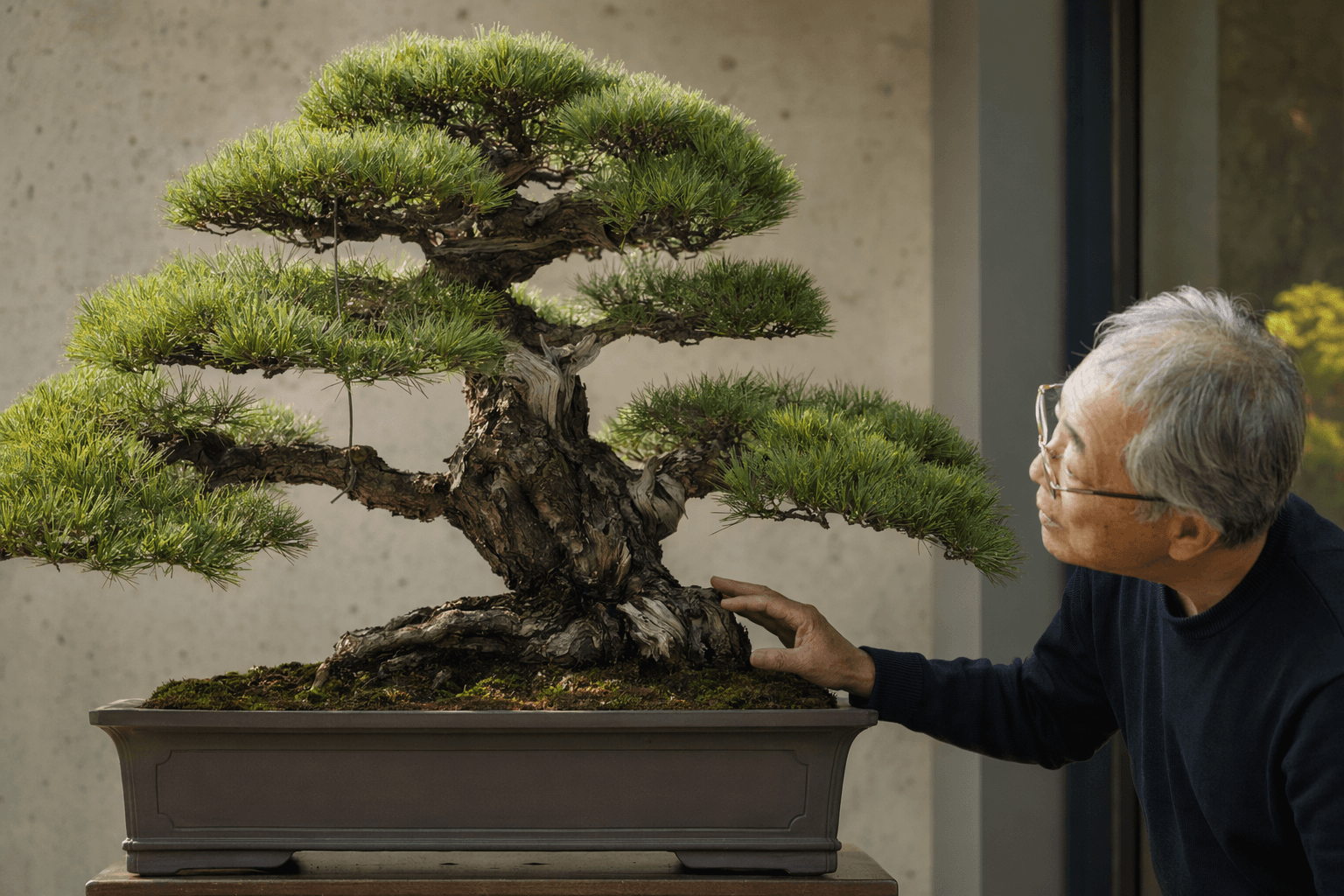
The museum was established in 1976 and is recognized as the world’s first museum devoted to bonsai. Its collection began with those 53 Japanese trees, and the Arboretum now says it draws more than 710,000 visitors a year. For years, the Yamaki Pine’s Hiroshima history was not widely known there. That changed in 2001, when two of Masaru Yamaki’s grandsons visited the museum and connected the family story to the tree on display. Later, other family members came to see it as well.
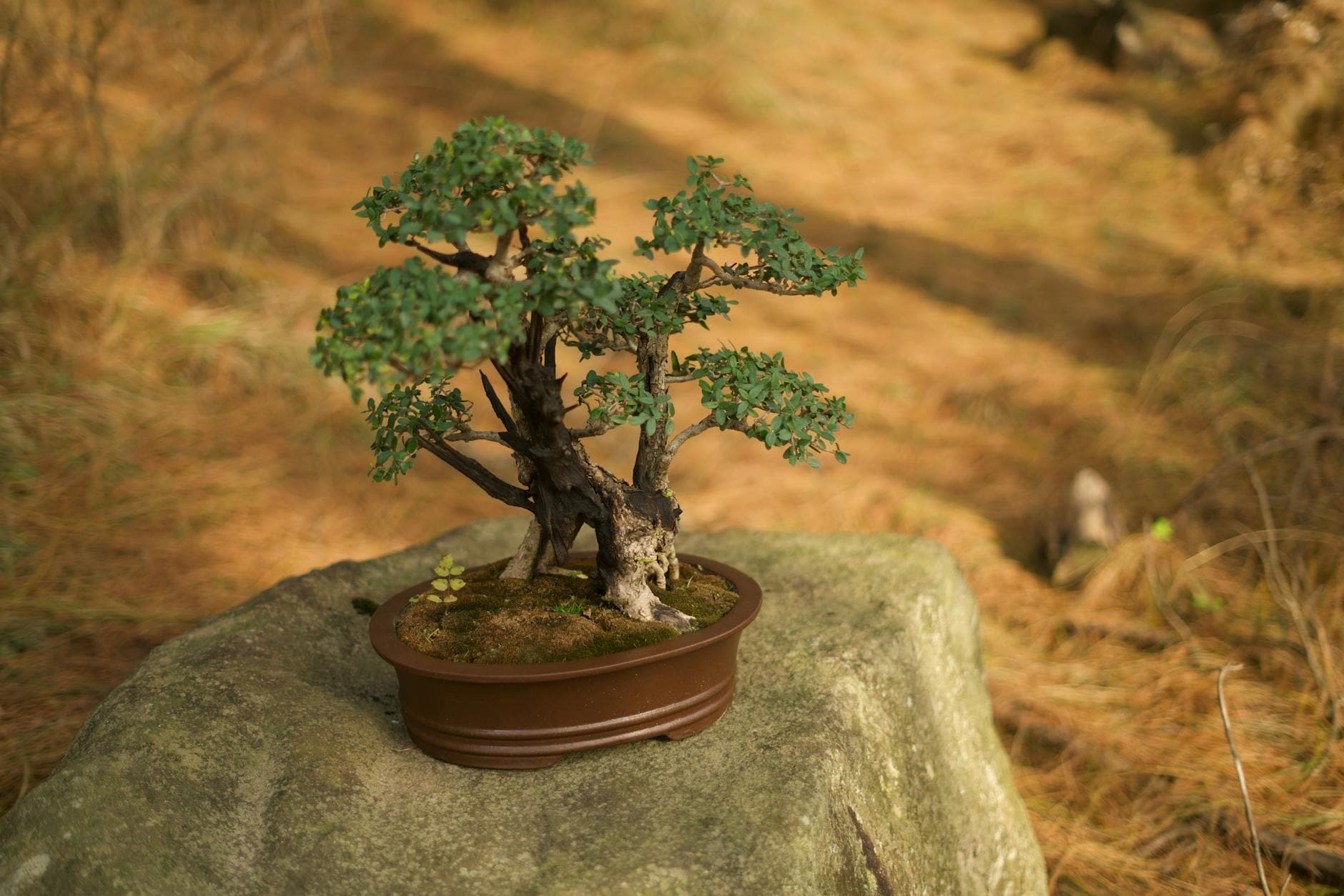
The bonsai reached its 400th anniversary in 2025, marking a milestone that puts its survival into rare perspective. Museum curator Michael James has described it as a symbol of peace, reconciliation and friendship between Japan and the United States, and that meaning has only grown as more people learn how close it came to destruction. The Potomac Bonsai Association has also noted that the tree was sheltered by a garden wall in its original growing location, another detail that underscores how fragile its survival really was. In bonsai circles, the Yamaki Pine is more than an old specimen. It is a tree that carried one family’s stewardship across centuries, endured one of the 20th century’s darkest days, and now serves as the oldest tree in the museum’s collection.
This article was produced by Prism’s automated news system from verified source data, official records, and press releases, then run through automated quality and moderation checks before publishing. The system is built and supervised by the people who set the standards it runs under. Read our full AI policy.
Did this article answer your question?