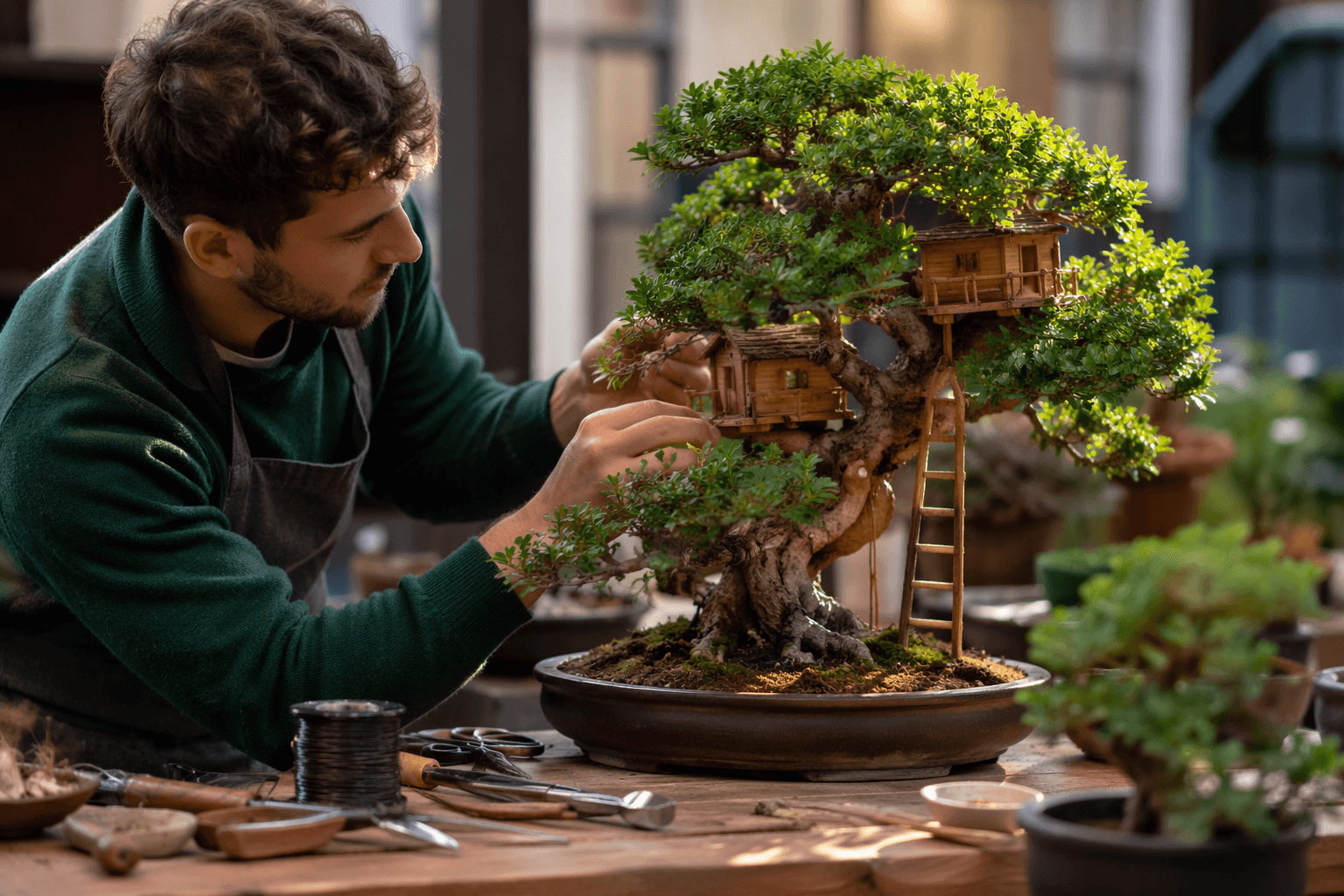
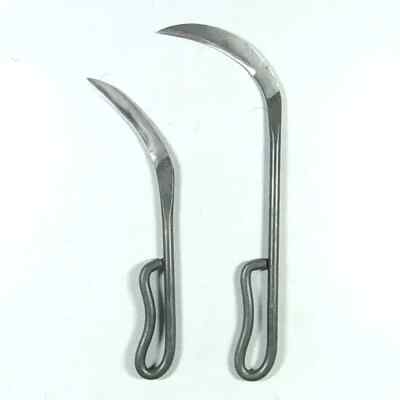
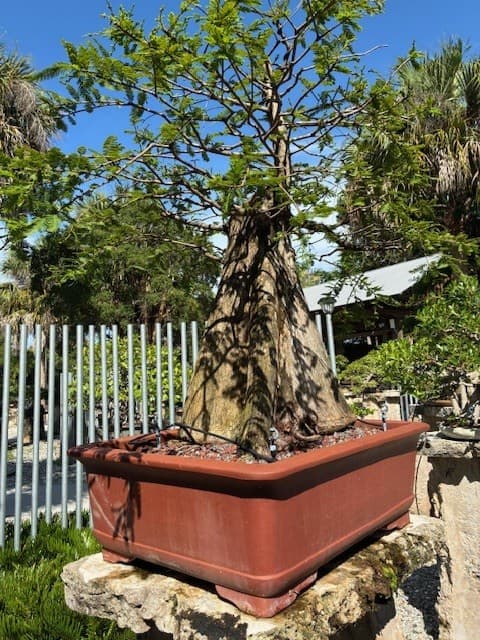
AI and IoT sensors are transforming bonsai care with real-time data
Real-time sensors can catch watering mistakes and microclimate shifts, but bonsai still lives or dies by a grower’s eye, timing, and judgment.
The real promise of bonsai tech
A bonsai does not care about your watering schedule. It cares about whether its roots are getting the right balance of moisture, air, light, and temperature in a shallow pot that can swing from ideal to stressful in a single hot afternoon.
That is why AI and IoT sensors are landing in this hobby with real practical value. They are not here to replace tree-reading, the quiet skill of noticing a dulling needle, a slight change in soil texture, or a branch that starts to lose energy. They are here to catch the mistakes that are easy to miss, especially for beginners who are still learning what healthy bonsai looks and feels like.
What the data can tell you
Watering is where smart tools have the clearest edge. Bonsai watering depends on species, pot size, season, soil mix, climate, and humidity, which means a fixed schedule can be more misleading than helpful. In a shallow container, the growing medium has to balance drainage and moisture retention in a very small volume, so the difference between safe and soggy can be tiny.
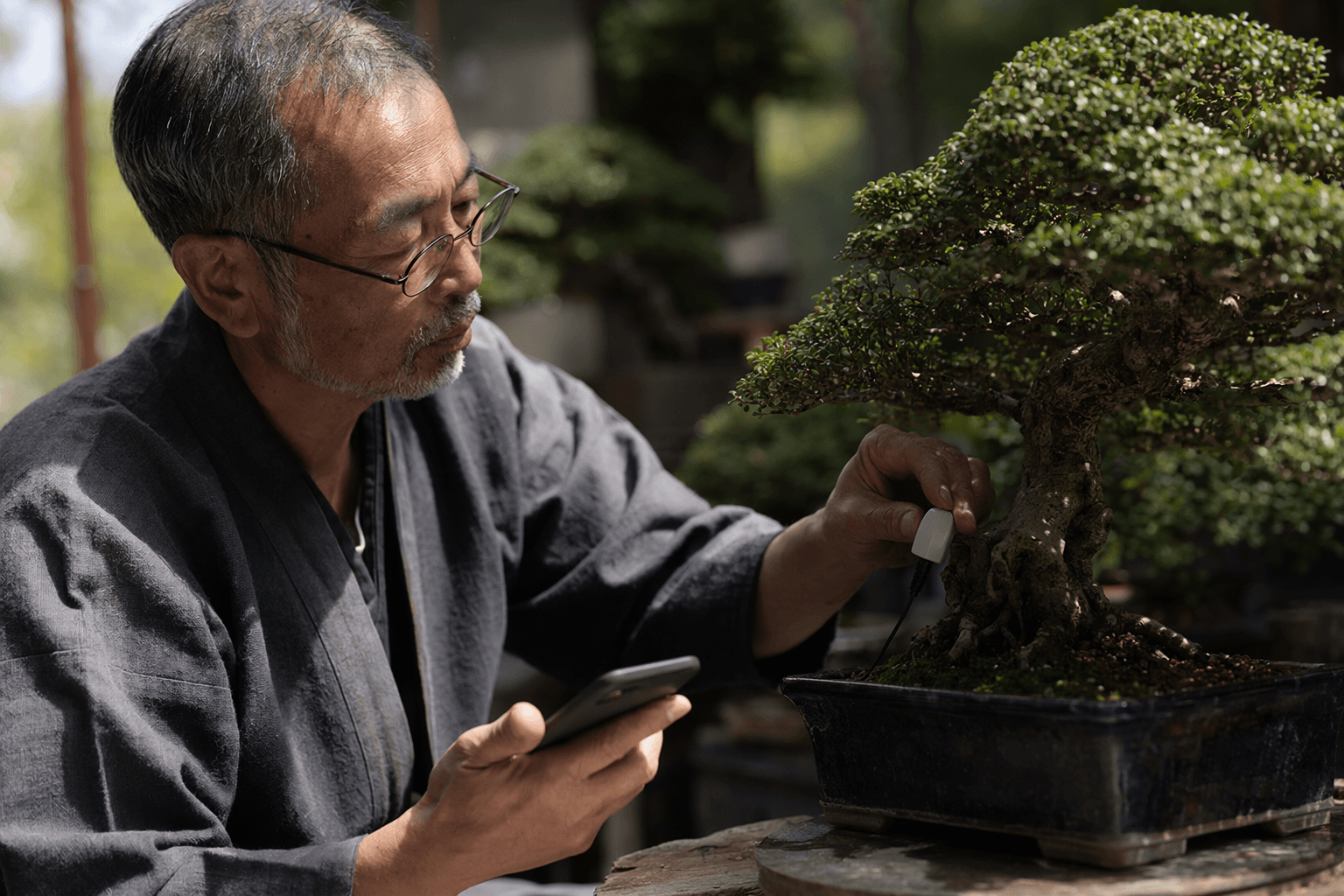
That is where sensors make sense. Recent bonsai-focused systems use IoT devices to track soil moisture, temperature, humidity, light, and sometimes pH. AI analysis can turn those readings into something actionable, nudging you toward a more precise decision instead of a guess based on habit. For a juniper in full sun, a shimpaku in a dense akadama mix, or a maple under shifting spring weather, that kind of feedback can be the difference between recovery and stress.
The strongest version of this technology is not “water when the app says so.” It is “look here first.” A moisture reading, a temperature spike, or a light drop can tell you that conditions are changing before the tree shows visible distress. In a practice built on patience, that early warning matters.
Why beginners benefit most
For newer growers, bonsai can feel like a puzzle with a hundred variables and very few obvious answers. Sensors and data analysis do one valuable thing immediately: they reduce the mystery around what is happening inside a pot. Instead of guessing whether the soil is dry two inches down or whether a tree is simply slow because of cool weather, you get a clearer picture of the microclimate around the roots.
That makes the hobby more approachable without making it easy. The tree still demands observation, but the technology helps beginners build the mental library that experienced growers already carry around. Over time, the readings become a training wheel for the eye, not a substitute for it.
The best use case is coaching. A good bonsai tool should help you notice patterns: a ficus that dries faster on windy days, a trident maple that wants a different rhythm after repotting, or a shallow pot that loses moisture much faster than expected. The numbers build confidence, but the judgment still has to come from the person standing in front of the tree.
Why small pots change everything
Bonsai is not a garden plant in a tiny container. The shallow pot changes the whole equation, and technology has to respect that. A soil moisture sensor that works in a large nursery pot can become unreliable in bonsai-sized containers, especially when the potting mix is loose or the probe placement is awkward.
Monnit’s installation guidance makes that limitation plain: its soil moisture sensor can be used in large pots, but it is not well suited for small pots or for use in potting soil. That matters because bonsai growers do not have the luxury of treating the probe like a generic yard tool. Placement, calibration, and context all matter, and a bad reading can be worse than no reading if it pushes you toward the wrong decision.
This is the part of bonsai tech that feels most like actual bonsai: precision without overconfidence. A sensor should support the grower’s sense of the tree’s condition, not override it. If the surface is dry but the root ball still has moisture, or if a recent repot has changed how quickly the medium drains, the human interpretation matters as much as the data.
A hobby built on care, not automation
The American Bonsai Society says it was founded in 1967 to provide a source of information, advice, supplies, and material for the hobby. That mission still fits the moment perfectly. Bonsai has always been about shared learning, and the arrival of sensors and AI simply adds a new layer to that exchange.
The U.S. National Arboretum’s National Bonsai & Penjing Museum shows the same truth from another angle. The collection began in 1976 with 53 bonsai trees donated by Japan for the U.S. Bicentennial, and today more than 300 specimens rotate through the display tables and pedestals. The museum’s public face depends on continual care and training, with pruning, wiring, watering, and fertilization all working together. Technology can assist that rhythm, but it cannot replace it.
Michael James, who is associated with the museum’s curatorial leadership through the National Bonsai Foundation, has been described this way: “The National Bonsai & Penjing Museum couldn’t house the finest bonsai in the world without a dedicated, talented and knowledgeable leader.” That line captures the core truth of the craft. The tools matter, but the person guiding them matters more.
The tree that reminds us what this art is for
No bonsai story about innovation feels complete without memory. The museum in Washington, D.C., includes a Japanese white pine that survived the Hiroshima bombing in 1945. It had been in the Yamaki family line since 1625 and was gifted to the United States in 1976. That tree is a living argument for patience, continuity, and stewardship.
It also gives the current wave of technology a useful boundary. Sensors, apps, and AI may help you care for a tree more consistently, but they do not create the meaning of the tree. The meaning comes from keeping it alive across seasons, setbacks, and decades.
Where the technology is headed
The next step is likely to be more than just moisture alerts. Recent plant-science work published in Scientific Reports showed that CNN-based image systems can diagnose plant disease in real time with 98.32% overall accuracy and 42.6 ms per-image inference speed. That is not a bonsai-specific breakthrough, but it points to where the hobby could go next: image-based symptom detection, faster flagging of disease, and maybe even robotic help for the hardest, most repetitive tasks.
For bonsai, that future only works if it stays humble. The best systems will notice patterns, summarize risk, and keep watch when the grower cannot. They will not know when a pine is merely thirsty versus when it is unhappy in a way that needs root work, pruning, or a change in placement. That kind of understanding still belongs to the person reading the tree.
The real transformation is not that bonsai will become automated. It is that the craft may become less error-prone without becoming less human. The tools are getting smarter, but the art still depends on touch, timing, and the hard-earned ability to see what the tree is saying before it says it loudly.
This article was produced by Prism’s automated news system from verified source data, official records, and press releases, then run through automated quality and moderation checks before publishing. The system is built and supervised by the people who set the standards it runs under. Read our full AI policy.
Did this article answer your question?