Bonsai Therapy Gains Ground as a Mindfulness Practice for Mental Health
Tiny trees are becoming a bigger source of calm. Bonsai’s slow, hands-on rituals are drawing attention as a mindful routine that steadies focus and eases stress.
Bonsai is finding a new life as a quiet mental reset
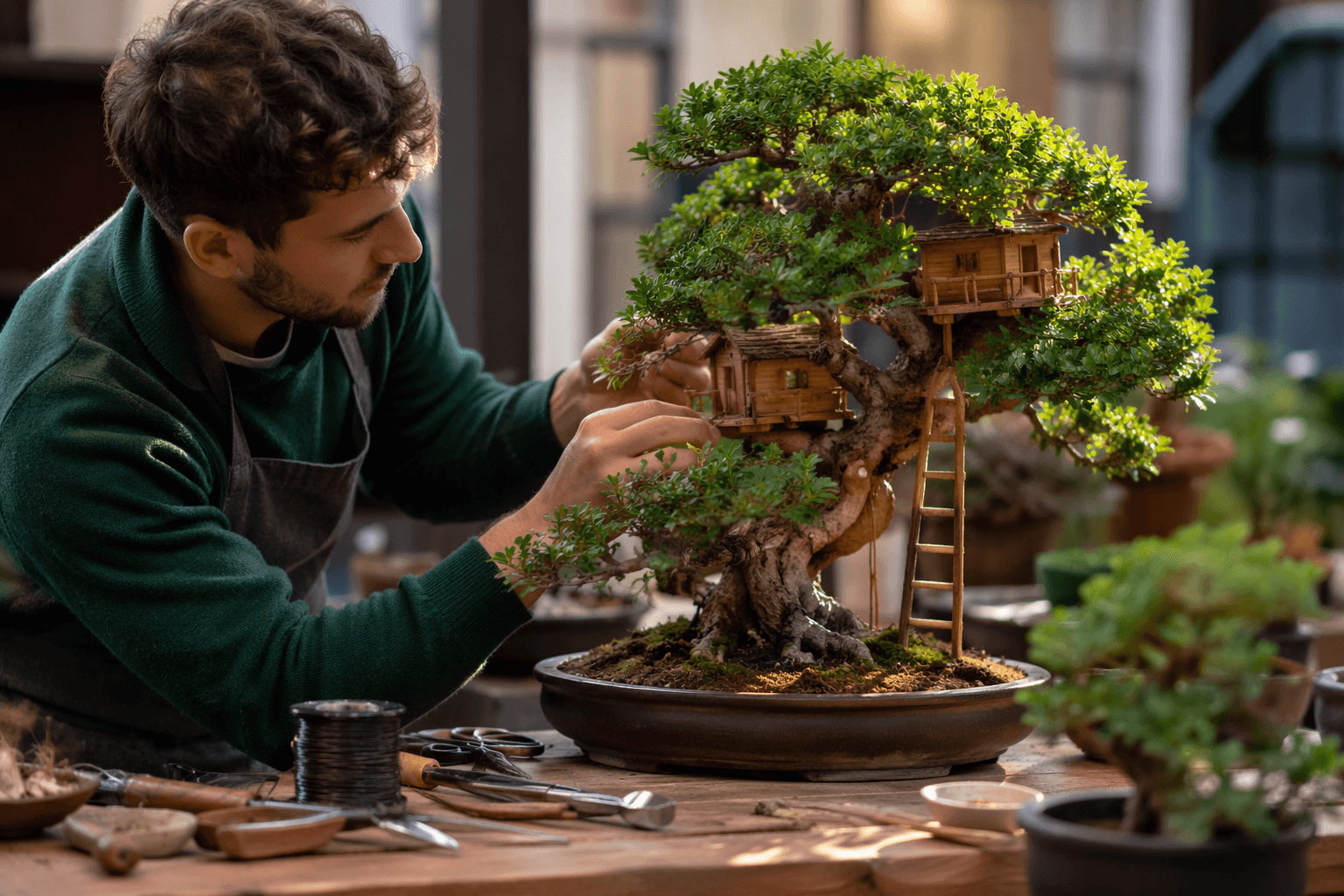
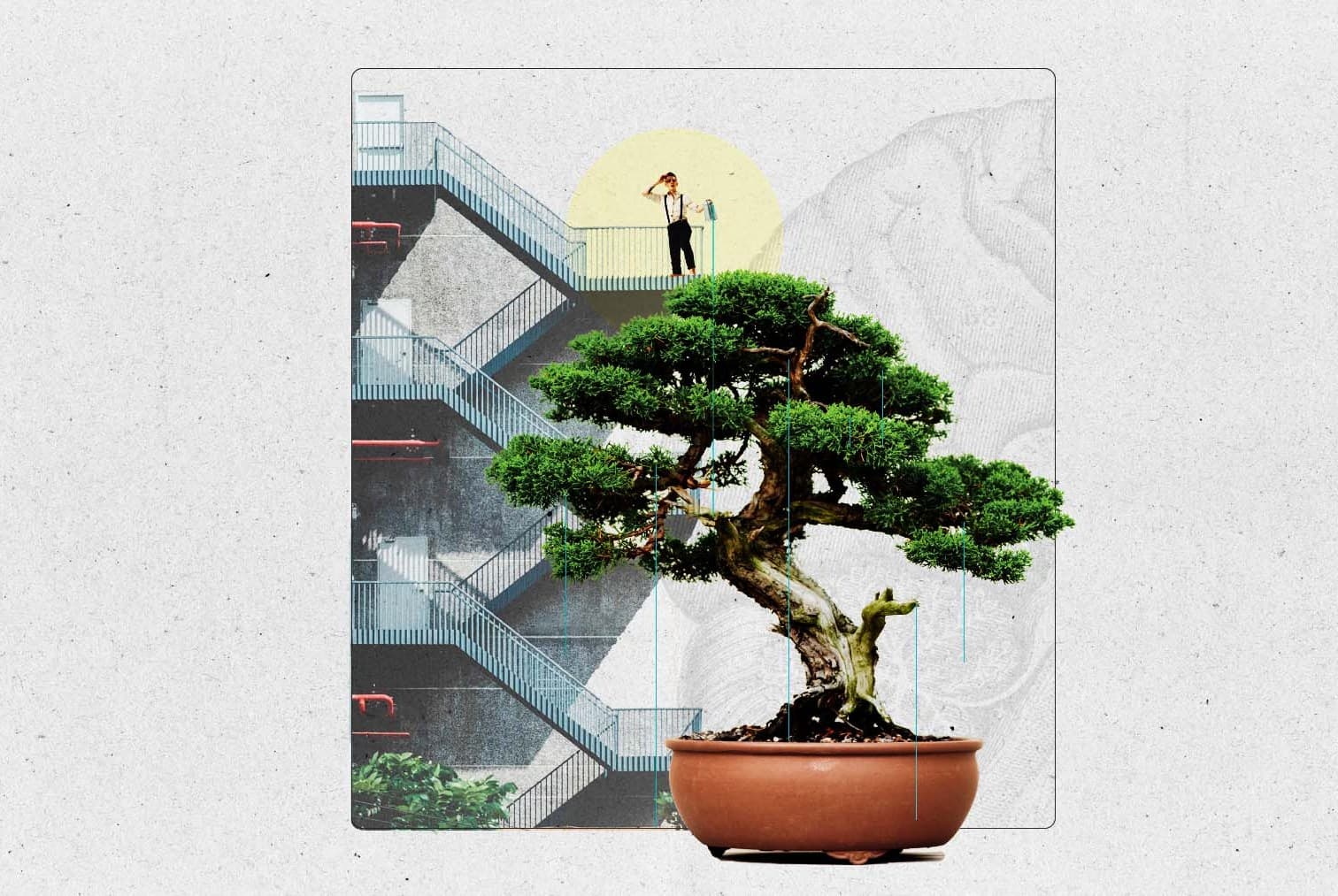
Bonsai has always asked for patience, but that is exactly why it is now being treated as more than a decorative art. The draw is not just the finished tree on the shelf. It is the slow, deliberate work of shaping, watering, pruning, wiring, and watching a living thing respond over time, a rhythm that many growers say helps settle the mind and narrow attention.
That rhythm matters because it gives the hands a job and the mind a boundary. Instead of chasing quick results, bonsai asks for steady attention and a tolerance for gradual change, which is why the practice is increasingly associated with mindfulness, stress reduction, and better emotional regulation. It is not a substitute for clinical mental-health care, but it can be a practical, everyday way to create a calmer pocket of time.
Why the repetition feels so grounding
The mental relief in bonsai often comes from the same things that make the practice look difficult from the outside. Pruning requires judgment. Wiring demands patience. Watering calls for observation. Each task is tactile and repetitive, and that combination can pull attention away from rumination and back into the present moment.
That is part of the appeal for people looking for a routine they can actually feel in their hands. When you are checking soil moisture, studying branch movement, or deciding whether a cut should happen now or later, your focus has somewhere specific to go. The work becomes a series of small, manageable decisions, and that structure can be soothing in a way that is very different from passive relaxation.
There is also a practical honesty to the process. A bonsai does not reward rushing, and it does not respond to force. You learn to notice tiny shifts in growth, leaf size, and branch direction, then act with restraint. Over time, that habit of careful observation can make the whole practice feel like a training ground for attention itself.
The old contemplative roots still matter
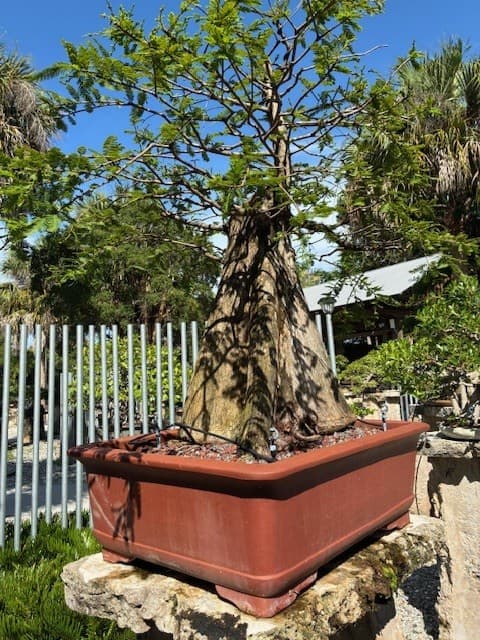
Part of what gives bonsai this modern appeal is that the practice has long carried spiritual and contemplative associations in Japan. The tradition is tied to reverence for nature and self-discipline, not to speed or instant payoff. That history fits neatly with the current interest in mindfulness, because the art form already centers on presence, restraint, and respect for living things.
Seen through that lens, bonsai is not about forcing a tree into a shape as quickly as possible. It is about participating in a slow relationship with growth. The tree becomes a focus for reflection, and the grower’s role is shaped as much by patience and observation as by technique.
That older cultural context also helps explain why the hobby resonates beyond ornamentation. Bonsai has always carried more than visual appeal. It has asked the grower to sit with time, accept gradual progress, and value the discipline behind each small change.
Why beginners can still get something real from it
One of the most useful ideas in the current bonsai conversation is that you do not need advanced skill to benefit from the practice. The mental value is not reserved for experts with award-winning trees. Learning how to care for a tree, and learning how to stay with the process, is part of the reward.
That makes bonsai unusually welcoming for people who want structure without pressure. A beginner can start with simple care and still experience the same basic rhythm: observe, adjust, wait, repeat. Even the early mistakes, which every grower makes, become part of the lesson in patience and attention.
The work also gives a sense of progress that is easy to miss in more abstract self-care routines. You can see a branch set, a canopy open, or a watering habit become more consistent. Those small visible changes matter because they provide proof that steady effort counts, even when the result is slow.
A simple bonsai session can become a mindful routine
The easiest way to approach bonsai as a calming practice is to build a session around the same few steps each time. The routine itself becomes the anchor.
1. Start by observing the tree without touching anything.
Look at the canopy, the trunk line, the soil surface, and any signs of new growth or stress.
2. Water with intention.
Pay attention to how the soil absorbs moisture and how the tree responds, rather than rushing through the task.
3. Prune or wire only after you have watched the tree closely enough to understand what needs to change.
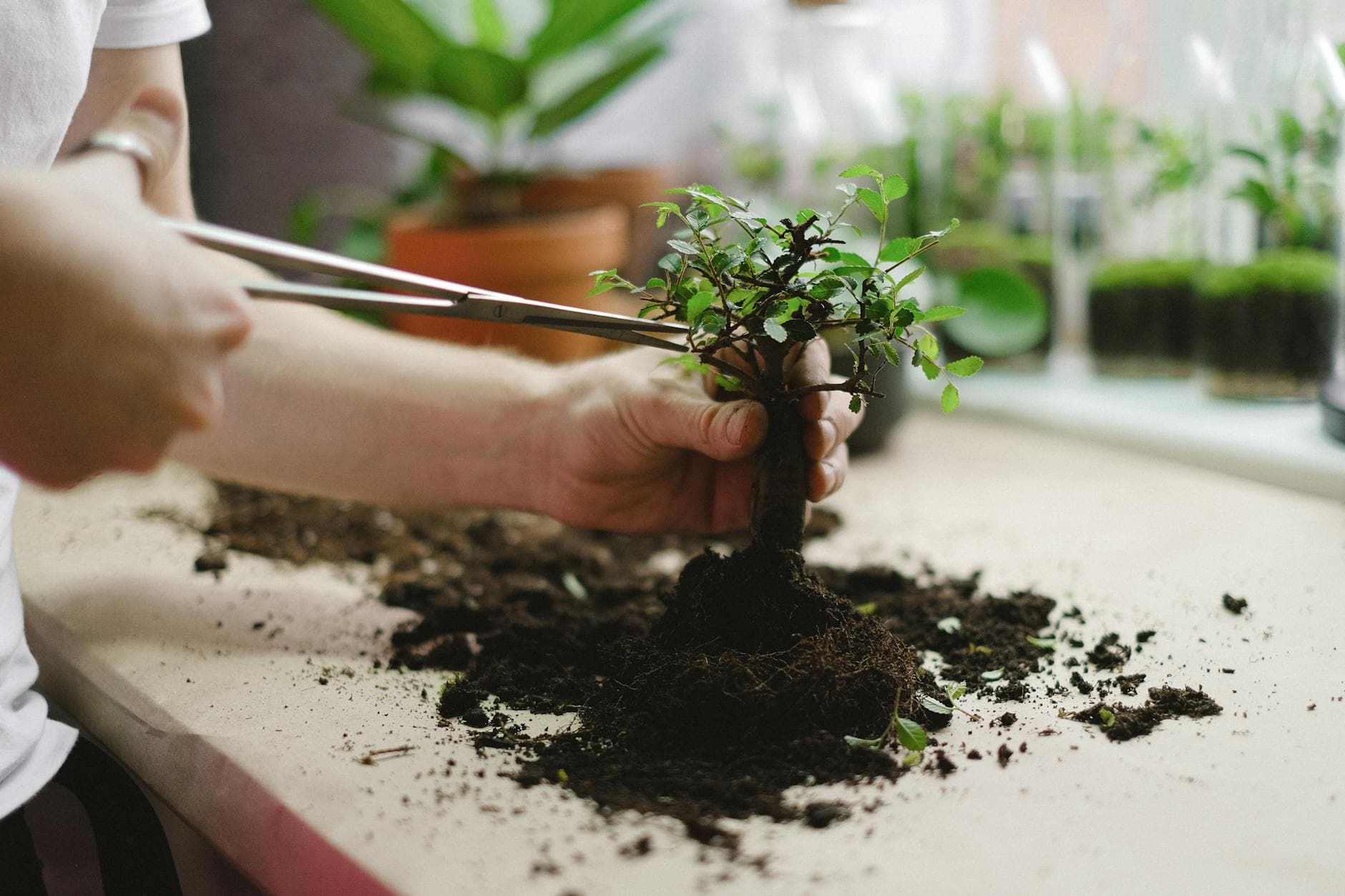
4. Finish by stepping back and noticing what shifted, even if the change is small.
This kind of sequence turns ordinary maintenance into a repeatable mental pattern. The point is not to force calm. It is to build a dependable routine in which calm can show up on its own.
Community is part of the therapy too
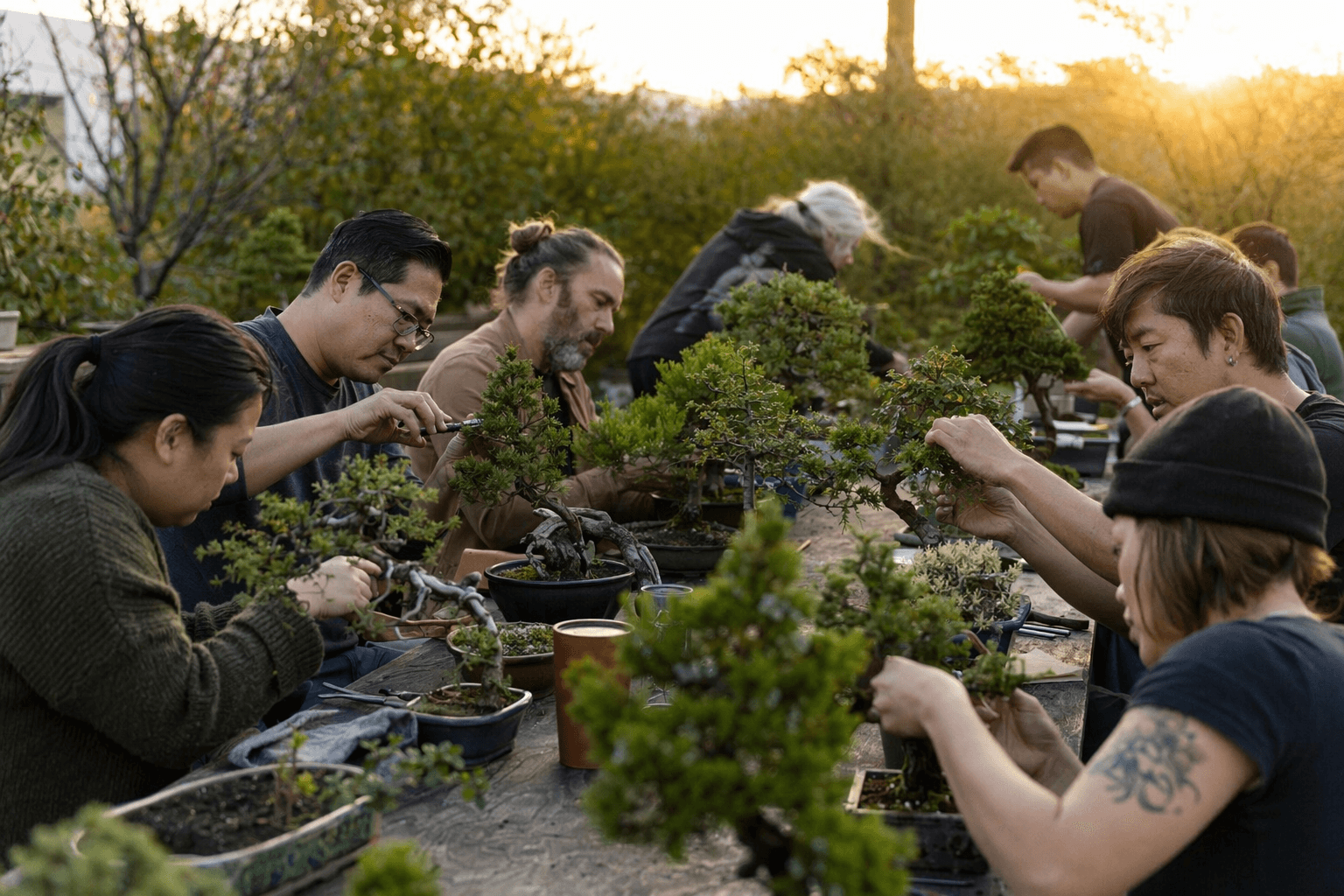
Bonsai rarely stays isolated for long. Clubs, workshops, and shared learning are central to the hobby, and that community piece can deepen the therapeutic effect. Working beside other growers adds encouragement, language, and accountability, which can be just as important as the tree itself.
There is comfort in being around people who understand why a tiny change in branch angle matters or why a season’s growth feels like a real accomplishment. Shared learning also lowers the pressure to know everything at once. In a hobby built on patience, community gives the practice a human tempo, one shaped by conversation, advice, and mutual respect.
That social side helps explain why bonsai is starting to feel relevant in more than traditional gardening circles. It offers a place where craft, attention, and connection overlap. For many people, that overlap is where the real mental relief lives.
A practice built on time, not pressure
Bonsai’s growing reputation as a mindfulness practice makes sense because the hobby already teaches the habits that calm a crowded mind. It asks for repetition without monotony, focus without panic, and progress without haste. The tree becomes a reason to slow down, but also a reason to keep showing up.
That is the quiet promise of bonsai therapy. Not a cure, not a shortcut, but a steady, hands-on way to make room for patience, structure, and clearer attention, one careful session at a time.
This article was produced by Prism’s automated news system from verified source data, official records, and press releases, then run through automated quality and moderation checks before publishing. The system is built and supervised by the people who set the standards it runs under. Read our full AI policy.
Did this article answer your question?