Sustainable Bonsai Practices Cut Waste, Water Use, and Imported Materials
Bonsai can hide a surprisingly heavy footprint. Smarter soil, water, pot, and species choices can keep trees healthy while cutting waste and imports.
The hidden footprint behind the tiny tree
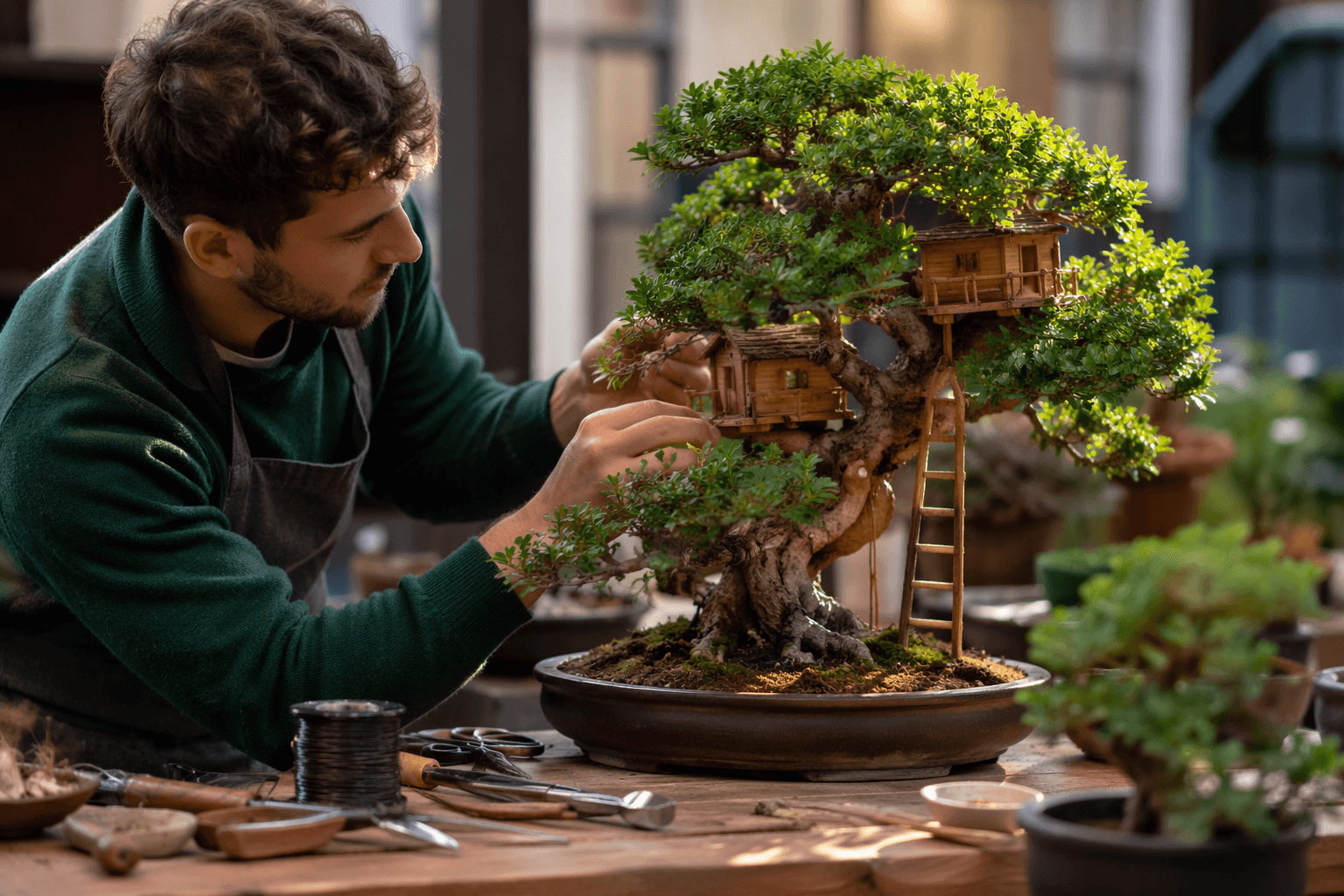
Bonsai is supposed to look like nature miniaturized, but the modern setup can be anything but light on resources. Imported stock, peat-heavy or resource-intensive soil ingredients, manufactured pots, plastic training gear, and chemical-heavy care routines all add up, even when the finished tree looks serene on the bench.
The good news is that sustainability does not ask bonsai to lose its edge. In fact, the most practical lower-impact choices often line up with good horticulture: better drainage, healthier roots, less waste, and trees that fit the climate you already live in.
Start with the part under the tree
Soil is one of the biggest places where bonsai growers can make a real swap. Bonsai Empire notes that trees live in small pots with minimal water and nutrient reserves, which is why the mix matters so much, and why watering and fertilizing have to stay regular. That same tight root environment is why a substrate needs to do several jobs at once: hold enough water, keep air moving through the root zone, and drain cleanly.
Akadama has long been prized for that balance, especially for Japanese maples. But Bonsai Empire also points to recent price increases and supply troubles, including unreliable supply in the United States, which pushes growers to think harder about alternatives. The National Bonsai Foundation says museum staff uses akadama along with pumice and lava rock, and also notes that bark and perlite can be used too. That makes the sustainability lesson pretty clear: a premium imported material can work beautifully, but it is not the only route to strong roots and a refined tree.
A practical swap guide looks like this:
- Use akadama where it clearly improves performance, especially for species that respond well to it.
- Mix in or substitute pumice, lava rock, bark, or perlite when those materials are easier to source locally or last longer in your climate.
- Match the blend to drainage, oxygen flow, and water retention, rather than chasing a single “standard” recipe.
That last point matters because the National Bonsai Foundation’s guidance treats soil choice as a functional decision, not a badge of purity. The best mix is the one that supports the tree without creating unnecessary shipping, waste, or replacement cycles.
Water is the quiet sustainability issue
Bonsai care is water-sensitive by design. Small containers mean limited reserves, and watering needs shift with species, pot size, season, soil mix, and climate. A juniper on a windy bench in summer will not behave like a maple tucked under shade cloth in spring, and a coarse mix will dry differently than a finer one.
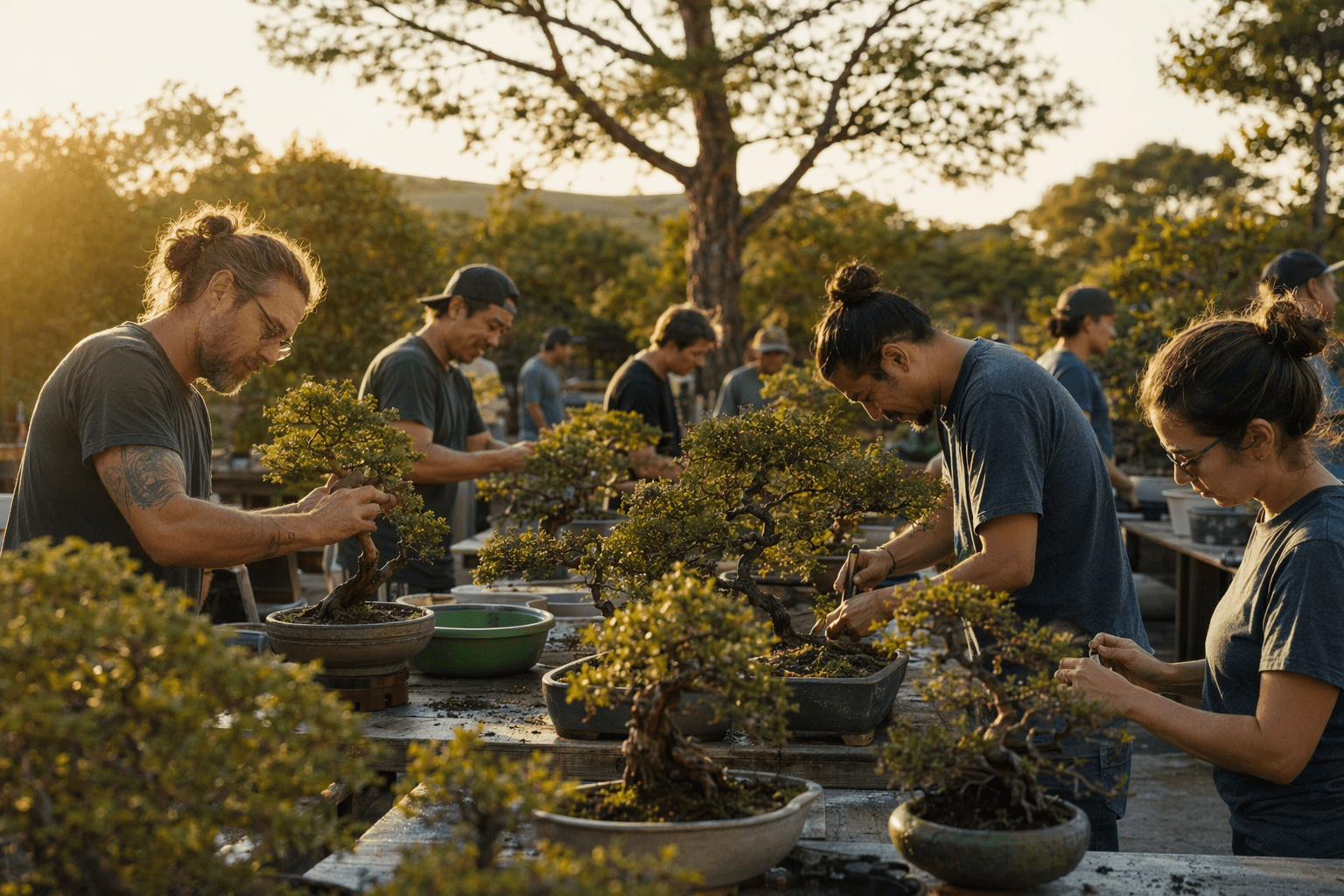
That is why water conservation in bonsai is less about a single trick and more about habit. The most responsible growers watch the tree, not the calendar, and they build systems that reduce waste without starving the roots. The Arbor Day Foundation’s water-conservation landscape guidance, which emphasizes native plants, drip irrigation, and xeriscaping, offers a useful outdoor framework here: choose plants suited to place, deliver water efficiently, and avoid fighting your climate at every turn.
For bonsai, that translates into simple, practical moves:
- Group trees with similar watering needs together.
- Match species to your local heat, humidity, and winter conditions.
- Use soil mixes that retain enough moisture for the tree without staying soggy.
- Reduce runoff by watering deliberately, not on autopilot.
The tree still gets the attention it needs, but the bench stops wasting water just to compensate for a mismatch.
Pots, containers, and the waste we normalize
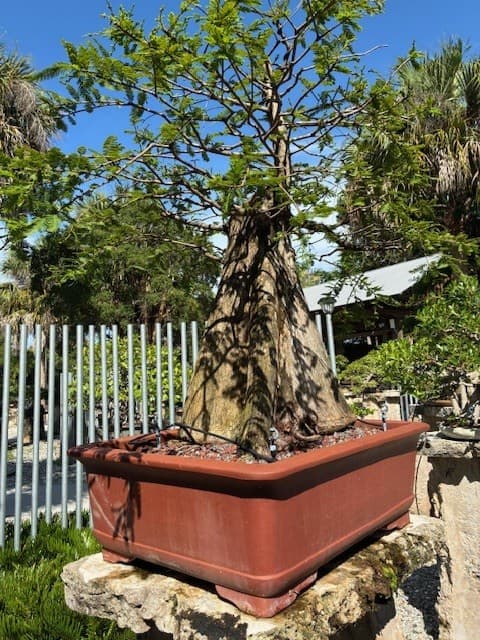
The pot is part of the display, but it is also part of the footprint. Manufactured ceramics, plastic training containers, and disposable accessories all carry material costs, especially when a collection is being built fast or repotted frequently. One of the simplest low-impact swaps is to use recycled or reclaimed pots whenever the tree’s style and size allow it.
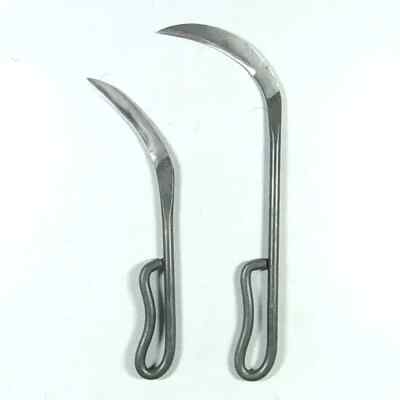
That does not mean every tree needs to sit in a thrifted container forever. Development stock can still move through plastic or metal training containers, and the point is to use them strategically, then reuse them until they are worn out. Suppliers in the bonsai world already sell training containers, drainage screens, burlap, moss, and reusable leaf bags, which shows how much of this hobby is built on repeated use if you choose it that way.
The real design shift is to stop treating new purchases as the default. A reclaimed pot with the right proportions can be just as convincing on the display bench as a brand-new one, especially if the tree has the ramification and taper to carry it.
Feed and treat with less chemistry
Organic fertilization and natural pest control are another straightforward way to lower a bonsai collection’s footprint. They are not about going soft on tree health. They are about choosing inputs that support steady growth without leaning too hard on manufactured products.
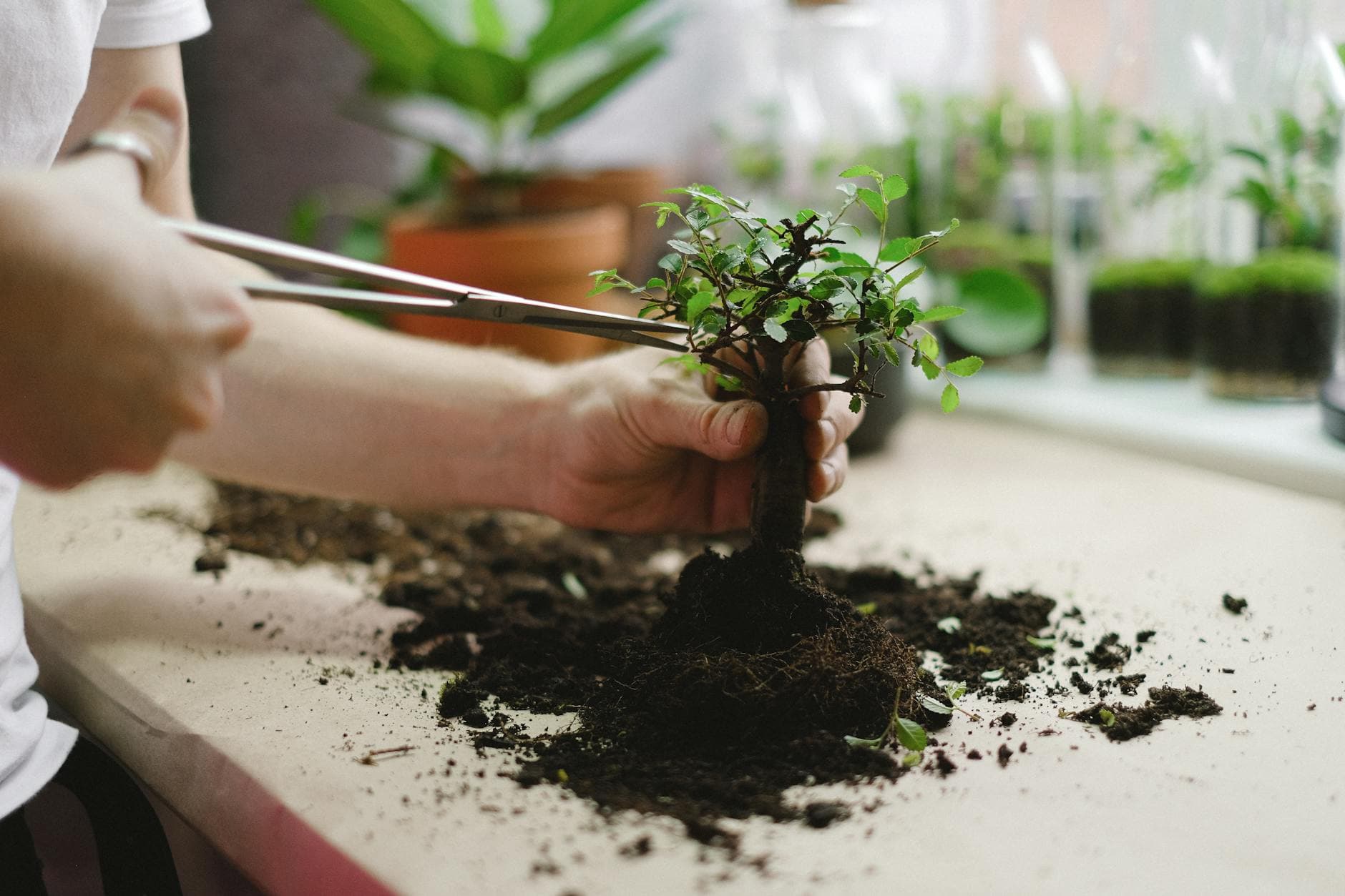
This is especially useful in collections where the trees are already stressed by confined roots, strong sun, or repeated repotting. A gentler feeding plan, paired with close observation, usually does more for long-term vigor than overcorrecting with heavy chemical treatment. The sustainability angle here is also a maintenance angle: healthier trees tend to need fewer emergency interventions.
Species choice matters more than many benches admit
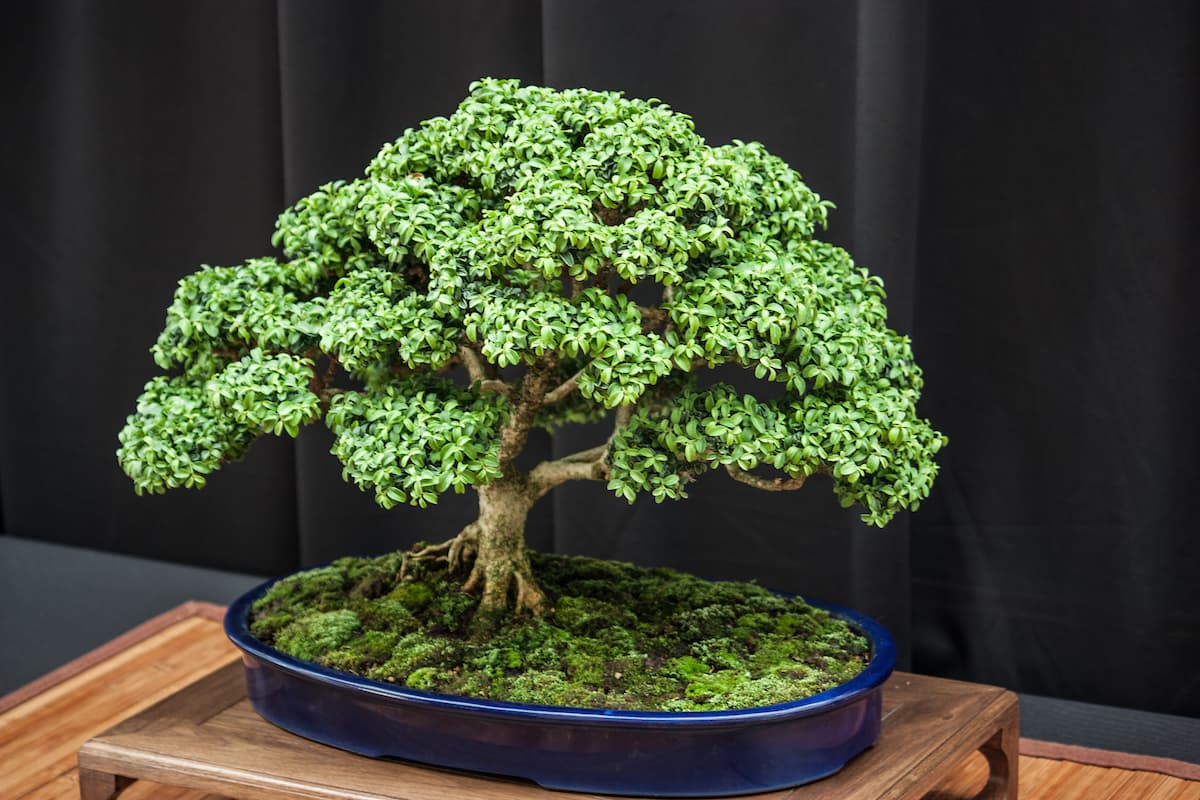
The most durable sustainability decision may happen before the first pruning cut. Choosing native species or low-resource species that suit local conditions can cut water use, reduce pest pressure, and make the tree easier to maintain over time. The National Bonsai Foundation highlighted native species in its 2025 courtyard display and noted that native trees can naturally draw pollinators, which adds a biodiversity benefit to the usual bonsai conversation about refinement and form.
That is a meaningful shift in mindset. Instead of forcing a tree to live against its climate, you are asking what the climate already offers. In many cases, that leads to better health, steadier growth, and a more believable design.
Bonsai has always been about reading nature closely
There is a useful historical irony here. Britannica traces bonsai’s direct inspiration to trees growing in harsh, rocky natural environments, and the first Japanese record of dwarfed potted trees appears in the 1309 Kasuga-gongen-genki picture scroll. The Metropolitan Museum of Art dates a bonsai instruction book to 1848, placing the art squarely inside a long, evolving culture of observation and craft, from Edo-period Japan onward.
That history matters because sustainability is not some outside ideology being bolted onto bonsai from the outside. It is a return to the art’s central habit: noticing what trees actually need, in the conditions they actually face, and shaping accordingly.
A hobby in transition
The National Bonsai Foundation concluded operations at the end of 2025 after more than four decades, which gives the current moment a little extra weight. Institutional anchors shift, supply chains get shakier, and imported materials become more expensive or harder to find. In that environment, the most resilient bonsai practice is also the lightest one: source carefully, reuse where you can, water with intention, and build around species and substrates that make sense where you live.
That approach does not dilute the art. It sharpens it.
This article was produced by Prism’s automated news system from verified source data, official records, and press releases, then run through automated quality and moderation checks before publishing. The system is built and supervised by the people who set the standards it runs under. Read our full AI policy.
Did this article answer your question?