Bonsai Society of Australia Highlights Canberra Exhibition, Demonstrators, and Seasonal Care Tips
The Canberra Bonsai Society showed 31 native trees at the National Botanic Gardens in February; now the BSA's autumn guide puts pest checks and fertiliser strategy top of the list.
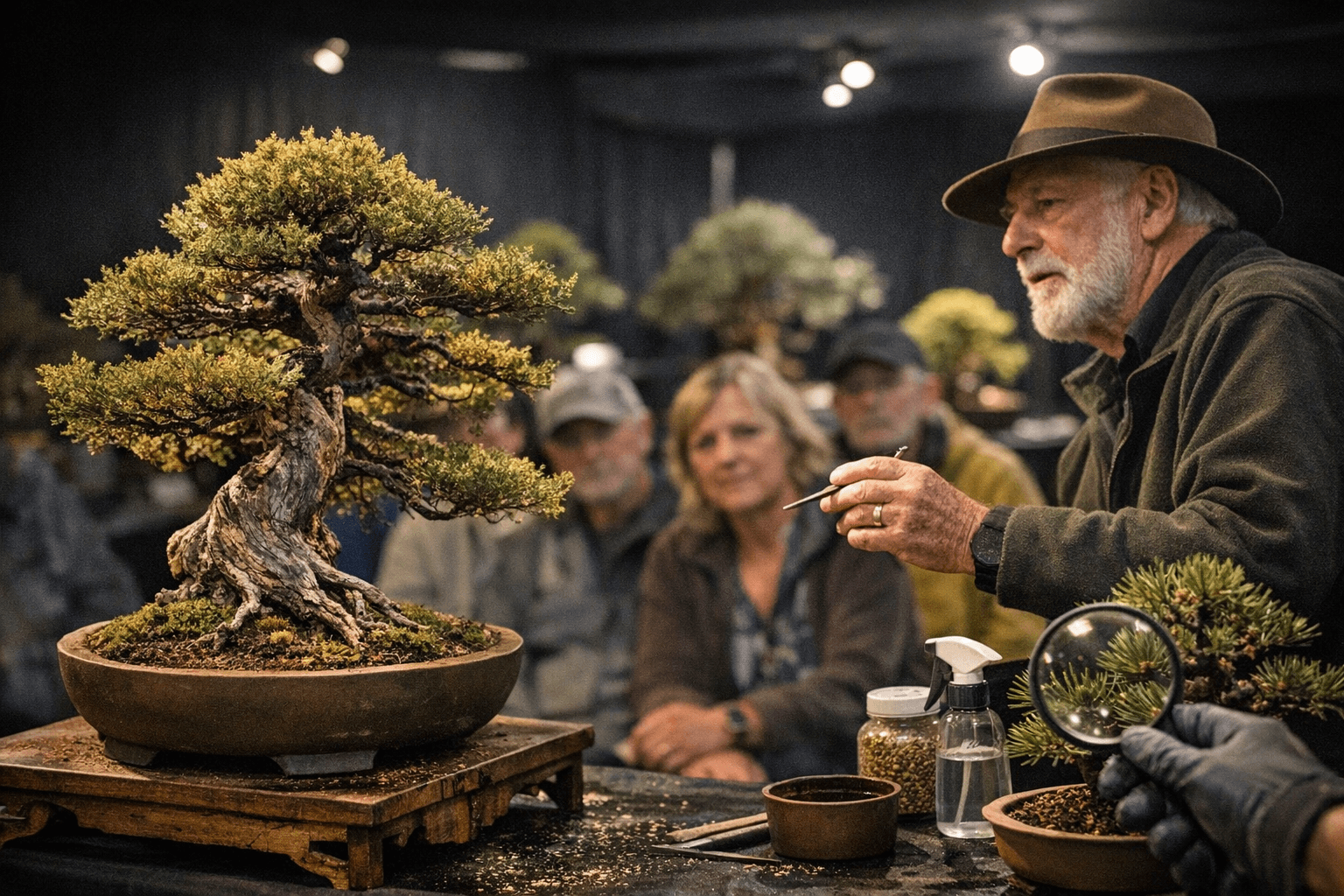
The Canberra Bonsai Society's February exhibition earned a national spotlight when the Bonsai Society of Australia praised it in its March 27 news bulletin, citing volunteer effort and the quality of trees on display. Held at the Australian National Botanic Gardens on February 21 and 22, the show carried the theme "The Australian landscape in the palm of your hand" and presented 31 trees, every one of them an Australian native species.
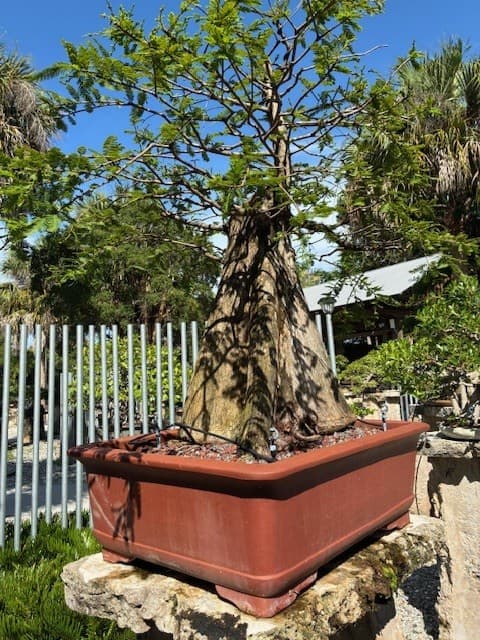
That last detail matters more than it might seem. Staging a collection built entirely from native material at a national botanical institution is a different proposition from the typical club show. Species like Alpine Baeckea (Baeckea gunniana), one of the trees catalogued in the exhibition, demand a different approach than the Japanese maples and junipers that dominate most Australian benches. A Baeckea gunniana in a Japanese pot, roughly a decade old and styled since 2023, sitting in one of the country's premier public gardens, is its own argument for what Australian bonsai can be.
The same March 27 bulletin listed Antony Gymellis and Clinton Nesci as scheduled demonstrators for upcoming monthly meetings, with links to their profiles and social channels included for members and visitors. Nesci brings deep credentials to native material specifically. As director of the Ray Nesci Bonsai Nursery in Dural, founded by his father Ray in 1979, he has demonstrated extensively with species including Banksia serrata and Leptospermum varieties, working across literati and forest styles. His presence on the demonstrator calendar is well-timed given the exhibition's all-native focus.
For Australian growers, the most immediately actionable content in the March 27 release is the "What to Do in March" seasonal guide. Early autumn is when pest pressure quietly reasserts itself: the guidance specifically calls out pines and junipers for white webbing insect pests concealed in the foliage, easy to miss on a casual walk-around. Watering should stay consistent while daytime temperatures remain warm, with extra vigilance when wind returns. Fertiliser strategy shifts too: autumn calls for a low-nitrogen organic formula to harden late growth and build the energy reserves plants will need through winter. For natives, that means reaching for a formulation low in phosphorus as well.
Northern hemisphere readers should simply flip the calendar. While Australian practitioners prepare for autumn, growers in Europe and North America are watching their first spring buds push and booking repotting sessions. The advice is seasonally mirrored, which is precisely why hemisphere-specific guidance from a national society is more than a formality.
The Canberra exhibition's appearance on the national page reinforces something the broader bonsai community already knows but rarely states plainly: the botanical garden is still the most powerful venue a club can access. It changes who walks through the door and what they expect to see. Thirty-one native trees under the theme "The Australian landscape in the palm of your hand" at the National Botanic Gardens is not a small club event. It is a statement about where Australian bonsai stands.
This article was produced by Prism’s automated news system from verified source data, official records, and press releases, then run through automated quality and moderation checks before publishing. The system is built and supervised by the people who set the standards it runs under. Read our full AI policy.
Did this article answer your question?