Capitola bonsai show and sale offers trees, workshops, and demos
Capitola Mall becomes a rare bonsai and cactus weekend with 70-plus display trees, two dozen vendors, hands-on workshops, and demo hours.
A one-stop weekend for bonsai shoppers
Capitola Mall’s former Sears space is turning into a rare buying-and-learning destination, with more than 70 bonsai trees on display and a full retail market spread across about 22,000 square feet. The joint spring show and sale from Santa Cruz Bonsai Kai and the Monterey Bay Area Cactus and Succulent Society runs Saturday, April 25, 2026, and Sunday, April 26, 2026, with free admission and free accessible parking at 1855 41st Ave. in Capitola.
That scale matters. Instead of making separate stops for display trees, pots, soil, tools, and starter material, shoppers can compare everything in one building, then use the show itself as a live reference point for styling, health, and design. For beginners and serious collectors alike, this is the kind of weekend where the purchase decision gets easier because the examples, vendors, and instruction are all in the same room.
What is actually on the floor
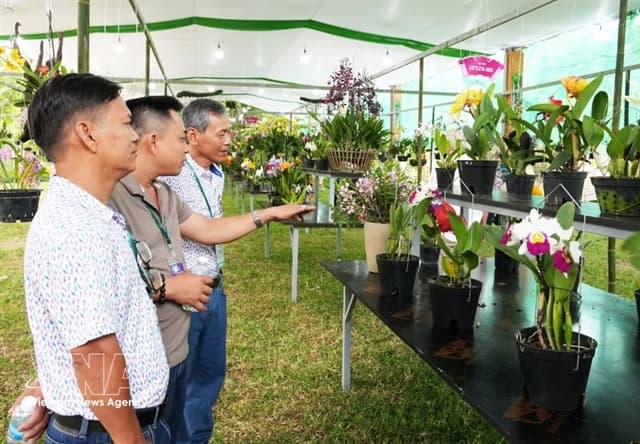
The event is not just a bonsai exhibit with a few tables tucked into the corner. The Capitola Mall listing says visitors will find rare cactus and succulent specimens, handcrafted pottery, bonsai stands, tools, premium soil, and bonsai trees and supplies for sale. It also notes more than 200 pre-bonsai starters priced up to 75% below typical nursery rates, which gives newer growers a practical entry point and offers experienced hobbyists a chance to pick up material with potential.
The display side is equally useful. With more than 70 bonsai trees on show, the weekend gives shoppers a chance to study trunk movement, branch placement, nebari, pot choice, and overall proportion before buying anything. Local tourism promotion adds another layer by describing the show as a judged competition featuring rare plants seldom seen outside specialty collections, which raises the quality bar well beyond a routine market weekend.
Why the joint format works so well
A standard plant sale often forces buyers to choose between inspiration and inventory. This weekend combines both. The Monterey Bay Area Cactus & Succulent Society says the show includes two dozen vendors, a help desk, live planting and re-potting demonstrations, and a plant hotel for visitors who want to browse with their hands free.
That layout is a real advantage for anyone comparing pots, soils, and accent material. Bonsai buyers can look at a displayed tree, walk a few steps to the vendor tables, and judge whether a certain glazed pot, a better-draining soil mix, or a particular stand would actually improve the composition. Cactus and succulent shoppers get the same benefit, with rare specimens and growing advice in the same space as the merchandise.
The society also frames the event as a spring plant extravaganza, and the coastal setting helps with the destination appeal. Capitola offers beaches, restaurants, shopping, art galleries, wineries, and nearby scenic stops, so the show fits cleanly into a full-day outing rather than a quick in-and-out errand.
Beginner access without sacrificing depth
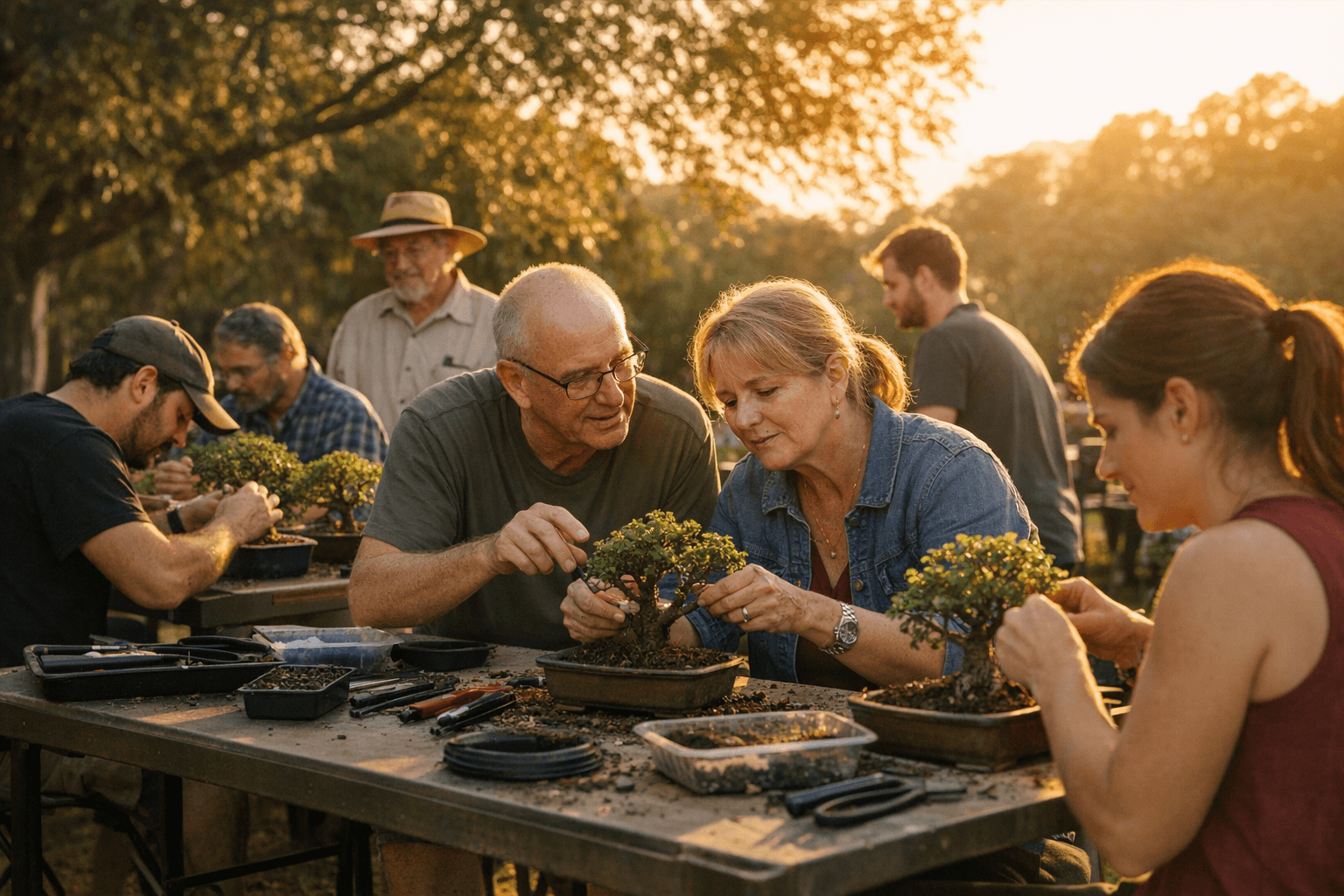
One of the strongest draws is the Make Your Own Bonsai workshop, offered both days from 11:30 a.m. to 1:30 p.m. for $35. The fee includes a tree, pot, soil, and instruction, which makes it a straightforward first step for someone who wants to leave with a finished tree and a clearer understanding of how the components fit together. The class is capped at 15 participants per day, so advance sign-up is the safe move if you want a seat.
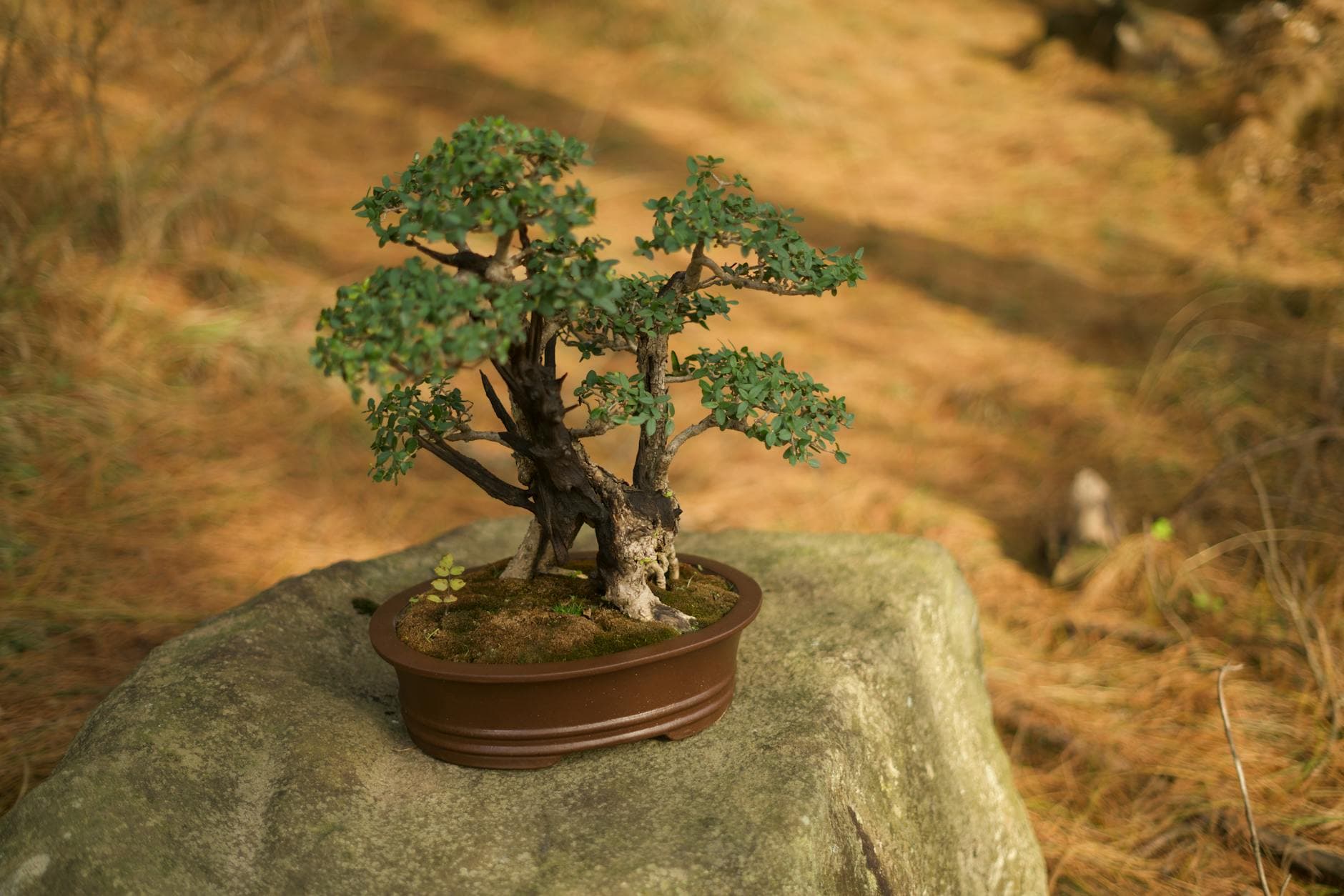
That cap is important because the workshop is built for direct participation, not just observation. Instead of watching from the aisle, participants get a guided experience with the basics of material selection and assembly, and they leave with something they can continue to develop at home. For newer growers, that is a cleaner on-ramp than piecing together supplies separately and hoping the setup is right.
Demos, raffles, and extra reasons to stay
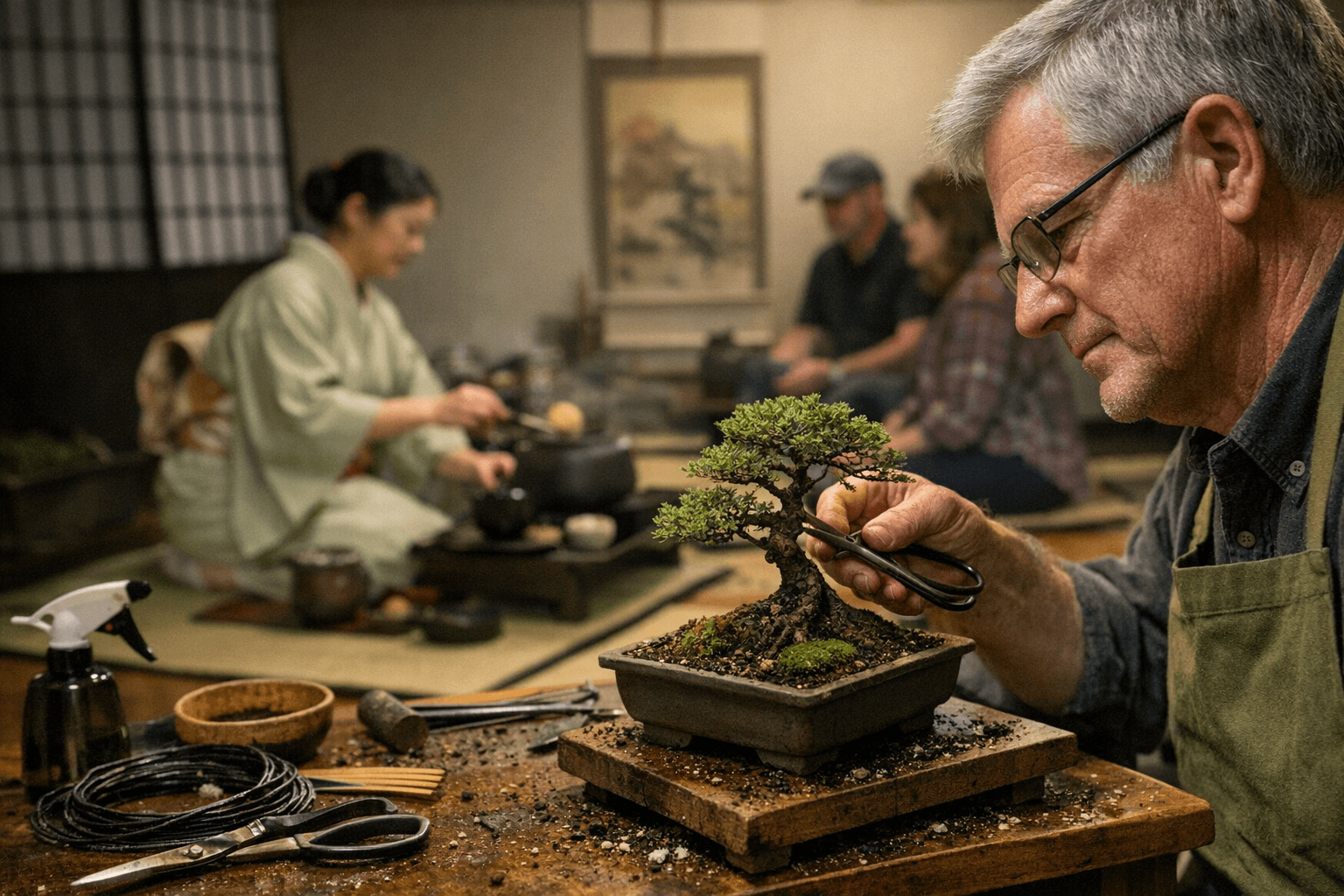
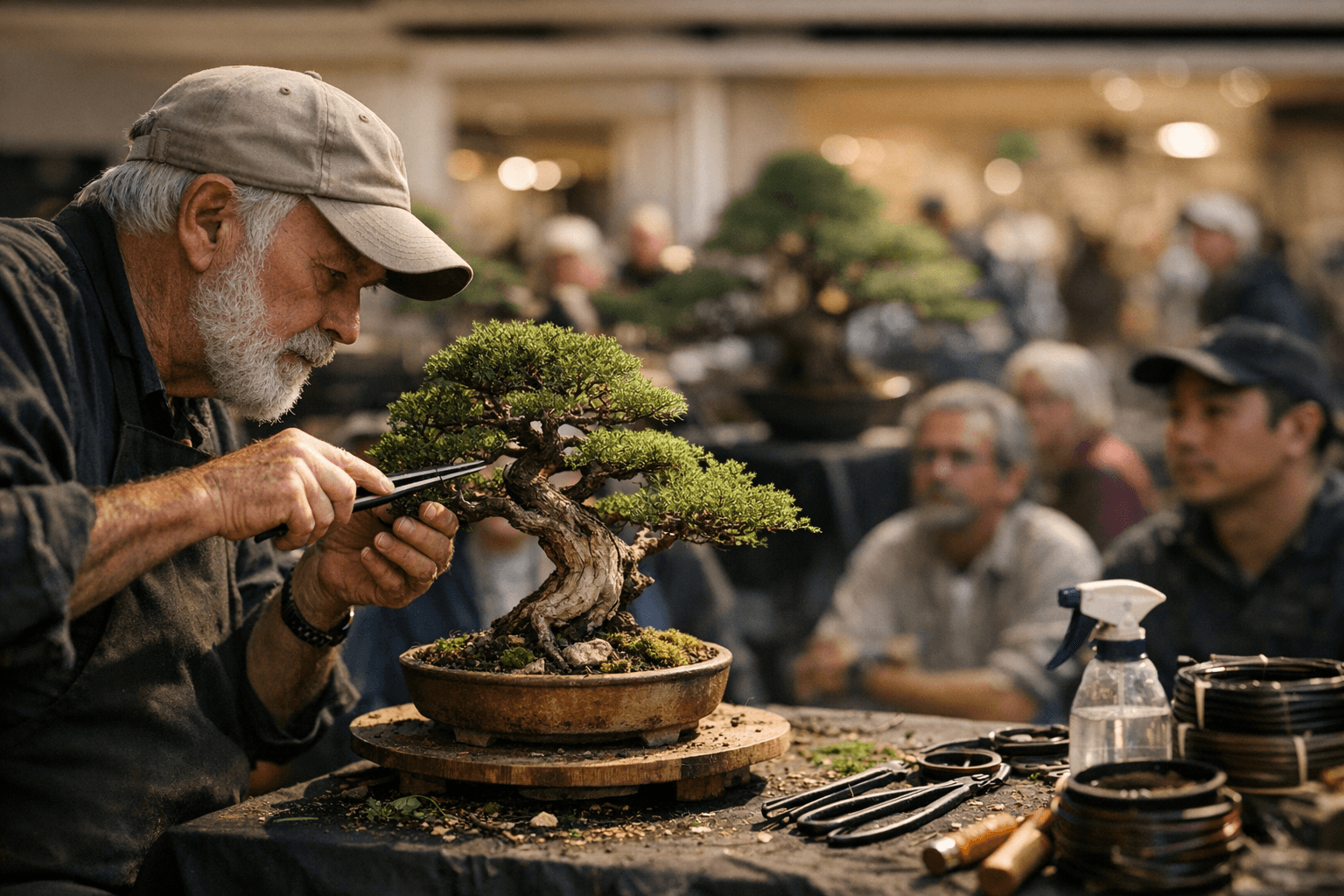
Special bonsai demonstrations are scheduled each day from 1:30 p.m. to 3:00 p.m., giving attendees a second practical learning block after the workshop window. Michael Nelson is scheduled to demonstrate on Saturday, and Robert Potts is set for Sunday. Those demo hours are where a lot of the weekend’s value comes into focus, especially for people deciding how to prune, wire, repot, or refine a tree they already own.
Raffles will run throughout both days, and origami demonstrations add a cultural element that broadens the event beyond plant buying. Taken together, the schedule creates a steady rhythm: browse, compare, learn, buy, then circle back for a demo or workshop. That kind of pacing is useful in a show where there is enough product variety to reward a second pass.
The clubs behind the show
Santa Cruz Bonsai Kai describes itself as a not-for-profit club devoted to promoting interest in bonsai and expanding knowledge through continuous study and education. Its history traces the club to late 1987, with the first official meeting held in January 1988 after Roy Hubbard organized the early gatherings. Kathy Shaner served as the club’s sensei in the club’s early years, and the group later joined the Golden State Bonsai Federation and Bonsai Clubs International.
The Monterey Bay Area Cactus & Succulent Society says all proceeds support its mission of education, conservation, and propagation. That gives the sale a community purpose beyond weekend commerce, especially for growers who value clubs that feed knowledge back into the local scene. In practical terms, the show supports the kind of programming that keeps specialty plant culture alive, from beginner instruction to advanced display standards.
How to make the most of the weekend
A little planning goes a long way at a show like this. The indoor setting, wide aisles, and multiple pay stations should make the floor easy to navigate, and the society says payment can be made by credit card, tap, or cash. Still, the busiest times are likely to be the workshop and demo windows, so arriving early gives you a better shot at the starter material, the best pottery matches, and a good look at the display trees before the crowd thickens.
If you are shopping with a specific goal, the weekend is set up to reward it. Beginners can leave with a first tree and a basic understanding of soil and pot choice. Intermediate growers can hunt for pre-bonsai with strong potential and compare premium soil mixes, tools, and stands side by side. Collectors can study a judged show, rare species, and exhibit-quality trees while still having a market floor to browse for practical additions.
That combination is what makes the Capitola event feel unusually useful. It is not just a sale, and it is not just a show. It is a compact, two-day chance to see, learn, compare, and buy in a setting built for bonsai decisions that actually matter.
Know something we missed? Have a correction or additional information?
Submit a Tip