Hu Citadel hosts major bonsai and orchid exhibition for Festival 2026
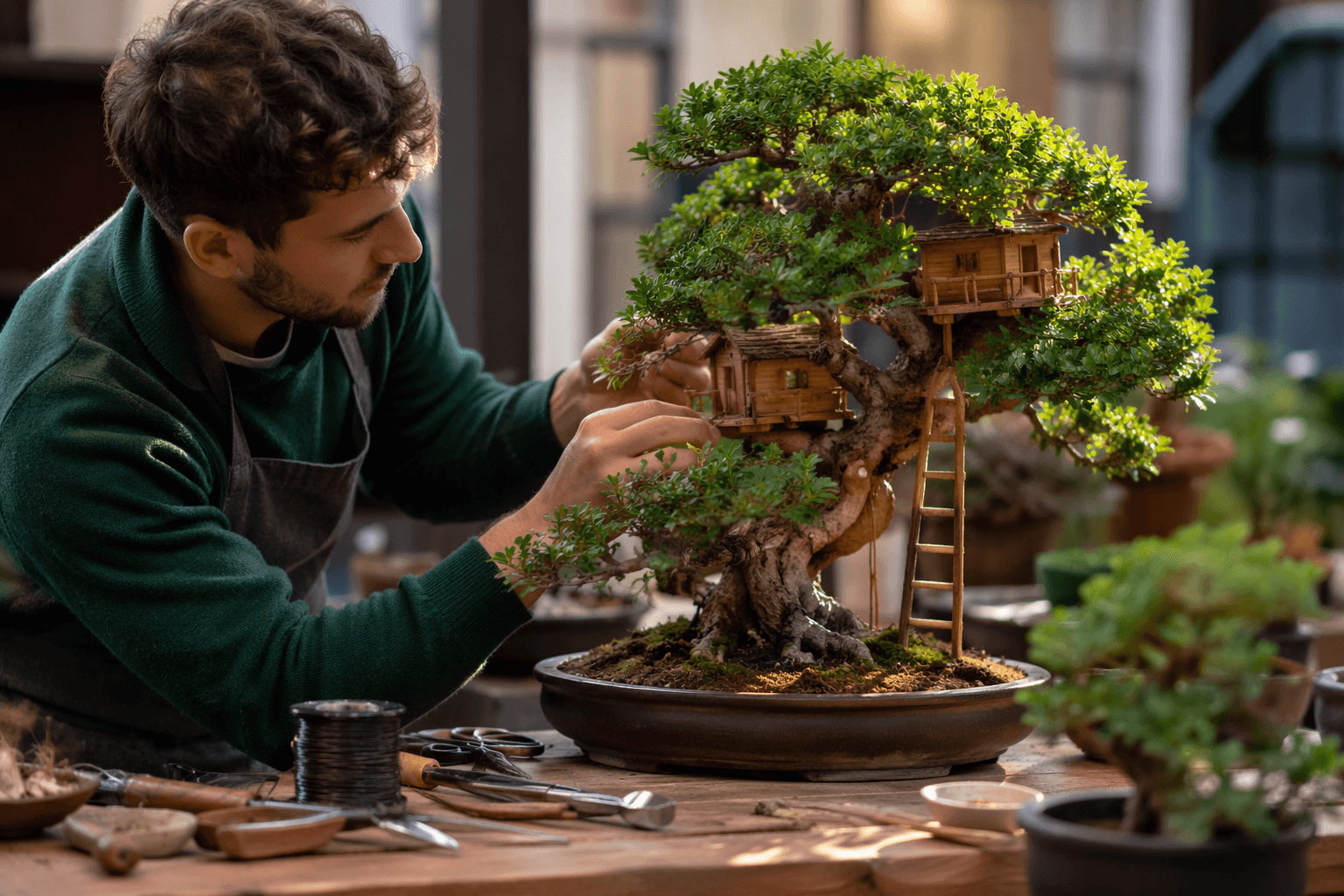
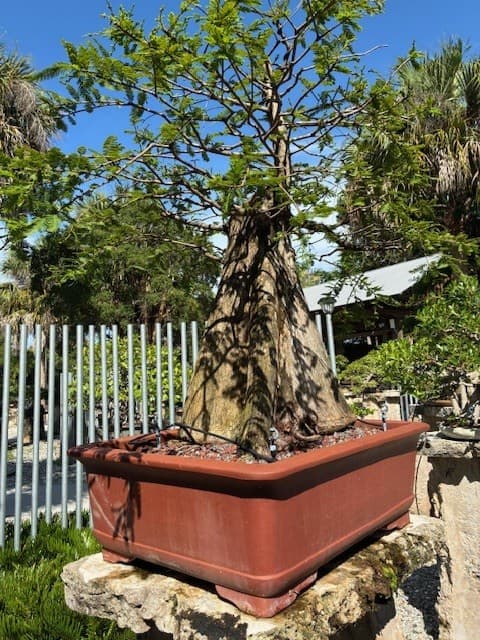
The Hu Imperial Citadel became a sprawling bonsai walk-through, with more than 1,400 orchid, bonsai and stone works spread across royal gardens and courtyards.
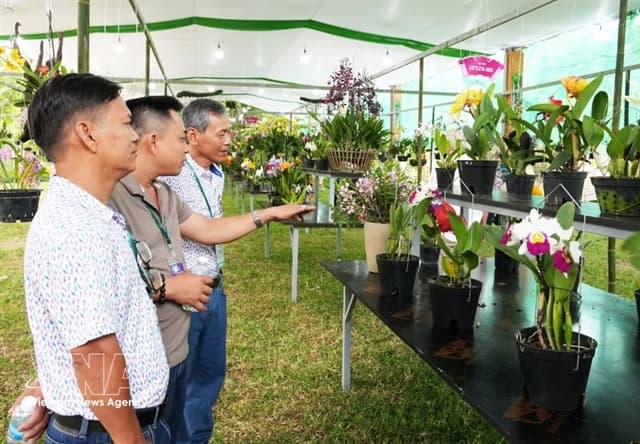
The Hu Imperial Citadel became a living showroom for bonsai, orchids and artistic stone on April 24, as Hu Festival 2026 opened a five-day exhibition that turned one of Vietnam’s most important heritage sites into a multi-stop display of plant craft and landscape design. The show ran through April 28 inside the citadel in Tha Thiên-Hu, with the Hu Festival organising board and the Hu Monuments Conservation Centre co-hosting an event that used the scale of the site as part of the experience.
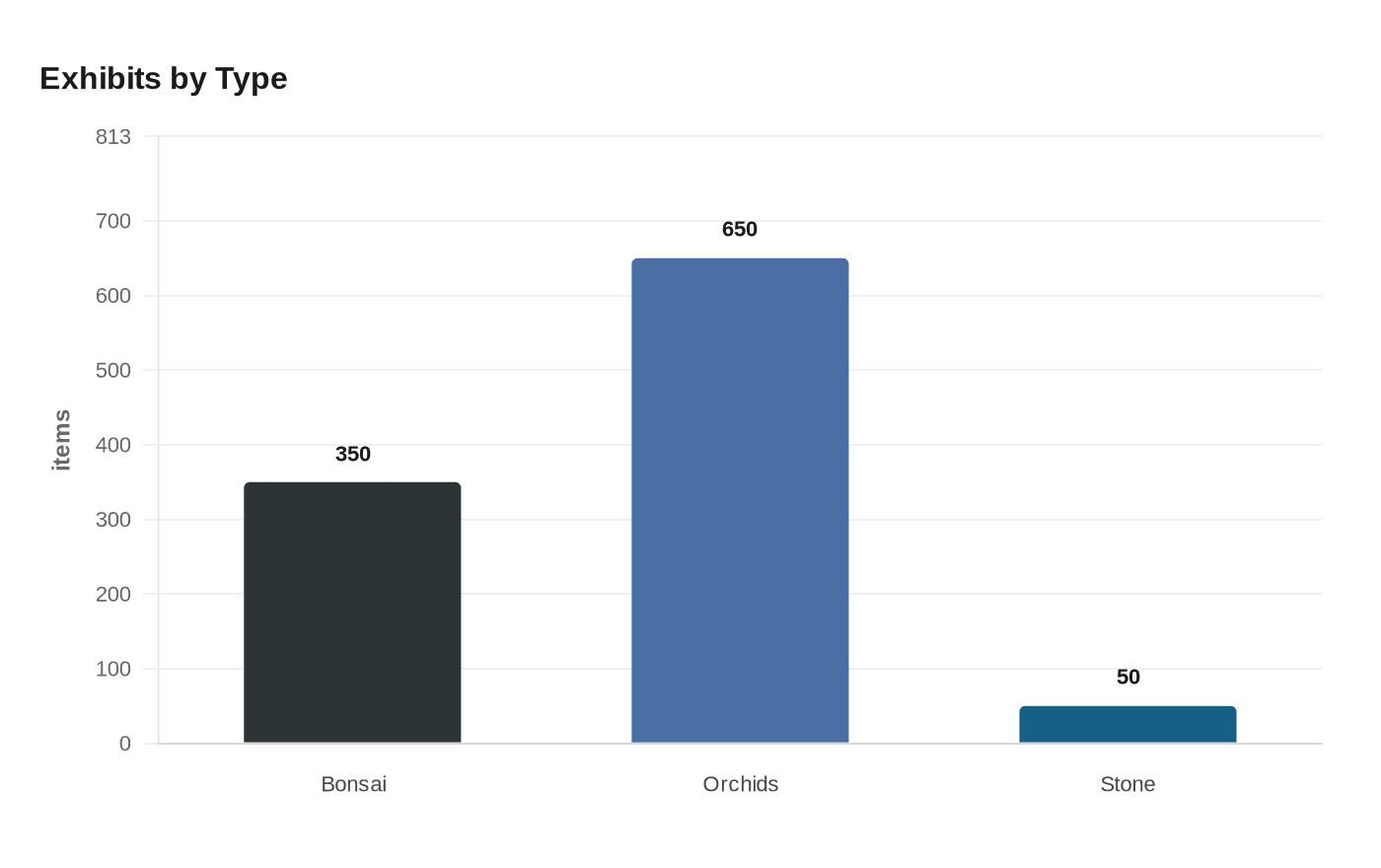
What made this exhibition stand out was not just the setting, but the sheer volume of material on display. More than 350 artistic bonsai and miniature landscape works were featured alongside over 650 orchid exhibits and more than 50 artistic stone pieces. A local Hu report called it the largest edition ever, with more than 50 clubs and associations and more than 600 artisans taking part. That same report put the total at more than 1,400 masterpieces, broken down into over 1,000 orchid pots, more than 400 bonsai trees and around 50 artistic ornamental stones.
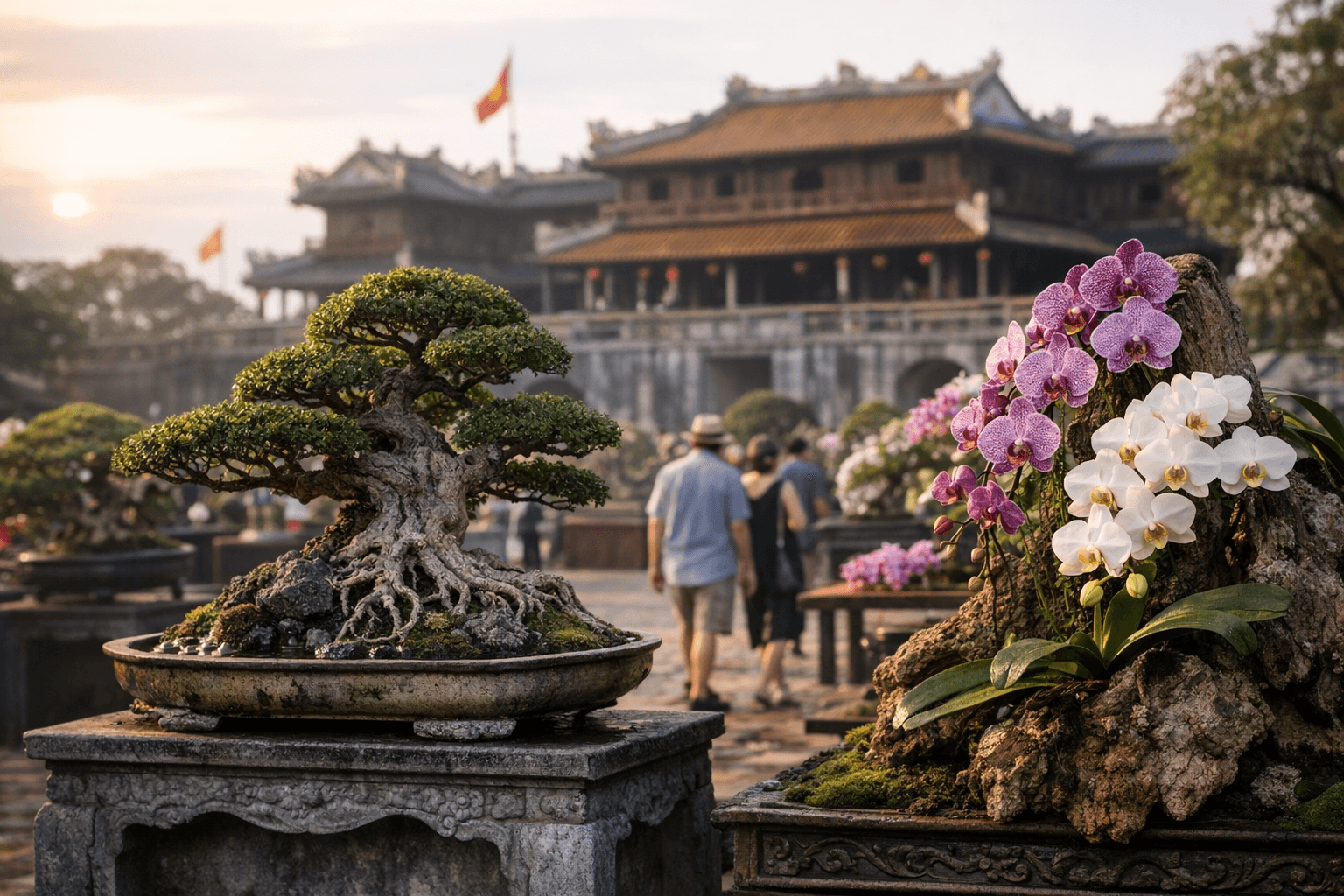
The installation was spread across major points in the citadel, including Thiu Phương Garden, the Imperial Household Office and Cơ H Garden, so visitors moved through a heritage landscape rather than a single exhibition hall. The opening took place in the Royal Treasury Palace area, and the site drew large numbers of visitors almost immediately, a sign that the combination of royal architecture and living art landed exactly where it should. One local attendee, Lê Hiu of Phú Xuân Ward, said the bonsai and orchid pots on display were “true works of art.”
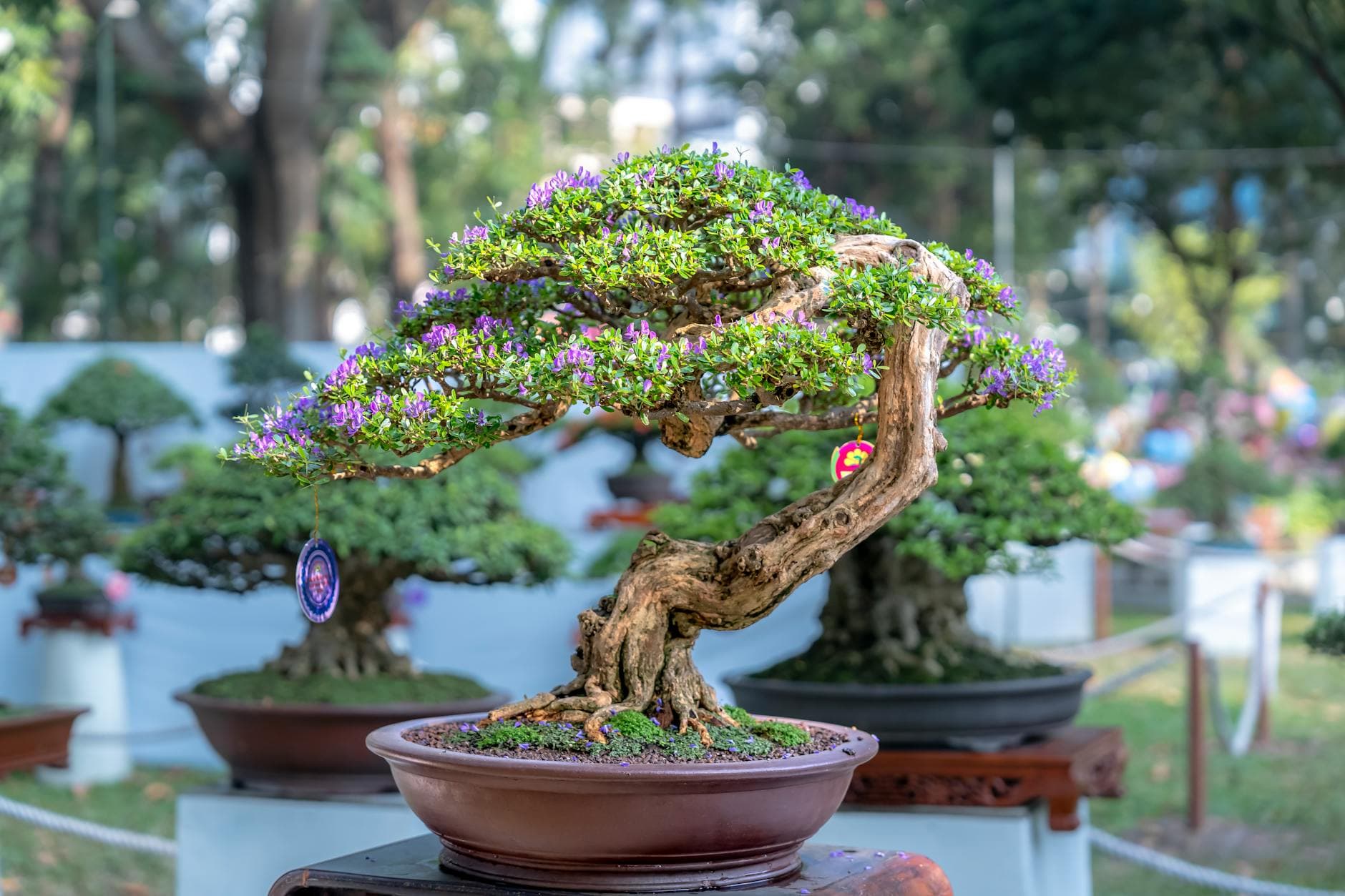
This was also a working industry gathering, not just a showpiece. Side activities included exchange forums on orchid-industry development and bonsai demonstrations, giving the event a practical edge that matters to anyone serious about the craft. Organisers framed the exhibition as a professional exchange platform that could strengthen the ornamental plant sector, encourage community-based eco-tourism and push environmental awareness out of the show circuit and into daily life.
Deputy Director of the Hu Monuments Conservation Centre Lê Công Sơn said the exhibition had been held consistently for more than 15 years and had become one of Vietnam’s largest ornamental-plant gatherings. That status fits Hu Festival 2026 itself, which was announced on January 1 at Ng Môn Square and is being built as a year-long program of nearly 80 cultural, artistic, sports and international exchange activities. In that context, the bonsai exhibition was not a side event. It was one more reason Hu keeps using heritage as a stage, not a backdrop.
This article was produced by Prism’s automated news system from verified source data, official records, and press releases, then run through automated quality and moderation checks before publishing. The system is built and supervised by the people who set the standards it runs under. Read our full AI policy.
Did this article answer your question?