Fort Walton Beach bonsai workshop invites beginners to shape dwarf jade trees
Fort Walton Beach is getting a beginner bonsai class that bundles the tree, tools, and aftercare, making dwarf jade the easiest way in.
The easiest way into bonsai is often the one that removes every excuse not to try
Fort Walton Beach is getting exactly that kind of entry point: a Level 1 foundations workshop that hands beginners a dwarf jade, the tools, a ceramic pot, and an aftercare kit, then walks them through the first real bonsai decisions. For anyone who has been curious but stalled at the cost, the equipment list, or the fear of ruining a tree, this is the rare class that lowers the stakes without dumbing down the craft.
A beginner class built like a complete first setup
The workshop is scheduled for Tuesday, April 21, 2026, from 6:00 p.m. to 8:00 p.m. CDT at Small Batches Cafe & Collective, 301 Racetrack Rd NW, Fort Walton Beach, FL 32547. Zen Den Bonsai Workshops labels it a Level 1: Foundations session led by John Hunter, and the pitch is unmistakably beginner-first: no experience is needed, and each ticket is built for one guest with a bonsai tree, tools, and a workspace included.
That matters because the most common reason people never start bonsai is not lack of interest. It is the friction of entry. This setup strips that away in one shot. You do not need to bring cutters, soil, a pot, or even much confidence. You show up, sit down, and get a structured introduction to the core moves that turn a nursery plant into something that starts to feel like bonsai.
Why dwarf jade is the right starter species
The tree choice is doing a lot of the heavy lifting here. Zen Den’s beginner workshop model centers on dwarf jade, and that makes sense for a first-timer. Bonsai Bar describes dwarf jade as one of the easiest bonsai types for beginners and calls it easy-care, which is exactly the sort of species you want when the goal is to build confidence instead of overwhelm.
Dwarf jade fits a beginner workshop because it is forgiving enough to survive a learning curve while still teaching the main techniques that matter. In a class built around trimming, shaping, wiring, and potting, it gives participants a real bonsai project without the anxiety that comes with a more temperamental species. That balance is what makes the class practical instead of merely pleasant.
What the two hours actually cover
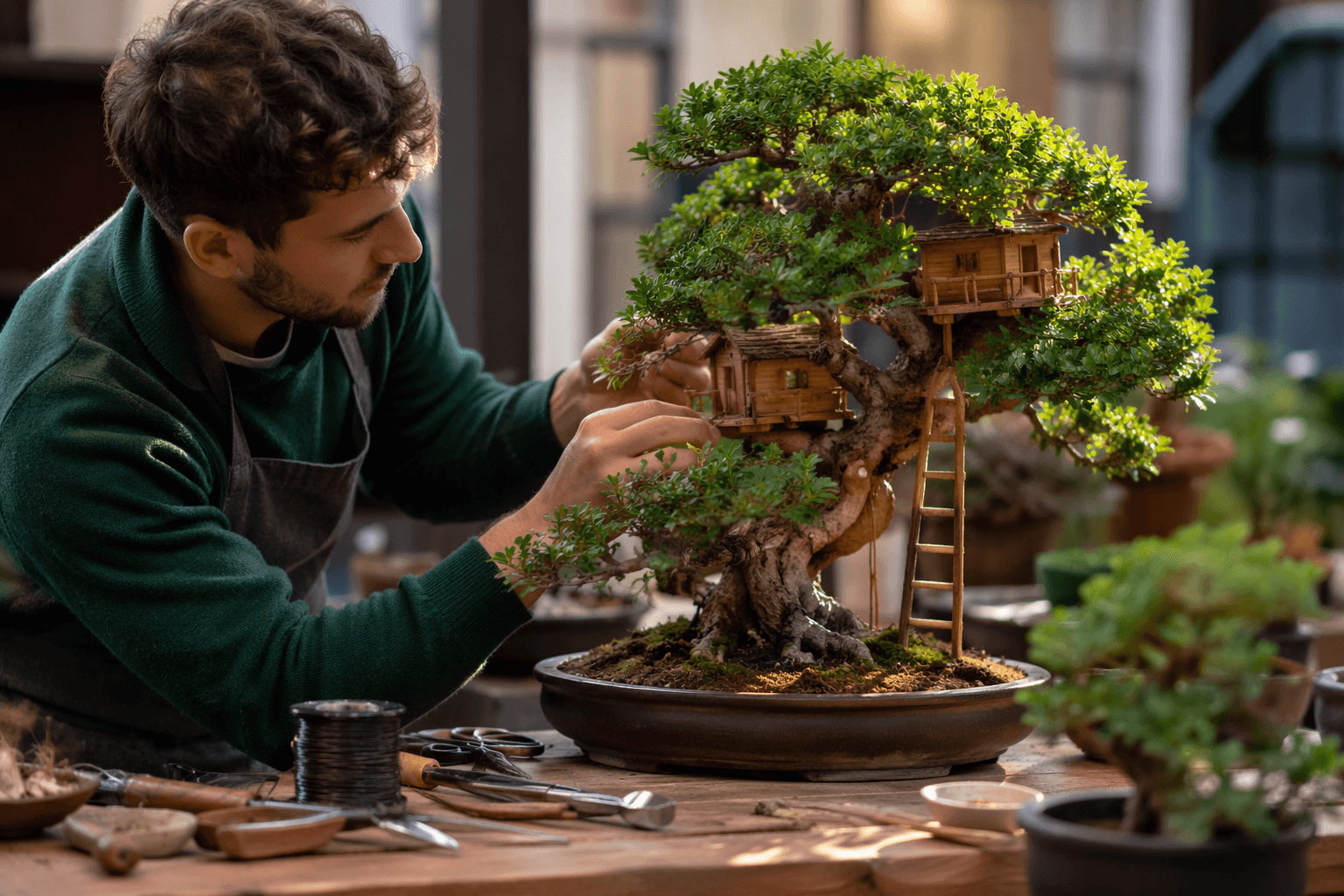
Zen Den describes the experience as a two-hour evening session focused on trimming, shaping, wiring, and potting. That sequence is the right order for a starter class because it shows how bonsai is built, step by step, rather than presenting the tree as a finished object to imitate.
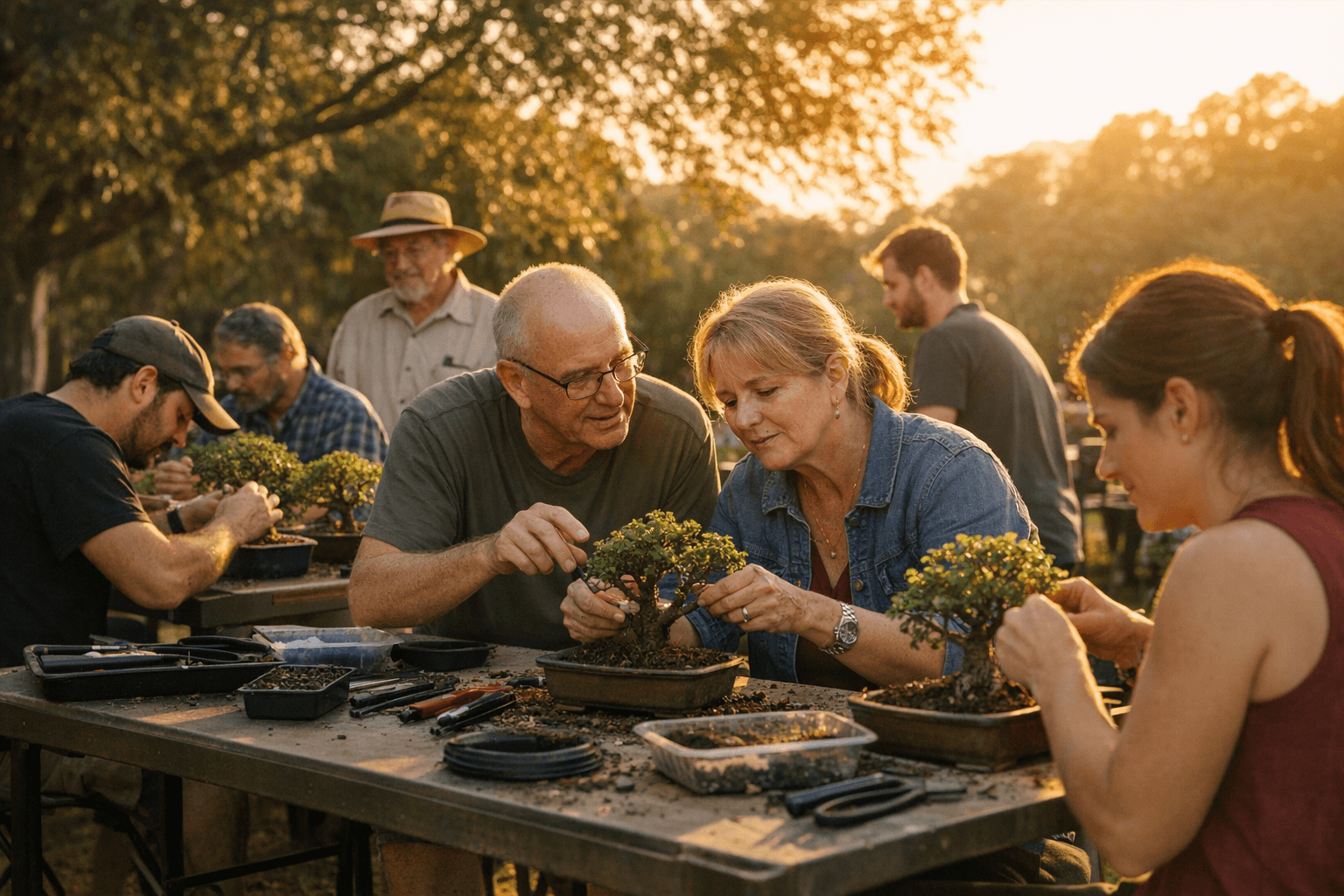
The workshop is framed as creative, craftsmanship-focused, and calm, which is a smart fit for bonsai at the beginner level. The relaxed cafe setting is part of the formula too. Instead of feeling like a formal horticulture lesson, the evening is designed more like a shared experience where people can work at their own pace and still come away with something tangible.
What you take home
The ticket package is one of the strongest parts of the offer because it turns the class into a real starter kit, not just a one-night demo. Included in the experience are:
- A pre-pruned bonsai tree
- A premium Japanese ceramic bonsai pot
- Professional bonsai tools for the workshop
- A take-home care kit with a tote bag, spray bottle, mini shears, fertilizer, a fertilizer holder or basket, a sticker, and printed aftercare instructions
Gloves are also available for participants who prefer them, which is a small detail that says a lot about how the class is positioned. If someone is nervous about handling soil, wire, or tools for the first time, that option lowers the barrier even further. The whole package is designed to make sure the lesson does not end when the cafe lights come back on.
Why the setting matters as much as the tree
Zen Den says its beginner workshops are suitable for individuals, couples, and groups, and that is where this kind of event starts to look bigger than a single class. The Fort Walton Beach workshop is being sold as a calm, social experience that can work as a date night, a birthday outing, team building, or a solo creative reset. That flexibility helps explain why beginner bonsai events have been gaining traction in casual hospitality spaces instead of only in traditional horticulture settings.
The venue itself, Small Batches Cafe & Collective, fits that idea neatly. Its public event lineup and social presence suggest a community-minded space that already leans into recurring classes, including beginner mahjong and beginner bonsai. That matters because bonsai often sells best when it feels approachable and social, not precious or intimidating.
Part of a wider beginner circuit on the Gulf Coast
This Fort Walton Beach class is not a one-off. The same regional workshop circuit includes upcoming sessions in Milton on Saturday, April 25, 2026, Niceville on Wednesday, April 29, 2026, and Pensacola on Tuesday, May 6, 2026. That spread tells you something important about how the model is working: beginner bonsai is being packaged as a repeatable regional outing, not a niche one-time demo.
The broader lesson for anyone watching the hobby’s entry points is simple. When a class combines a forgiving species like dwarf jade, a complete tool set, a usable ceramic pot, and aftercare instructions, it does more than entertain people for two hours. It gives them a first tree they can actually keep alive long enough to learn from, which is the difference between a novelty workshop and the start of a real bonsai habit.
By the time the evening is over, the best version of this class will have done something quietly useful: it will have turned curiosity into a first wired branch, a first repot, and a tree sitting at home with a real chance to become someone’s first bonsai.
This article was produced by Prism’s automated news system from verified source data, official records, and press releases, then run through automated quality and moderation checks before publishing. The system is built and supervised by the people who set the standards it runs under. Read our full AI policy.
Did this article answer your question?