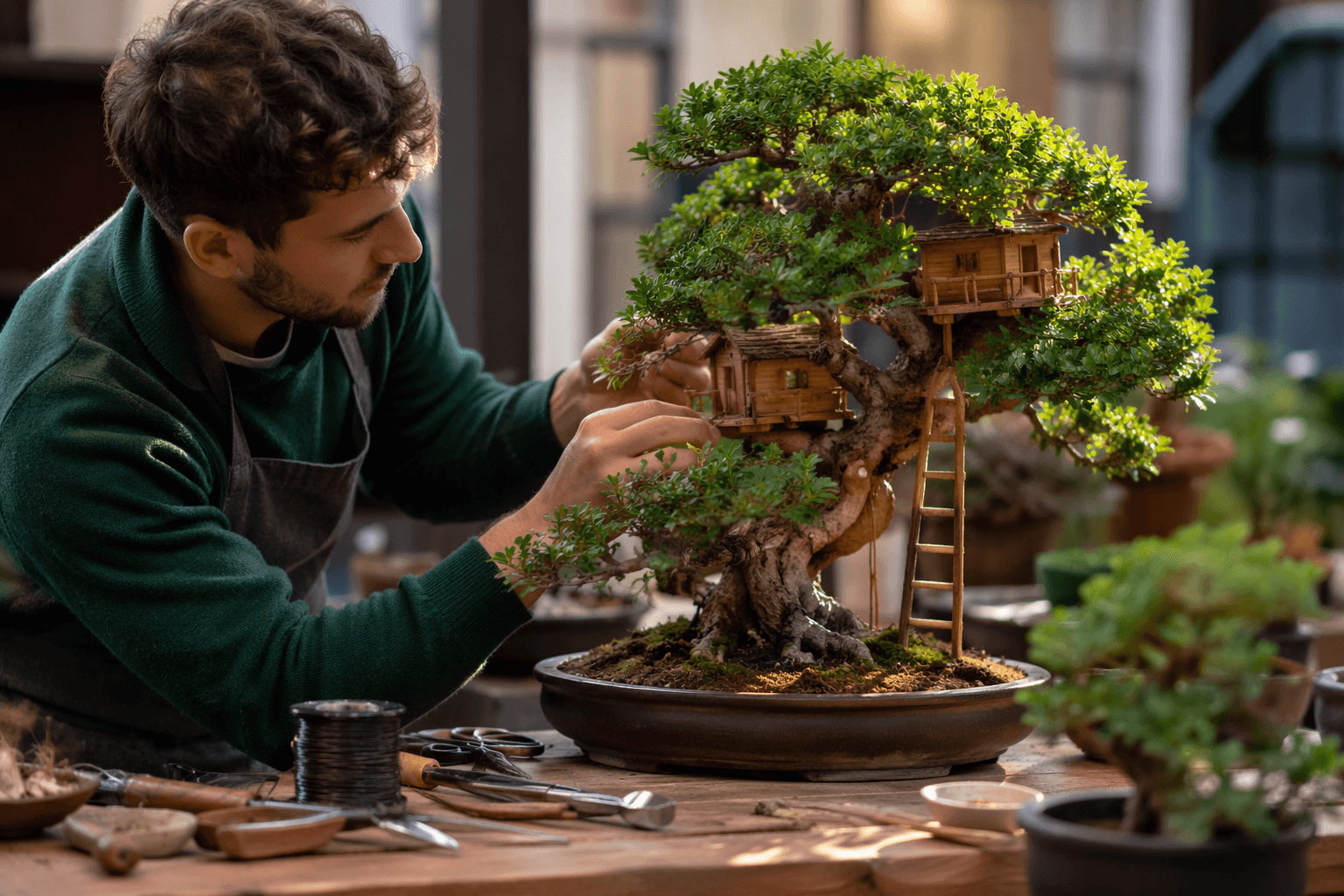
East Bay Bonsai Society Newsletter Mixes Kokufu Highlights With Satirical Megasai Humor
The Tree Shrinker's April issue pairs Addison Galambos' Kokufu 100 reflections with a satirical "Megasai" style, quietly exposing a live debate about scale in Western bonsai.
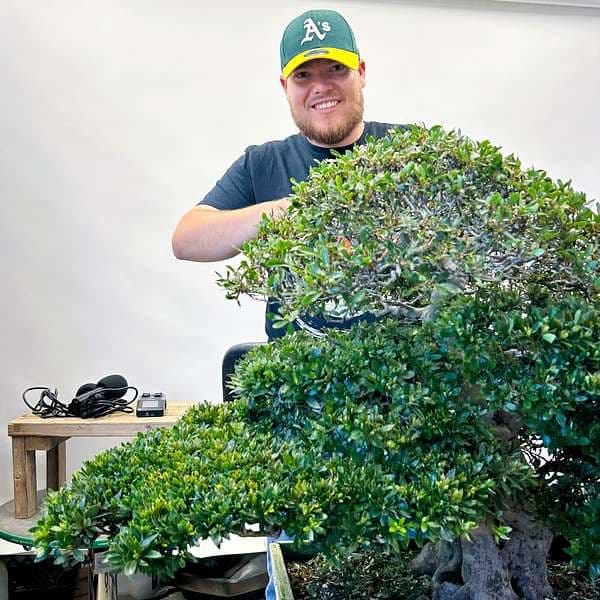
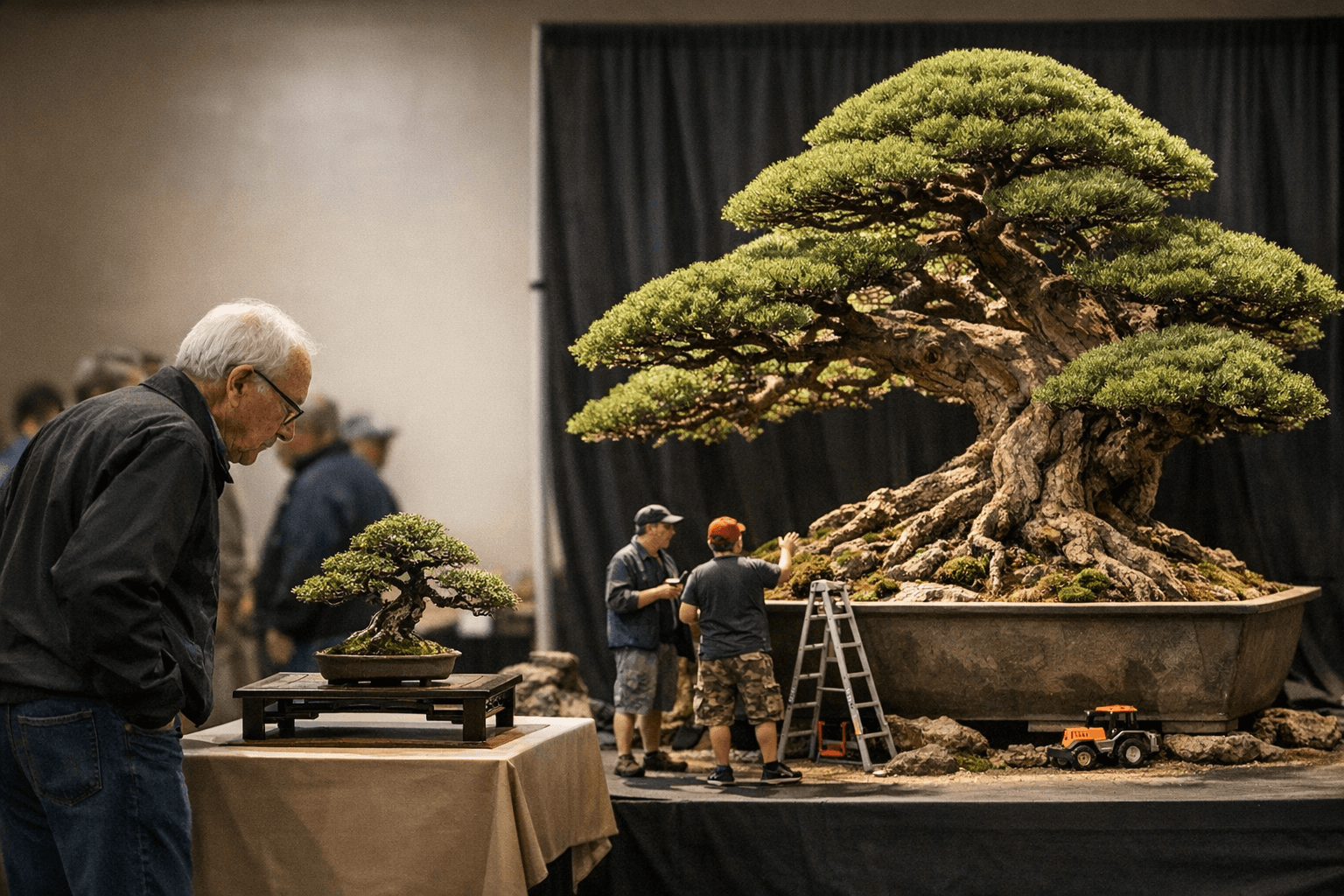
The same issue of The Tree Shrinker that carries East Bay Bonsai Society president Addison Galambos' reflections on the Kokufu 100th Anniversary also introduces "Megasai," an elaborately constructed fictional style that inverts everything the hobby holds dear about scale and refinement. Volume LXVI, No. 4 dropped on April 1, and the timing was no accident.
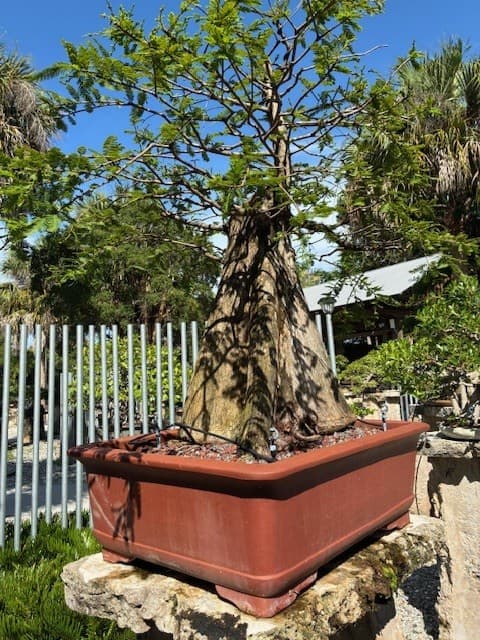
Where bonsai miniaturizes the monumental, Megasai monumentalizes the opposite: plant a coastal redwood or a giant sequoia in an oversized decorative vessel, refrain entirely from pruning, and return in 200 to 600 years to see if the specimen qualifies for exhibition. The newsletter's instructions are delivered deadpan, and the punchline lands harder because the species choices are not arbitrary. Coastal redwood already appears as genuine bonsai material in Northern California, where its vigorous back-budding makes it responsive to reduction. Giant sequoia can live more than 3,000 years, which makes the Megasai cultivation timeline feel almost optimistic.
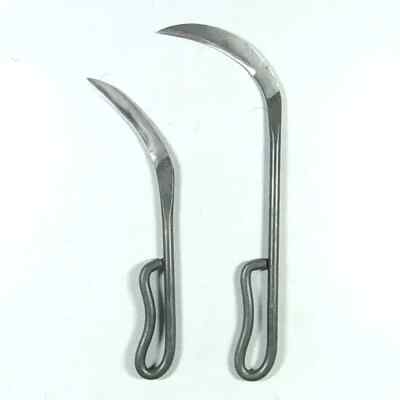
The joke's sharpest edge is a single line about the April 8 lightning-talks meeting: "Being that these are Lightning Talks, it'll be important that members not stand under the Megasai. Very dangerous." The warning is absurd on its face, but it reframes a real anxiety. Size in bonsai is not a neutral variable. When material scales up, wiring strategy changes entirely. Heavy-gauge wire on vigorous, fast-growing species like redwood must be monitored with an urgency that smaller, slower pines never demand. A strand that would leave a subtle scar on a shohin juniper can bite into a larger-caliper limb within weeks during the growing season, and the scar on a major primary branch can take years to grow out, if it grows out at all. Exhibition prep for substantial material adds logistical layers that hobbyists accustomed to shohin-scale work rarely anticipate: heavier display stands, anchor points, the practical question of who carries what into a show venue and whether the tree survives transport without losing the deadwood detail it took a decade to refine.
None of that anxiety is hypothetical for a club approaching its own annual show season. It runs directly into the newsletter's other major editorial thread: Galambos' planned April 8 presentation on the Kokufu 100th Anniversary. Kokufu-ten, organized by the Nippon Bonsai Association and held annually at the Tokyo Metropolitan Art Museum in Ueno Park, has served as the global benchmark for bonsai refinement since its 1934 founding. The 100th exhibition, held in February 2026, represents a milestone that Western clubs are watching closely, and Galambos bringing that context back to the East Bay is not incidental to the hobby's current moment. For EBBS members preparing their own annual show, the Kokufu connection forces a live question: which judging standards to aspire toward, and whether criteria refined over generations of Japanese exhibition culture translate intact to American material, American aesthetics, and American growing conditions.
Kokufu's refinement standards were built around species and growing environments specific to Japan: Ezo spruce, Japanese black pine, Japanese white pine, trident maple. The trees presented there reflect horticultural interventions calibrated to those species' growth rates and needle characteristics, carried out by multiple generations of practitioners within a single tradition. When a Western club looks at Kokufu material and asks how it applies to a Monterey cypress or a coast live oak, the answer is not straightforward. Scale, ramification density, nebari development, jin and shari character: each element requires independent re-evaluation against what a given species will actually do in a Northern California garden.
The fact that Galambos is presenting on Kokufu in the same meeting where Megasai is introduced as a lightning-talk joke is almost certainly not coincidental. The newsletter holds both things at once: genuine reverence for the Japanese tradition and a pointed, humorous skepticism about the rigidity with which scale and refinement standards sometimes get defended. The juxtaposition makes an implicit argument that EBBS members are sophisticated enough to hold the tension, and that the tension itself is worth examining openly rather than resolving too quickly in either direction.
The rest of the April 8 programming fills out that sophistication. Michael Szabo is presenting on Monterey cypress grown from seed, which is unusual territory in the hobby. Most practitioners acquire cypress material as nursery stock or yamadori; starting from seed requires a different relationship to development timelines, and it raises distinct questions about vigor management and early structural decisions that are easy to underestimate when working with pre-formed collected material. The willingness to begin a tree from seed represents a commitment measured in decades, not seasons, and it quietly echoes the patience that Megasai parodies at its most extreme. Lisa Harper's presentation on accent plants addresses the exhibition ecosystem surrounding a show-quality specimen. At Kokufu, kusamono and shitakusa are judged with the same seriousness as the primary trees, a discipline that most Western shows are only beginning to formalize. Bringing that standard into an East Bay meeting program signals where the club's collective practice is heading.
The newsletter itself is now in its 66th year of continuous publication, Volume LXVI implying production dating back to approximately 1960. A club that has coordinated wiring sessions, repotting workshops, volunteer rosters, and refreshments schedules for six-and-a-half decades is not experimenting. It is executing an educational model that accumulates expertise slowly, the same way a good bonsai accumulates character: through consistent, skilled intervention and patient time. The pre-meeting wiring sessions listed in the April issue, the May and June meeting previews, and the auction and fundraising details for later in the year all reflect an institutional rhythm that supports the kind of long-arc development bonsai demands, whether that arc spans one practitioner's lifetime or several.
The Megasai joke, then, is not just a gag. It is the newsletter's most direct statement about what the hobby actually requires. The satirical instructions compress into comedy the genuine reality that bonsai's most prized qualities, including movement, taper, and refined ramification, come only from interventions repeated across timescales most practitioners will not live to complete. When a tree at Kokufu displays the accumulated work of multiple generations of Japanese masters, it makes a claim about institutional continuity and disciplined succession that no single hobbyist can replicate alone. Western clubs like EBBS are increasingly aware that aspiring toward that standard means building the infrastructure for it: the newsletter rosters, the volunteer lists, the show-prep cycles, the annual calendar that keeps knowledge circulating from one generation of members to the next.
Scale, in other words, is not only about the size of the pot. The sequoia can wait; the April 8 conversation cannot.
This article was produced by Prism’s automated news system from verified source data, official records, and press releases, then run through automated quality and moderation checks before publishing. The system is built and supervised by the people who set the standards it runs under. Read our full AI policy.
Did this article answer your question?