Tokyo Pop-Up Transforms Dead Bonsai Into Wearable, Maintenance-Free Art
Yoshio Suzuki's atelier de RE BONSAI™ opens April 11 in Omotesando, turning dead bonsai into wearable, maintenance-free art at a Tokyo vintage venue.
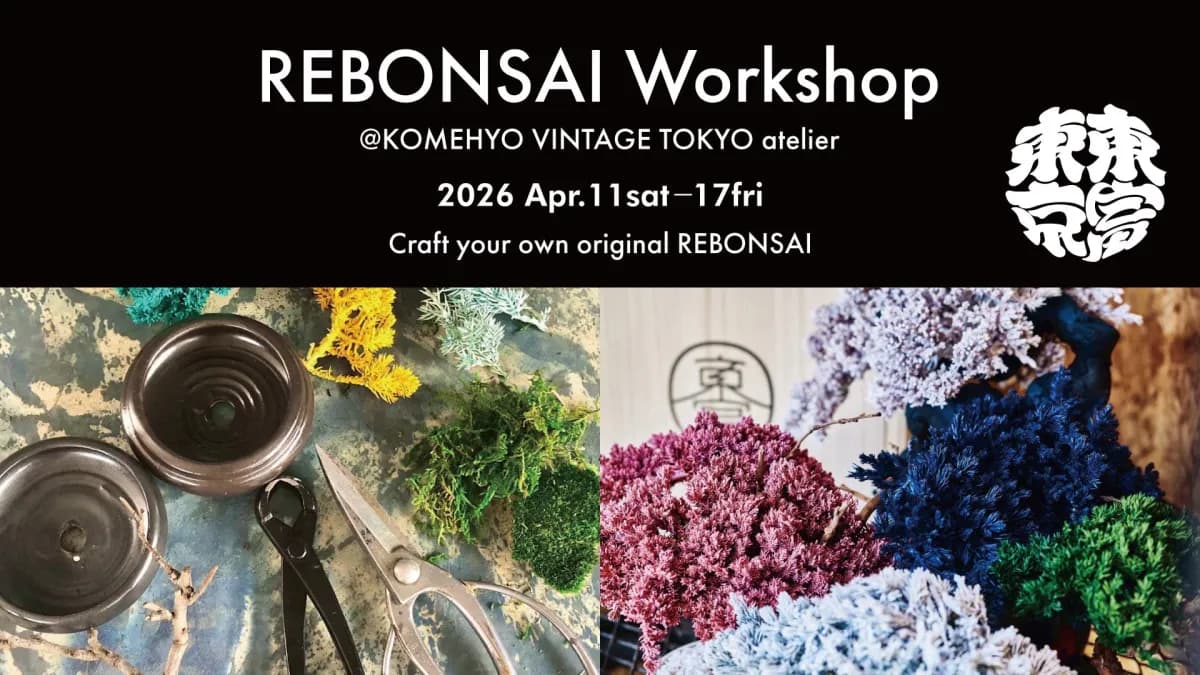
The question bonsai practitioners rarely ask: what happens to a tree after it dies? Yoshio Suzuki has built a practice around exactly that moment. His atelier de RE BONSAI™, opening at KOMEHYO VINTAGE TOKYO Atelier in Omotesando on April 11 and running through April 17, offers something genuinely unusual in contemporary bonsai culture: a way to own a piece of the art form without ever touching a watering can.
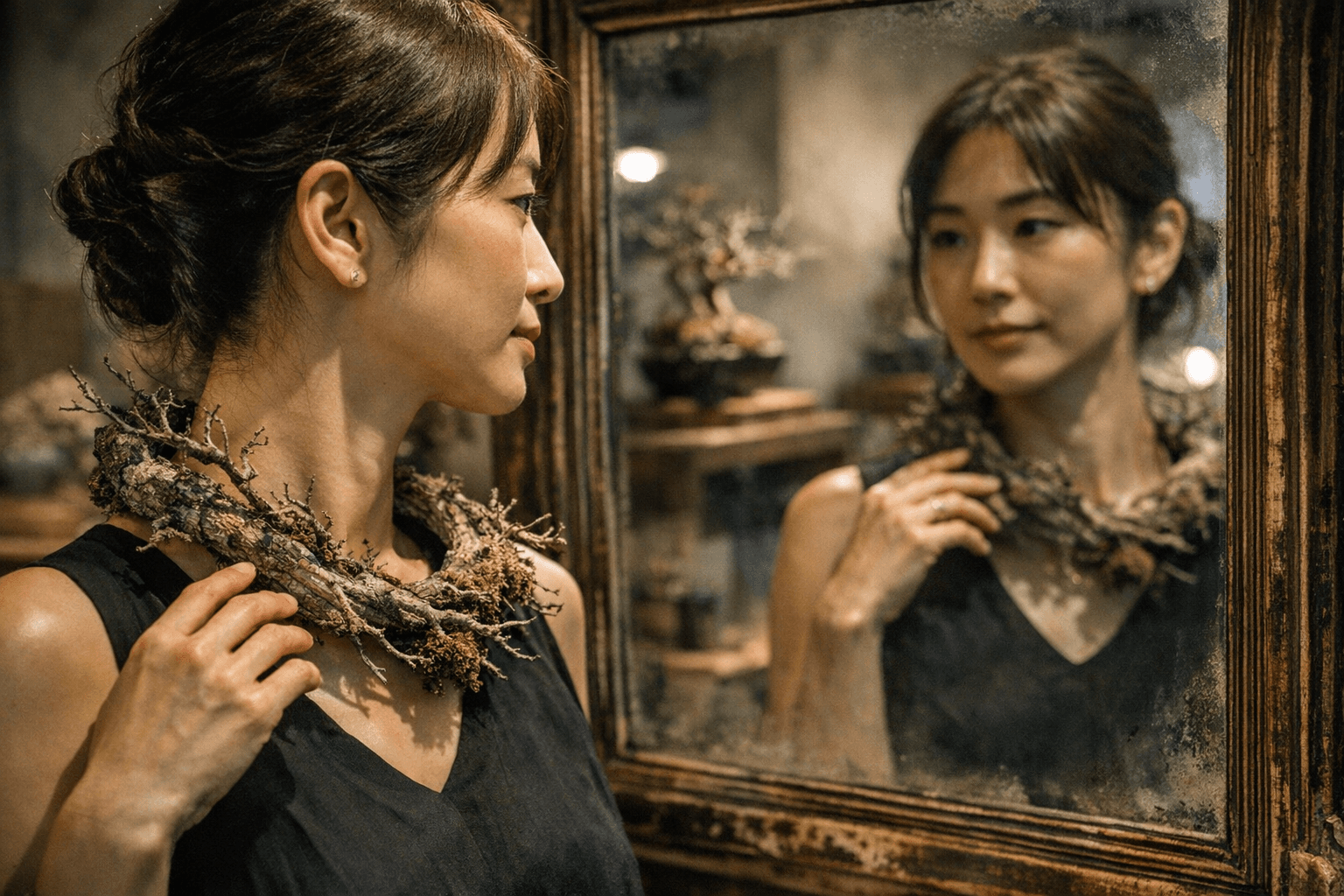
Suzuki, who works under the TOUFU TOKYO studio banner, has spent considerable time moving bonsai aesthetics into fashion-adjacent retail spaces, with prior appearances in Shibuya and at Isetan department stores. The RE BONSAI™ concept extends that crossover directly. Bonsai that have reached the end of their living life are repurposed, restructured, and reimagined as decorative objects or wearable pieces. The result draws on bonsai's visual language without requiring its horticultural discipline, which is precisely the point.
The pop-up is housed at KOMEHYO VINTAGE TOKYO Atelier, a creative venue branch of Japanese vintage retailer KOMEHYO that opened in Omotesando in November 2025. The space was designed around upcycling and vintage-inspired ideas, making it a natural fit for RE BONSAI™, which applies a similar philosophy to botanical material rather than clothing or accessories.
Workshop sessions will run three times daily at 1:00 PM, 3:00 PM, and 5:00 PM, capped at six participants each. The 5:00 PM slot carries a participation fee of 11,000 yen, tax included, with pre-registration encouraged for select sessions. Participants work directly with dried branches and preserved plant material to create individual RE BONSAI™ pieces, taking home something handmade rather than simply purchased off a shelf.
Beyond individual workshops, the event features a collaborative cherry-blossom installation built incrementally over the full seven days, each attendee contributing branches to a central display. For a pop-up timed to sakura season in one of Tokyo's most design-conscious neighborhoods, the communal element is well-considered. It turns the installation into a kind of accumulating record of the week's visitors, even if nothing about the materials is technically alive.
Merchandise will also be available, including decorative RE BONSAI™ objects and fashion items carrying the event's cherry-blossom motif, continuing Suzuki's effort to bring bonsai aesthetics to an audience that might never pick up a pair of concave cutters.
For practitioners with dead or dying material sitting on their benches, RE BONSAI™ raises a straightforward question: rather than composting a tree that didn't survive, could it carry a second life? Through April 17 in Omotesando, Suzuki's answer is yes, and the craftsmanship on offer suggests he means it seriously.
This article was produced by Prism’s automated news system from verified source data, official records, and press releases, then run through automated quality and moderation checks before publishing. The system is built and supervised by the people who set the standards it runs under. Read our full AI policy.
Did this article answer your question?