Hidden Lake Gardens Looks to Fall for a New Bonsai Experience
A new 2026 exhibition will focus on fruit, foliage, and the quieter seasonal side of bonsai

Hidden Lake Gardens in Tipton is preparing a new chapter in its bonsai story. On October 17 and 18, 2026, the garden will host the Fall Fruit and Foliage Bonsai Exhibition, presented by the North American Bonsai Federation. The event is being led by bonsai curator and leader Jack Sustic, working alongside a select committee of bonsai experts, with the Hidden Lake Gardens team supporting the execution across all aspects of the exhibition.
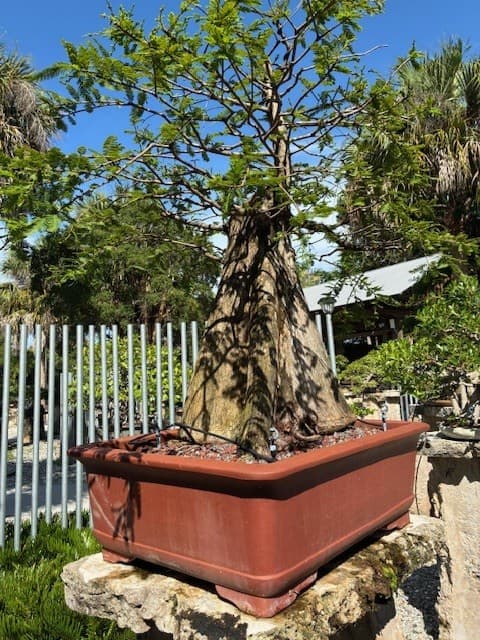
The direction feels natural for a place that has spent decades building one of Michigan's most established bonsai collections. What began in 1968 with Jack Wikle has grown into a carefully curated courtyard beside the conservatory, where visitors are encouraged to slow down and take in the details. The space is quiet, almost understated, but that is part of what makes the experience work.
This new exhibition also signals a shift in focus. In past years, the garden hosted its Art of Bonsai event, which is expected to return in 2027. For 2026, attention turns to autumn, a season where bonsai tells a different kind of story through ripening fruit, changing leaves, and a more subdued atmosphere.
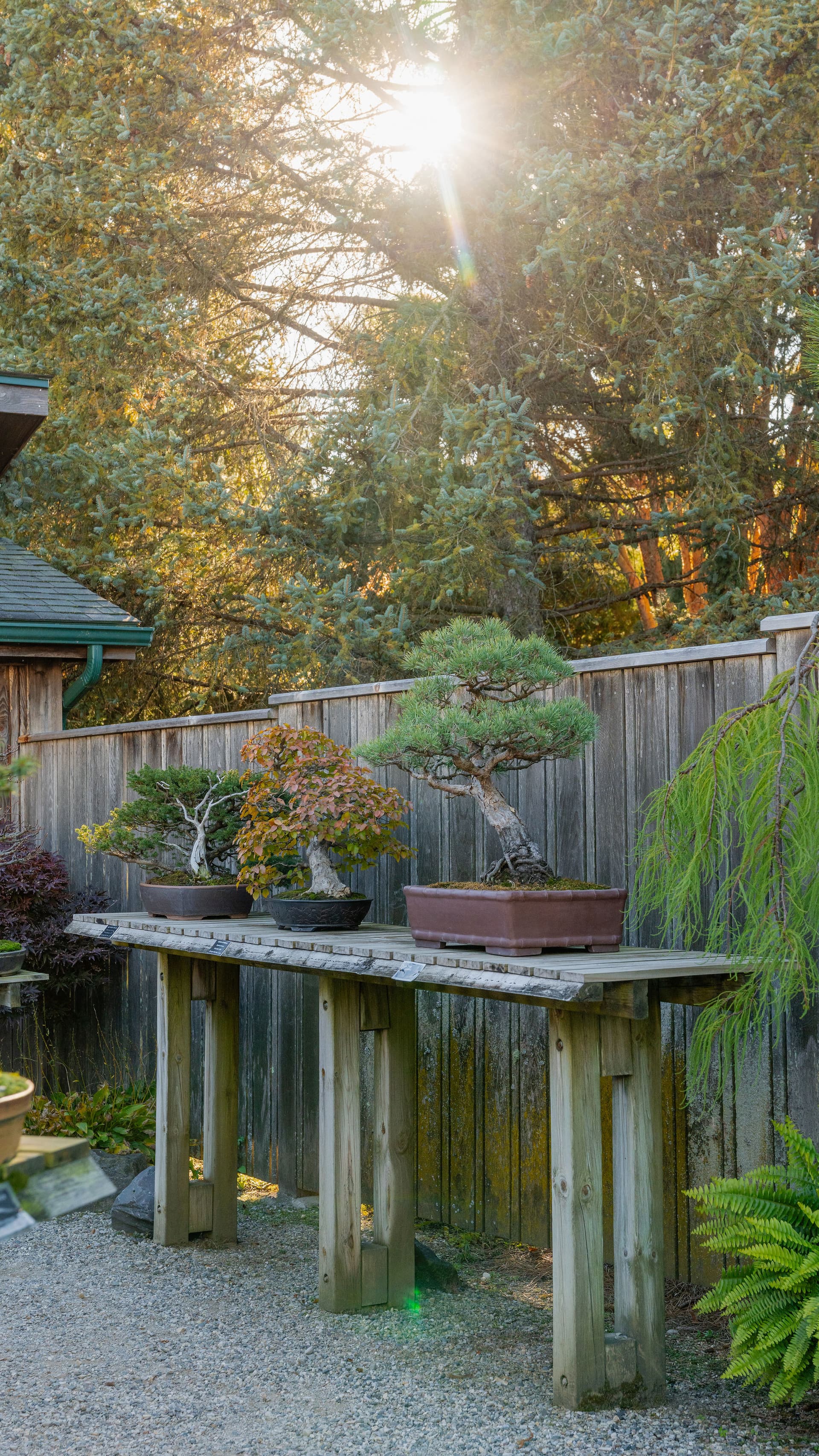
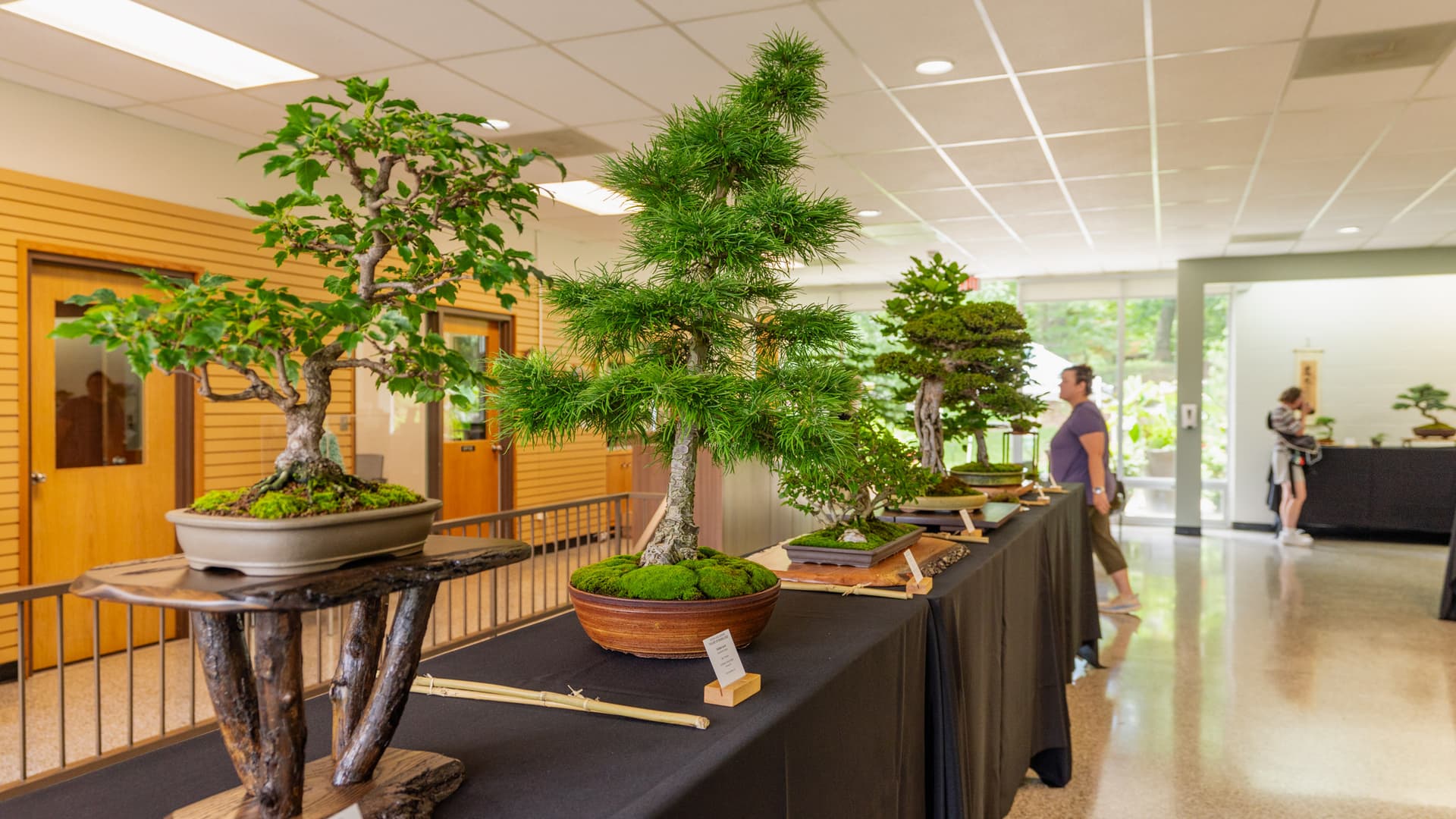
The event is designed as more than a simple display. The exhibition will feature juried selections from across North America, alongside a full weekend of programming that includes demonstrations, educational sessions, vendors, and opportunities for visitors to engage more directly with the art form. At the same time, applications to exhibit bonsai are currently open, with submission details available through the Hidden Lake Gardens website.
Part of what gives the exhibition weight is the collection behind it. Hidden Lake Gardens is home to trees that carry long histories and unexpected forms. Among them is a Yamadori Ponderosa Pine estimated to be nearly 260 years old, as well as a 65 year old apple bonsai originally collected from Jack Wikle's own backyard. Small in scale, but rich in story, these trees reflect the depth that bonsai can hold over time.
One of the more interesting elements of the upcoming exhibition is a bonsai pot design competition centered around a Wisteria bonsai in the collection. The idea highlights something often overlooked, that bonsai is not only about shaping trees, but also about the relationship between the tree and its container. It adds another creative layer to the event without overcomplicating it.
Beyond the exhibition itself, Hidden Lake Gardens operates as a broader landscape shaped by education and accessibility. Spanning hundreds of acres, the site combines curated plant collections, natural areas, and visitor experiences that invite people to observe more closely and spend more time in nature. Bonsai fits naturally into that environment, not as a separate attraction, but as part of a larger approach to how people interact with plants.
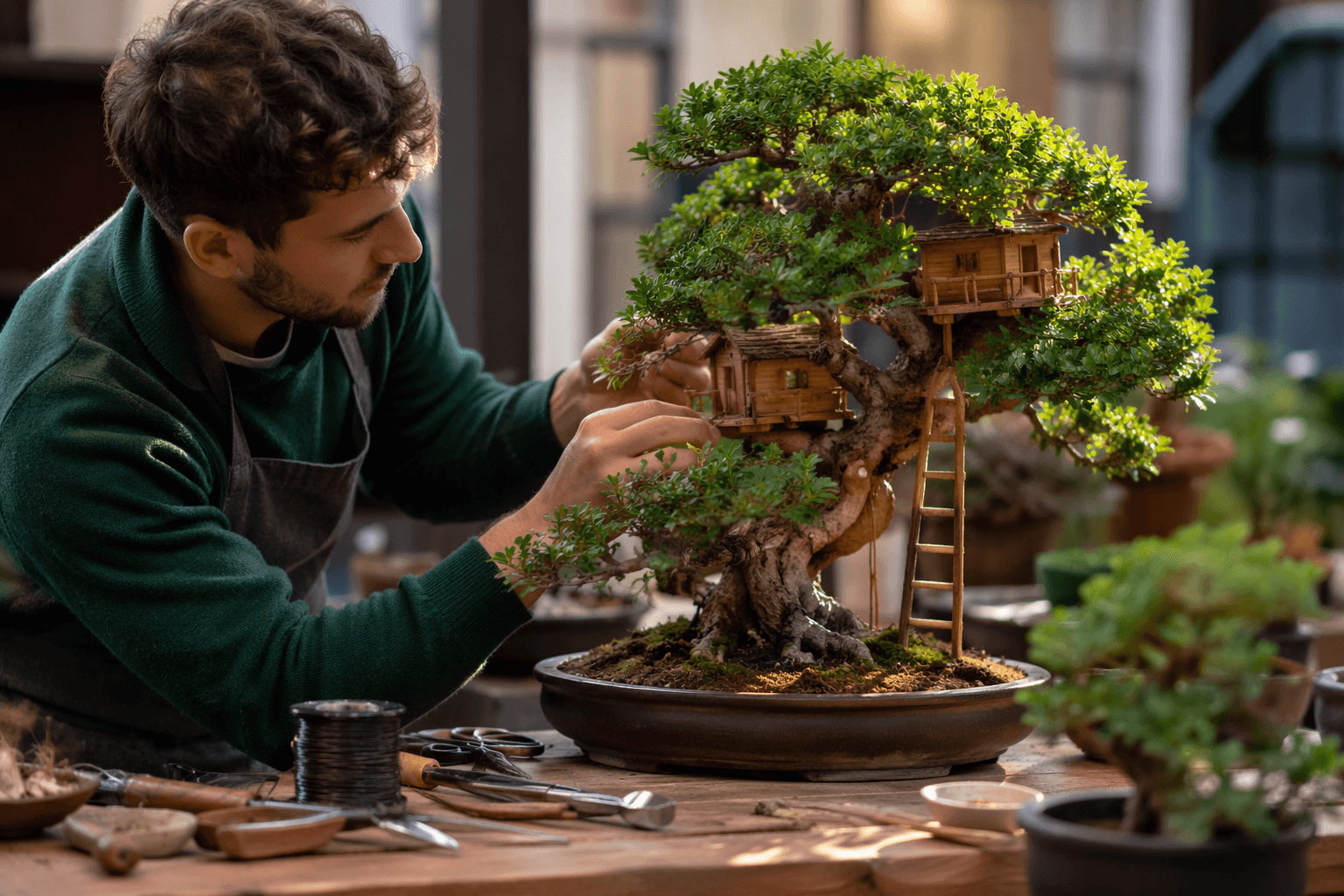
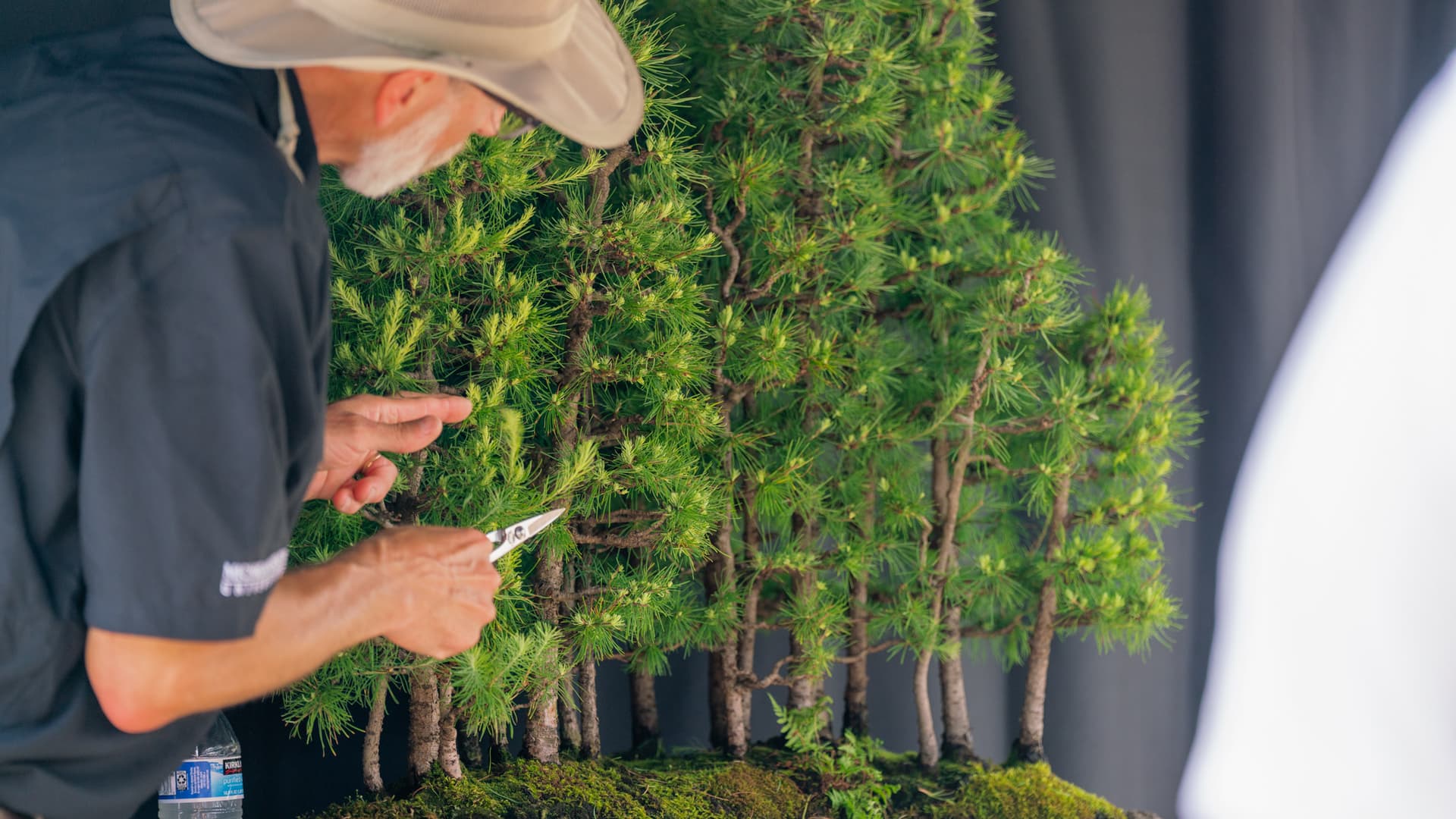
There is also an openness in how the collection is maintained. Visitors can often see staff and volunteers working on the trees, especially during regular maintenance days. That visibility makes the practice feel less distant and more approachable, turning bonsai from something to admire into something to understand.
For many visitors, this is where the connection begins. Bonsai can seem complex at first, but seeing the process up close often leads to curiosity, and over time, deeper interest. That progression is reflected in the garden's own community of volunteers, many of whom started with no background at all.
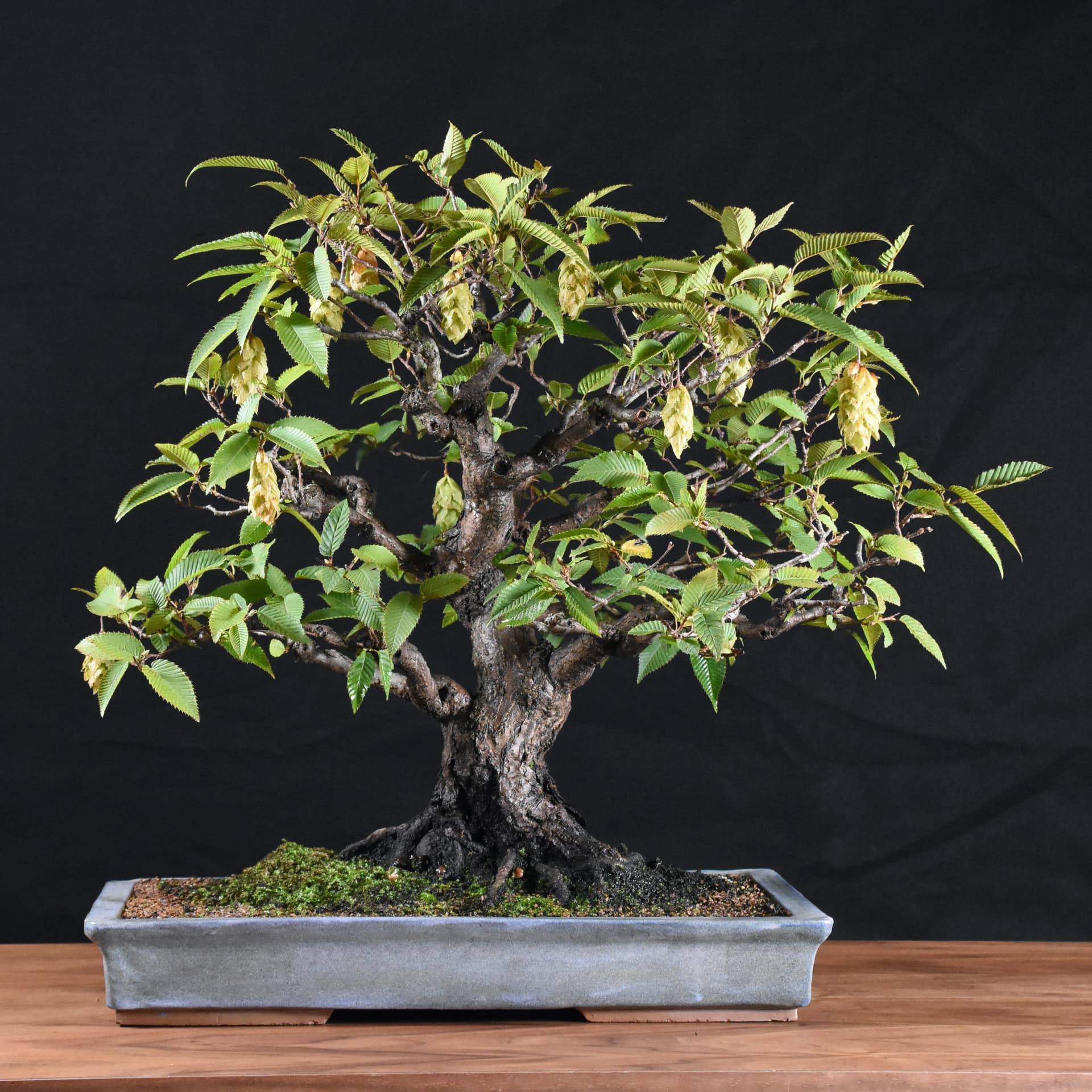
The Fall Fruit and Foliage Bonsai Exhibition builds on that idea. It is not just another event on the calendar, but an entry point into a living art form that continues to evolve. In a place already known for calm and reflection, focusing on the fall season feels like a natural extension rather than a departure.
This article was produced by Prism’s automated news system from verified source data, official records, and press releases, then run through automated quality and moderation checks before publishing. The system is built and supervised by the people who set the standards it runs under. Read our full AI policy.
Did this article answer your question?