Match Soil Mixes to Juniper and Ficus Bonsai Needs
Match soil to genus: Juniperus and Ficus have different needs; note the real-world examples—“Green island ficus planted in a 50% akadama mix” and a reader asking about a “50/50 mix of perlite and peat moss.”
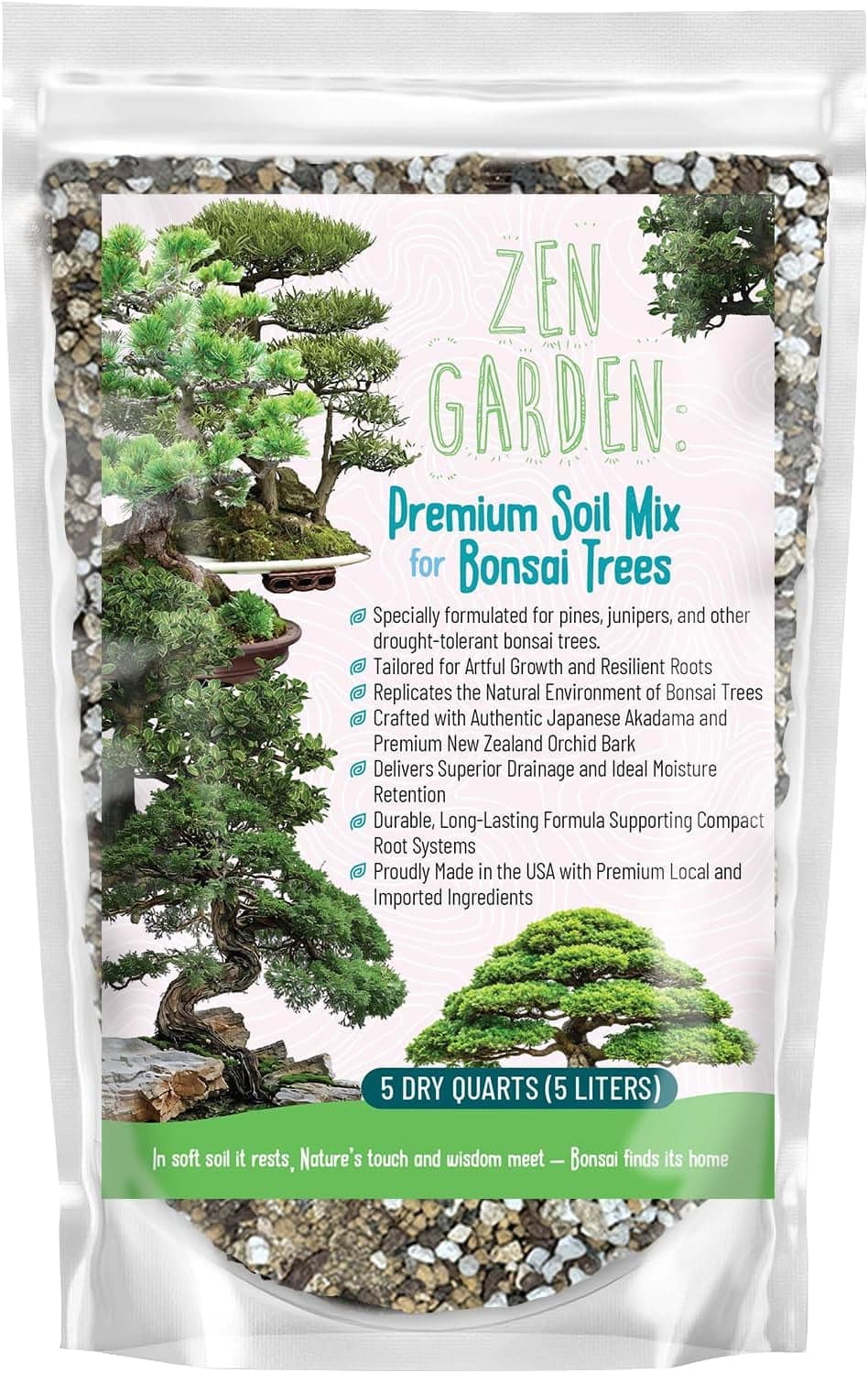
Who this guide is for and why soil mix matters “This evergreen primer is aimed at bonsai growers deciding between soil mixes for two widely cultivated bonsai genera — Juniperus (junipers and pines) and Ficus (tropical/indoor ficus species, including Ficus retusa / Ficus microcarpa). What & Why: Soil mix matters for oxygenation, water retenti” That fragment from the original report frames the issue: you are choosing mixes for two very different genera. Keep that sentence in mind, truncated as it is, because the choices that follow are driven by the genus-level needs identified there. Juniperus and Ficus are the focus; the examples and reader questions below show how those differences play out in real pots.
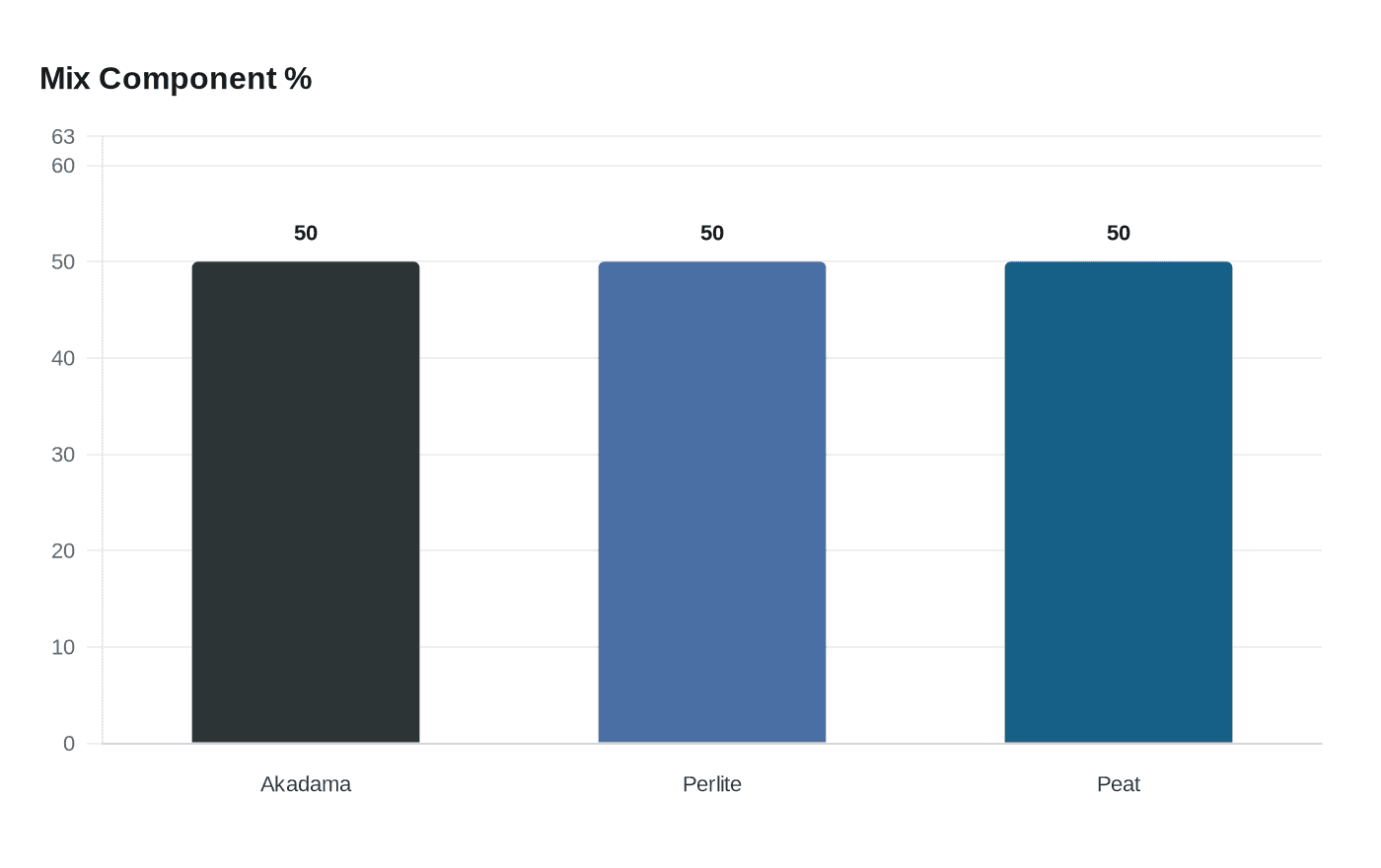
Ficus examples you can actually use Ficus appears repeatedly in the source material, and one concrete example is given: “Green island ficus planted in a 50% akadama mix.” That is a clear, on-the-bench data point: someone has a green island ficus in a mix where akadama makes up half the substrate. The original report specifically calls out Ficus retusa / Ficus microcarpa as included in the Ficus scope, so when you read that akadama example, treat it as a practical starting point for tropical/indoor Ficus types rather than a universal law.
Juniperus: repot decisions tied to pruning and soil condition Jonas Dupuich’s practical line on repotting is the most usable repotting rule here: “As for your juniper, I’d make the decision based on how much pruning you did and how bad the soil is. I’d likely do the repot but not be too aggressive with root cutting.” That’s Jonas, March 8, 2021 at 11:28 am. Use his diagnostic: assess how much top pruning was performed and inspect the soil. If you did heavy canopy work or nursery soil is poor, lean toward repotting; if you repot, respect his caveat and avoid overly aggressive root pruning.
A real reader scenario: seedlings and media choices Derek White’s March 9, 2021 at 11:37 am comment gives a live example you can mirror: “Because of you, I was inspired to try growing JBP from seed. So far, I have a few tiny seedlings sprouting up (I live in Florida, so spring is early). I’m wondering if a 50/50 mix of perlite and peat moss would be a good medium to transfer individual seedlings into (likely clipping the tap root and using hormone, as you’ve suggested in some cases). Would be grateful for your guidance on JBP seedlings and soil. Thanks!” That paragraph contains three concrete things to note: the reader is working with seedlings, they are asking about a “50/50 mix of perlite and peat moss,” and they plan on “likely clipping the tap root and using hormone.” The post also supplies geographic context: “I live in Florida, so spring is early.” Treat Derek’s question as a practical test case rather than a prescription. The materials do not expand JBP, so do not assume what JBP stands for.
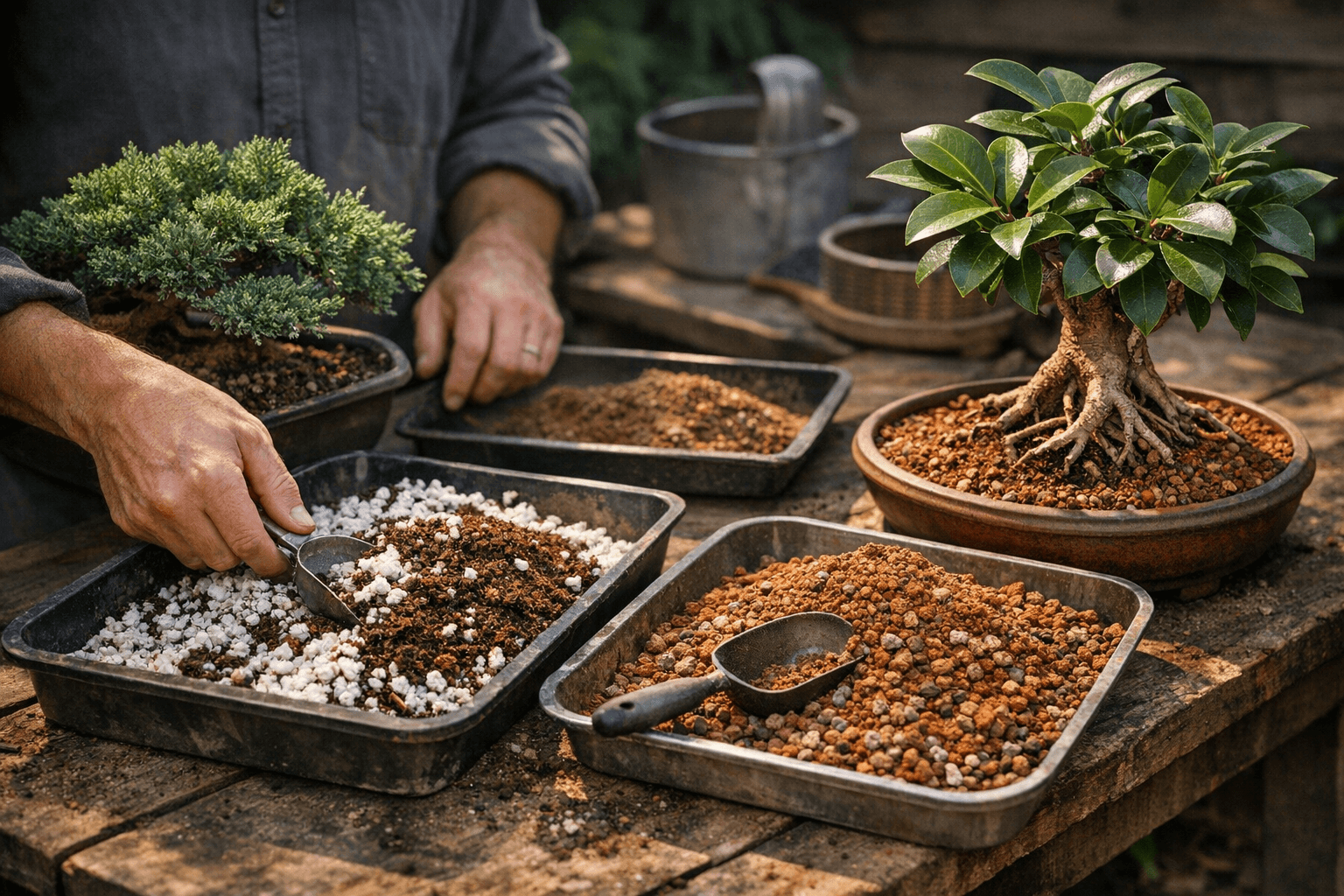
A short repotting sequence, anchored to the commentary When you need a sequential approach, keep to the practical items present in the source material. Use these steps, which are drawn directly from the commenters’ concerns and advice: 1. Inspect pruning and soil, as Jonas recommends: “make the decision based on how much pruning you did and how bad the soil is.” — Jonas Dupuich, March 8, 2021 at 11:28 am. 2. If you repot seedlings, be explicit about the medium you’re testing: Derek White asked about a “50/50 mix of perlite and peat moss.” 3. If you trim roots on seedlings, proceed with the tap-root workflow Derek mentions: “likely clipping the tap root and using hormone.” Those steps reflect the questions and conditional guidance present in the source material and keep the work conservative and testable.
Broadleaf Evergreens, where Ficus sits within a larger category Broadleaf Evergreens “Broadleaf evergreen bonsai covers a diverse group of trees including native species like live oaks or Yaupon holly, exotic species like eleagnus or privet, and subtropical species like gardenia.” The source material explicitly groups broadleaf evergreens this way. The author also adds the practical stance verbatim: “In general, I treat broadleaf evegreen species like deciduous species, but there may be exceptions for the species you’re working with. [...]” That phrasing is in the original notes, including the misspelling “evegreen” and the trailing ellipsis; treat it as a caution that one-size-fits-all rules do not apply for broadleaf species. Ficus sits in that broader category of subtropical/broadleaf trees, so you should expect exceptions and tweak mixes accordingly.
What the record does not give you, and what that means Several gaps are explicit in the source material: the original report’s “Soil mix matters for oxygenation, water retenti” line is cut off. Jonas had a March 9, 2021 at 11:42 am reply shown as “[...]” which is missing. The acronym “JBP” appears in Derek’s comment but is not expanded. Those are flagged in the notes and mean you should treat examples and questions as starting points for local testing rather than final answers. When information is incomplete in the thread, the sensible move is experimentation and local confirmation.
Practical tips and a reality check from the author The site author’s self-assessment is worth repeating exactly: “That said, I have far less experience with tropical bonsai than I do with temperate trees. If this approach doesn’t yield the results you’re looking for, check with others growing tropical trees in your area and experiment until you get the results you want!” Use that as a field-tested caution: when you try a “50% akadama mix” on a green island ficus or test a “50/50 mix of perlite and peat moss” for seedlings, log results and iterate. The comments show an active, practical community where trial and local advice fill the gaps left by incomplete posts.
- If you work on Ficus, note the explicit example: “Green island ficus planted in a 50% akadama mix.” Consider replicating that exact mix on similar plants as an experiment.
- If you work on Juniperus, follow Jonas’s triage: assess pruning and soil and, if repotting, “not be too aggressive with root cutting.” — Jonas Dupuich, March 8, 2021 at 11:28 am.
- If you are moving seedlings, Derek’s question frames a real test: try a “50/50 mix of perlite and peat moss” for individual seedlings and plan for “likely clipping the tap root and using hormone,” then record outcomes.
Concrete takeaways you can act on today
Where this guide leaves off and where to go next The sourced material points to follow-up needs: confirm the truncated original sentence, clarify “JBP,” and get Jonas’s missing March 9 reply. For now, treat the explicit examples and the commenters’ conditional rules as a pragmatic roadmap: test mixes on a small scale, avoid extreme root cutting on trade-sized nursery roots, and consult other local growers when working with tropical Ficus. As the author on Bonsaitonight puts it, “If this approach doesn’t yield the results you’re looking for, check with others growing tropical trees in your area and experiment until you get the results you want!”
Know something we missed? Have a correction or additional information?
Submit a Tip