May Brings Rapid Growth, Daily Care, and Feeding for Bonsai
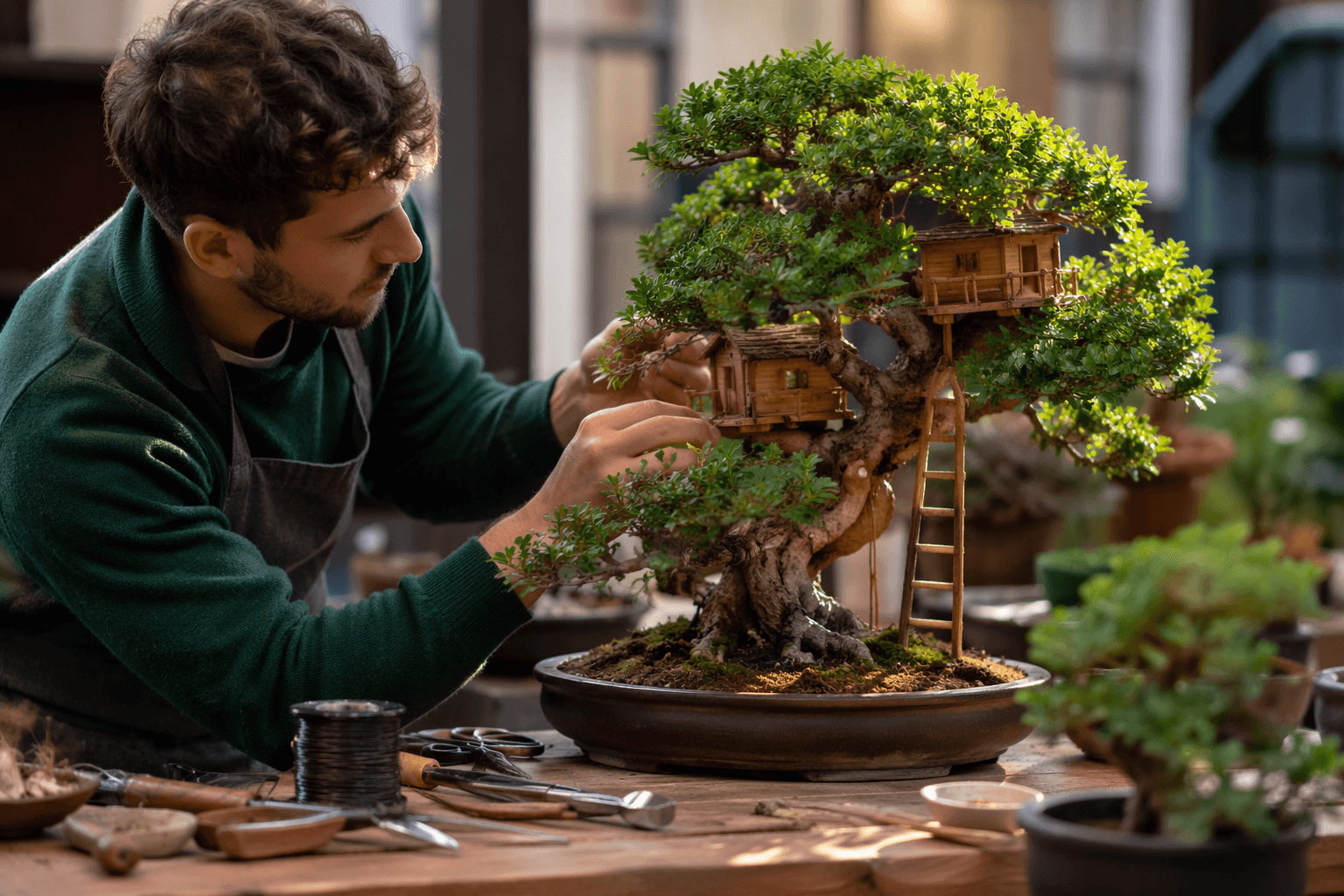
May is the month bonsai stop behaving like winter trees. Daily checks, full watering, steady feeding, and restrained pruning keep spring growth compact instead of out of control.
May turns into a pressure test for bonsai care
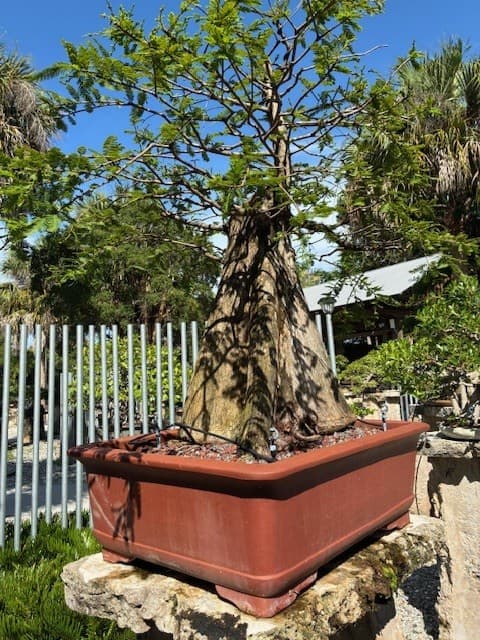
The first real mistake of the month is treating May like it still belongs to winter. Growth accelerates fast, roots begin filling shallow pots, and longer daylight pushes fresh shoots on both indoor and outdoor trees. That means the old habits of sparse watering and minimal intervention can leave a tree stressed just as it is trying to surge.
This is the week to switch from waiting to watching. May is a response month: the trees tell you what they need, and the best results come from reading that pace closely instead of locking yourself into a fixed routine.
What to do every day
The core habit for May is simple: check moisture daily. Do not water on a fixed schedule, because the weather, the tree, the pot, and the species are all changing too quickly for a calendar to stay accurate.
Your May watering checklist
- Feel the top layer of soil every day.
- Water thoroughly when the surface is just slightly dry.
- Keep checking more often after warm, bright, windy days.
- Expect shallow pots to dry faster as roots expand and demand rises.
The important shift here is thoroughness. A light splash does not solve a spring watering need. When the top layer has only just started to dry, give the tree a proper soak so the whole root mass is reached. That keeps the tree from yo-yoing between dry and drenched, which is exactly what vigorous spring growth does not need.
Feed while the tree is pushing
May is not the time to hold back on nutrition. The guide’s central advice is to feed with a balanced fertilizer through the growing season, because active growth needs fuel to support new shoots, foliage, and root activity.
Skipping feeding in May is one of the easiest ways to slow the very growth you are trying to refine. The trick is not to overdo it, but to stay consistent. Balanced feeding supports steady development, which is especially important when you are also trimming and watching moisture more closely.
Trim for shape, not punishment
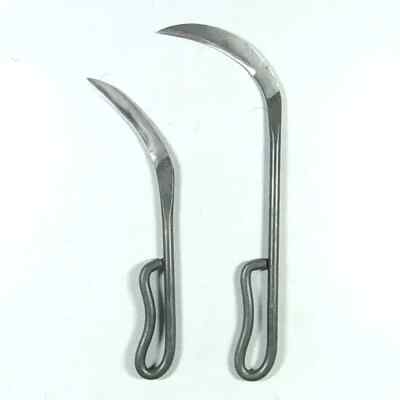
Spring growth can explode quickly, especially on strong trees, but the answer is not to cut back hard and hope for the best. Trim back strong shoots so the tree stays compact and balanced, yet avoid over-pruning that weakens the tree when it is trying to build energy.
Think of pruning in May as direction, not correction
- Cut back the strongest extensions before they dominate the tree.
- Keep the canopy compact without stripping away too much growth at once.
- Match pruning to the species and its growth pattern.
- Leave enough vigor in place for the tree to keep moving through spring.
This is where many bonsai owners lose a season. If you take too much off too soon, you can flatten the tree’s energy just as May is giving you the best chance to build refinement. The goal is to guide the flush, not fight it.
Know the difference between indoor tropicals and outdoor temperate trees
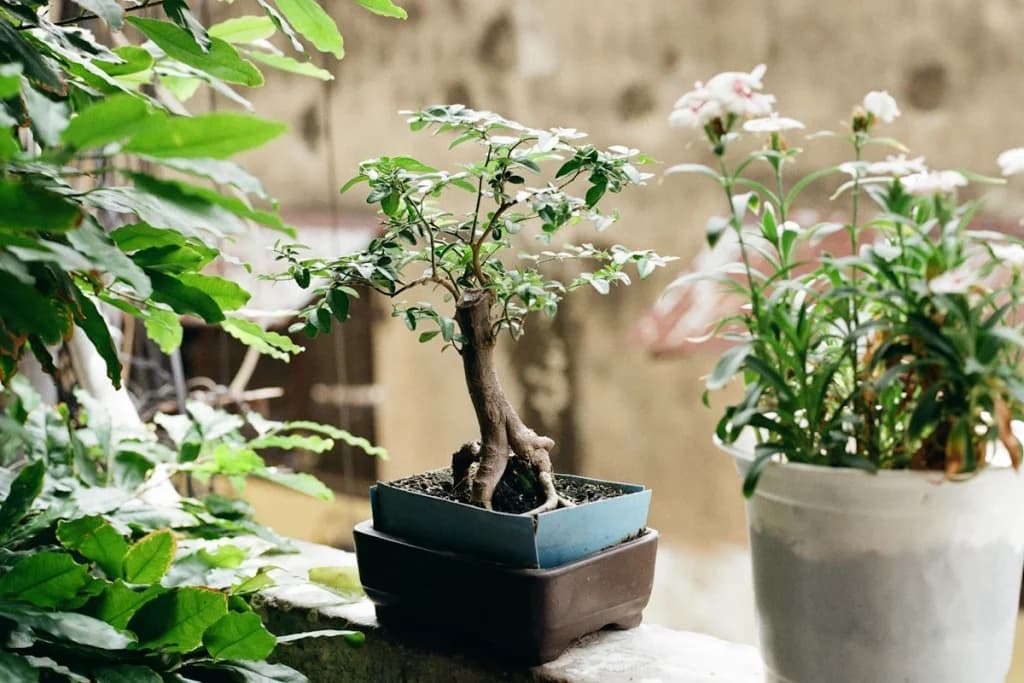
Species matters more than habit this month. Tropical indoor bonsai such as ficus, jade, and serissa should be kept in the brightest possible position and protected from cool nights. Temperate outdoor trees like juniper, maple, pine, larch, and elm need a different kind of attention, especially as daylight lengthens and growth patterns speed up.
Indoor tropical species
- Give ficus, jade, and serissa the brightest position you can manage.
- Protect them from cool nights.
- Watch them closely as indoor light levels change with the season.
Temperate outdoor species
- Rotate juniper, maple, pine, larch, and elm for even light.
- Prune according to how each species grows, not by a single general rule.
- Expect outdoor trees to respond quickly to longer days and stronger spring conditions.
Rotation matters more than many beginners realize. A tree leaning into one side of the light will not build balanced structure on its own. May is the month to correct that with small, regular adjustments.

Repot only when the tree is still actively moving
Some species can still be repotted in early May if they remain in active spring growth. That window exists, but it narrows fast. Once growth hardens, major root work should stop.
The important caution is not to stack stressful jobs together. Do not repot and fertilize at the same time. That combination can push a tree too hard when it needs to recover and re-establish itself first.
Use this repotting rule
- Early May can still work for some trees in active spring growth.
- Stop major root work once growth has hardened.
- Never pair repotting with fertilizing in the same moment.
- Let the tree settle before pushing it again.
That restraint protects the season. Repotting is meant to support growth, not interrupt it.
The most common May mistakes
May punishes delay because the season moves quickly. The classic errors are usually simple, but they can set a tree back right when it should be surging.
- Watering on a fixed schedule instead of checking the soil daily.
- Waiting until the tree looks thirsty instead of responding when the top layer is just slightly dry.
- Skipping feeding during active growth.
- Trimming too aggressively and weakening spring momentum.
- Repotting after growth has hardened.
- Doing major root work and fertilizing at the same time.
- Leaving tropical species in cooler conditions instead of bright, protected spots.
- Forgetting to rotate temperate trees and ending up with uneven growth.
May rewards close observation more than routine. If you keep up with moisture, feed through the growing season, trim with restraint, and match your care to the species in front of you, the tree stays compact and healthy instead of running away from you. The season is already moving fast; the advantage goes to the grower who notices first.
This article was produced by Prism’s automated news system from verified source data, official records, and press releases, then run through automated quality and moderation checks before publishing. The system is built and supervised by the people who set the standards it runs under. Read our full AI policy.
Did this article answer your question?