Minnesota Bonsai Society packs June with workshops, auction and meetings
Minnesota Bonsai Society turns June into a month-long learning ladder, from kusamono and Bonsai Concepts to an auction and yamadori workshop.
Minnesota Bonsai Society turns June into a month-long syllabus, not just a string of calendar notices. The club, founded in 1971 and run entirely by volunteers, uses the month to move members from display art to core technique to material sourcing, with something useful for beginners, regular attendees and advanced growers alike.
A calendar built to keep people coming back
That structure matters because the society’s mission is broad by design: bonsai education, outreach and programming for all skill levels, from novice to expert. Membership is set at $50 for a one-year household membership covering up to two people, and the club says members get access to monthly program meetings, free hands-on Bonsai Concepts classes and workshops brought in from around the world. In practice, June reads like a carefully arranged progression, with each stop offering a different kind of participation rather than repeating the same format over and over.
The club also leans on access. Monthly program meetings are held the first Tuesday of the month except January, and they are open to members, guests and visitors. Zoom access information is posted with the monthly meeting, which gives the society a way to keep the room open to people who cannot always make it in person. For a volunteer club, that combination of in-person and online access is one of the simplest ways to keep the community from fragmenting between sessions.
Kusamono opens the month with a different lens
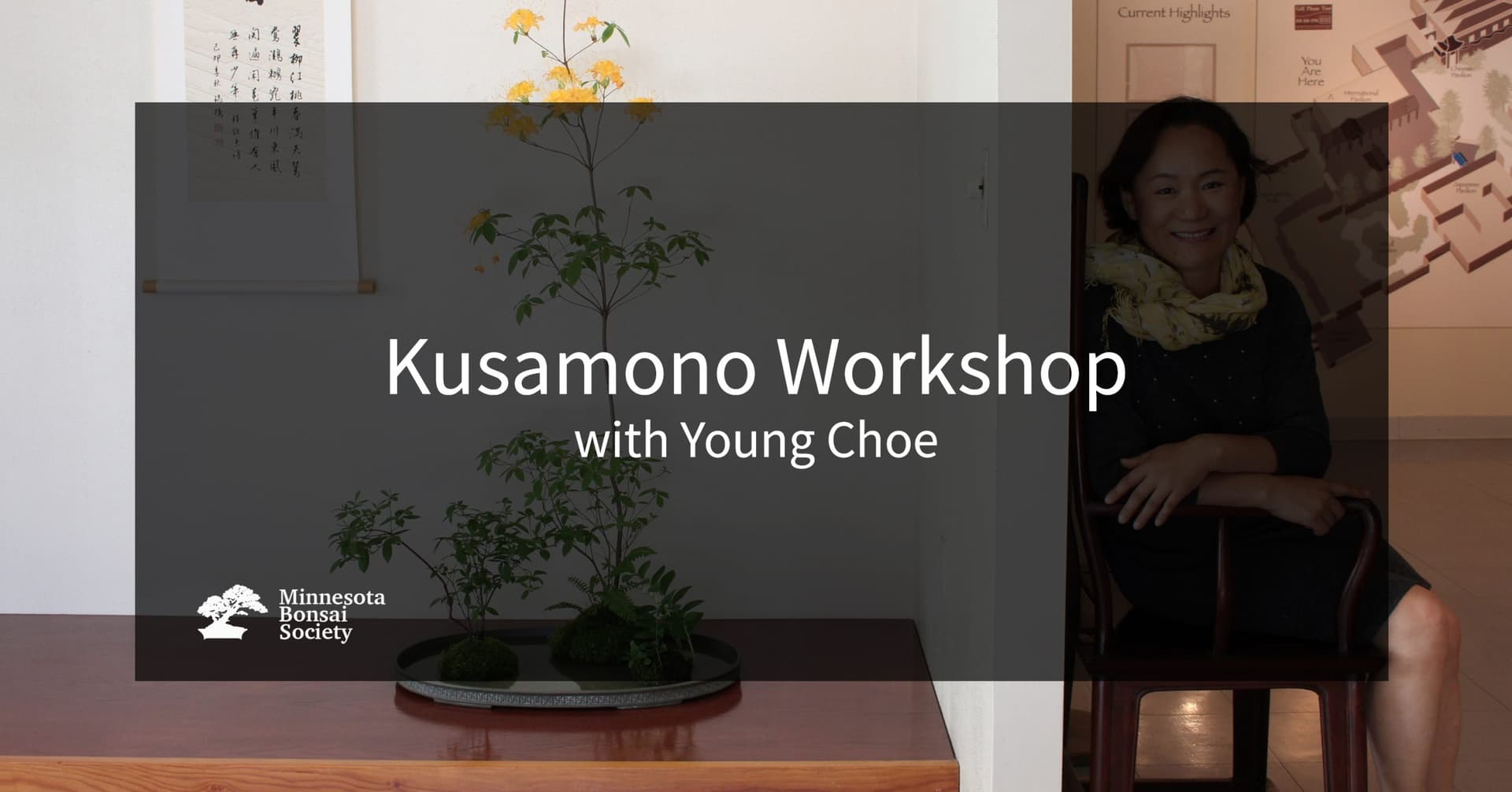
The month begins with a kusamono workshop featuring Young Choe, and that choice says a lot about the society’s priorities. Kusamono pushes bonsai culture beyond trees alone, into the companion plantings and presentation details that shape how a display feels on the bench. For a club trying to keep members engaged all month, that is a smart opening move: it gives beginners a fresh entry point and gives experienced artists a chance to refine the part of the composition that frames the tree.
Choe brings deep credentials to the subject. She began studying traditional art in Korea, developed an interest in kusamono while volunteering at the National Bonsai and Penjing Museum more than 25 years ago, earned a degree in horticulture and later traveled to Japan to study with master kusamono artist Keiko Yamane, a former student of Saburo Kato. The workshop is listed as a two-day program at Washington County Fairgrounds in Lake Elmo, and the society provides sign-up information for the session, underscoring that this is meant to be a real hands-on opportunity rather than a passive lecture.
The monthly meeting keeps the core community together
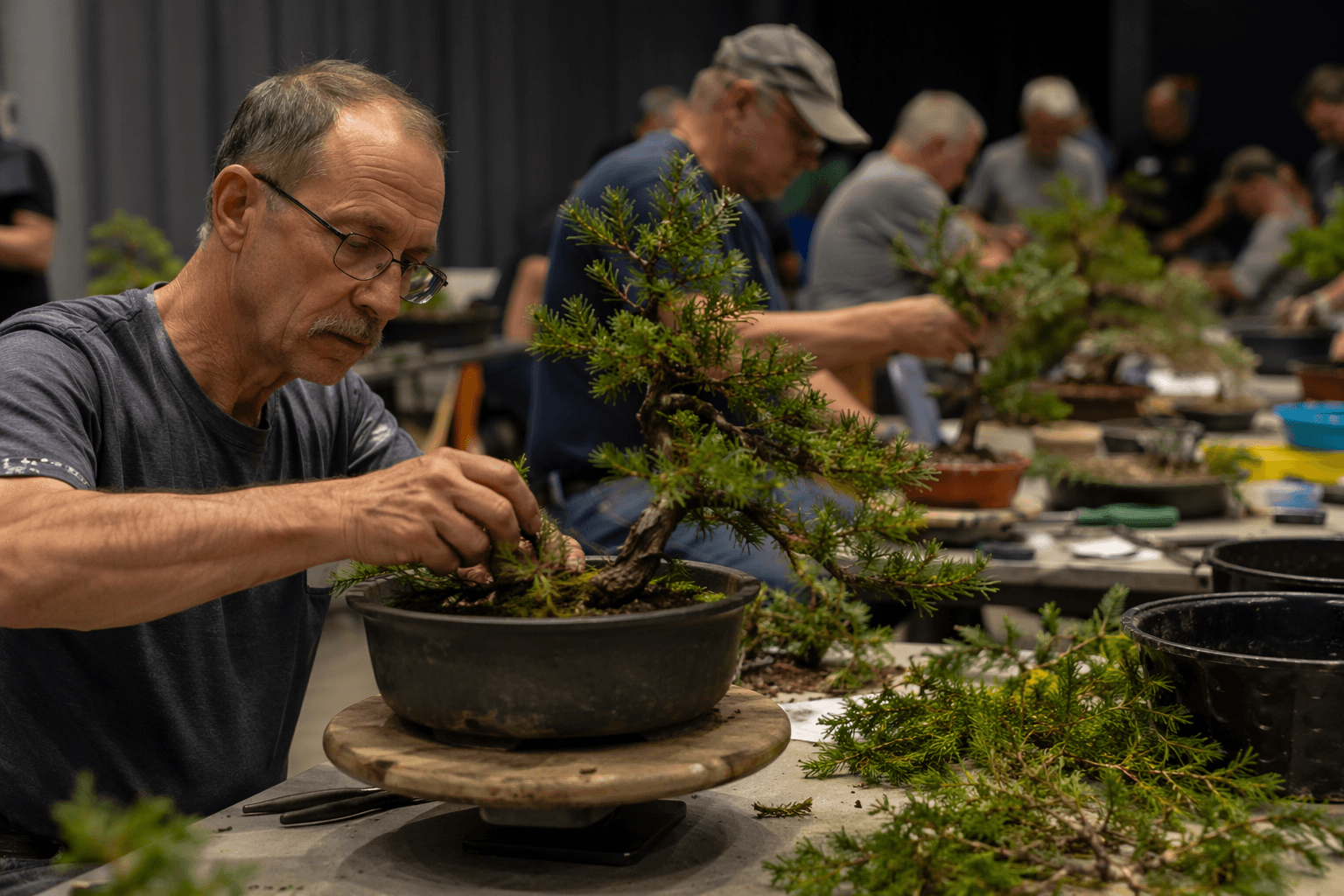
The next anchor point is the monthly meeting and program on June 2 from 7 p.m. to 9 p.m. at Wilder Foundation in Saint Paul. That meeting fits the society’s regular cadence, but it also does more than fill a slot on the calendar. By pairing a formal program with a meeting format that welcomes members, guests and visitors, the club keeps the social and educational sides of bonsai in the same room.
That matters for a society that describes member participation as a big part of what has made it one of the biggest and best clubs in the country. The volunteer page makes the point plainly: volunteering helps members learn new skills, refine existing ones and build lasting friendships while strengthening the broader bonsai community. In other words, the meeting is not just where people hear about the club. It is where the club keeps its volunteer engine visible.
Bonsai Concepts gives newer growers a low-friction entry
On June 20, the calendar shifts into Bonsai Concepts, one of the society’s most useful on-ramps. These sessions are designed to assist members in the development of bonsai, and they typically begin with a classroom segment before moving into practical work. They are free for members, usually held on the third Saturday of the month, and no signup is needed.
The topic list makes the intent obvious. Bonsai Concepts sessions focus on seasonal care and technique, including wiring, repotting, propagation, summer pruning and winter storage. That is the kind of programming that helps a club stay sticky between bigger events, because it gives newer members a place to ask questions without feeling like they have to arrive already fluent in every decision. It also gives experienced growers a dependable place to revisit fundamentals before the season turns.
The board meeting and auction keep the organization moving
The calendar then turns toward the society’s internal rhythm with a board meeting on June 24. Even without the fanfare of a public workshop, that kind of date is what keeps a volunteer organization functioning: programming, venues, education plans and member-facing events all need a group of people willing to manage the details. The fact that the board meeting sits between the teaching sessions and the public auction gives June the shape of a true club month, with the administrative work visible in the middle rather than hidden in the margins.
Two days later, the Spring Auction arrives on June 27, from 10 a.m. to 2 p.m., with bidding starting at 11 a.m. at Washington County Fairgrounds, 11958 40th St N, in Stillwater, Minnesota. Buyers are told to check in for a free bidder number, and sellers are asked to include species, approximate age or years in training, container details and any history buyers may find interesting. That level of detail turns the auction into more than a sale. It becomes a circulation point for material, tools, pots and stories, which is exactly the kind of community energy a bonsai society can build on between growing seasons.
Yamadori closes the month at the advanced edge
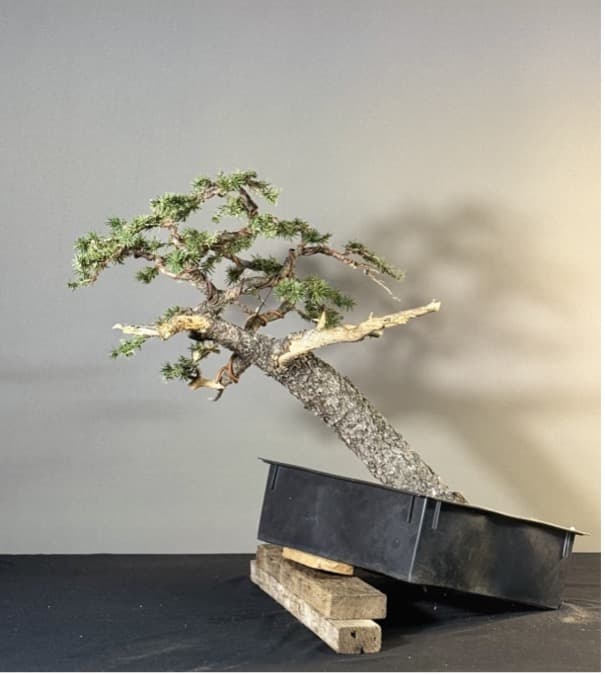
June ends with a yamadori workshop featuring David Kuntz on June 28, and that final step stretches the month all the way into advanced development territory. Kuntz began his bonsai journey more than 25 years ago, is a former Minnesota Bonsai Society member and now lives in Colorado Springs. He is best known for Rocky Mountain yamadori and for work with Ponderosa Pine, Colorado Spruce, Bristlecone Pine and Douglas Fir.
Placed after kusamono, Bonsai Concepts and the auction, the yamadori program feels like the capstone to the club’s June sequence. Kusamono broadens presentation skills, Bonsai Concepts deepens core understanding, the auction moves material through the community and yamadori brings the focus to collected trees and long-term development. That mix gives members multiple ways to step in during the same month, which is exactly how a club stays active without making participation feel like a one-time event.
This article was produced by Prism’s automated news system from verified source data, official records, and press releases, then run through automated quality and moderation checks before publishing. The system is built and supervised by the people who set the standards it runs under. Read our full AI policy.
Know something we missed? Have a correction or additional information?
Submit a Tip