Mid-South nursery claims title as nation's largest bonsai supplier
Brussel’s Bonsai in Olive Branch is more than a big nursery. Its scale is changing which trees, tools, and starter stock American bonsai growers can actually buy.
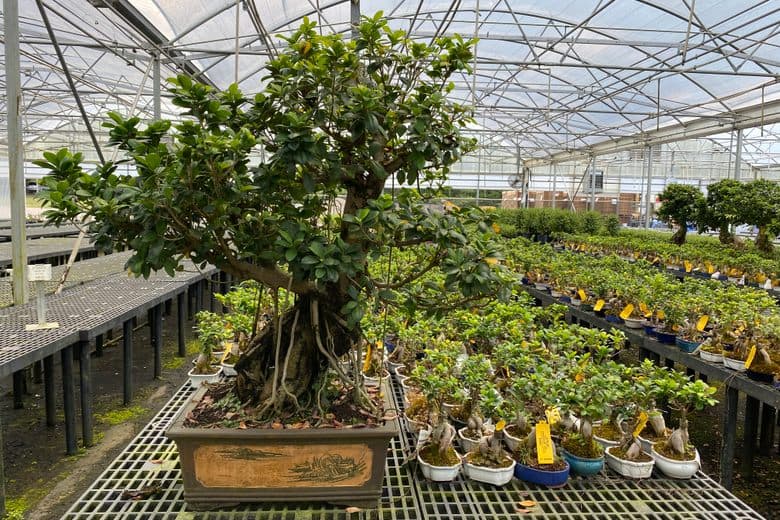
A recent local video feature put Brussel’s Bonsai Nursery in Olive Branch, Mississippi, at the center of a bigger bonsai story: what happens when one Mid-South operation claims to be the largest bonsai nursery in the country. That is not just a bragging point for a retail yard. In a hobby built on long timelines, plant health, and careful material selection, scale changes what you can find, what you can afford to try, and how quickly you can move from curiosity to practice.
How a nursery this large changes the hobby
When a nursery reaches this kind of footprint, it stops behaving like a simple storefront and starts acting like infrastructure. The research notes frame Brussel’s as a place that serves collectors, beginners, and serious practitioners, which is exactly why its influence matters: one operation can shape which species stay visible in the trade, which training stock gets pushed toward newcomers, and which tools, soil components, and pots become easy to source in one stop. That is a big deal in bonsai, where the first purchase often determines the next several years of work.
The practical effect is straightforward. A larger supplier can carry enough depth to make the hobby feel less like a scavenger hunt and more like a real purchasing decision. Instead of settling for whatever happened to show up at a garden center, buyers can compare material by age, structure, and purpose, then choose whether they are looking for a project tree or something closer to a finished display piece.
Starter stock versus refined trees
The most useful way to think about a giant bonsai nursery is not just volume, but stage. The notes point to a supply chain that includes starter stock and more refined trees, and that distinction tells you a lot about how the hobby is maturing. Starter stock is where beginners learn patience, wiring, pruning, and repotting without paying for years of someone else’s work. Refined trees, by contrast, are for growers who want to buy time, line quality, and a tree with more of the heavy lifting already done.
That split also explains why big operations matter to serious practitioners. A collector can walk in looking for a project with movement in the trunk, decent nebari, and enough branch structure to justify styling. A newcomer can leave with material that is forgiving enough to survive the learning curve, plus a clearer sense of species choice, aftercare, and long-term maintenance. The nursery becomes part shop, part classroom, which is exactly the role the feature suggests.
Mail-order reach and the Mid-South advantage
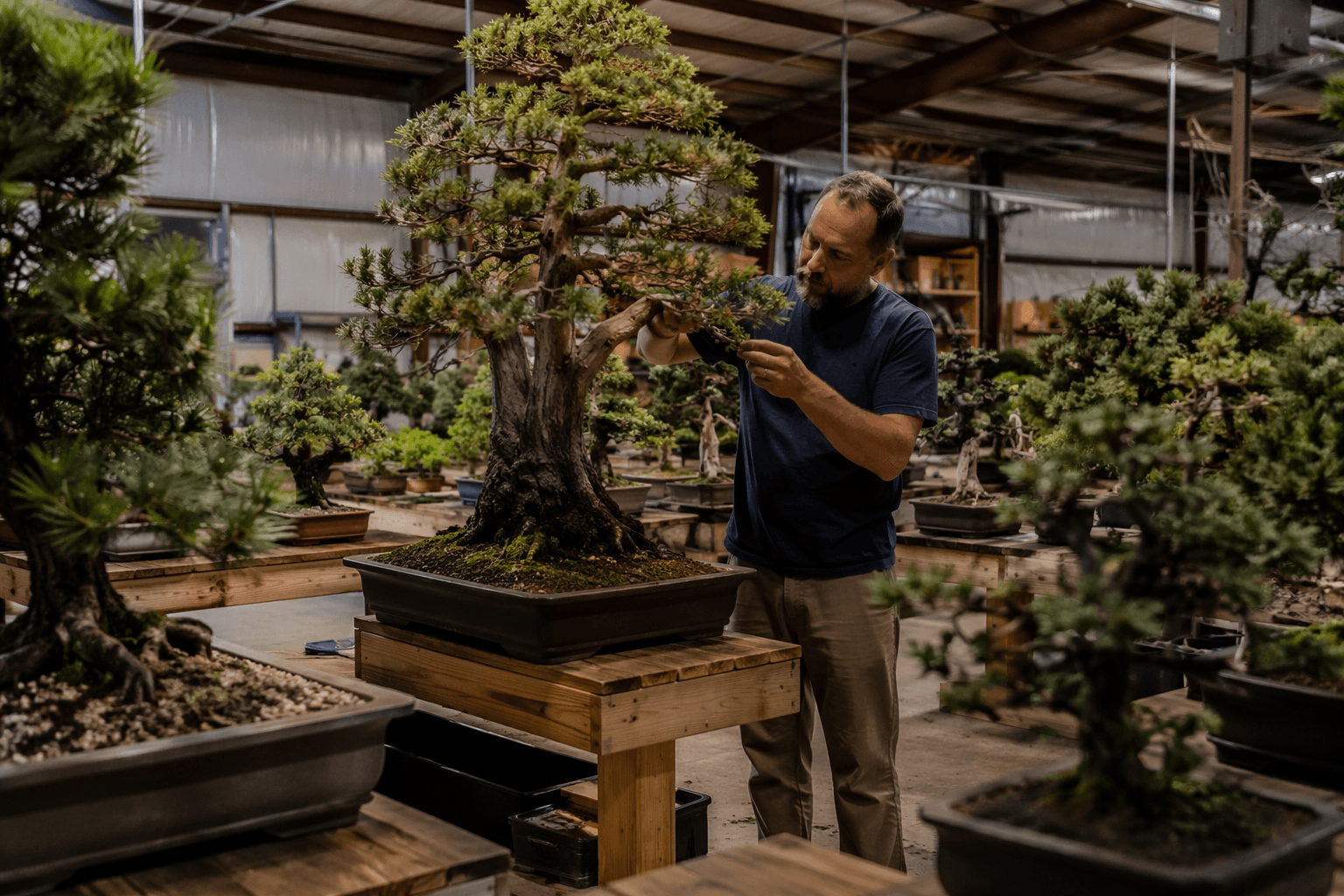
The Olive Branch location matters because it puts a major bonsai supplier in a region not usually treated as the center of the American bonsai map. The notes make that point clearly: this is an art form often associated with Japan, botanical gardens, or small clubs, yet the Mid-South is where a major commercial hub sits. That kind of concentration changes the practical geography of the hobby, especially when a nursery has enough inventory to support shipping beyond its immediate neighborhood.
That reach is part of the supply-chain maturity story. A serious bonsai nursery with broad inventory can function like an informal distribution point for the whole hobby, feeding both local walk-in traffic and buyers farther away who need dependable stock. In practice, that means more people can access specialized material without living near a club, a show circuit, or a coastal market where bonsai has traditionally been easier to find.
More accessible, or more standardized?
There is a catch to all that convenience. The same infrastructure that makes bonsai easier to enter can also make it more standardized. When a large nursery becomes the place many buyers start, it inevitably influences which species, sizes, and styles become common, and which kinds of material stay rare or niche. That is not a flaw so much as the price of scale: the larger the pipeline, the more the hobby’s visible inventory can narrow around what moves reliably.
Still, the upside is hard to ignore. A nursery of this size lowers the friction that keeps people on the sidelines, especially when they need reliable stock, specialty supplies, and a place where they can compare real trees instead of pictures. That is why Brussel’s matters beyond Olive Branch. The claim to be the nation’s largest bonsai nursery is also a claim about access, learning, and who gets to participate in the next generation of American bonsai.
This article was produced by Prism’s automated news system from verified source data, official records, and press releases, then run through automated quality and moderation checks before publishing. The system is built and supervised by the people who set the standards it runs under. Read our full AI policy.
Know something we missed? Have a correction or additional information?
Submit a Tip