Prague botanical garden revives bonsai and Japanese culture festival
After a three-year pause, Prague Botanical Garden reopened its bonsai festival with 100-plus trees, the 12th Triennale, and a full Japanese culture program.
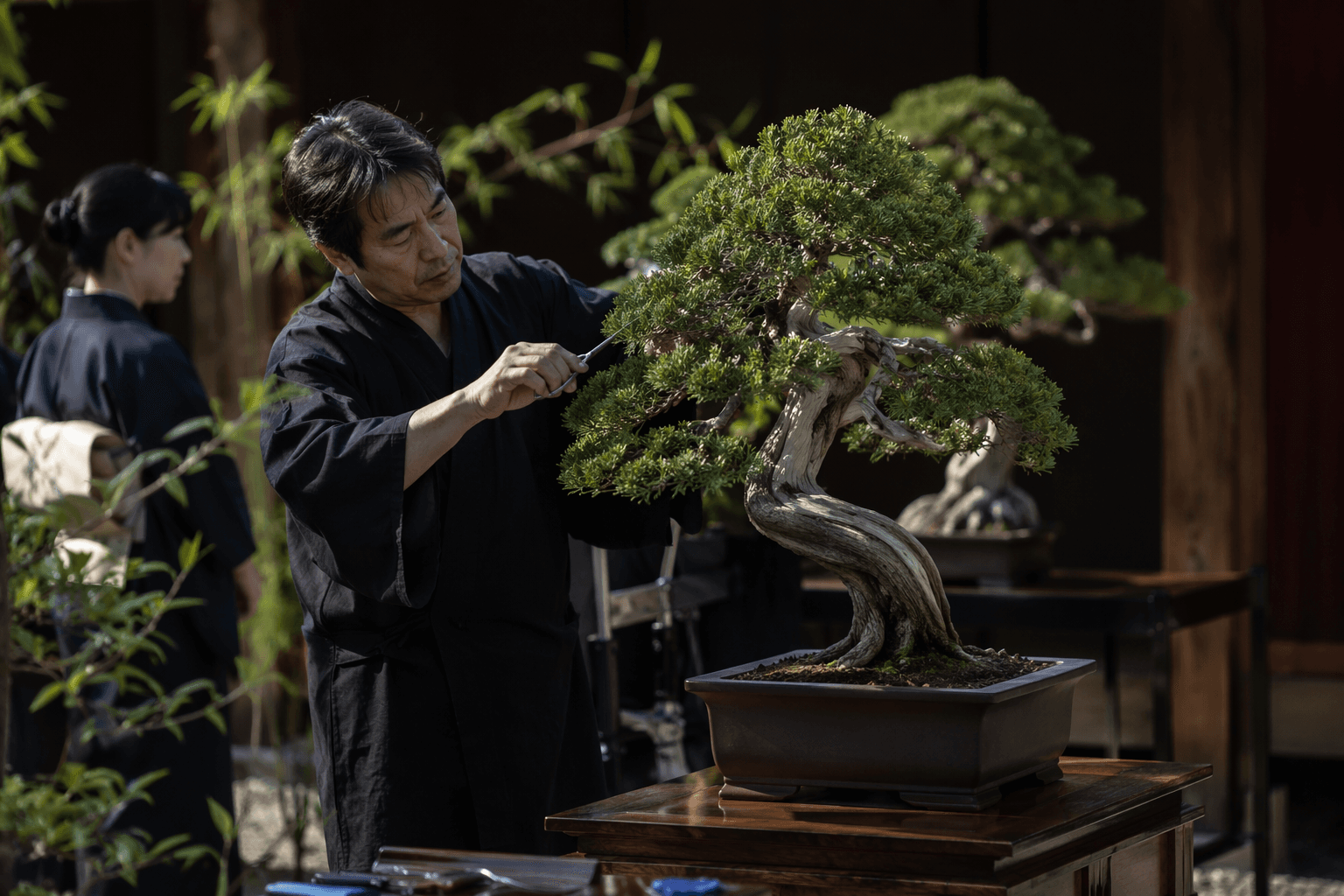
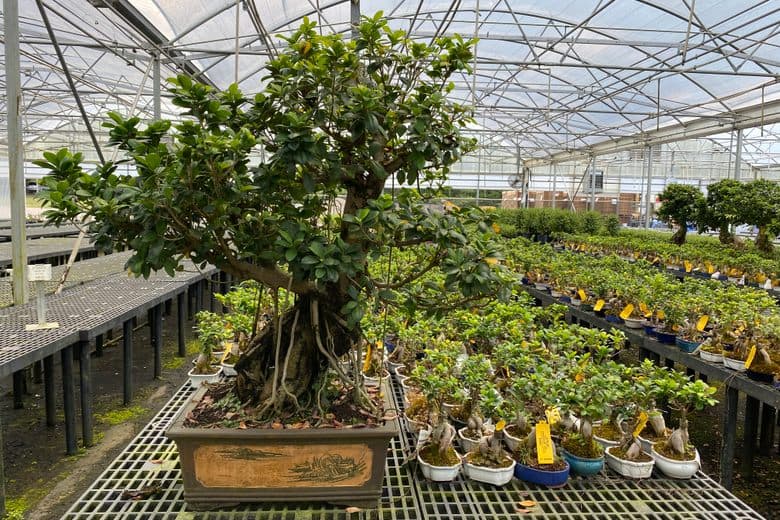
Prague Botanical Garden brought back its Bonsai and Japanese Culture Festival after a three-year pause, and the return looked like a real reopening, not a routine date on the garden calendar. The show ran June 5-14 and filled the Japanese Garden with more than 100 bonsai trees from the Czech Republic and abroad, putting scale and international reach at the center of the revival.
The main draw was the 12th Bonsai Triennale, a show that rotates every three years among Czechia, Germany and Poland. Prague’s edition carried extra weight because the triennial is organized with the Czech Bonsai Association and tightly limited: each participating country could submit only 15 trees, and each artist could display just one tree. That kind of curation changes the feel of the room. It turns the display from a broad hobby show into a selective contest where every tree has to earn its place.
The first festival weekend, June 6-7, packed in the public-facing programming that makes the event more than an exhibition. Guided tours, a tea ceremony, large-format calligraphy, bonsai shaping demonstrations, drumming and dance performances, martial arts demonstrations and workshops all sat alongside the trees. Japanese cuisine was part of the mix too, pushing the festival well beyond horticulture and into a full cultural program.
That broader framing matters. The garden has long described its Japanese Garden as a traditional venue for bonsai exhibitions, and it has hosted displays both from its own collection and from leading Czech and international growers. For 2026, the festival also sat inside the garden’s larger Plant Odyssey season, with a Suiseki Exhibition listed later in June. The message was hard to miss: Prague is not treating bonsai as a one-off curiosity, but as part of a sustained public program around Japanese arts.
The site itself carries a little Czech history as well. In 2009, Václav Havel planted a Japanese cherry in the Japanese Garden, and in 2013 Dagmar Havlová added a Japanese maple. Those plantings give the space a tangible local lineage, which makes the festival’s return feel anchored rather than imported.
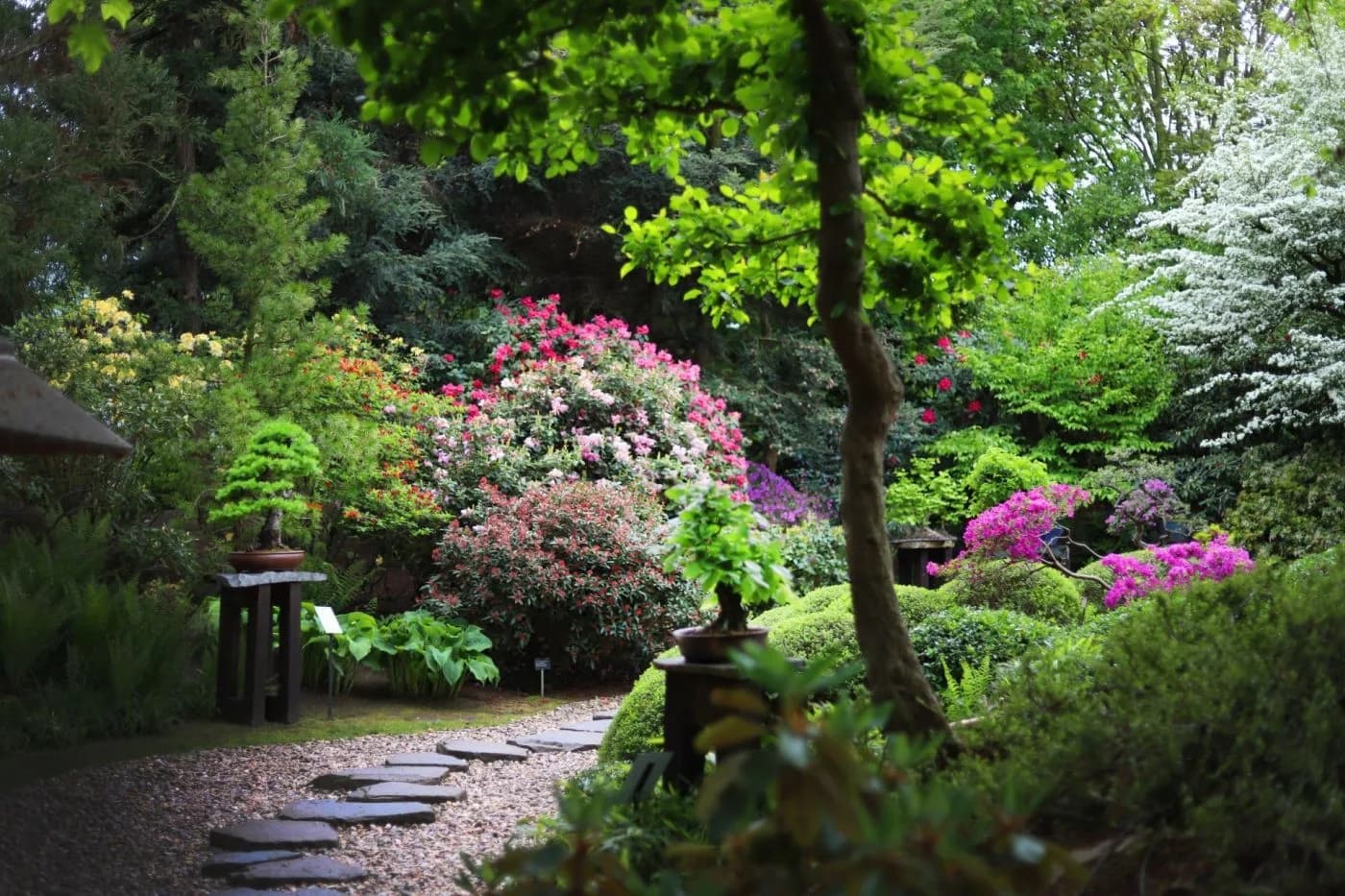
For Prague’s bonsai scene, that combination of volume, selectivity and cultural range is the point. The trees were back, the Japanese Garden was active again, and the city had a bonsai event with enough presence to look like momentum, not maintenance.
This article was produced by Prism’s automated news system from verified source data, official records, and press releases, then run through automated quality and moderation checks before publishing. The system is built and supervised by the people who set the standards it runs under. Read our full AI policy.
Know something we missed? Have a correction or additional information?
Submit a Tip