SCETV’s Making It Grow Offers Bonsai Basics for Beginners with Jim Beaumier
SCETV’s Making It Grow, on March 9, 2026, presents a practical, no-nonsense primer for absolute beginners with Jim Beaumier of Growing Hobby at the Pee Dee State Farmer.
Jim Beaumier of Growing Hobby shows up on SCETV’s Making It Grow with the kind of straight talk beginners need, and the segment published March 9, 2026 keeps the focus on practical steps to start and care for a first bonsai. If you watched the short feature you saw the point: bonsai does not require mystique, only a few good tools, the right soil, and steady, simple habits. The piece places Jim at the Pee Dee State Farmer and frames bonsai as a hobby you can begin this weekend, not a lifetime apprenticeship before you touch a tree.
What Making It Grow covers and why it matters Making It Grow picks a sensible slice of the bonsai process and lays it out for absolute beginners, which is exactly the audience the March 9, 2026 segment aimed at. The show does not attempt to make you an expert in an hour; instead it zeroes in on starter actions: choosing a tree, basic pruning, basic potting and watering habits, and where to get help locally. That framing is important: when a program like SCETV’s Making It Grow elevates accessibility, the result is fewer abandoned pots and more people sticking with the hobby long enough to learn the fun parts.
Who Jim Beaumier is on the program The segment showcases Jim Beaumier of Growing Hobby at the Pee Dee State Farmer, and his presence matters because he represents a working local resource rather than an abstract "master." The show positions Jim as someone you can go find at a market or store and ask for help, which is the single best shortcut for beginners. Seeing Jim at the Pee Dee State Farmer in the feature makes bonsai feel rooted in place, not just a bookish pursuit.
A simple starter sequence that follows the segment’s approach The Making It Grow segment emphasizes practical, approachable steps, and if you want to follow that ethos here is a sequential process to get a first bonsai going. These are the steps I use and recommend, and they echo the show’s beginner-friendly message: 1. Select a forgiving species: pick a common, hardy tree that tolerates mistakes and seasonal shifts. 2. Choose the container and soil: a shallow pot and well-draining bonsai mix will save you headaches. 3. Perform a basic prune: remove dead or crossing branches and simplify the silhouette. 4. Repot if needed: disturb roots only when necessary and use fresh bonsai-appropriate soil. 5. Establish a watering routine: check moisture rather than following a calendar.
Each one of those steps reflects the practical guidance Making It Grow offered on March 9, 2026 through Jim Beaumier’s demonstration at the Pee Dee State Farmer, emphasizing approachable choices over boutique perfection.
Watering and light, frankly The show’s central promise is practicality, and nothing is more practical than getting watering and light right. On SCETV’s Making It Grow, the lesson for beginners was simple: water to the tree’s needs and don’t obsess about exotic light setups. From my experience and in the spirit of Jim’s approachable demonstration at the Pee Dee State Farmer, treat watering as observation-based: lift the pot to judge weight, check the topsoil, and adjust for season and species. For light, pick the brightest spot you reasonably can indoors or a morning-sun location outside; stability beats extremes.
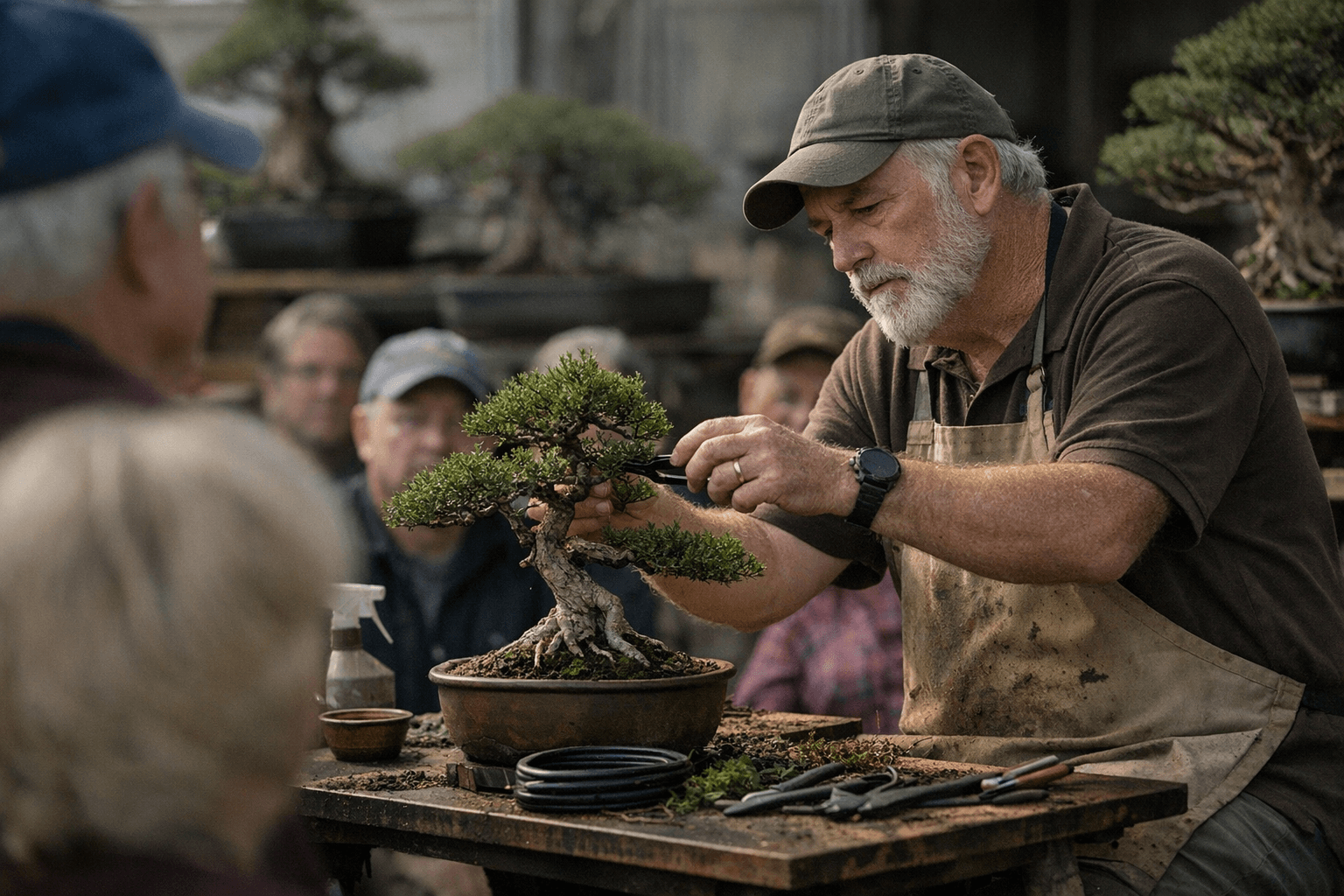
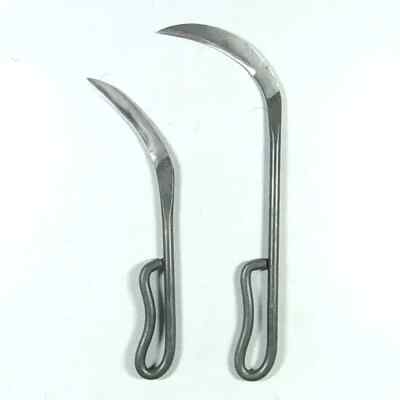
Tools and where to look for them Making It Grow highlights local resources by featuring Jim Beaumier of Growing Hobby at the Pee Dee State Farmer, and that was deliberate. Your first bonsai toolkit does not need to be fancy: a pair of bonsai snips, a root rake, and a shallow pot are the essentials. If you can, visit a local vendor like Growing Hobby at the Pee Dee State Farmer — the March 9, 2026 segment shows that talking to someone who handles plants regularly will save you from buying the wrong items online.
Soil, pots, and the less glamorous essentials The feature on SCETV’s Making It Grow keeps returning to one message: soil and pots matter more than decorative techniques early on. Jim Beaumier’s appearance at the Pee Dee State Farmer underscores that beginners should invest in a proper bonsai medium and a well-draining container before worrying about form. From personal experience, cheap garden soil will compact in a season and create root-rot problems; a basic inorganic-heavy bonsai mix pays for itself by keeping roots healthy and simplifying watering.
Common beginner mistakes, in plain language The March 9, 2026 Making It Grow segment aims to prevent abandoned trees by highlighting avoidable errors, and here are the ones you’ll bump into if you don’t heed that message. Overwatering, impulsive wiring, and buying tiny nursery pots for long-term plants are the usual culprits. Jim Beaumier’s presence at the Pee Dee State Farmer in the feature reinforced a pragmatic rule: fix the basics first, then move to styling. My own rule of thumb is to spend twice as much attention on roots and soil as on branch bends in the first year.
Where to go next after the SCETV segment If the Making It Grow feature on March 9, 2026 sparked your interest, the logical next step is to visit a local vendor like Growing Hobby or a community table at the Pee Dee State Farmer and ask for a beginner tree. Learning in person, where you can feel soil and see plant vigor, shortens the learning curve. The segment’s practical bent means you do not need expensive classes at first; a quick visit and a couple of pointed questions to someone like Jim Beaumier will get you farther than hours of scrolling.
Final take: start simple and be consistent SCETV’s Making It Grow and the March 9, 2026 showcase of Jim Beaumier of Growing Hobby at the Pee Dee State Farmer make a strong case: bonsai for beginners should be simple, local, and hands-on. Follow the segment’s practical steps, invest in basic tools and proper soil, and use local experts as shortcuts. Do that and you will trade guesswork for steady, measurable progress; in the long run that’s what turns a first sapling into a bonsai you actually keep.
This article was produced by Prism’s automated news system from verified source data, official records, and press releases, then run through automated quality and moderation checks before publishing. The system is built and supervised by the people who set the standards it runs under. Read our full AI policy.
Did this article answer your question?