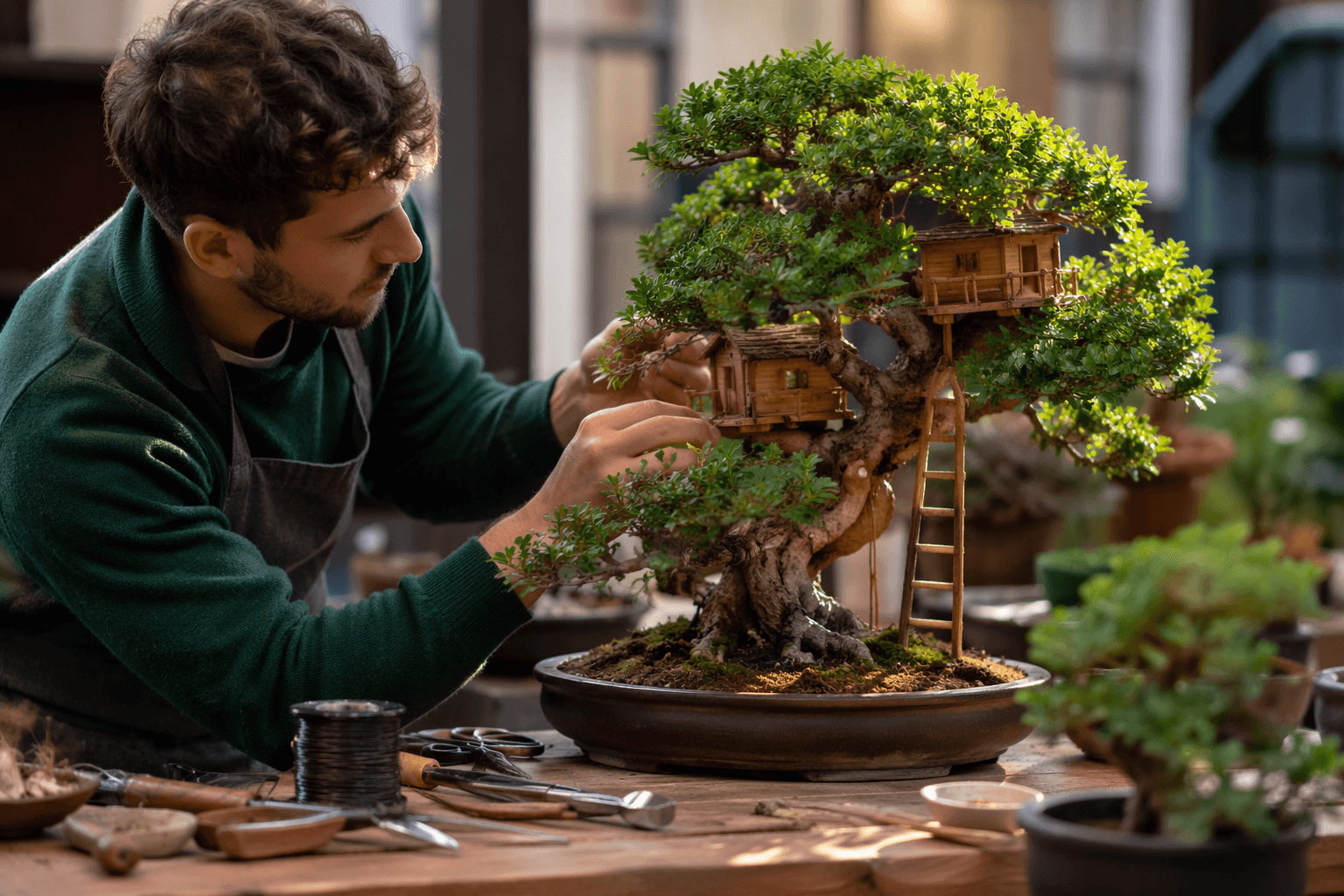
Smart Bonsai Starter Kits, the Four Tools Beginners Actually Need
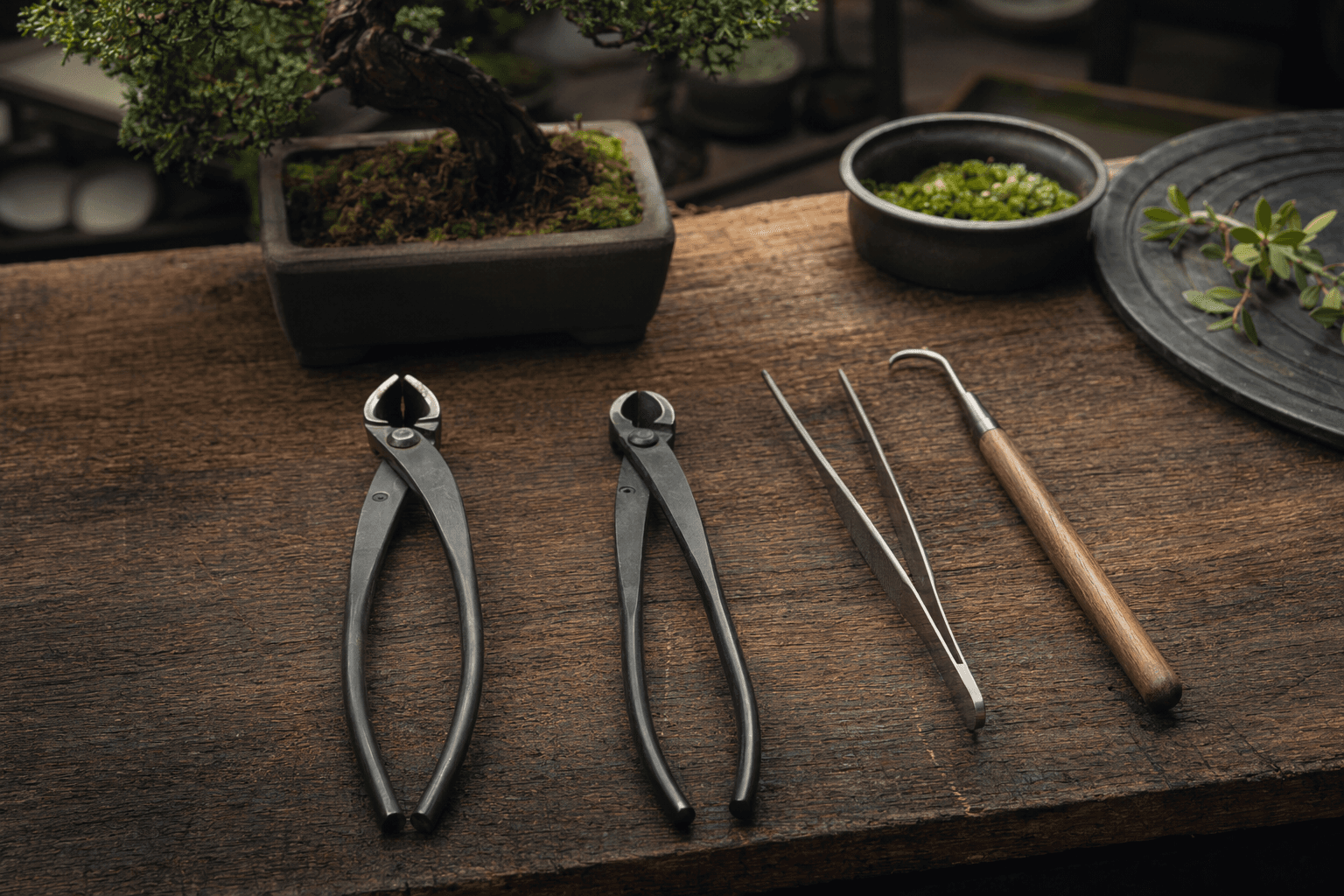
Most starter kits are bloated. The four tools that actually earn their keep are a concave cutter, knob cutters, long-reach tweezers, and a root hook.
Start with function, not the bundle
The fastest way to overspend in bonsai is to buy a cheerful little kit that looks complete and only later realize that most of it stays in the box. Bonsai is not general gardening with smaller pots; it is a precision craft, and the wrong cutter can leave a wound that takes years to heal, while also opening the door to disease. That is why the smartest first purchase is not the biggest assortment, but the smallest set that protects the tree and lets you do real work cleanly.
That mindset fits the hobby’s history. Container tree cultivation traces back to China by around 700 AD, then was refined in Japan into the bonsai tradition people recognize today. The tools evolved alongside that aesthetic, so even the most basic cutter is doing more than trimming wood. It is shaping the future silhouette of the tree.
The four tools that do most of the work
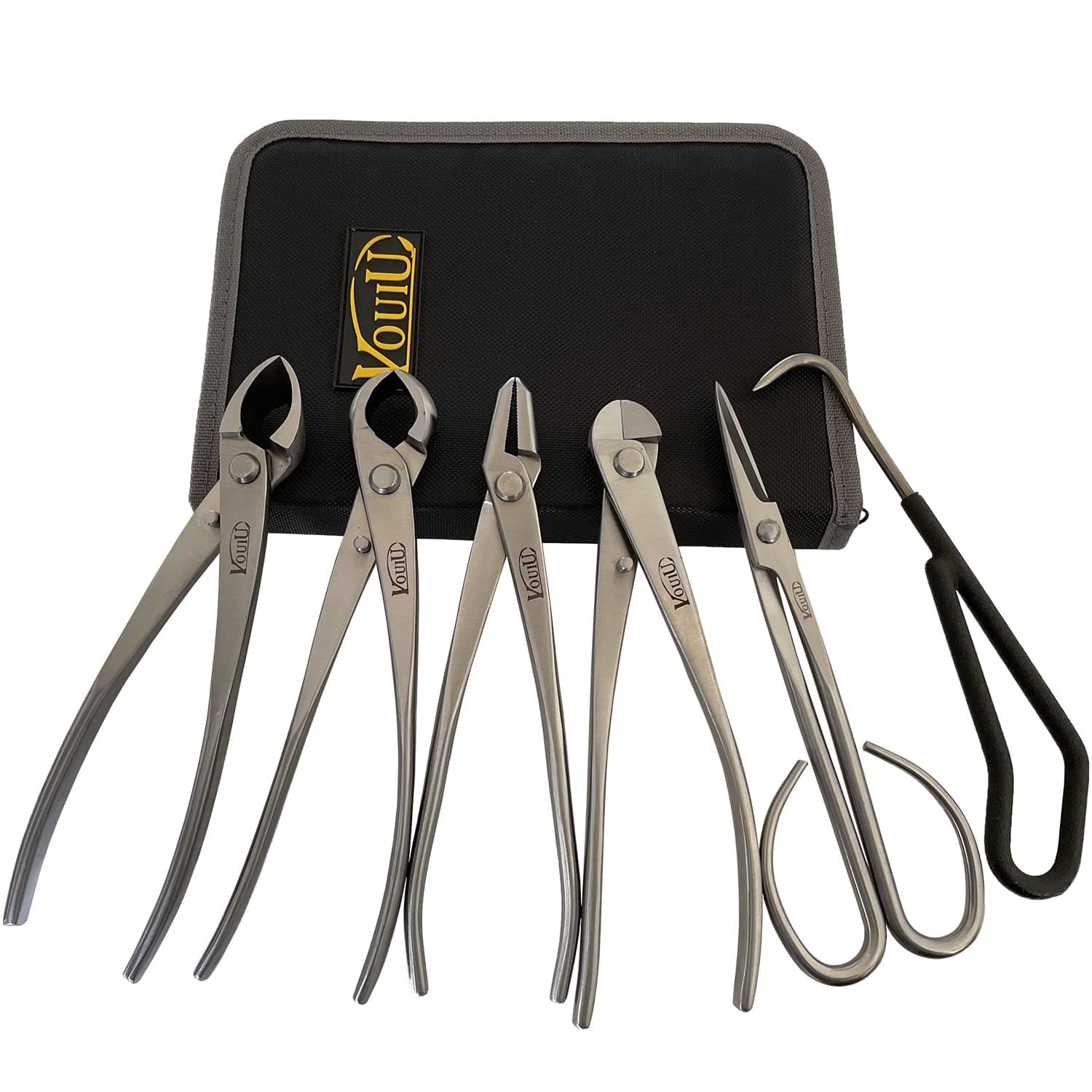
The tool that earns its place first is the concave cutter. Virginia Tech’s bonsai guidance is blunt about why: pruning should be done with a concave cutter, which makes sharp cuts without collars or stubs. In practice, that means you remove a branch in a way that heals flatter and looks deliberate, instead of leaving a rough nub that always seems to catch the eye.
The second tool is the knob cutter, which is easy to confuse with other cutters if you are new. Bonsai forum guidance draws the line clearly: concave cutters are for branch removal at the trunk, while knob cutters are for protrusions and knobs. If a tree has an ugly swelling, an old stub, or a lump where a branch once lived, knob cutters let you reduce it cleanly instead of hacking at it with garden shears.
The third essential is long-reach tweezers. They sound minor until you spend an afternoon clearing dead needles, lifting debris from tight crotches, or teasing out tiny roots and bits of old soil around a crowded trunk. The reach matters because bonsai work often happens in places your fingers should not be shoved into, especially once wiring and branching start to crowd the canopy.
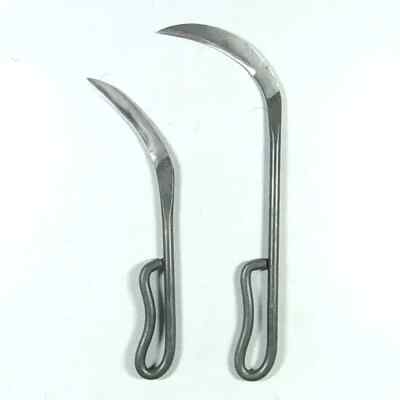
The fourth tool is the root hook. Repotting is where beginners often get impatient, and that is exactly where the root hook pays for itself. It helps loosen the root mass, separate tangled roots, and work old soil free without tearing the root system apart. That matters because repotting is not just housekeeping; it is part of keeping the tree vigorous and responsive to future styling.
Why a small kit beats a cheap bundle
Bonsai Empire recommends beginners start with only a few basic tools, especially a quality concave cutter and a standard shear, then add specialized pieces as the work becomes more intensive. Bonsai West makes the same point in plainer language: basic needs can be as modest as a simple pair of scissors, then expand into shears, concave cutters, wire cutters, and root rakes. The lesson is not to buy less forever, but to buy in the order your technique actually demands.
That order matters because bonsai tools are not accessories in the casual sense. High-quality Japanese steel is worth prioritizing for the cutters, because edge quality affects the wound you leave behind, and the wound affects both the look and health of the tree. Regular garden shears are the wrong compromise here; they tend to crush and tear, which makes the kind of rough scar bonsai styling is trying to avoid.
- Concave cutter for branch removal and clean trunk cuts
- Knob cutter for old stubs and protrusions
- Long-reach tweezers for cleanup, detail work, and tight spaces
- Root hook for repotting and root management
A sensible starter setup can stay lean:
A standard shear can be the next purchase if you find yourself doing a lot of light pruning, and a simple pair of scissors can cover very basic work until your trees and your technique ask for more.
What can wait until your trees demand it
The rest of the bench can wait. Branch cutters, dedicated wire cutters, and bamboo chopsticks are useful, but they are not all equal in urgency. Bamboo chopsticks are a cheap, perfectly respectable stand-in for moving soil, nudging roots, and packing mix around the root ball, which is why they show up in so many practical bonsai setups before fancier gear does.
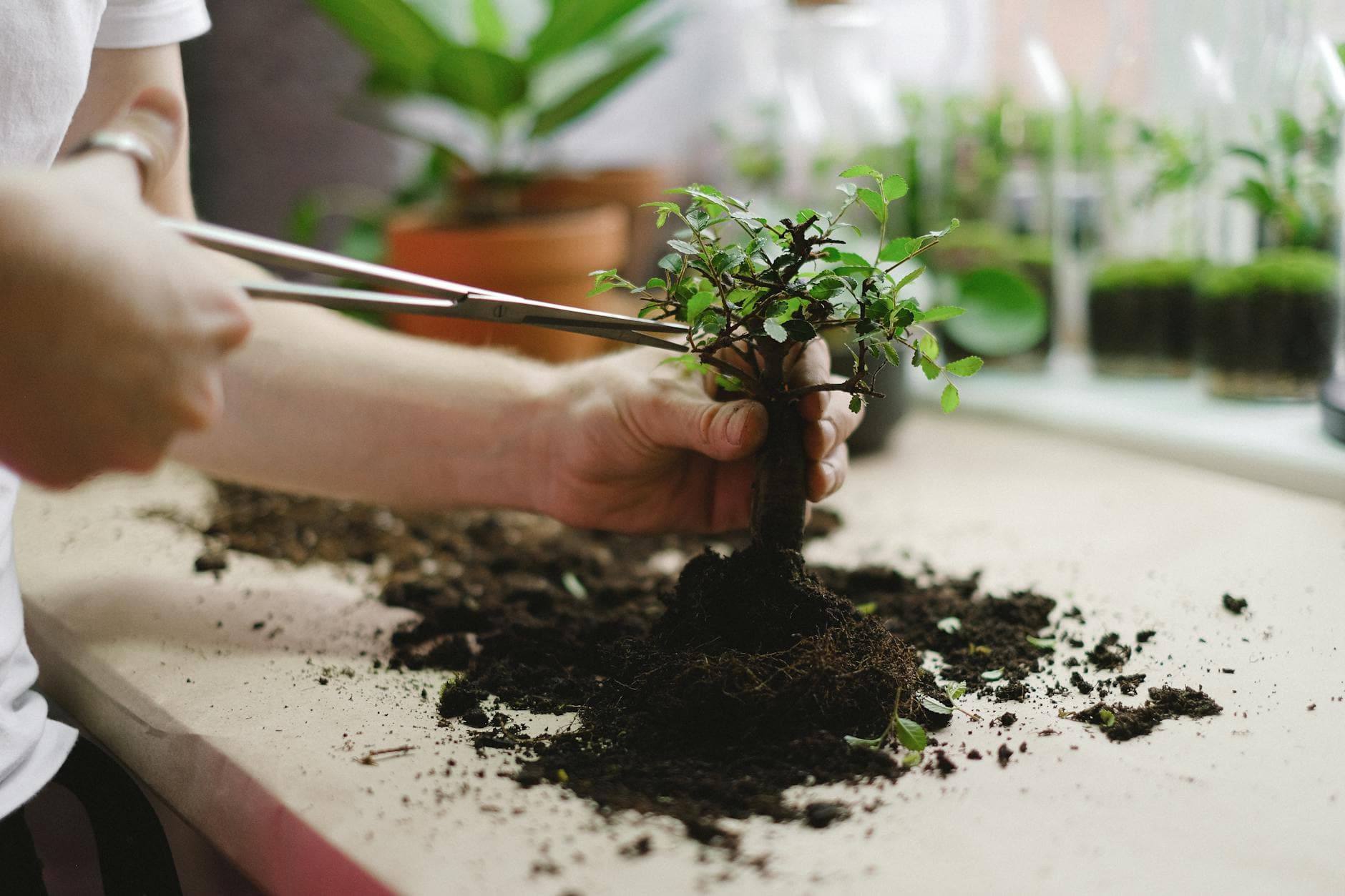
Wire cutters become more important once wiring turns from an occasional task into a routine one. Wiring is a core styling technique because it lets you bend and reposition branches, and once you start doing that regularly, you want cutters that snip wire cleanly without damaging bark. Branch cutters are helpful for heavier pruning, but if you are still learning to read structure and shape, the concave cutter does most of that essential work.
Jin pliers, grafting tools, and turntables are all useful, but they belong in the next phase. Jin pliers matter when you start doing deadwood work. Grafting tools belong to trees and projects that justify grafting. Turntables make styling and inspection easier, especially on larger trees, but they are convenience tools, not the gateway to good bonsai.
Keep the tools clean and the tree safer
The cleanest cut in the world loses value if the blade carries disease from one plant to the next. The University of Minnesota Extension notes that dirty gardening tools and pots can spread bacteria, fungi, and viruses from infected plants to healthy ones, and it recommends cleaning and disinfecting tools and containers to reduce that spread. In bonsai, that advice is not a generic gardening tip; it is part of the ritual of protecting a tree that may already be under stress from pruning, wiring, or repotting.
That habit also changes how you think about maintenance. Sterilizing between cuts is not overcautious; it is part of the same precision mindset that makes concave cutters and root hooks worth buying in the first place. A modest kit, kept sharp and clean, does more for a first-year tree than a crowded toolbox of ill-fitting bargain tools ever will.
Bonsai rewards patience, not accumulation. A few well-chosen tools, used with clean hands and a clear idea of what each one actually does, will carry you much farther than a drawer full of premature purchases.
This article was produced by Prism’s automated news system from verified source data, official records, and press releases, then run through automated quality and moderation checks before publishing. The system is built and supervised by the people who set the standards it runs under. Read our full AI policy.
Did this article answer your question?