Taft Independent details root-over-rock bonsai techniques, watering, and display
Taft Independent’s Feb 20, 2026 guide walks through root‑over‑rock technique choices, watering rhythms, and display decisions so you can mount and keep dramatic compositions healthy.
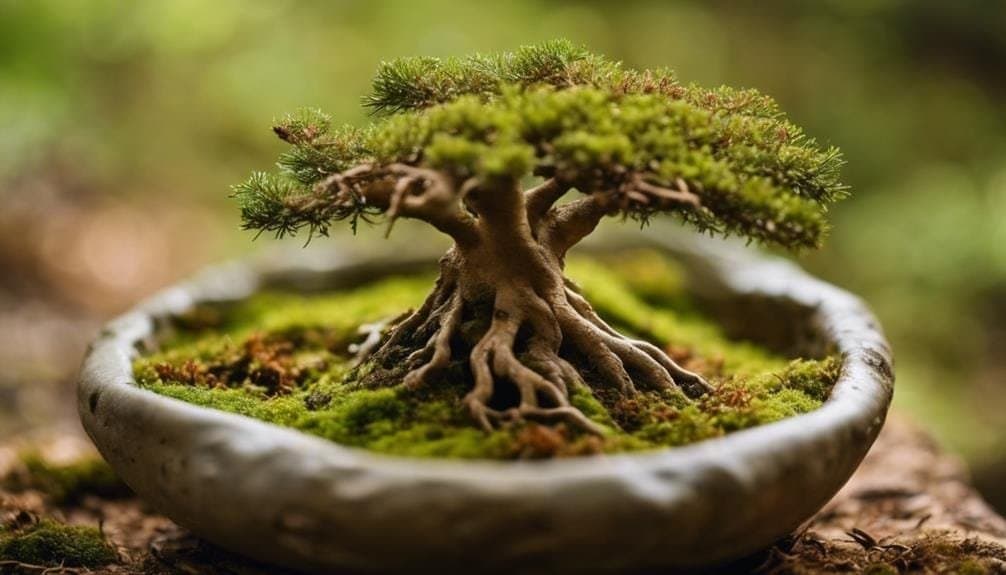
Taft Independent’s gardening contributor published a hands‑on guide on Feb 20, 2026 that focuses squarely on root‑over‑rock bonsai: which construction choices matter, how watering changes once roots sit on rock, and how to stage these compositions for maximum stability and visual impact. I’ll pull the practical parts of that guide into a single, use‑first checklist so you can pick materials, avoid the usual pitfalls, and present the tree without wrecking the roots or the rock.
1. Techniques: choosing materials and mounting method
Taft Independent’s Feb 20, 2026 guide stresses that the choice between wiring, pinning, or using a mounting plate starts with the rock and species, hard igneous rocks (lava, basalt) take pins and drilling better than sedimentary or very brittle stones. For basic mounting, the guide recommends drilling a root channel or pocket in the rock, placing the root mass so the flare will sit naturally, then securing the tree with stainless steel pins or wire through those pockets so the root mass makes full contact with the rock face; that contact is what encourages the roots to adhere and thicken. The article points out that species selection matters: Ficus and Dwarf Jade tolerate tighter root confinement and reattach faster, while junipers and pines need gentler handling of surface roots and longer hardening periods. Practical pitfall: don’t glue roots to rock, Taft’s contributor notes mechanical anchoring first, then minimal biodegradable cord to hold the soil and roots in place while new attachment occurs.
- Drill bits: use masonry bits sized for 3–4 mm stainless pins on lava or basalt; avoid hammering into softer rock.
- Temporary vs permanent anchoring: use nylon cord or raffia for the first 6–12 months, then switch to stainless pins if long‑term anchoring is needed.
- Species callouts: consider Ficus and Carmona for faster reattachment; reserve pines and junipers for experienced builders because their surface root behavior diverges.
2. Watering: rhythms, substrates, and how root‑over‑rock changes the schedule
Taft Independent’s guide from Feb 20, 2026 emphasizes that root‑over‑rock compositions dry faster than a similar tree in a pot because there’s less substrate holding moisture around the root ball; the article’s practical recommendation is to treat these as freer‑draining, requiring more frequent checks and a well‑structured bonsai mix. The guide suggests a mix heavy on akadama, pumice, and lava rock to maintain porosity and avoid compaction, a typical starting blend is 50% akadama, 25% pumice, 25% lava for temperate trees; adjust toward pumice for tropicals like Dwarf Jade and Ficus to improve aeration. For watering technique, Taft’s contributor recommends soaking until water runs through the bottom and then allowing partial surface drying rather than letting the root mass bone‑dry; check by weight (lift the pot) and use a moisture meter near the root‑rock interface for precise readouts.
- Water method: pulse soak the root mass so that water reaches under and around surface roots; avoid high‑pressure jets that dislodge soil from the rock.
- Frequency guide: expect to water root‑over‑rock trees at least daily in warm, exposed conditions, and every 2–4 days in cool, shaded spells, dial with lift‑test and moisture meter readings rather than a fixed calendar.
- Root health warning: Taft’s guide highlights root rot risk when water pools at the interface; ensure the mounting allows drainage and airflow under the root flares.
3. Display: styling, stands, and long‑term presentation
Taft Independent’s Feb 20, 2026 piece lays out display rules that protect both the sculpture and the plant: choose a stand and pot that support the rock’s weight, present the tree’s nebari and crown without forcing an awkward viewing angle, and allow access for routine watering and inspection. The guide advises low, sturdy platters or shallow accent pots with non‑static materials so the rock can breathe; for indoor displays, put the composition on a humidity tray rather than inside a sealed dome to avoid stagnant air that can stress Ficus and Serissa. Visual tips from the article favor asymmetry, highlight the leading root path and a negative space on the opposite side, and recommend companion plantings (small moss or a mame accent) to help mask any temporary soil wrap used during the first year of attachment.
- Scale rules: the pot or stand should carry at least 120–150% of the rock’s footprint for stability; do a safety lift test before final placement.
- Indoor vs outdoor: Taft’s guide calls out Dwarf Jade and Ficus as better indoor candidates for root‑over‑rock, while junipers and pines are outdoor subjects that need seasonal hardening and full sun.
- Long‑term care: recheck pins and temporary bindings at 6, 12, and 24 months; remove degradable ties before they chafe roots.
Practical troubleshooting and shop‑tested tricks Taft Independent’s Feb 20, 2026 guide packs a few troubleshooting checks I use myself: if the root mass slips, tighten or add pins and add a small layer of mesh between rock and cord to prevent abrasion; if the rock flakes when drilling, switch to a smaller pilot hole and increase drill RPM rather than brute force. The article’s contributor also recommends keeping spare akadama/pumice to topdress exposed soil pockets after the first wet season and using a moisture meter calibrated for your chosen mix, akadama reads differently than a loam or peat blend.
Final word Taft Independent’s Feb 20, 2026 practical guide is as much about choices as it is about technique: pick a rock that will accept hardware, match your species to the mounting method, and accept that watering and display need to change once roots live on stone. Do the mechanical work up front, treat the finished composition like a faster‑drying bonsai, and display it on a stand that respects the rock’s mass, follow those steps and your root‑over‑rock will look dramatic and stay on the rock for decades.
Know something we missed? Have a correction or additional information?
Submit a Tip