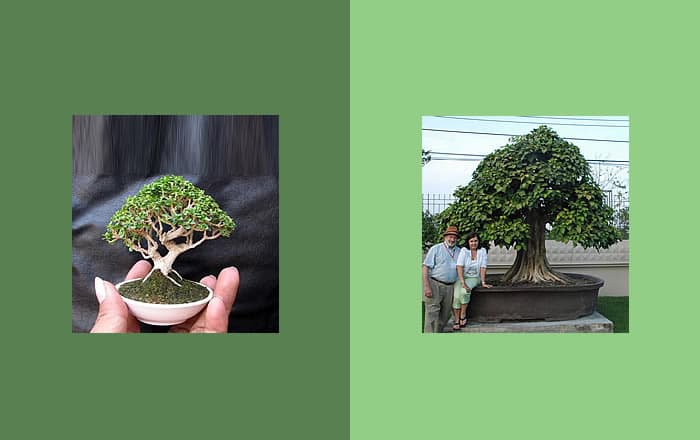
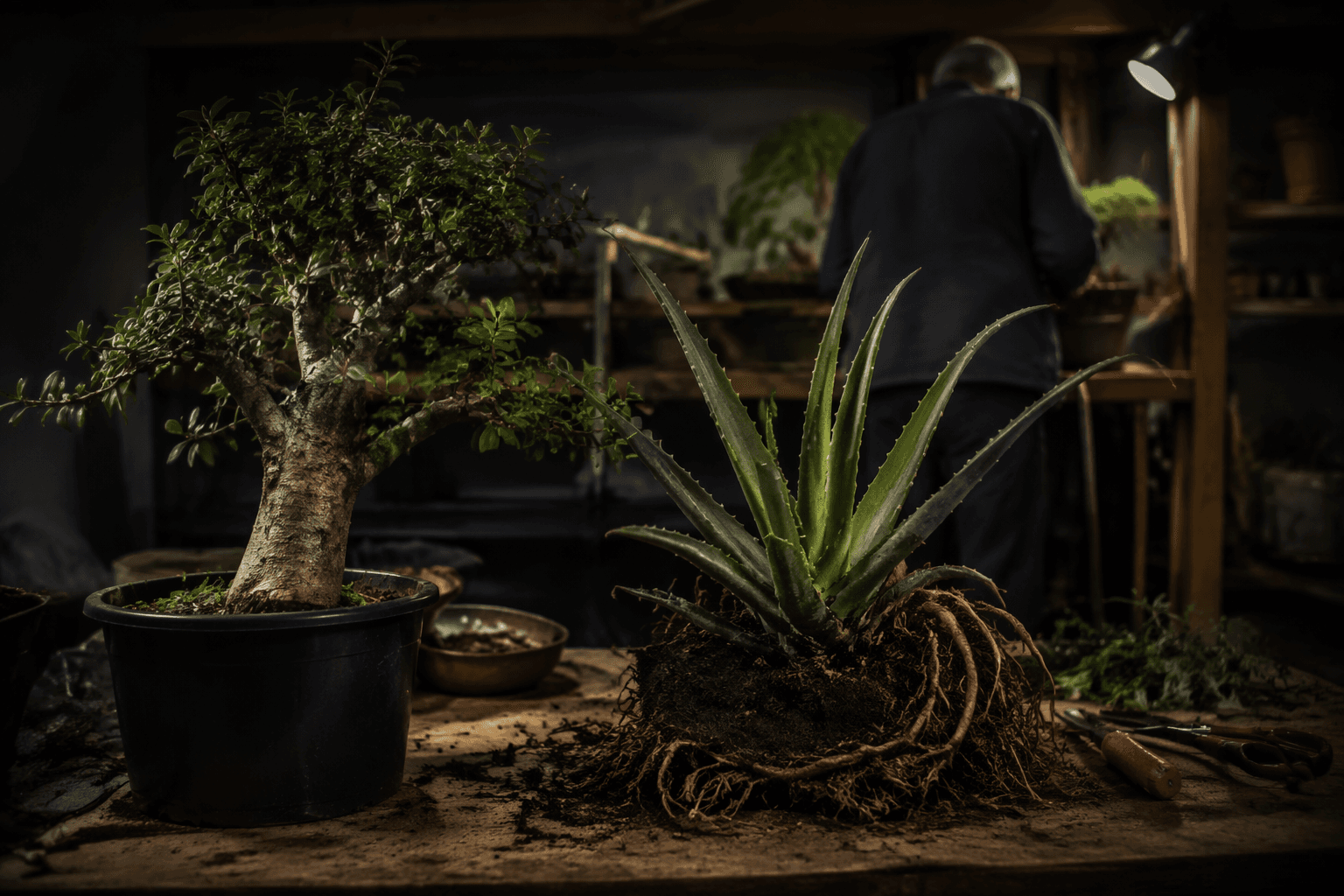
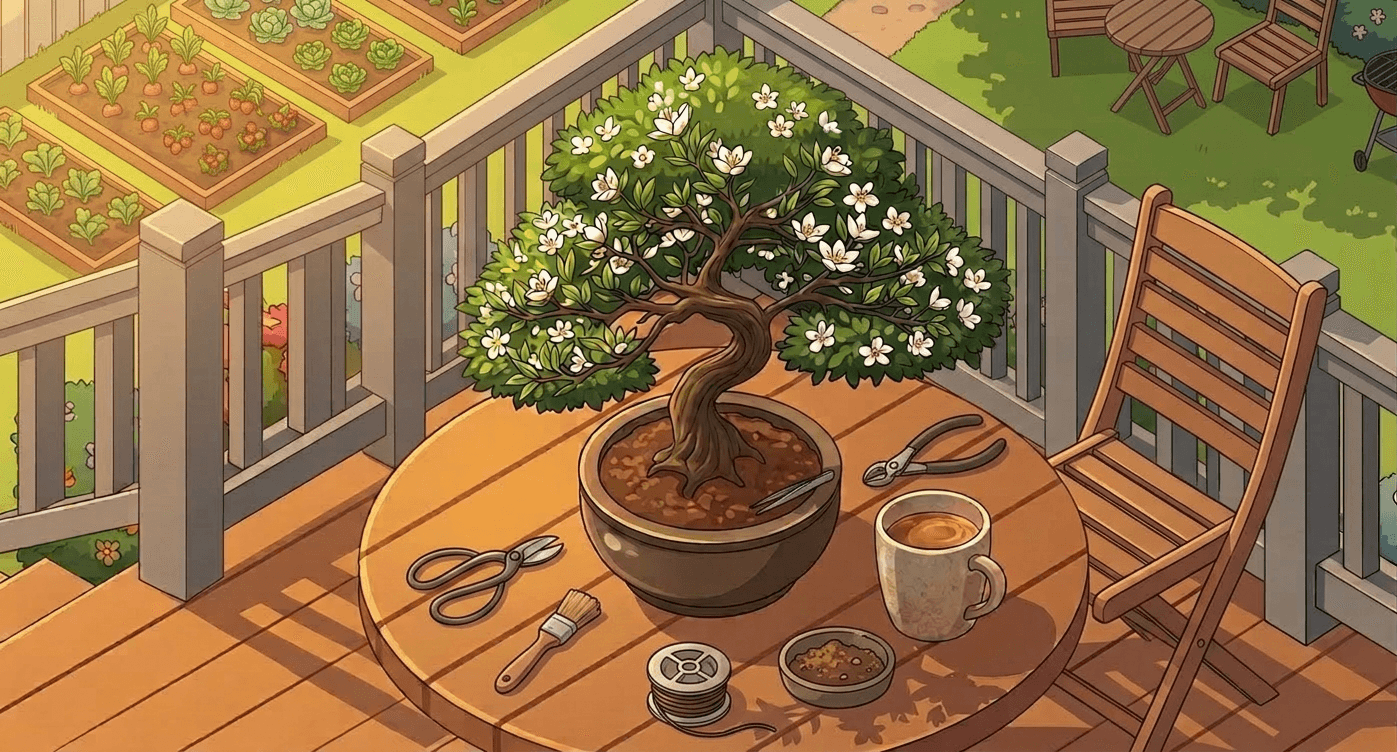
Triangle Bonsai Society Expo brings live demos and public voting to Duke Gardens
More than 50 bonsai, live demos and a public vote turned Duke Gardens into a rare hands-on entry point to the Triangle’s bonsai scene.
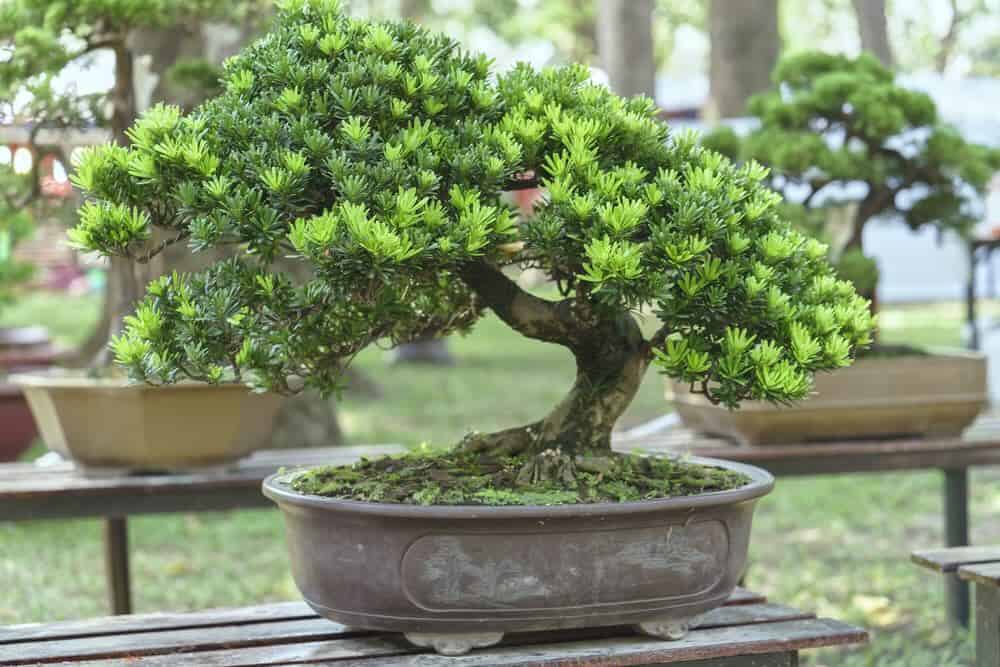
More than 50 bonsai lined Kirby Horton Hall at Sarah P. Duke Gardens, but the Triangle Bonsai Society Expo was built to do more than sit under glass. The two-day show ran July 11-12, 2026, from 10 a.m. to 4 p.m., was free and drop-in, and gave visitors a chance to vote for a favorite tree.
That made the expo feel less like a display and more like an entry point. Duke Gardens said the show featured bonsai in multiple styles, daily demonstrations, space to ask questions and a separate, limited-capacity hands-on workshop that required its own registration. For anyone trying to understand why bonsai looks so different from tree to tree, seeing upright forms, informal shapes and more dramatic styling side by side did the job faster than scrolling photos ever could.
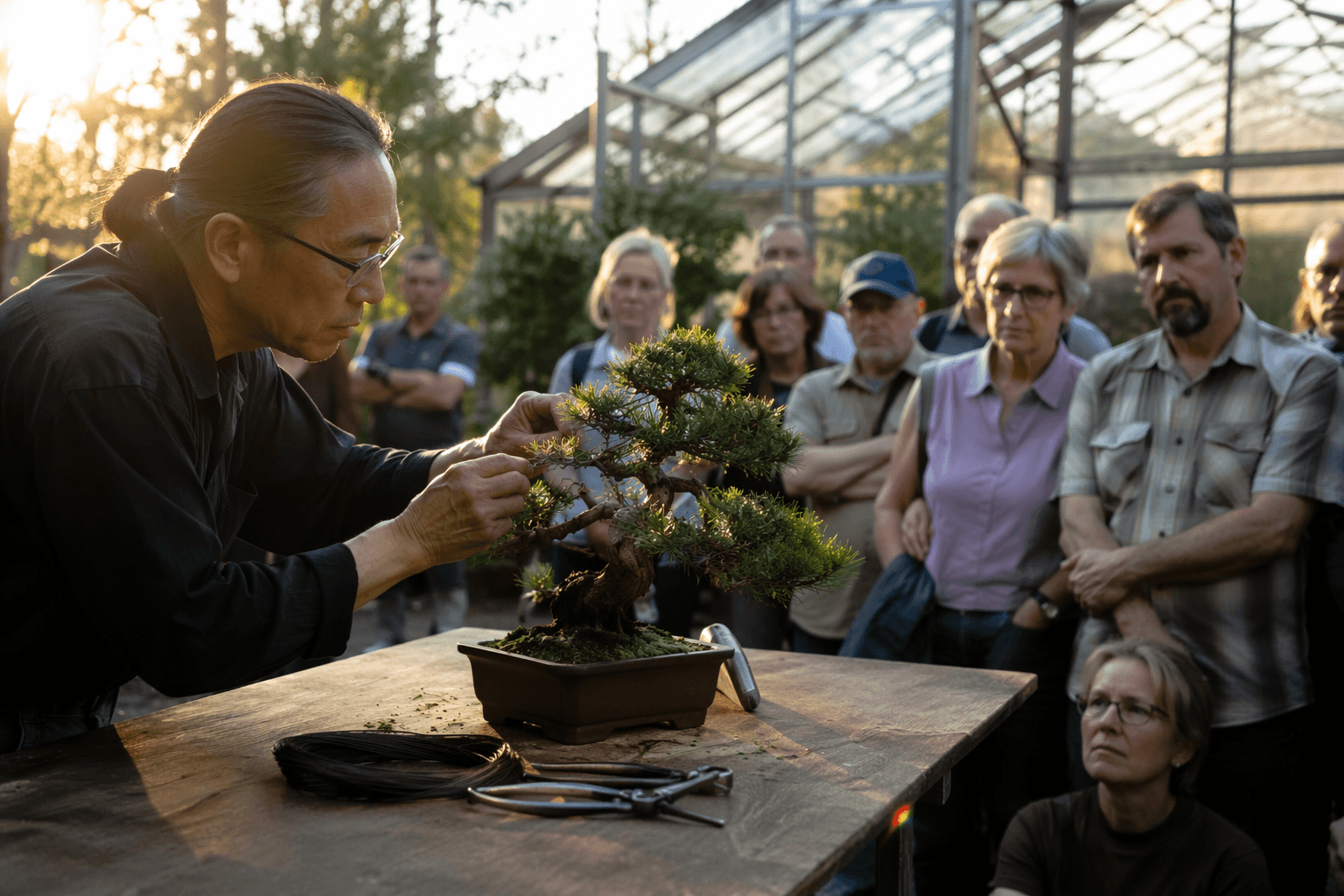
The practical draw was the teaching. Daily demos turned the finished trees back into process, showing how pruning, wiring and ongoing care shape the result. That matters because bonsai can look mysterious online, but the live format stripped away the haze and showed where the work actually happens: on the branch line, at the trunk, and in the follow-through after a cut or wrap. The public vote also changed the pace inside the room, forcing visitors to compare species, refinement and styling choices instead of just drifting past a row of pretty pots.
The setup also lowered the barrier for newcomers. Duke Gardens listed the event as open to all ages, with an adult chaperone required for minors, and parking available for $2 an hour. Held at the Doris Duke Event Center on the gardens’ Durham campus, the expo put bonsai inside a venue that was easy to find and easy to approach, not tucked away as a specialist club meeting.
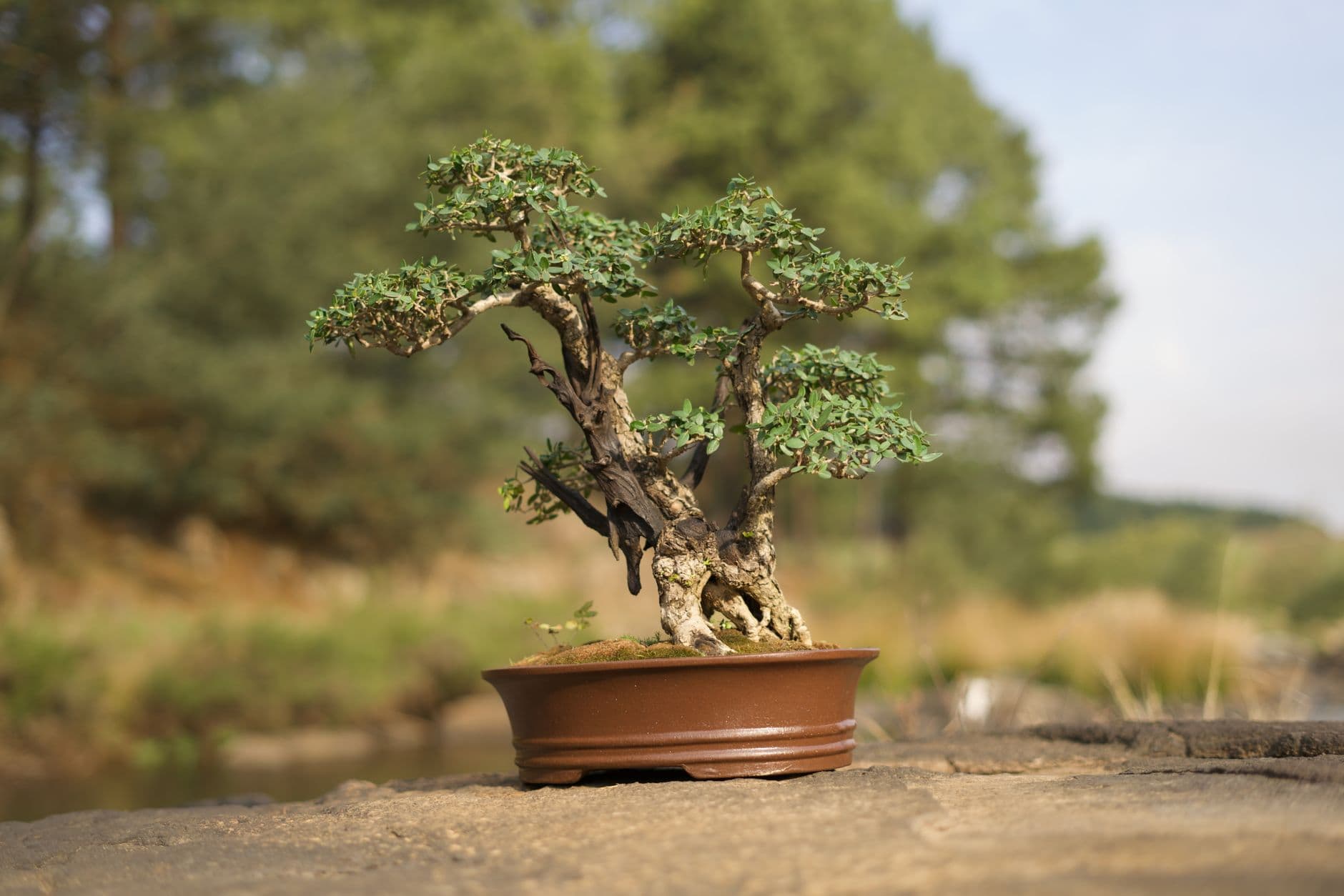
That is the real value of a society event like this. Triangle Bonsai Society says it meets monthly and often brings bonsai artists for workshops and demonstrations, and the expo gave that teaching mission a public face. Instead of only admiring a finished tree online or in a garden display, visitors could watch the craft, ask questions, and decide which tree deserved their vote, which is exactly how a local bonsai community starts to feel less distant and more like a place to step into.
This article was produced by Prism’s automated news system from verified source data, official records, and press releases, then run through automated quality and moderation checks before publishing. The system is built and supervised by the people who set the standards it runs under. Read our full AI policy.
Did this article answer your question?