World Bonsai Day Brings Little Trees Back to Garden Display Shelves
Bonsai returns to public benches May 9-10 at the North Carolina Arboretum, with free demos, club Q&A and a weekend festival in Washington.

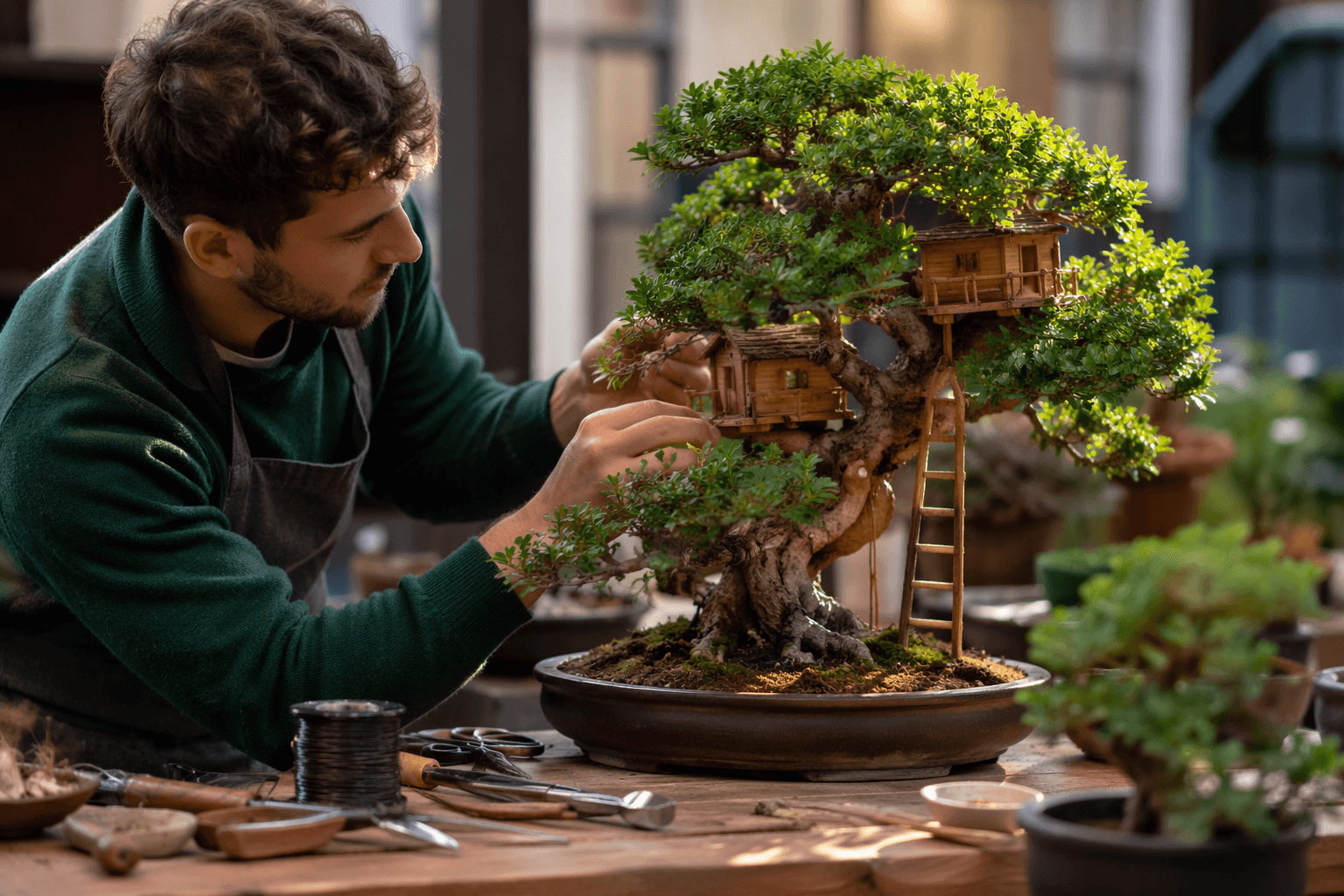
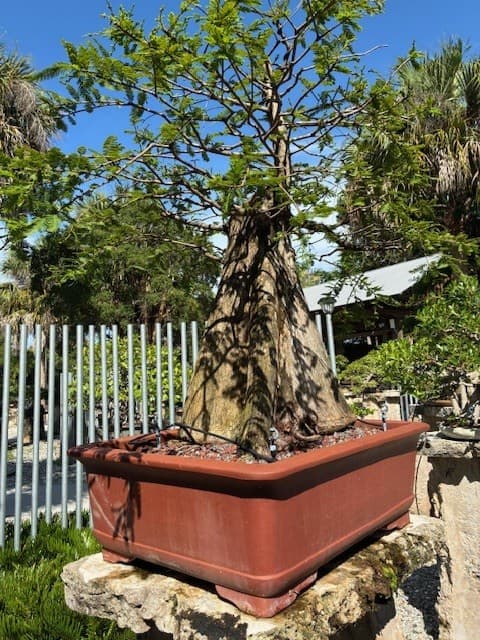
The spring bonsai season will open with trees back on the display shelves, free demonstrations and two major public gatherings built around World Bonsai Day. At the North Carolina Arboretum in Asheville, the Bonsai Exhibition Garden will open for the season on the World Bonsai Day weekend of May 9-10, with the collection returning to the benches after winter dormancy and Blue Ridge Bonsai Society members on hand to answer visitor questions.
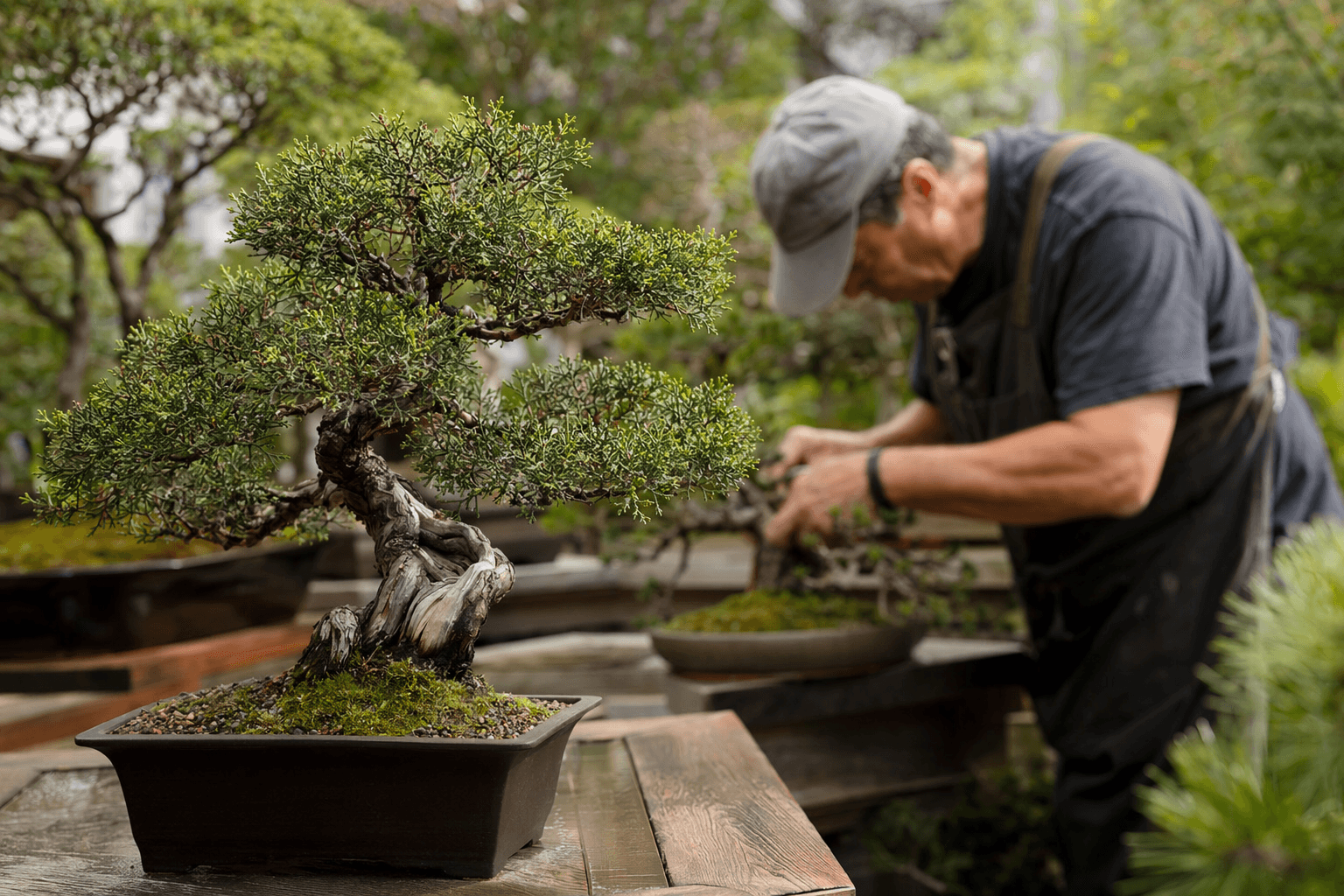
That weekend matters because it turns bonsai from a private benchside pursuit into a public one. Arthur Joura, the Arboretum’s bonsai curator, will present a free live demonstration, giving visitors a chance to watch design choices, maintenance work and styling decisions in real time. The Arboretum also says it is one of only eight World Bonsai Friendship Federation Cooperation Centers worldwide, which places the Asheville garden inside a small international network tied to the hobby’s public outreach.
World Bonsai Day itself was established in 2010 by the World Bonsai Friendship Federation and is observed on the second Saturday of May each year. The observance honors Saburo Kato and his mission for world peace through bonsai, a lineage that still shapes how clubs and museums frame the art form today. At the Arboretum, the timing is not just ceremonial. It marks the official opening of a garden built to be seen, studied and discussed by the broader community.
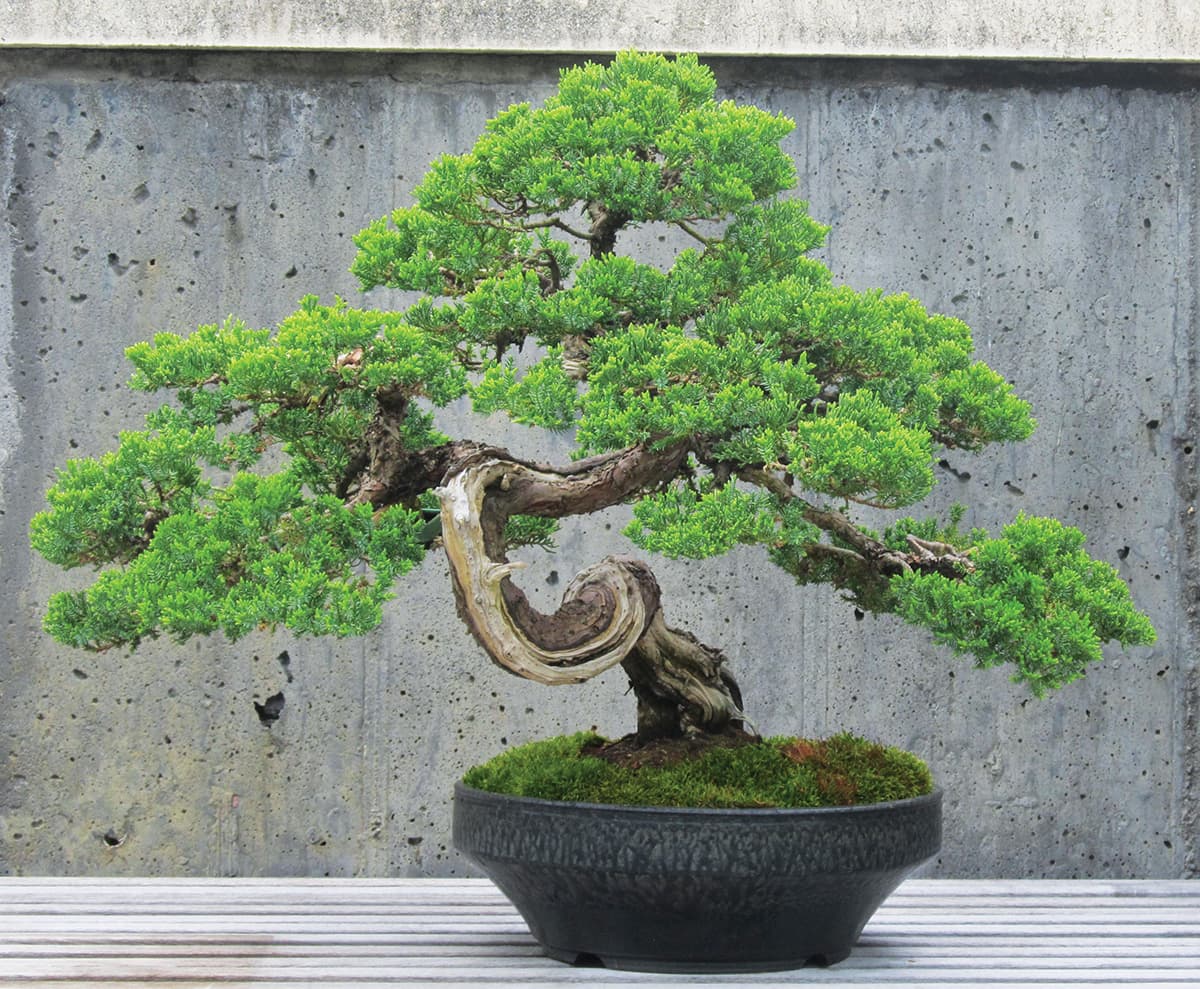
Washington, D.C. will also see a packed bonsai weekend. The U.S. National Arboretum’s World Bonsai Day & Potomac Bonsai Festival is scheduled for May 8-10, 2026, with masterwork displays from the National Bonsai & Penjing Museum’s permanent collection, styling presentations, interactive workshops for all skill levels, children’s activities, docent-led tours, food trucks and vendors selling bonsai, pre-bonsai, pots, accents and supplies. The festival gives newer visitors plenty of reasons to linger, while experienced growers can compare trees, techniques and material across a full weekend.
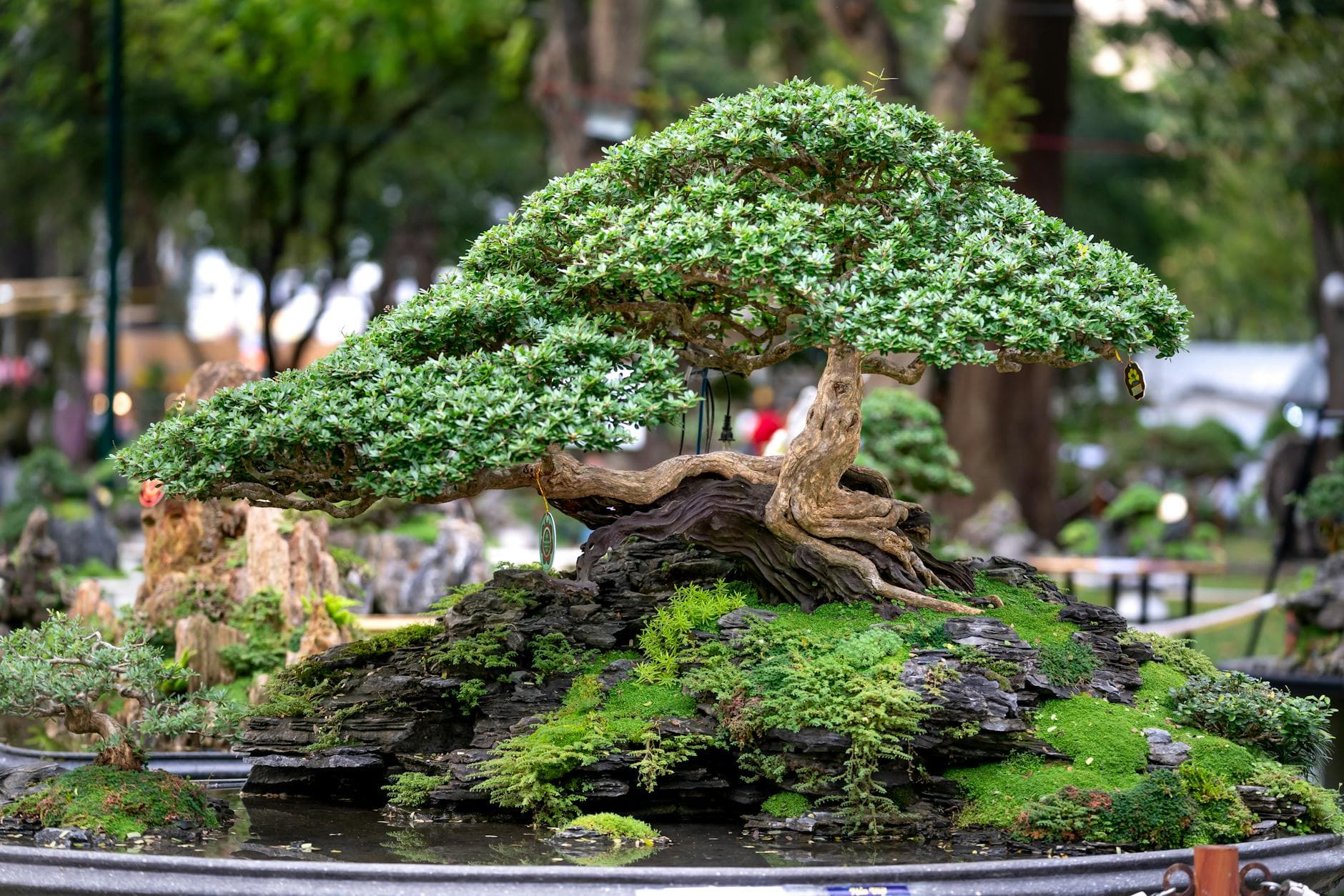
The National Bonsai Foundation traces that public display tradition back to 1975, when the Japanese people presented 53 bonsai and seven viewing stones to the United States for the American Bicentennial. That gift became the National Bonsai & Penjing Museum, described as the first museum in the world dedicated to the public display of bonsai. Together, the Asheville opening and the Washington festival show why this season matters: the little trees are back in view, and bonsai is once again being presented as a living community art in full public sight.
This article was produced by Prism’s automated news system from verified source data, official records, and press releases, then run through automated quality and moderation checks before publishing. The system is built and supervised by the people who set the standards it runs under. Read our full AI policy.
Did this article answer your question?