Totenreich’s four Viking helmets offer distinct survival bonuses and quest advantages
One helmet can reshape a Totenreich run, but not all at once. Icebane is the cleanest first pick for questing and boss prep, while the others reward loot, survival, or route planning.

The helmet choice that decides your run
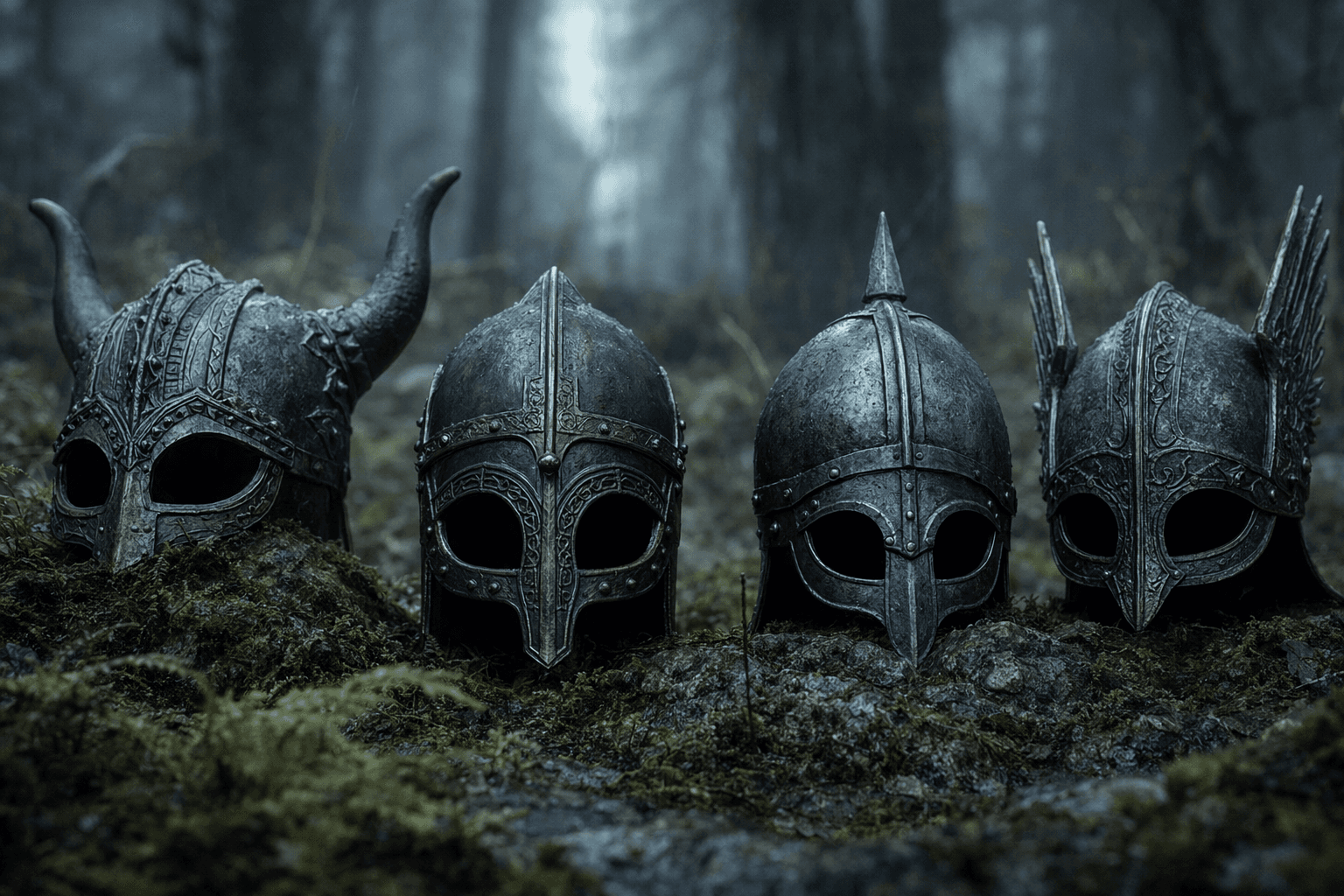
Totenreich does not hand out Viking Helmets as museum pieces. It gives you four separate loadout tools, and because you cannot wear more than one at a time, every pickup is a real trade-off. That matters on a map that arrived in Season 03 Reloaded on April 30, 2026 at 9AM PT, alongside Endgame content, and dropped players into an old Norwegian fishing village founded in the Bronze Age, then warped by Group 935 into a Dark Aether research base.
The setting is doing a lot of work here. Totenreich sits inside the biggest Round-Based Zombies map in Black Ops history, and the map already pushes players toward route planning with headline features like the Jotunn Star Melee Wonder Weapon and the Wild Fire Field Upgrade. In that kind of space, the Viking Helmets are not side collectibles. They are the kind of hidden rewards that can change whether a run feels shaky, efficient, or fully prepared for the boss.
Icebane is the first helmet to chase if your run has a purpose
If your focus is the main quest, Icebane is the helmet that immediately changes how Totenreich plays. It makes you immune to frost, which is huge on a map built around cold, and its third-slide effect can freeze zombies that get caught in the move. That makes it the most combat-forward helmet in the set, and the one that clearly supports long quest chains and the final boss battle.
That is why Icebane feels like the safest first target for players who already know they want to clear the map rather than simply survive it. A frost-immune run with a freeze effect attached to movement is exactly the kind of edge that turns a boss attempt from chaotic into manageable. If you only want one helmet to anchor a serious push, this is the one that looks built for the job.
Cointoss and Golden Tide shape your economy, not your damage
Cointoss is the stability helmet. It increases the chance of receiving more power-ups during certain rounds, which means it helps a run snowball when the map starts to hand out momentum. For early-round stability, that matters more than raw spectacle. Power-ups are what keep a bad stretch from becoming a dead run, especially when you are still building toward the map’s bigger objectives.
Golden Tide takes the opposite route. It improves the odds of better loot when fishing, which ties the helmet system directly into Totenreich’s scavenging and side-objective design. That makes it less about immediate combat and more about route discipline, because the helmet rewards players who are already thinking about where their resources will come from. In practice, it is the helmet that makes fishing part of the plan instead of an afterthought.
For squads, Golden Tide can be especially attractive because better fishing loot can feed the whole team’s momentum before a hard push. In solo play, it is more of a route investment, something you chase when you want the map itself to pay you back for exploration. Either way, it reinforces one of Totenreich’s smartest ideas: not every advantage comes from killing faster.
Kneehigh is the panic button
Kneehigh is the helmet people underestimate until it saves a run. Turning the wearer into an invincible Gnome for a limited time sounds like a joke on paper, but in Zombies terms it functions like an emergency escape hatch. When a lane collapses, a revive goes bad, or a solo player gets boxed in, that invincibility window can buy the seconds that decide everything.
That makes Kneehigh the clearest safety pick for solo survival. It is not built to speed up quest progress or increase loot quality, but it gives you a way to absorb one catastrophic mistake without losing the entire match. In a mode where a single misread can snowball into a wipe, that kind of fallback is worth more than it first appears.
Which one should you get first?
The best first helmet depends on what you want Totenreich to do for you. If you are planning around the main quest or the final boss, Icebane comes first because frost immunity and the freeze effect directly support the hardest parts of the map. If you are still trying to get stable in the opening rounds, Cointoss is the smarter opening grab because power-ups are the quickest way to smooth out a rough run.
Golden Tide belongs to players who want the map to feed their route through fishing and scavenging, which makes it a strong follow-up once you know where you are headed. Kneehigh is the one to prioritize when survival is the main issue and one mistake can end everything. None of the four helmets is simply better than the others, because Totenreich is built to reward the player who chooses the right tool for the right phase.
Why this system matters now
This is also part of a bigger pattern in Black Ops 7 Zombies. The mode opened its Dark Aether story with Ashes of the Damned on November 14, 2025, and the broader design keeps leaning toward map-specific rewards, route decisions, and squad-based play. The official deep-dive also highlights systems like GobbleGums, Augments, and Cursed mode, which makes Totenreich’s helmets feel less like an isolated gimmick and more like another layer in the mode’s growing toolkit.
That is the real story behind the Viking Helmets: they do not ask which one is rarest, only which one matches the run you are trying to survive right now.
This article was produced by Prism’s automated news system from verified source data, official records, and press releases, then run through automated quality and moderation checks before publishing. The system is built and supervised by the people who set the standards it runs under. Read our full AI policy.
Did this article answer your question?