Brazil's Record Coffee Harvest Collides With Shipping Disruptions at Hormuz
Brazil's 2026 harvest is set to shatter records at 66.2 million bags, but Strait of Hormuz shipping disruptions are complicating the long-awaited price correction.
Coffee markets are caught in a genuine tug-of-war right now. Brazil's national supply agency CONAB is projecting a record 66.2 million 60-kilogram bags for the 2026 harvest, a 17.1% jump over 2025 that would blow past the previous record of 63.1 million bags set in 2020. Arabica alone is forecast at 44.1 million bags, up 23.3% year-on-year, with CONAB pointing to expanded planting areas, favorable weather, and a positive phase of coffee's biennial production cycle as the key drivers. Improved arabica yields out of Minas Gerais are specifically cited as a contributing factor.
That supply surge is doing exactly what you'd expect to futures prices. After arabica climbed above US$4.40 per pound in early 2025, prices have fallen sharply, with arabica hitting a 15-month low last week. Rabobank is now projecting a global production surplus of 7 to 10 million bags for the 2026/27 season, which would mark the first significant surplus in roughly four to five years depending on how you count the deficit run. Their price forecast puts arabica futures settling between US$2.50 and US$3.00 per pound by late 2026 — a notable retreat from the peaks of the deficit years, and closer to what most of us would recognize as a historically normal range.
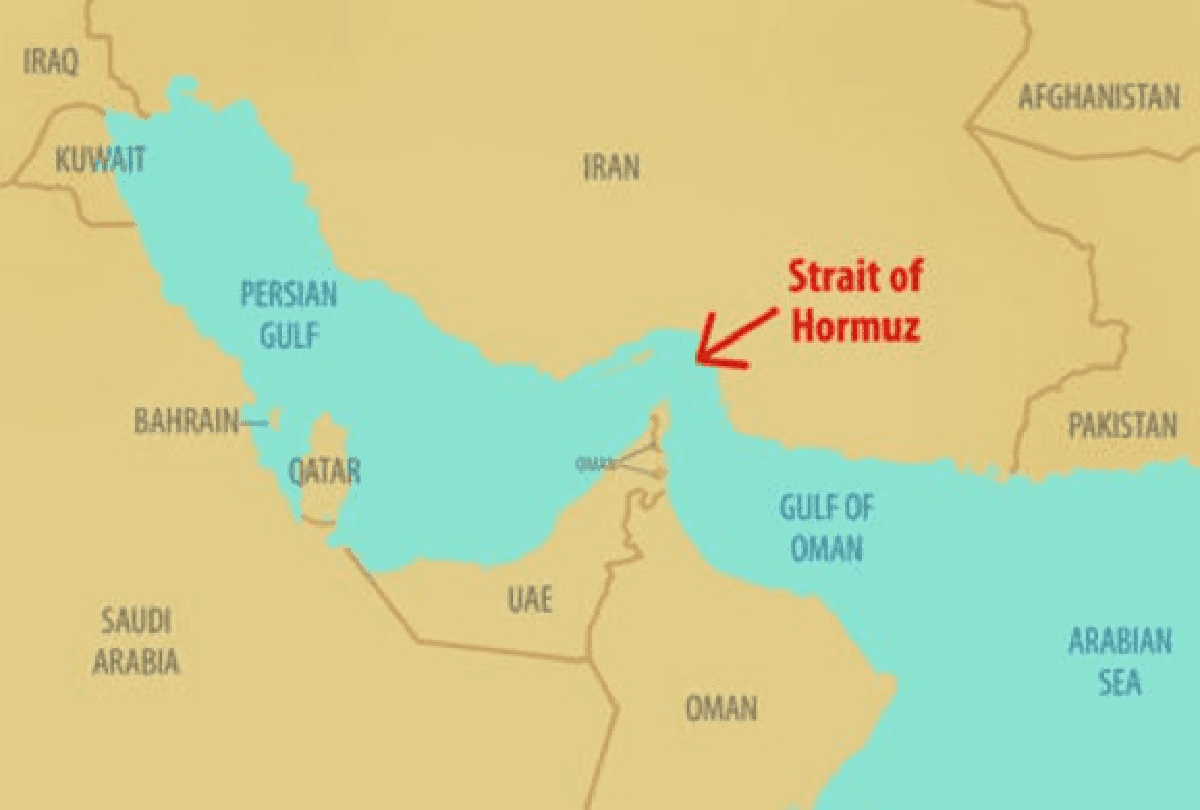
The catch is the Strait of Hormuz. The closure of the strait amid the Iran war is pushing freight rates, insurance premiums, and fuel costs higher at precisely the moment the supply picture is improving. Manufacturers and roasters who were banking on cheaper green coffee inputs are now navigating a more complicated cost equation than the raw futures numbers suggest. The biggest buyers in the market are described as signaling a turning point, but the logistics headwinds are real.
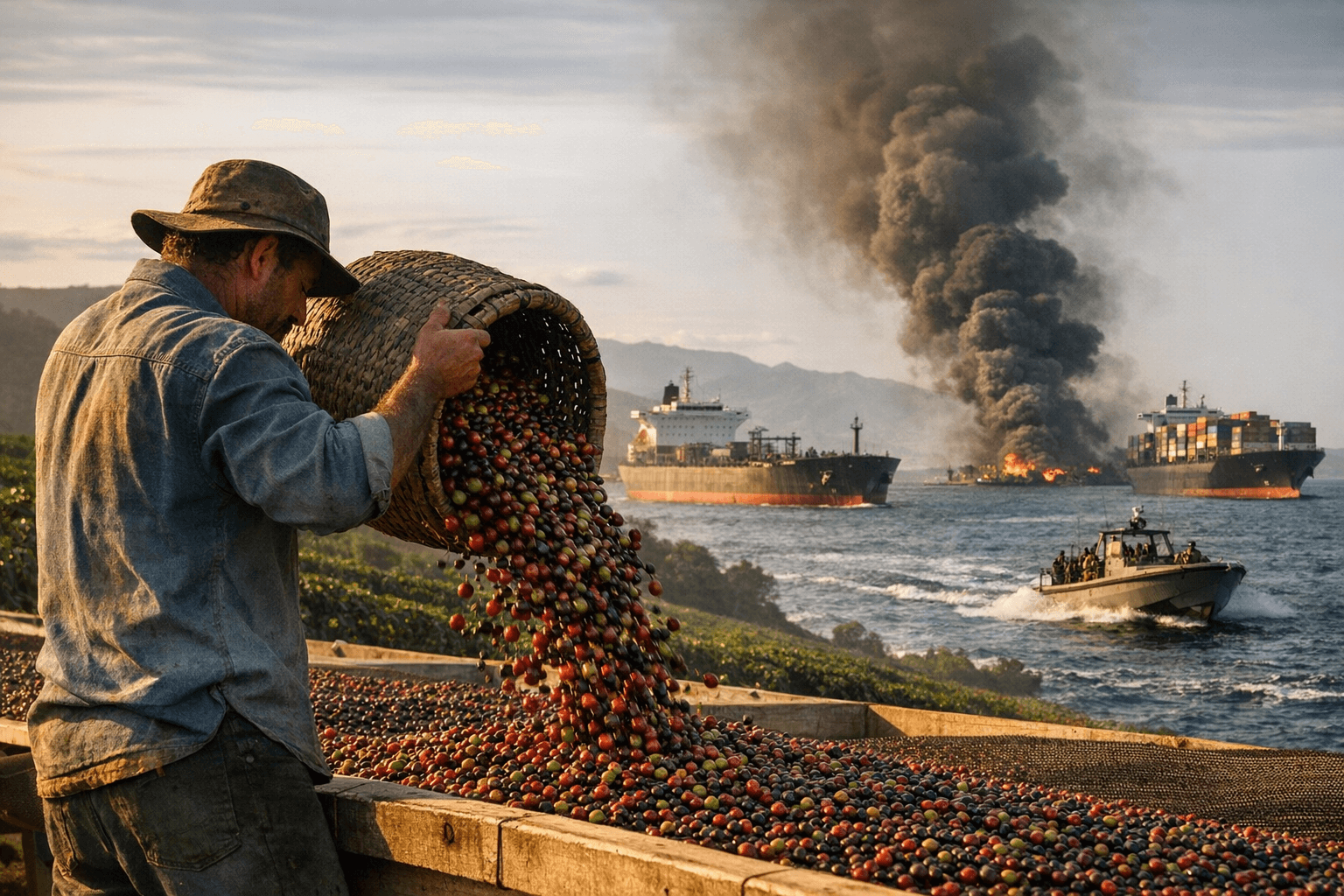
Rabobank does not expect a return to contango, where futures trade above spot prices, before December 2026. That timing is not coincidental: it's the same window when larger volumes from Brazil's new harvest are expected to begin arriving in destination markets. Until those volumes actually land and the market structure normalizes, short-term volatility tied to the Hormuz situation will continue to create noise around what is otherwise a pretty clear long-term directional story.
The Brazil crop is the dominant force here. Rabobank's 7 to 10 million bag surplus projection represents a structural market reset, not a seasonal blip. The geopolitical freight complications are real costs, but they don't change the underlying supply arithmetic. Watch the December 2026 arrival window and any updates to CONAB's harvest estimates as the Brazilian season progresses; those are the numbers that will ultimately determine whether the $2.50 to $3.00 range holds.
This article was produced by Prism’s automated news system from verified source data, official records, and press releases, then run through automated quality and moderation checks before publishing. The system is built and supervised by the people who set the standards it runs under. Read our full AI policy.
Did this article answer your question?