Gen Z is reshaping coffee, operators race to adapt
Gen Z is forcing coffee operators to move faster, design for sharing, and stop confusing online hype with store traffic. The brands that win will make value, ritual, and digital fluency work together.
Bradley Journeaux’s warning to coffee operators is blunt: moves that once built over months or years can now catch fire almost overnight. In coffee, Gen Z decides whether a drink becomes a habit, a status signal, or a dead trend. That speed changes everything, from how often a menu gets refreshed to how a café looks on a phone screen and whether a loyalty offer feels like a real reason to come back.
What operators keep misreading
The first mistake is assuming Gen Z buys the same story that it posts online. This generation, people born between 1997 and 2012, is highly visible, heavily networked, and quick to spot anything that feels generic or overproduced. That does not mean it is driven only by aesthetics. It means operators have to separate the thing that gets filmed from the thing that gets reordered, because those are often not the same drink.
The second mistake is treating Gen Z as a single taste profile. The reality is much messier: some will respond to value, some to novelty, some to ethics, and some to aesthetics. If you build only for the loudest version of the audience, you miss the quieter behaviors that actually drive frequency, like convenience on the way to class, a drink that feels affordable enough to repeat, or a space that does not make them feel like they are being sold to.
Menu design has to move faster than the trend cycle
For menus, the main lesson is adaptability. If trends can move from niche to everywhere that quickly, then the old seasonal playbook is too slow. The smarter move is to keep a core set of reliable drinks and leave room for fast swaps: one cold drink that can be tweaked with different toppings, one milk-forward option, one limited run that can be retired before it gets stale, and one value item that does not require explanation.
The broader market is already tilting toward specialty-style consumption. The National Coffee Association found that 46% of American adults had specialty coffee in the past day in June 2025, up 84% since 2011, and by June 2, 2025, specialty coffee had climbed to 47%, ahead of traditional coffee at 42%.
Deloitte’s Coffee Study 2024 found that younger people like more milk in their coffee than older consumers. Café menus built around rigid, purist coffee language will miss a large part of how younger drinkers actually order. Milk-forward espresso drinks, sweeter iced formats, and easy customization match that ordering behavior.
Atmosphere still matters, but only if it feels lived-in
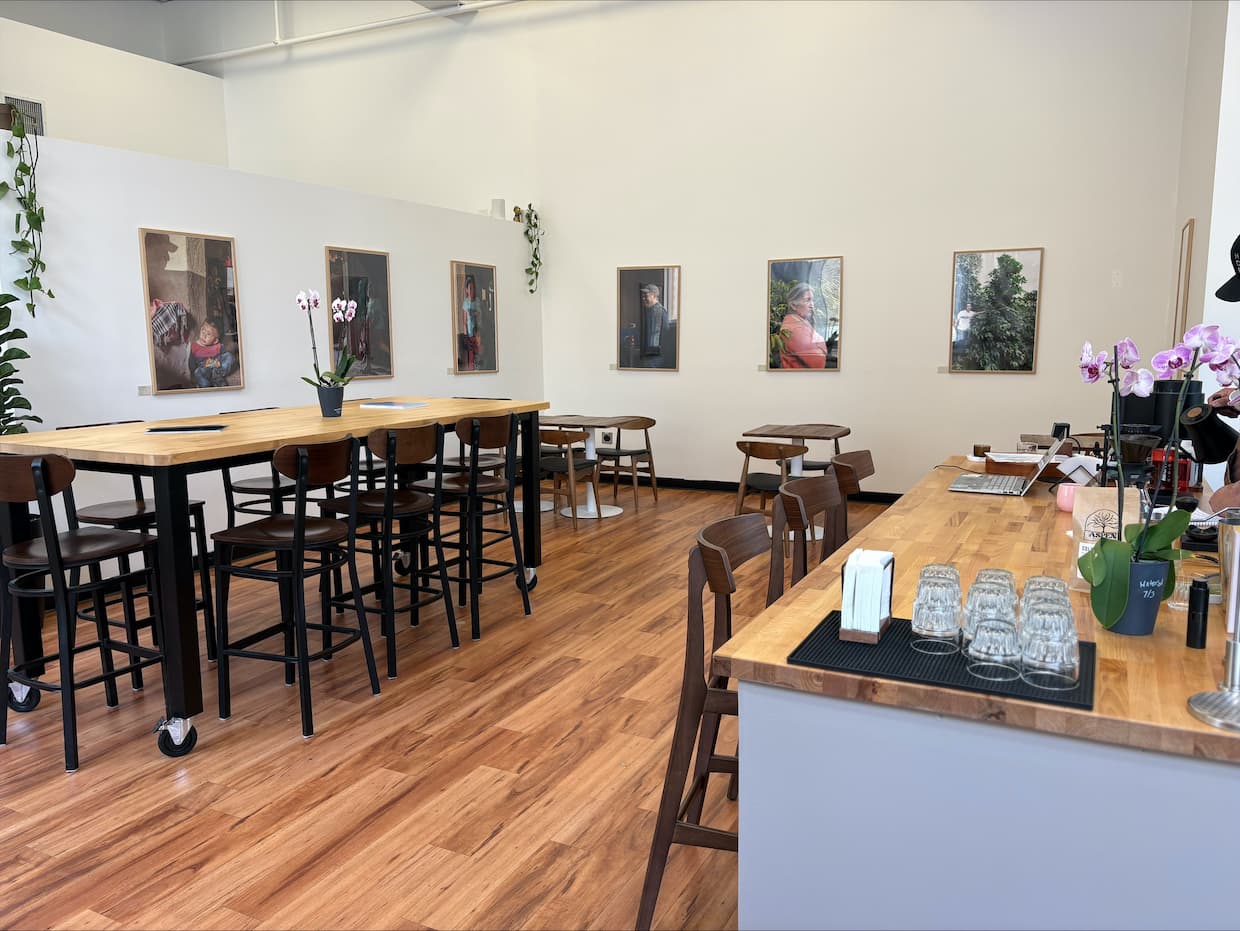
Gen Z does care about the room, but not in the way operators sometimes assume. It is not enough to throw neon on a wall and call it youth culture. The spaces that work are the ones that feel usable, photogenic without feeling staged, and flexible enough for solo work, small meetups, and quick in-and-out traffic.
That tension explains why a brand can have strong online visibility and still fail at visitation. A drink that looks good in a story still has to fit into a day people can actually afford and repeat. Deloitte’s 2024 Gen Z and Millennial Survey, based on nearly 23,000 respondents across 44 countries, found cost of living was the top societal concern for these groups. In coffee, price, convenience, and consistency drive repeat visits.
Loyalty has to feel immediate, not ceremonial
Traditional loyalty programs often miss younger drinkers because they are built like chores. Punch cards, complicated tiers, and distant rewards do not match a cohort that expects quicker feedback loops. A stronger approach is to make the first few visits obviously worthwhile: a clear value price, an easy digital order path, a reward that feels close enough to matter, and a menu that makes it simple to try something new without abandoning the drink they already trust.
The Spring 2026 National Coffee Data Trends report, conducted in January 2026 by Dig Insights, is part of the longest-running study on U.S. coffee consumption, beverage preferences, and consumer behavior. The National Coffee Association has also broken out generational data, including in its Generational Coffee Trends 2025 webinar, because brands need to know not just what people drink, but how fast those habits shift between cohorts. Loyalty systems should work the same way, rewarding the repeat visit without making the customer jump through a dozen steps to get there.
Social storytelling has to connect to the drink in the cup
A Gen Z strategy also has to respect the difference between brand language and brand proof. Sustainability, purpose, and value alignment matter, but they need to show up in the product, the packaging, and the service model, not only in captions. Deloitte’s coffee study found a growing emphasis on sustainable production across age groups, which means younger drinkers are not the only audience reading the sourcing story. They are just faster to punish inconsistency when the story feels fake.
Coffee brands aiming at younger consumers are leaning into cold and all-day formats. Nestlé has been publicly targeting younger consumers as habits shift toward those occasions, especially in cold coffee territory through names like Nescafé and Nespresso.
This article was produced by Prism’s automated news system from verified source data, official records, and press releases, then run through automated quality and moderation checks before publishing. The system is built and supervised by the people who set the standards it runs under. Read our full AI policy.
Did this article answer your question?