Gen Z is reviving office breaks, and coffee rituals are changing
Gen Z is not ditching office breaks, it is making them matter again. That shift is forcing workplaces to treat coffee, snacks and communal space as part of the job.

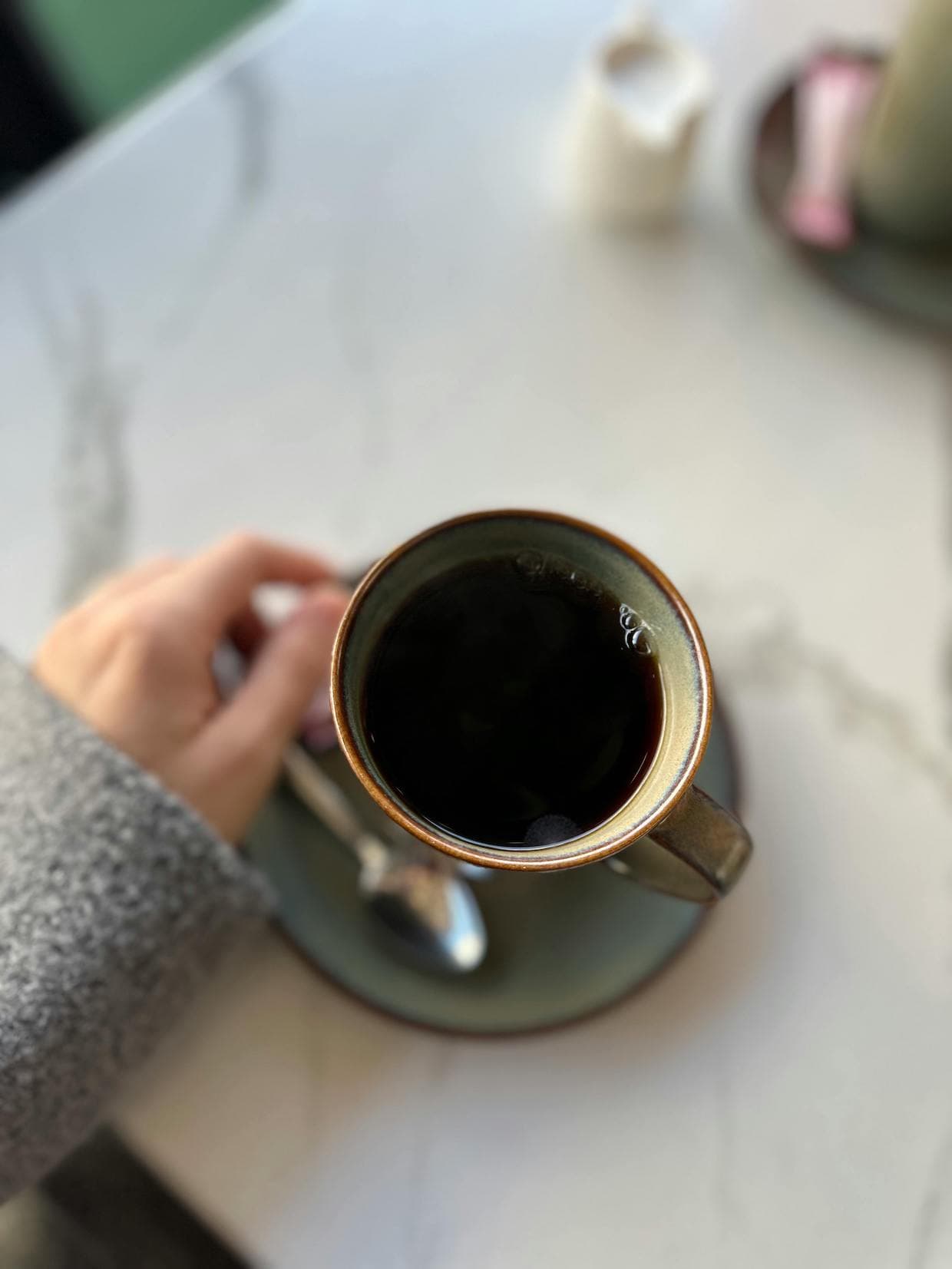
Gen Z is dragging the office break back into view, and that matters because the coffee pause is no longer just a caffeine stop. Russell Cowley’s argument for World Coffee Portal is simple: younger workers are rebuilding workplace rituals around proper breaks, more beverage choice and a more human pace in offices that have become fragmented, hybrid and convenience-driven.
The break is becoming the product
The biggest change is not that Gen Z drinks coffee. It is that they do not seem interested in treating it as a transaction, grab the cup, keep working, repeat. Cowley frames coffee as a social tool, something that gives shape to the middle of the workday instead of just propping it up. In practice, that means the office break is being asked to do more: reset attention, create conversation and give people a reason to leave their screens.
That shift is visible in the way the traditional lunch break has eroded around them. A 2017 Workthere survey found the average UK lunch break was just 34 minutes, with 52% of workers skipping lunch completely, 37% rarely leaving the office at lunch and 12% feeling pressure to work through it. Against that backdrop, Gen Z’s behavior looks less like a fad and more like a correction. HRreview’s reporting on Just Eat for Business’s More Than a Meal report, based on more than 2,000 British workers, found 56% of Gen Z workers take their full lunch break, compared with 36% of Gen X and 22% of Baby Boomers.
What Gen Z is changing in the middle of the day
The first change is timing. Gen Z is more willing to take a real break, not just eat at the desk while answering messages. That matters because the office day has become a blur of meetings, Slack pings and screen time, and a proper pause now feels almost countercultural.
The second change is drink choice. Cowley’s point is not that younger workers are suddenly loyal to one cup of filter coffee. It is that they are reaching for a wider range of beverages and expecting offices to support that variety. That widens the job for any coffee operator in the workplace: the offer has to cover hot drinks, cold drinks and the social setting around them, not just a machine that dispenses caffeine on demand.
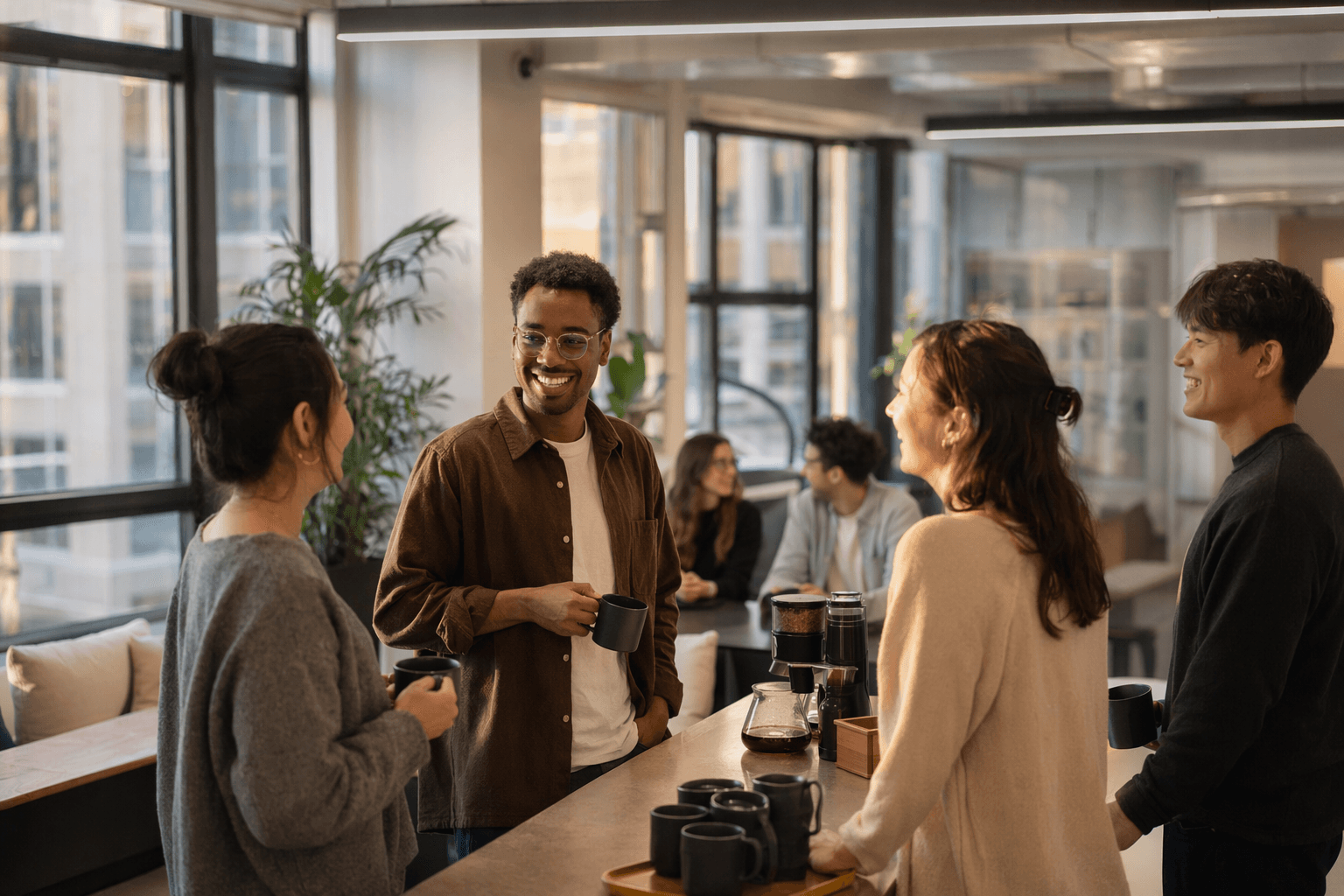
The third change is social. The break is increasingly a communal moment, not a solitary refuel. That may sound soft, but the data backs it up. A 2025 ISS global survey of nearly 11,000 employees across 15 countries found 71% still consider the physical office important, with the top reasons for going in being time with colleagues and knowledge sharing. The single biggest thing that would bring people in more often was food experiences like breakfast, lunch, snacks or coffee. In other words, the office still has to earn the commute, and food and drink are part of the deal.

Why the office coffee point still has legs
This is where office coffee stops being a nice-to-have and starts looking like infrastructure. Nespresso’s workplace research, based on a ComRes survey of 2,772 employees in the UK and Republic of Ireland, found that 27% said high-quality office coffee improved daily work life to a great extent. Thirty percent had access to higher-quality coffee for free at work, and 75% said good coffee in the office signals that the employer cares about wellbeing.
The productivity angle is there too. In that same survey, 67% said they felt more productive after a coffee break. That is the kind of number operators should take seriously, because it points to a simple truth: if a break helps people return sharper, it is not dead time, it is functional time. The break room, the barista counter or the bean-to-cup station is doing more than serving drinks. It is shaping the rhythm of the day.
What this means for café design and office setups
If Gen Z is reviving the break, the space around the break needs to change with it. The old model, one machine in a corner and a sad stack of paper cups, is not built for social use. The newer model has to support pause, choice and visibility, with coffee that feels worth leaving the desk for and a layout that makes lingering natural instead of awkward.
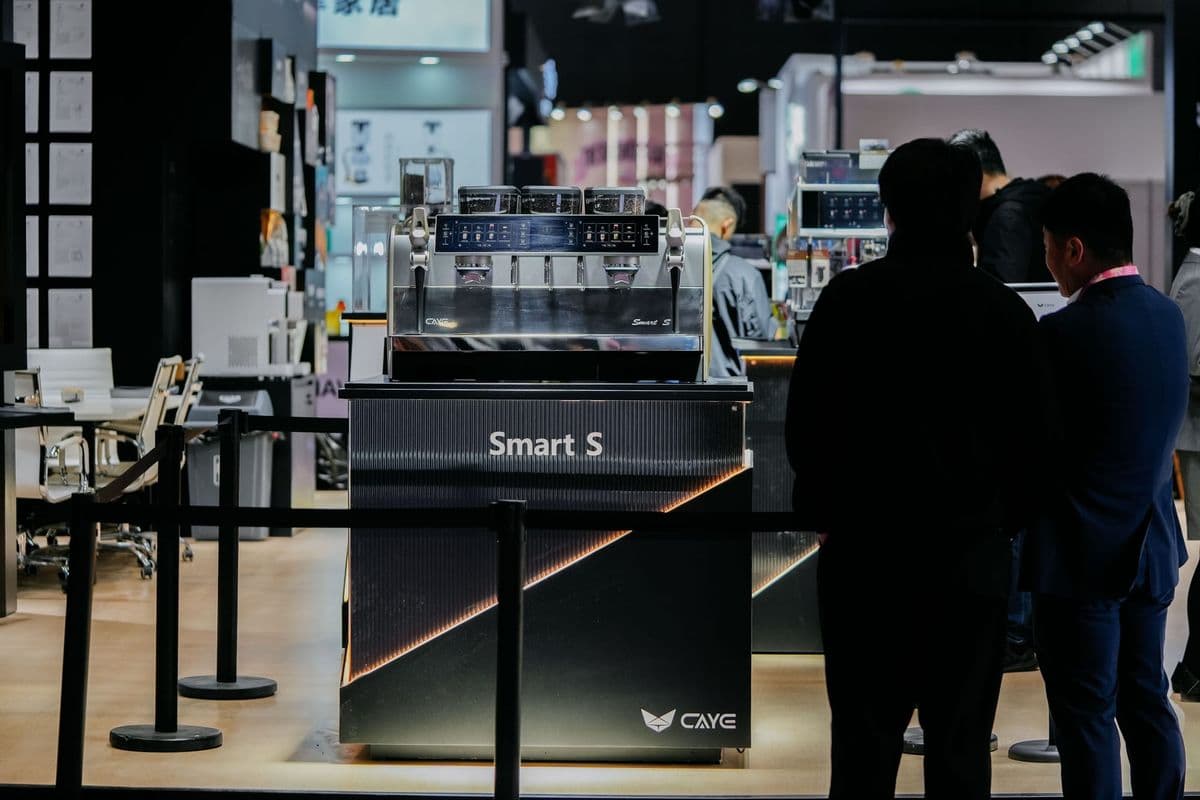
That has consequences for machine design, beverage variety and break-room planning. Employers that want people to use these spaces need more than throughput. They need places where two or three people can stand and talk without blocking the room, where cold drinks do not feel like an afterthought and where the coffee offer can compete with bottled drinks, energy beverages and the default pull of staying at the screen.
JLL’s 2025 workforce research, based on more than 12,000 employees across 44 countries, adds another useful piece: Gen Z is not fleeing the office. Workers up to age 24 averaged three office days a week, and JLL says younger employees are leading the return. That means the office still has a chance to shape habits early, before bad routines harden. If the coffee point is inviting, well-placed and actually pleasant to use, it can become the anchor for a better break culture.
The real social change is smaller than it sounds
A 2025 University College London-led World Happiness Report chapter gives the coffee-break argument a broader social frame. People who share more mealtimes with others report higher life satisfaction and wellbeing, and the relationship is comparable in strength to income and employment status. That does not mean every espresso break carries the weight of a therapy session. It does mean shared pauses are not trivial. They are one of the easiest ways to make work feel less atomized.
That is why Cowley’s point lands: Gen Z may be less attached to the old office ritual, but they are not rejecting breaks. They are asking for better ones. They want a pause that feels intentional, a beverage that feels worth it and a space that gives them something the screen cannot. For the companies selling workplace coffee, the opportunity is no longer just access. It is experience.
The old lunch break has been shrinking for years, and too many offices learned to live with that. Gen Z is pushing back in a quieter way, one coffee, one snack and one actual pause at a time.
This article was produced by Prism’s automated news system from verified source data, official records, and press releases, then run through automated quality and moderation checks before publishing. The system is built and supervised by the people who set the standards it runs under. Read our full AI policy.
Did this article answer your question?